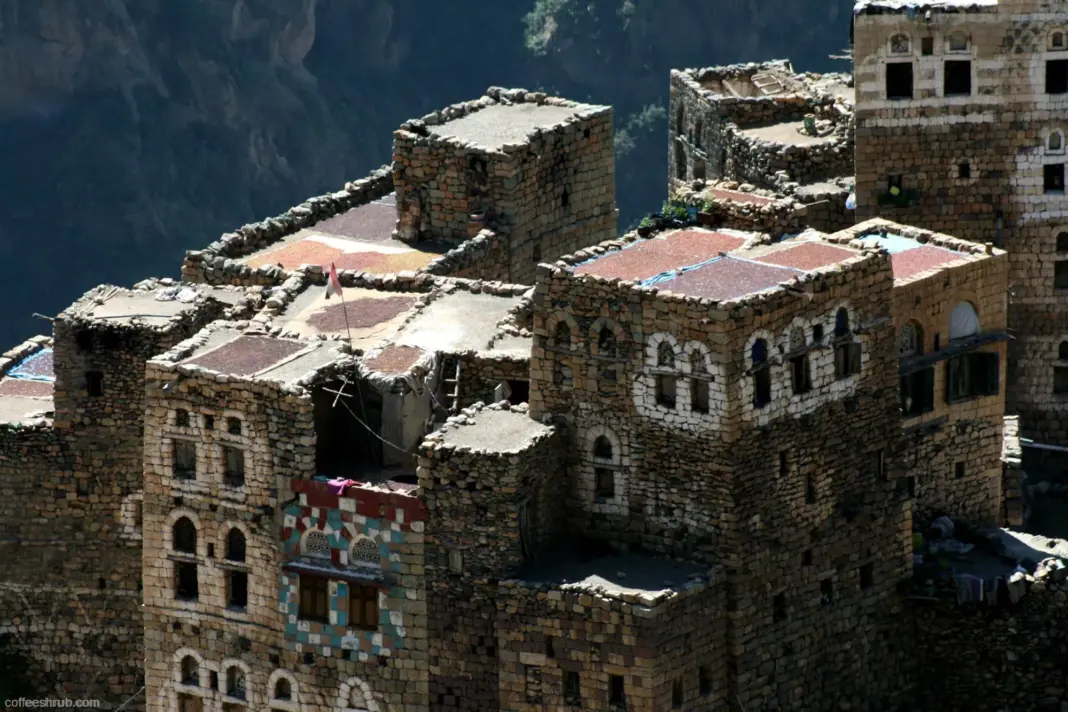

The Houthis, the Iran-backed armed movement that controls much of northern and western Yemen, have become one of the most disruptive forces affecting international shipping through the Red Sea. Their attacks on commercial vessels since the Gaza war to side with Hamas have forced shipping companies to reconsider one of the most important trade routes on Earth.
But there is another part of this story that deserves attention: the places along Yemen’s Red Sea coast that have been swallowed by years of war and political instability and of them is Mocha. CNN reports that Mocha has been overtaken by a terror group, the Houthis.
Mocha, also written Mokha or Al-Makha, is the Yemeni port that gave its name to one of the most recognizable words in coffee. For centuries, coffee grown in Yemen’s mountains was brought down to this small Red Sea city and shipped to markets abroad. European traders associated the port so closely with Yemeni coffee that “Mocha” eventually became shorthand for the coffee itself.
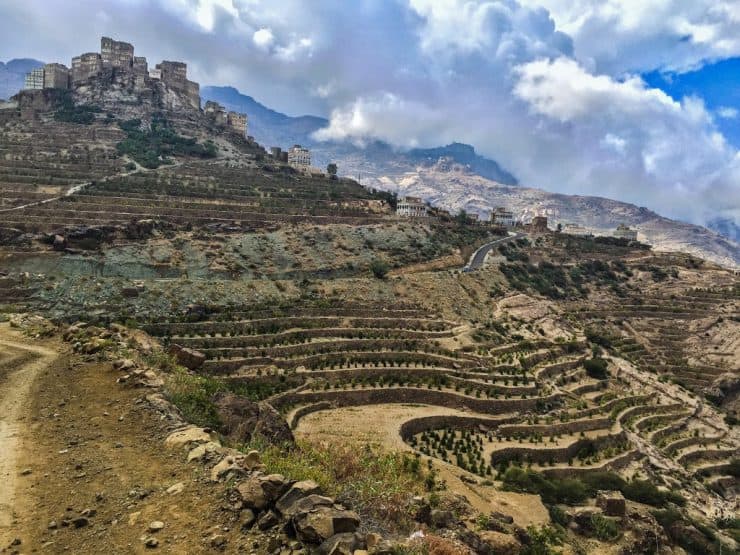
Today the name is more likely to make someone think of chocolate-flavored coffee than Yemen. And that is an extraordinary erasure. Look at a map and Yemen’s importance becomes immediately obvious.
Related: These Yemeni dragon trees bleed when cut
Ships traveling between Asia and Europe can cross the Indian Ocean, enter the Red Sea through the Bab el-Mandeb Strait and continue north through the Suez Canal into the Mediterranean. Without that route, many vessels must make the considerably longer journey around the Cape of Good Hope at the southern end of Africa.
The Suez Canal itself was constructed between 1859 and 1869 by the Suez Canal Company under the leadership of French diplomat Ferdinand de Lesseps. Egyptian ruler Said Pasha granted the concession for the project, and French investors initially supplied much of its private capital, while Egypt also acquired a substantial stake and bore enormous financial and labor costs.
It was one of the engineering projects that reorganized global trade. More than 150 years later, that geography still determines what you pay for products made thousands of miles away.
When shipping through the Red Sea becomes dangerous, vessels are rerouted. The journey becomes longer. Ships consume more fuel and supply chains become less predictable. Those costs can eventually work their way into the prices of goods moving between Asia, Europe and North America.
The Houthis understand the importance of this geography very well. The movement emerged from northern Yemen and seized the capital, Sanaa, in 2014. Iran has provided the Houthis with substantial military and political support, including technology and weapons capabilities. Since late 2023, Houthi forces have attacked and threatened commercial shipping in and around the Red Sea, saying their campaign is connected to the war in Gaza.
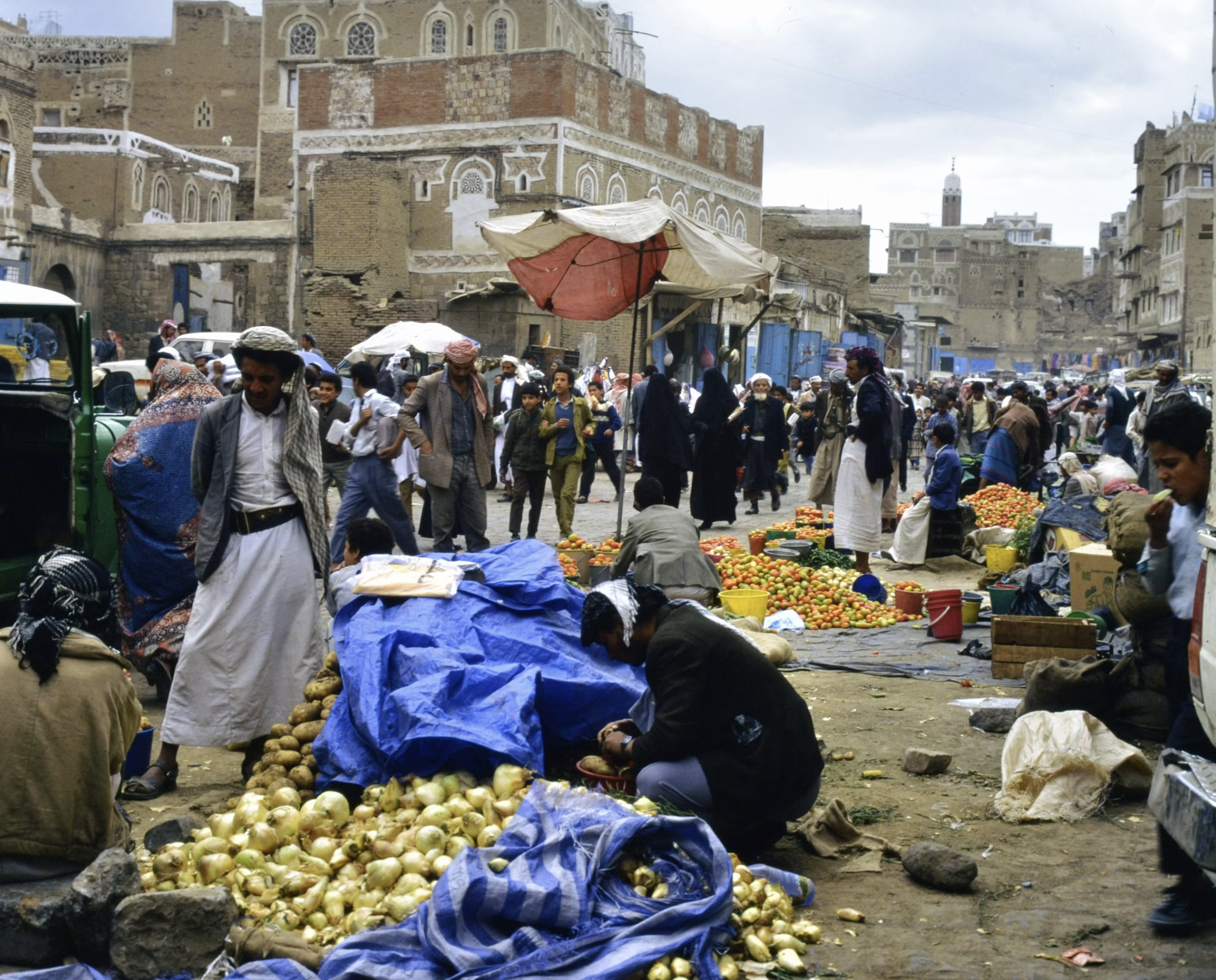
Whatever political justification is attached to these attacks, civilian shipping and international trade have been profoundly affected.
And Yemen itself has paid an even greater price.
Before the shipping crisis came the FSO Safer
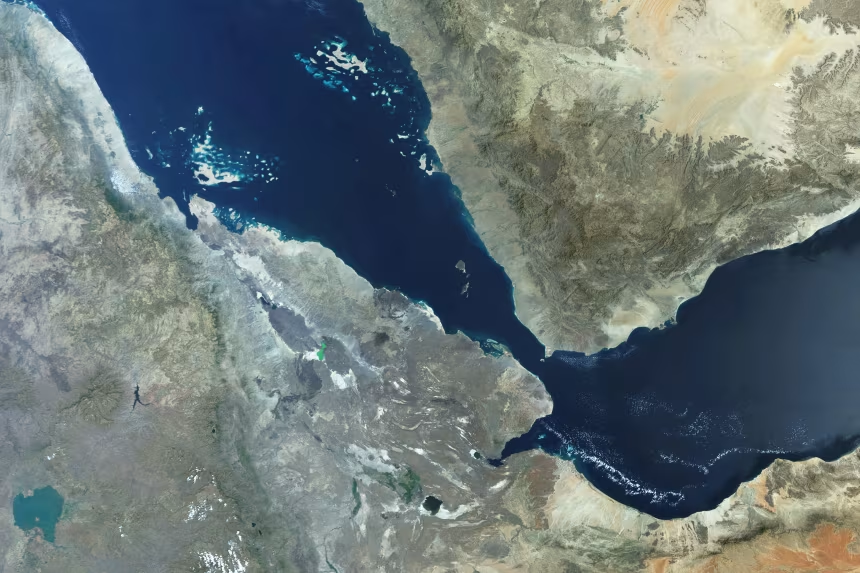
Some years before Houthi attacks on commercial vessels became an international headline, another environmental catastrophe was sitting quietly off Yemen’s Red Sea coast. The FSO Safer was an aging oil-storage vessel moored offshore near Hodeidah containing approximately 1.14 million barrels of crude oil. The Houthis were holding it hostage.
I became involved in the story because the environmental consequences were almost unimaginable. I personally notified Greenpeace Middle East about the threat posed by the Safer because it was clear that an accident could devastate the Red Sea.
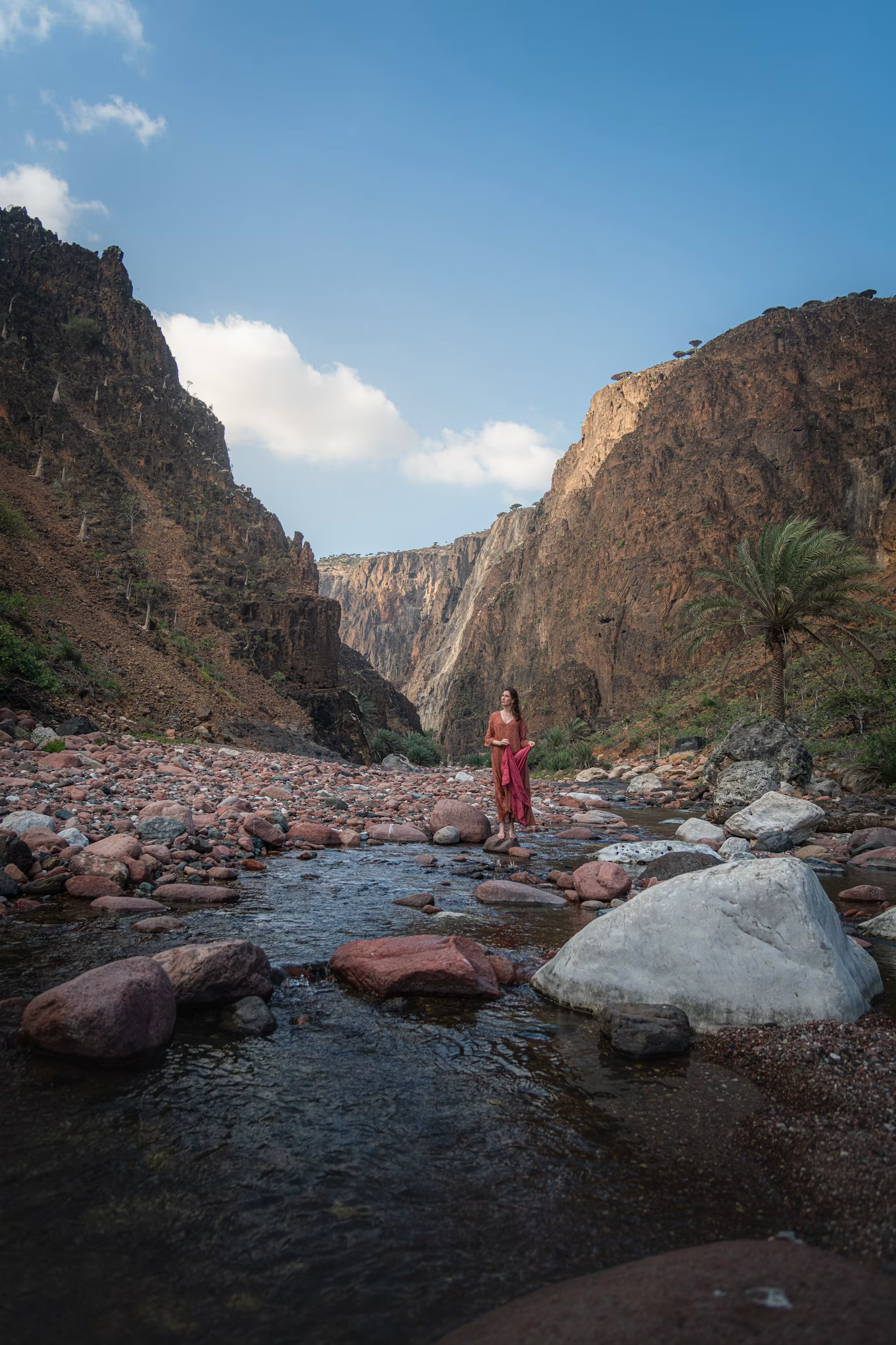
A major spill could have damaged coral reefs, fisheries and coastal ecosystems while affecting communities already suffering from war and food insecurity. The Red Sea is not an empty shipping corridor. It is an extraordinary marine ecosystem with corals that scientists have studied partly because of their unusual tolerance to heat. It is also a source of food and livelihoods for millions of people living along its shores.
It’s also the home of Sinai, and the biblical landscape where Moses talked with God, saw the burning bush and as biblical history goes, got the 10 commandments etched in stone.
The United Nations eventually mounted an extraordinary salvage operation. In 2023, more than one million barrels of oil were transferred from the deteriorating Safer to another vessel, averting what the UN had warned could become a massive environmental disaster.
It was a rare piece of good news from Yemen, but the Safer should have taught us something. Environmental disasters don’t respect political borders, and neither do shipping disruptions.
Mocha sits inside this same geography.
For centuries, merchants, sailors and coffee growers connected this Yemeni port to the rest of the world. Its surviving architecture, mosques and merchant houses belong to a history much older than today’s conflict. The Al-Shadhili Mosque is associated with Yemen’s deep coffee culture and with the Sufi traditions surrounding coffee’s early history in the region.
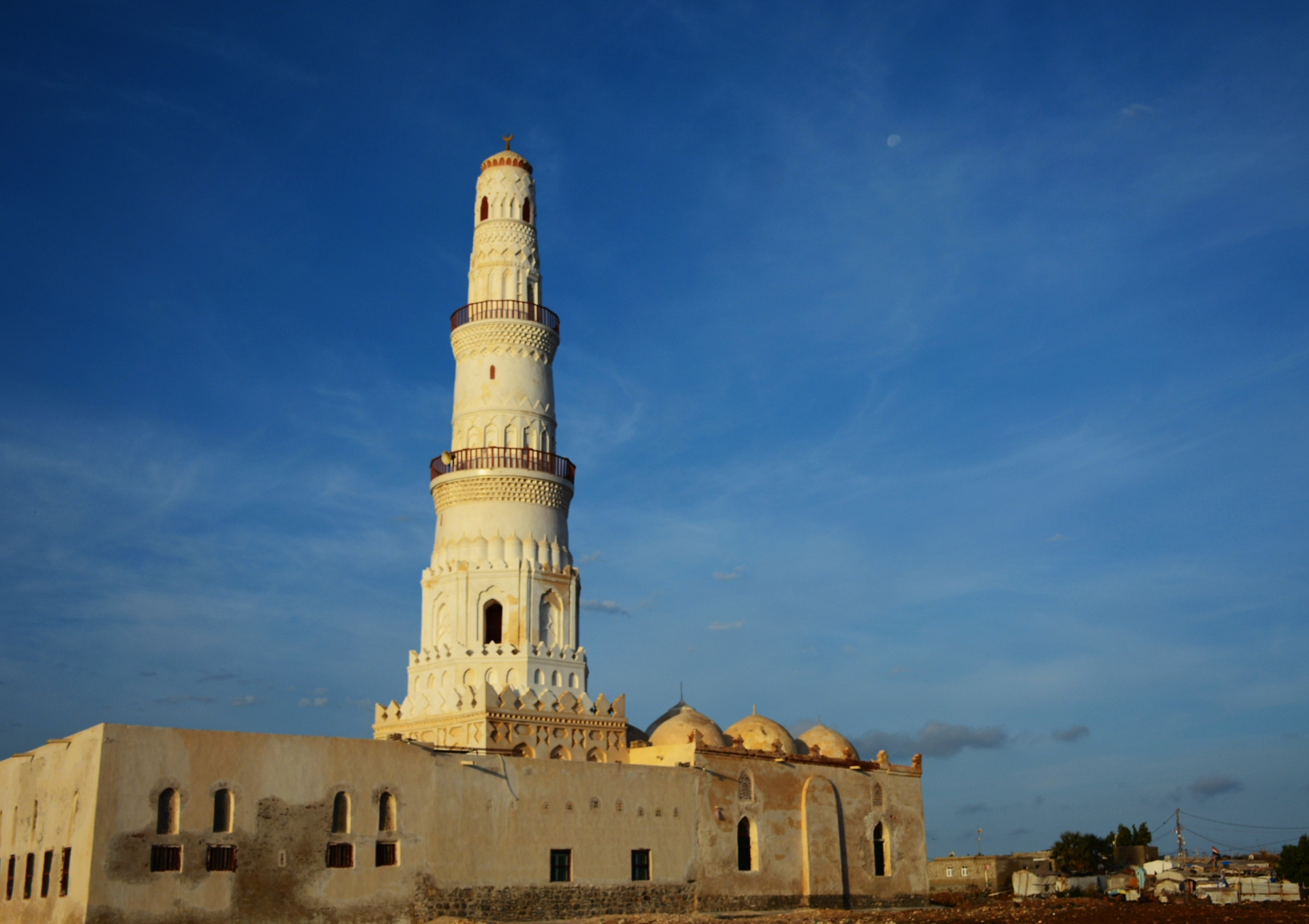
These places are part of the world’s cultural inheritance, even if most people drinking a mocha in Toronto, London or New York have no idea where the word came from. The Houthis are usually discussed in terms of missiles, drones, Iran, Israel and shipping.
Those are important stories but there is another story underneath them: Yemen itself. A country that gave the world one of its great coffee traditions now sits beside one of the most militarized shipping corridors on Earth.