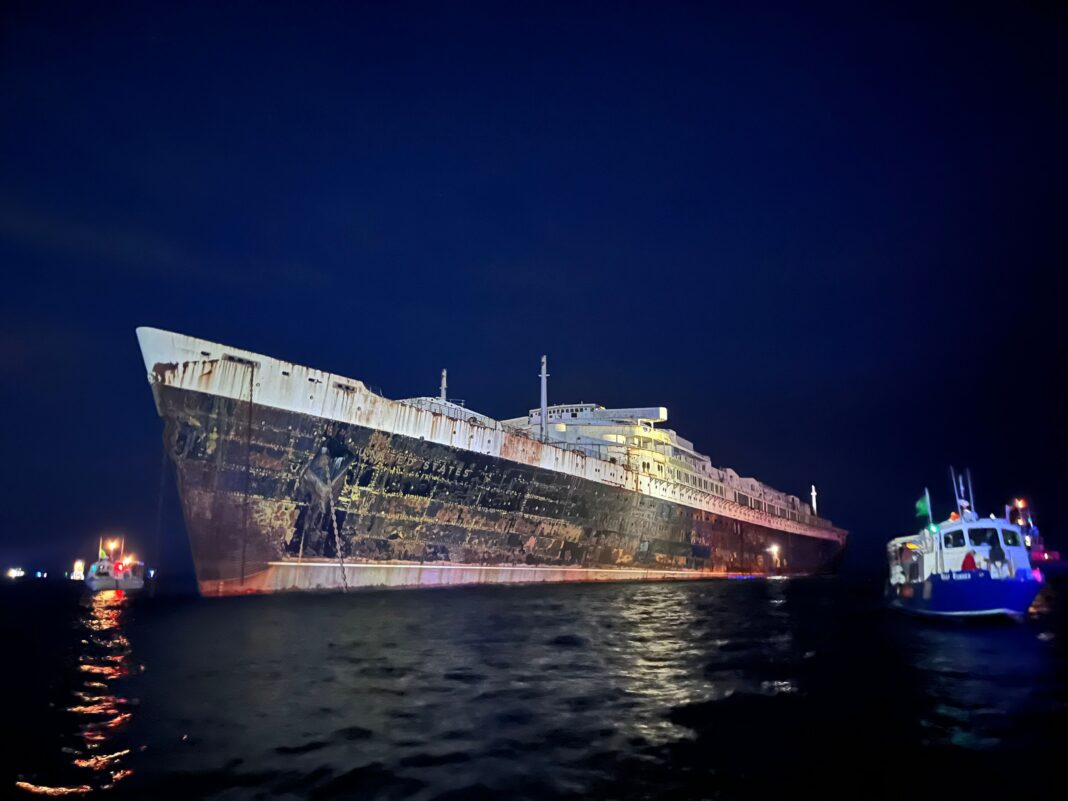

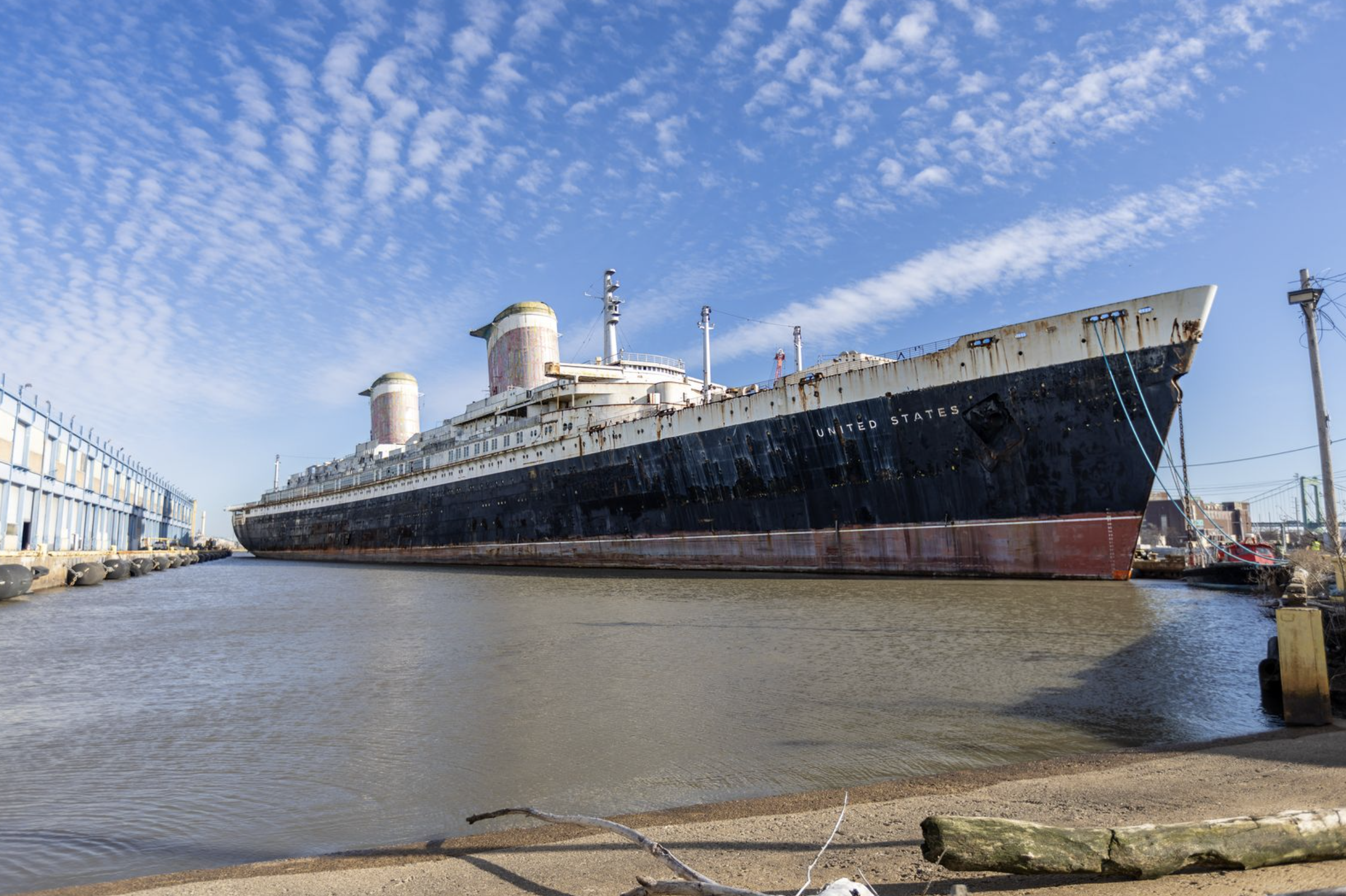
The historic ship, the SS United States has been sunk off the Florida coast, creating an extraordinary underwater laboratory where scientists can study coral growth, marine biodiversity and the birth of a new ocean ecosystem.
What happens when you sink a legendary ocean liner and let nature take over? Off the coast of Florida, scientists are about to find out. The SS United States, a 990-foot ship that once carried passengers across the Atlantic, has been deliberately sunk in the Gulf of Mexico to become the world’s largest artificial reef and an unprecedented laboratory for marine research.
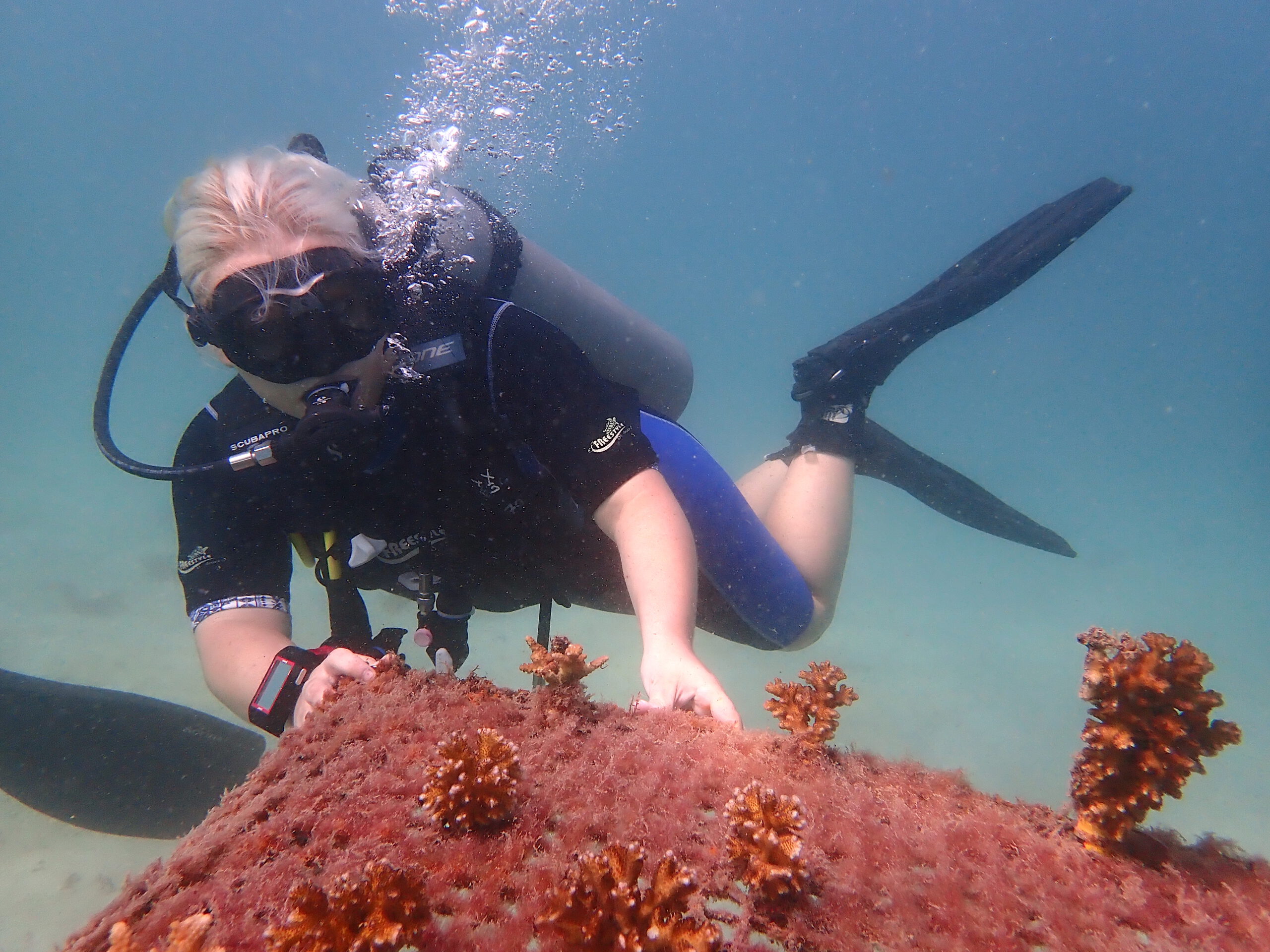
On November 11, 2026, the iconic American ocean liner began its second life approximately 22 nautical miles southwest of Destin-Fort Walton Beach, Florida. Instead of transporting passengers, the enormous steel vessel will now provide underwater habitat for fish, corals, sponges and countless marine organisms. Researchers from the Woods Hole Oceanographic Institution (WHOI) will study how an entirely new marine ecosystem develops, offering valuable insights into artificial reefs, coral reef restoration and ocean conservation.
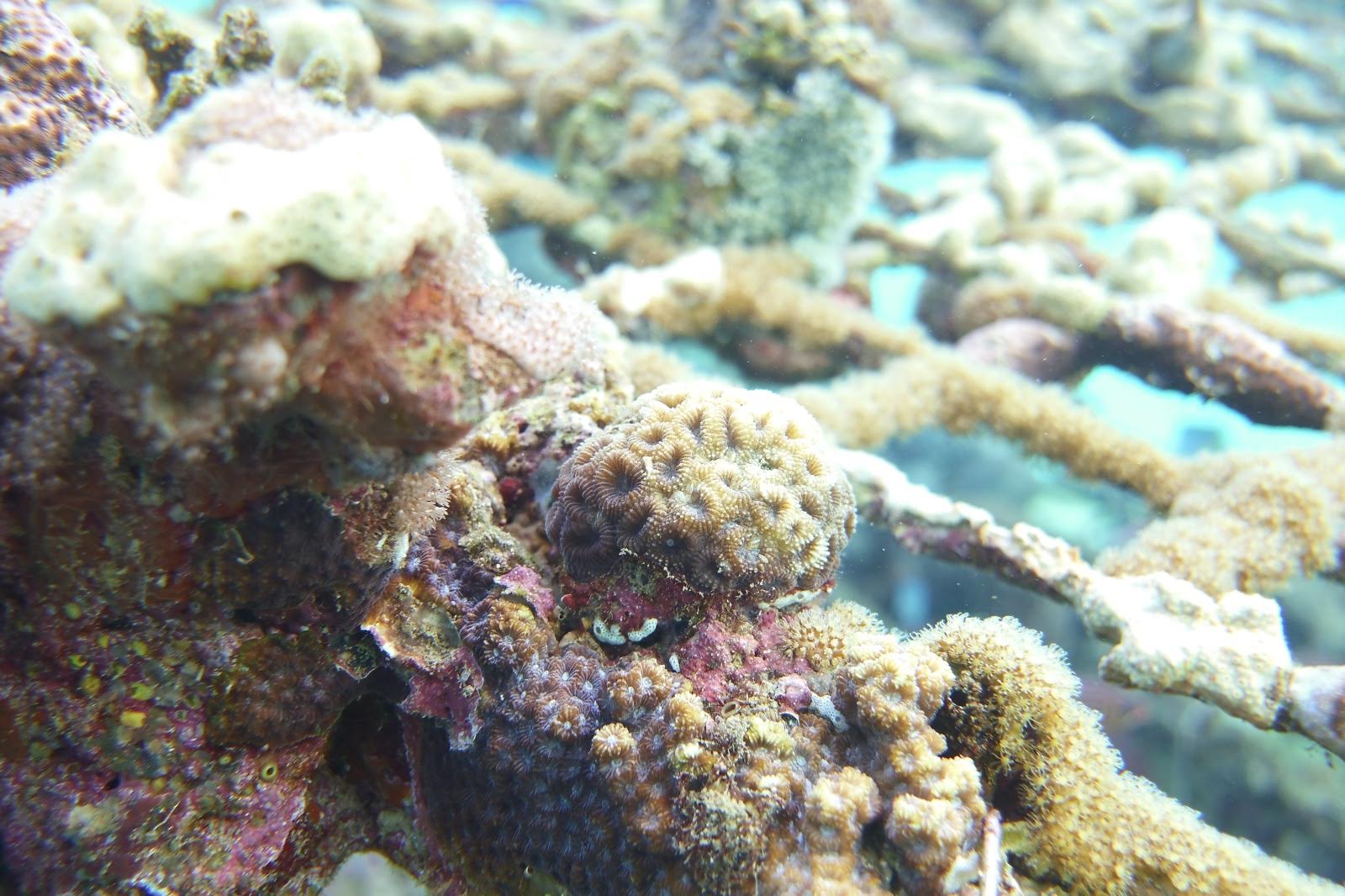
For young marine biologists and environmental science students, the ship also represents something remarkable: the possibility of an extraordinary outdoor classroom where researchers could follow the development of an underwater ecosystem from its earliest days.
Artificial reefs are underwater structures deliberately placed or created to provide habitat for marine life. They can be made from concrete, specially designed reef modules, retired ships and other materials that have been prepared for safe ocean deployment.
Unlike natural coral reefs, which develop through biological and geological processes over long periods, artificial reefs provide physical surfaces and shelter that can attract marine organisms.

The SS United States is an unusually ambitious example.
Before being sunk, the ocean liner underwent extensive environmental remediation following guidance and best practices from US environmental and maritime authorities. Scientists will continue monitoring the surrounding water and sediment to understand how the enormous steel structure influences marine chemistry and biodiversity.
“This is an exciting opportunity to study and monitor the development of a new ecosystem,” said Kirstin Meyer-Kaiser, a marine biologist at Woods Hole Oceanographic Institution who studies shipwrecks and other artificial marine structures.
“This multi-year effort will show how a community takes shape over time, and how the physical and chemical transformations to a habitat influence the biological community.”
The ship is expected to attract organisms that settle on hard underwater surfaces, potentially including corals, sponges and other invertebrates. Over time, these organisms may create increasingly complex habitats for fish and other marine species.
A new living laboratory for marine biology students
Most shipwrecks are discovered or studied many years after they sink. By then, scientists are examining an ecosystem that is already established. They can observe the creatures living there, but the earliest stages of colonization are often a mystery.
The SS United States changes that.
Because researchers know when and where the vessel was deployed, they have a rare opportunity to document its transformation from the beginning.
“This is one of the first times researchers will be able to watch an ecosystem form from scratch,” Meyer-Kaiser said. “We can connect the chemistry, the microbes, and the larger marine life in a way that hasn’t been done at this scale before.”
Imagine the possibilities for future marine biology summer schools, semester-abroad programs and university research expeditions.
Students studying oceanography, coral reef ecology, marine engineering and environmental chemistry could potentially use the project’s scientific findings to investigate how new ecosystems emerge. University field courses might incorporate remote underwater video, biological sampling, water-quality analysis and ecological monitoring.
The site could be particularly interesting for students learning marine robotics and underwater mapping. Not every researcher needs to be a scuba diver. Remotely operated underwater vehicles, underwater cameras and laboratory analysis can provide ways to study deep marine environments without entering the water.
No formal summer school or semester-abroad program has been announced at the reef. Nevertheless, the long-term research project offers a compelling model for how marine science education could connect classroom learning with real-world conservation.
The wreck’s depth also means that direct diving activities require appropriate qualifications, equipment and safety oversight. It is a scientific research environment, not a shallow-water classroom for beginner divers.
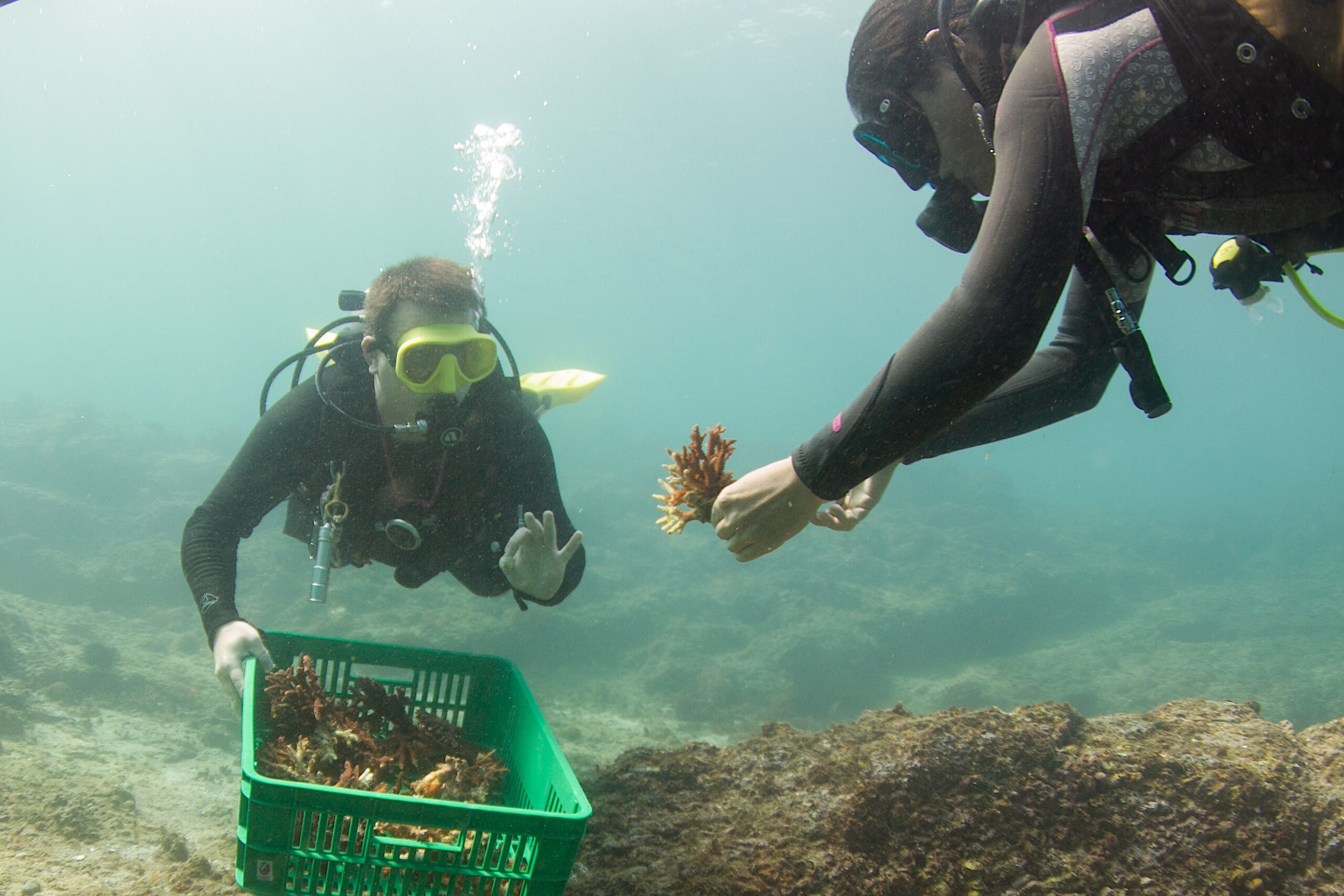
Coral reefs around the world are threatened by warming seas, bleaching, disease, pollution and coastal development. Scientists are increasingly studying artificial reef structures to understand whether they can support additional marine habitat and improve biodiversity.
Steel structures gradually corrode in seawater, releasing elements including iron, manganese and nickel. Some of these metals are essential micronutrients for marine organisms, although their ecological effects depend on concentration and environmental conditions.
The WHOI team plans to collect water samples from 132 locations surrounding the vessel, measuring chemical changes while documenting the organisms that settle on its surfaces.
A separate microbial research effort led by Leila Hamdan, a microbiologist at the University of Southern Mississippi, will examine water and sediment surrounding the ship.
Marine chemist Colleen Hansel of WHOI is also involved in monitoring how the surrounding environment responds to the new structure.
Together, these studies could improve our understanding of how artificial reefs function and how future marine infrastructure might be designed to support healthier ecosystems.
Artificial reefs are not substitutes for protecting natural coral reefs. They can, however, provide additional habitat and opportunities to investigate ecological restoration, particularly when their environmental impacts are carefully monitored.
One of the project’s most exciting ambitions is to involve recreational divers in collecting useful scientific observations.
“We will be visiting the site annually to collect samples and photograph the site,” Meyer-Kaiser said. “One of our long-term goals is to establish a citizen science program with Destin–Fort Walton Beach. Recreational divers could contribute their photos to help us build our dataset between annual sampling events.”