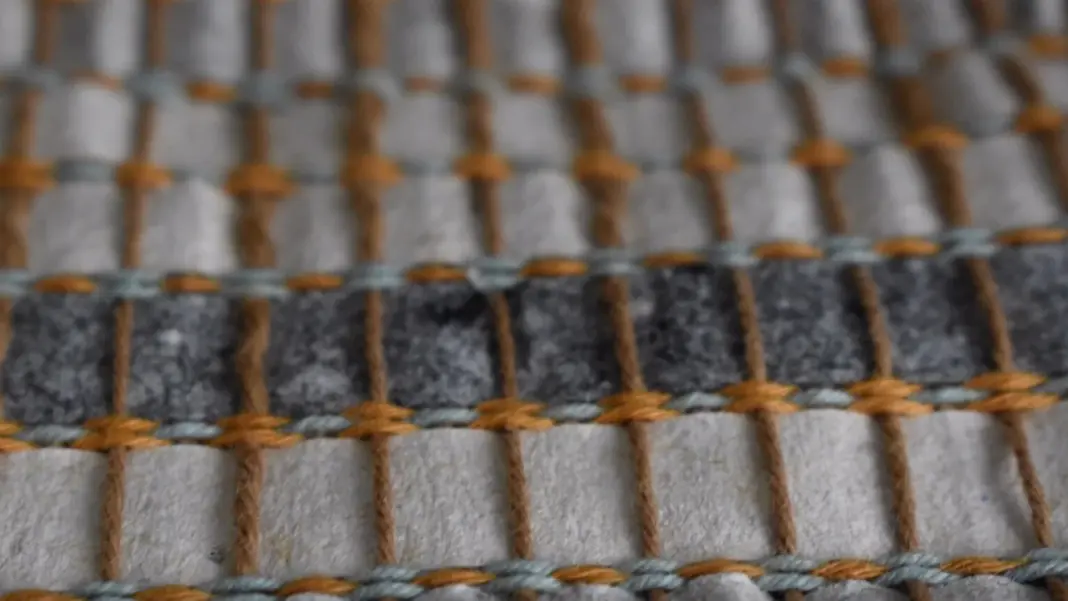

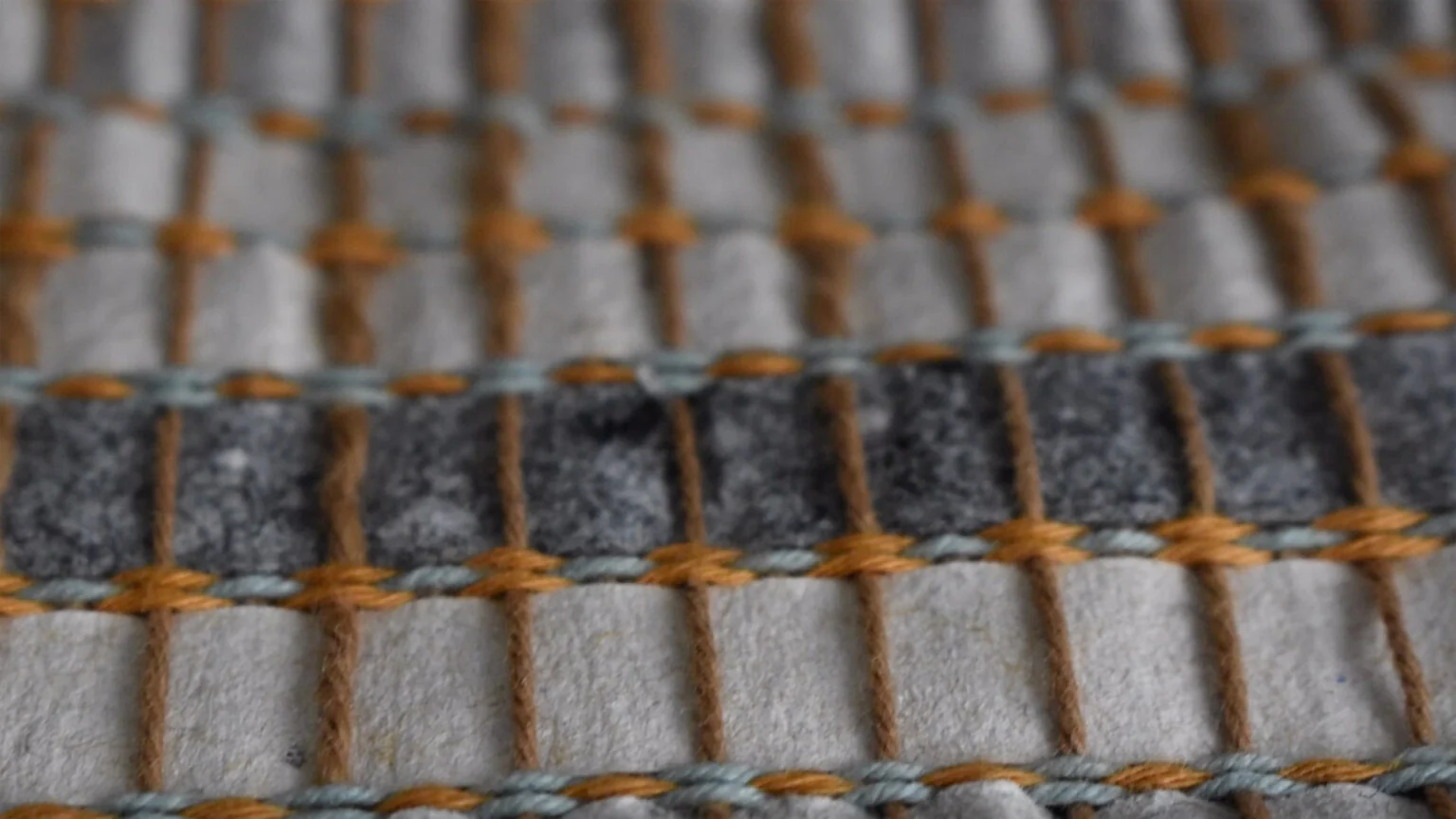
In the Mexican village of Teotitlán del Valle, where families have woven wool carpets for generations, even the scraps have a story to tell. Mexican design studio Arudeko is transforming discarded wool into Bianni, a translucent, paper-like textile that can become lampshades, room dividers, wall panels and decorative art.
Made from leftover dyed wool, recycled paper and cotton threads, Bianni gives new life to materials that might otherwise be thrown away. It also preserves the traditional weaving skills of Oaxaca’s artisan communities.
From traditional carpets to sustainable design
Green Prophet has long followed weaving traditions across the Middle East, where natural fibers and handmade carpets connect communities to their cultural heritage.
In Israel’s Negev desert, we reported on the Bedouin women of Sidreh, who turn sheep, goat and camel wool into handmade carpets while creating economic opportunities for women.
In Egypt, the women weavers of Siwa have also preserved traditional textile skills while generating income. And in Canada, a design company found ways of recycling old Persian carpets into contemporary patchwork rugs.
Arudeko takes this approach further by recovering the scraps produced during carpet manufacturing itself.
How waste wool becomes paper
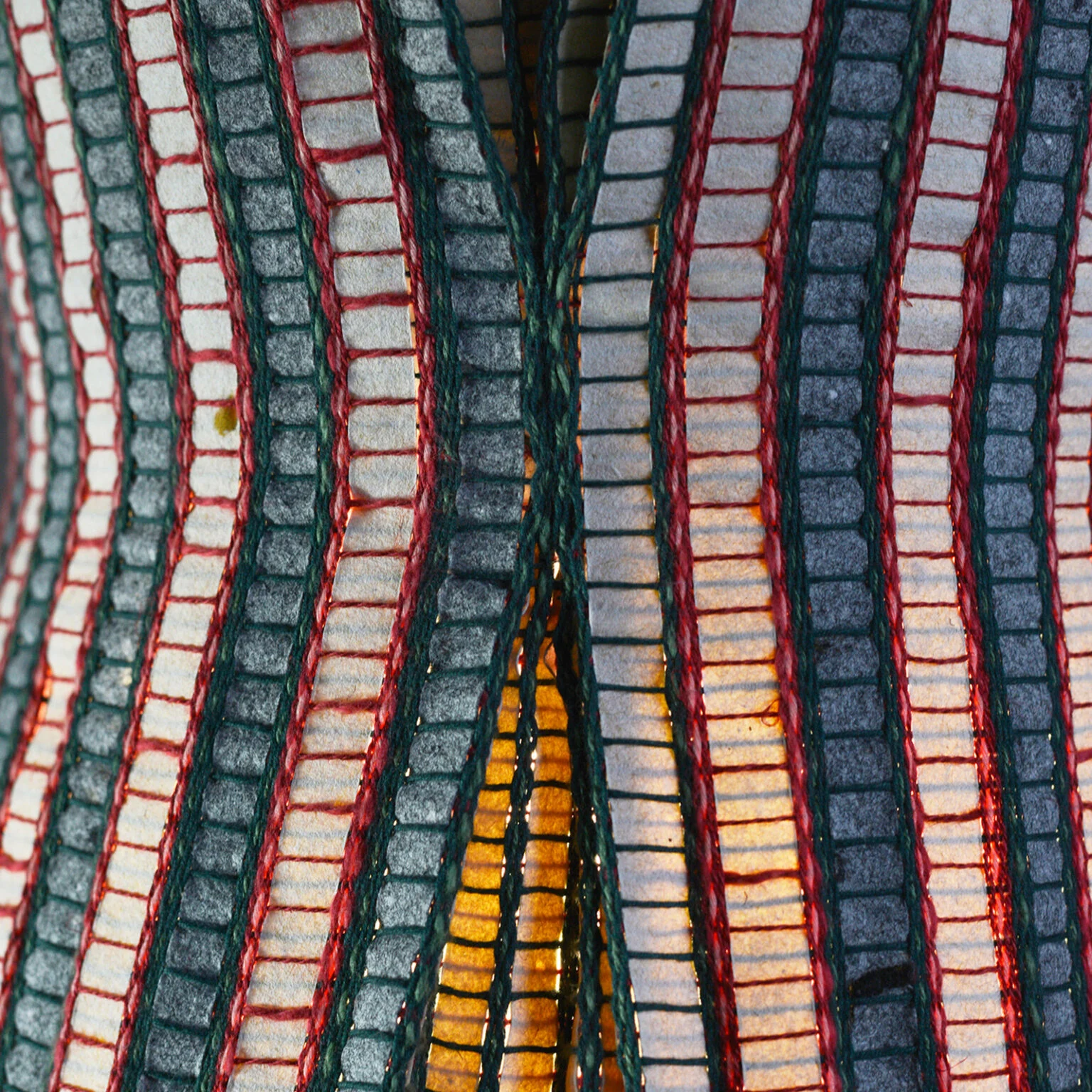
Working with local artisans, Arudeko weaves leftover wool on traditional pedal looms. Strips of recycled paper made by local papermakers are then incorporated using cotton threads.
The resulting fabric is flexible and translucent, allowing light to reveal colors hidden within the material.
“Through exploring the material’s qualities, we discovered its potential, particularly the way light revealed colours that had been hidden within the paper, almost like a secret waiting to be uncovered,” Arudeko co-founder Denisse Arnaiz told Dezeen.
This discovery inspired the studio to experiment with lighting. Bianni can also be transformed into decorative headboards, partitions and wall hangings.
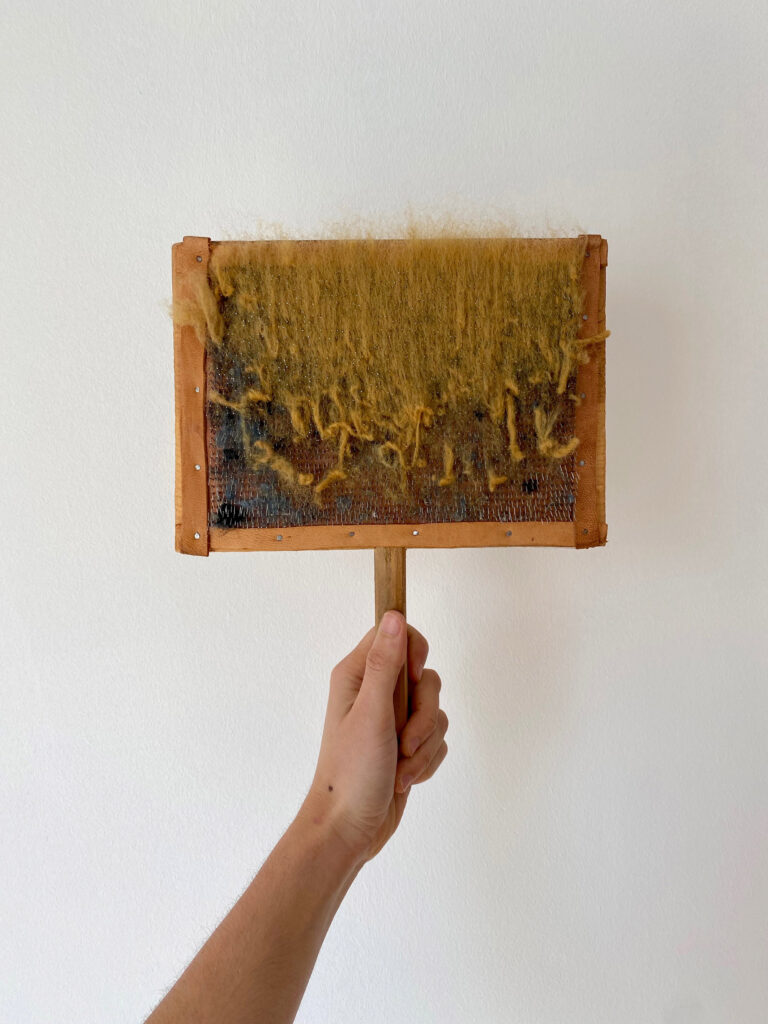

Arnaiz says the material contains no added synthetic binders. Wool’s naturally flame-resistant properties offer another advantage, although finished products still require appropriate safety testing.
Supporting Oaxaca’s weaving communities
Founded by sisters Denisse and Nailea Arnaiz in 2016, Arudeko collaborates with local craftspeople to connect ancestral techniques with contemporary interior design.
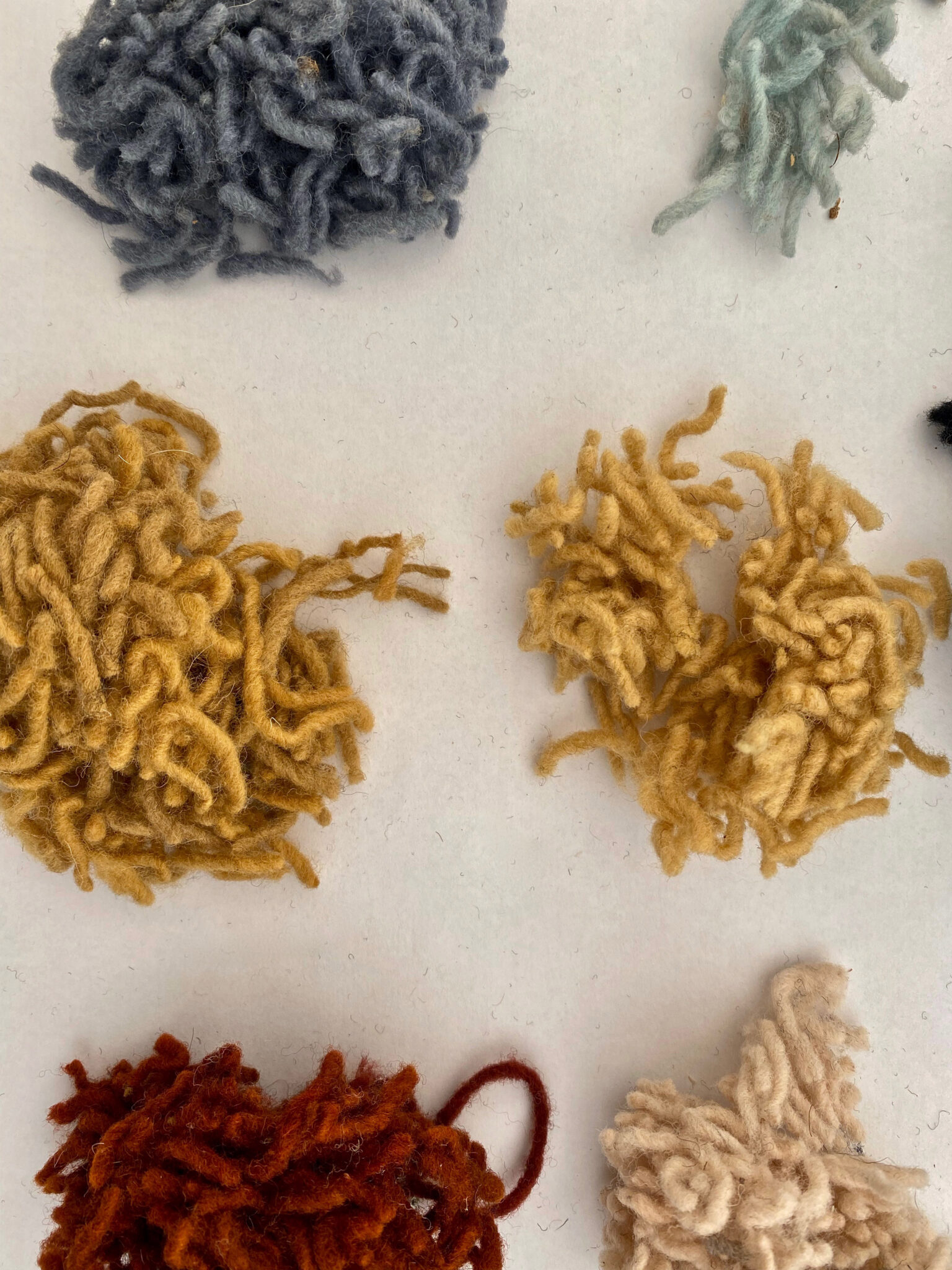
“Bianni was born from the idea of giving new life to the leftover wool from our rug and cushion production in Oaxaca,” Arnaiz told Dezeen. “This wool carries within it the knowledge of the artisans who work with it, as well as the colours of the earth embedded in its fibres.”
The studio aims to minimize water use and transportation by keeping production local, although independently verified environmental savings have not been published.
Bianni offers a compelling alternative to the mass-produced materials dominating contemporary interiors. It also illustrates how traditional craftsmanship can become part of a circular economy.
Sometimes the next breakthrough in sustainable design doesn’t come from a laboratory. It comes from an artisan looking at a pile of discarded wool and imagining what else it could become.