When we talk about waste in the food system, we tend to picture bruised vegetables thrown behind supermarkets, oversized portions scraped into restaurant bins, or fruit rotting before it reaches market. We think about solutions to use this food before it becomes waste, as dried something or in preserves or frozen.
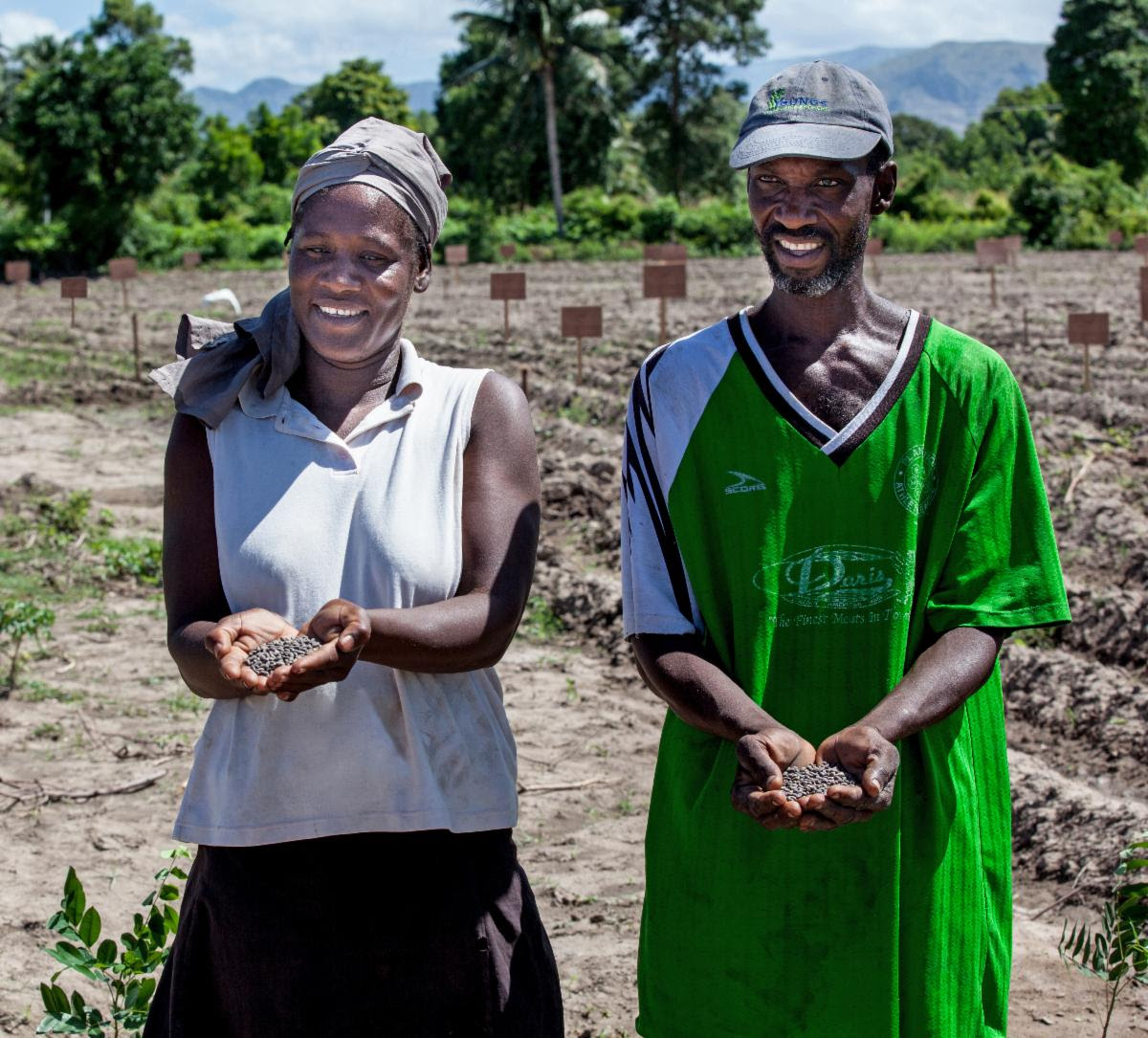
But there is another kind of waste that is harder to see: the enormous productive capacity of farmers who already know how to grow food, but who lack access to financing, markets, training, seeds, research and practical agricultural support. There are roughly 475 million smallholder farms across the Global South, generally farming less than two hectares, or about five acres. Collectively, they already produce an estimated 30 percent of the world’s food. Yet they remain among the least supported producers in global agriculture. You can find farmers like this all over the world. Most farms are not giant and conventional.
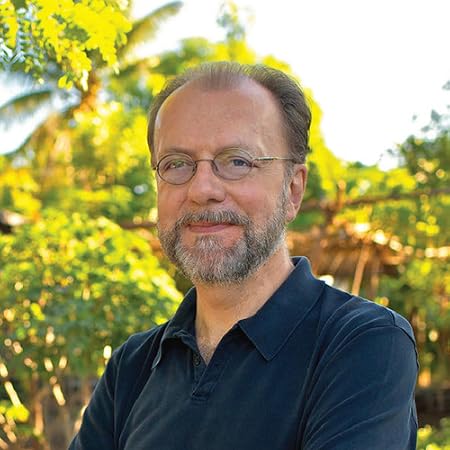
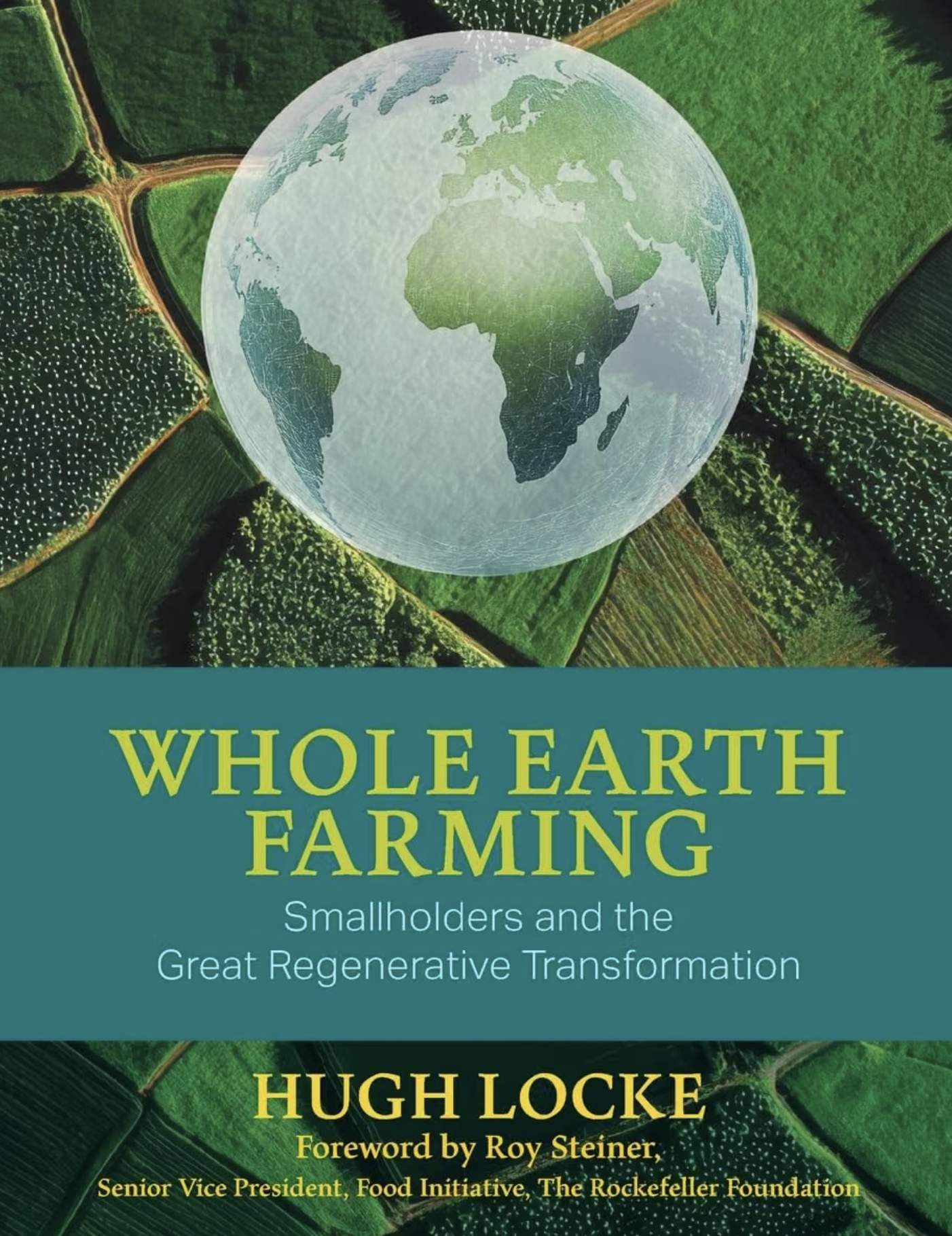
That mismatch is at the centre of a new book, Whole Earth Farming: Smallholders and the Great Regenerative Transformation, by development expert Hugh Locke.
Locke co-founded the Smallholder Farmers Alliance in Haiti. The organization famously developed a self-financing “tree currency” model. Under this system, smallholder farmers plant millions of trees to earn credits, which they then exchange for high-quality seeds, tools, training, and micro-loans. A win-win.
Locke now makes a remarkable argument: help roughly half of those smallholder farming families, about 240 million farms, transition toward regenerative agriculture and agroforestry, and they could produce the additional food needed to feed the world’s growing population through 2050 while restoring soils, biodiversity and rural economies rather than degrading them. Those farms would occupy only about 12 percent of the world’s arable land. We could see forests return to Africa and jungles protected.
That is an important distinction. Locke is not saying 240 million farmers could suddenly feed the entire planet. He is saying they could potentially meet the additional food demand created as the global population grows by roughly 1.5 billion people over the next quarter-century.
“The world’s smallholder farmers are too often treated as beneficiaries of development assistance when they should be recognized as architects of the next agricultural transformation,” Locke says.
Much of Locke’s argument comes from his work in Haiti, where he co-founded the Smallholder Farmers Alliance with Haitian agronomist Timote Georges in 2010.
The alliance now works with about 10,000 farmers. According to the book, based on his life experience, when participating farmers receive basic agricultural support built around sustainable methods, yields increase by an average of about 40 percent, while household incomes rise by between 50 and 100 percent depending on local conditions. Members also plant about one million trees every year.
One particularly interesting system developed in Haiti is what the alliance calls “tree currency.” Farmers plant and care for trees in exchange for services, agricultural training, seeds and other inputs. Rather than treating environmental restoration as a charitable side project, the model ties it directly to farm productivity.
“This is not about nostalgia or returning agriculture to the past,” Locke says. “It is about recognizing where one of the greatest opportunities for the future now exists.”
Whole Earth Farming works well as a primer because regenerative agriculture is a term now used so loosely that it can mean almost anything. Locke’s version is less interested in whether a farmer has checked a particular box than in whether the farm is actually improving.
“The question is not simply, ‘Are you using regenerative practices?’” he says. “The more important question is, ‘Is the land, the ecosystem and the farming community measurably better as a result?’”
On the ground, that can mean:
- rotating crops rather than planting the same crop continuously;
- growing cover crops that protect and rebuild soil;
- intercropping and increasing crop diversity;
- composting and increasing soil organic matter;
- reducing tillage;
- adding trees through agroforestry;
- integrating livestock where appropriate.
The point is not that every farmer should use every technique. A regenerative farm in Haiti may look very different from one in Kenya, India, Canada or the United States. The test is the outcome: soil health, biodiversity, water availability, food production, farmer income and community resilience.
More food without stripping the soil
There is a climate argument here too. Locke estimates that if around 240 million smallholder farms adopted regenerative systems across approximately 480 million hectares, their soils and vegetation could eventually remove roughly 0.48 to 0.72 gigatons of carbon dioxide from the atmosphere annually during the years in which soil carbon is actively accumulating.
Reduced use of synthetic fertilizer could add another climate benefit, bringing the potential combined impact to about 0.6 to 0.85 gigatons of CO2 equivalent annually at mature adoption, roughly comparable with annual emissions from global aviation.
Locke is careful not to turn regenerative farming into another carbon-offset fantasy. Soil cannot absorb carbon forever, and results vary enormously depending on climate, soil and farming methods.
“Regenerative agriculture is not a license to keep emitting carbon elsewhere,” he says. “Its climate potential is important precisely because it comes alongside other benefits we urgently need anyway: healthier soil, greater biodiversity, more resilient farms, increased food production and stronger rural communities.”
That may be the most compelling part of this argument.
We spend enormous amounts of time debating whether the future of food will come from bigger farms, genetically engineered crops, robots, vertical farms or increasingly consolidated agricultural companies. Some of those technologies may have a role.
But there is also an enormous human agricultural infrastructure already in place: hundreds of millions of families who farm the land, carry local knowledge and already produce a substantial share of humanity’s food.
Locke calls the opportunity a “Great Regenerative Transformation,” drawing an intentional comparison with the Green Revolution of the 20th century. But instead of measuring success simply by tonnes of grain per hectare, he argues that agriculture should also be judged by what remains after the harvest: healthy soil, functioning water systems, biodiversity, resilient communities and farmers who can actually make a living.
The book contains 21 farming stories from 18 countries, making it a useful tool for readers who want to understand what regenerative agriculture looks like beyond corporate sustainability language and carbon accounting.
Chef and humanitarian José Andrés offers perhaps the shortest instruction in the book’s endorsements: “Read this book. Then do something.”
Whole Earth Farming: Smallholders and the Great Regenerative Transformation by Hugh Locke is published by George Ronald in September 2026.
Dive into our vast archives here on regenerative farming, where it’s being done, and how.