
5 ways inflation helps the planet

Inflation often sounds like a bad thing, making young people worried that the future looks bleak as travel, food and restaurants become more expensive. But inflation can help individuals make more eco-friendly choices in various ways:

Solar Panels: Rising energy costs due to inflation can motivate people to invest in solar panels for their homes. With inflation driving up electricity bills, harnessing solar energy becomes a cost-effective and environmentally friendly alternative. Plus, it reduces reliance on fossil fuels, cutting down carbon emissions.

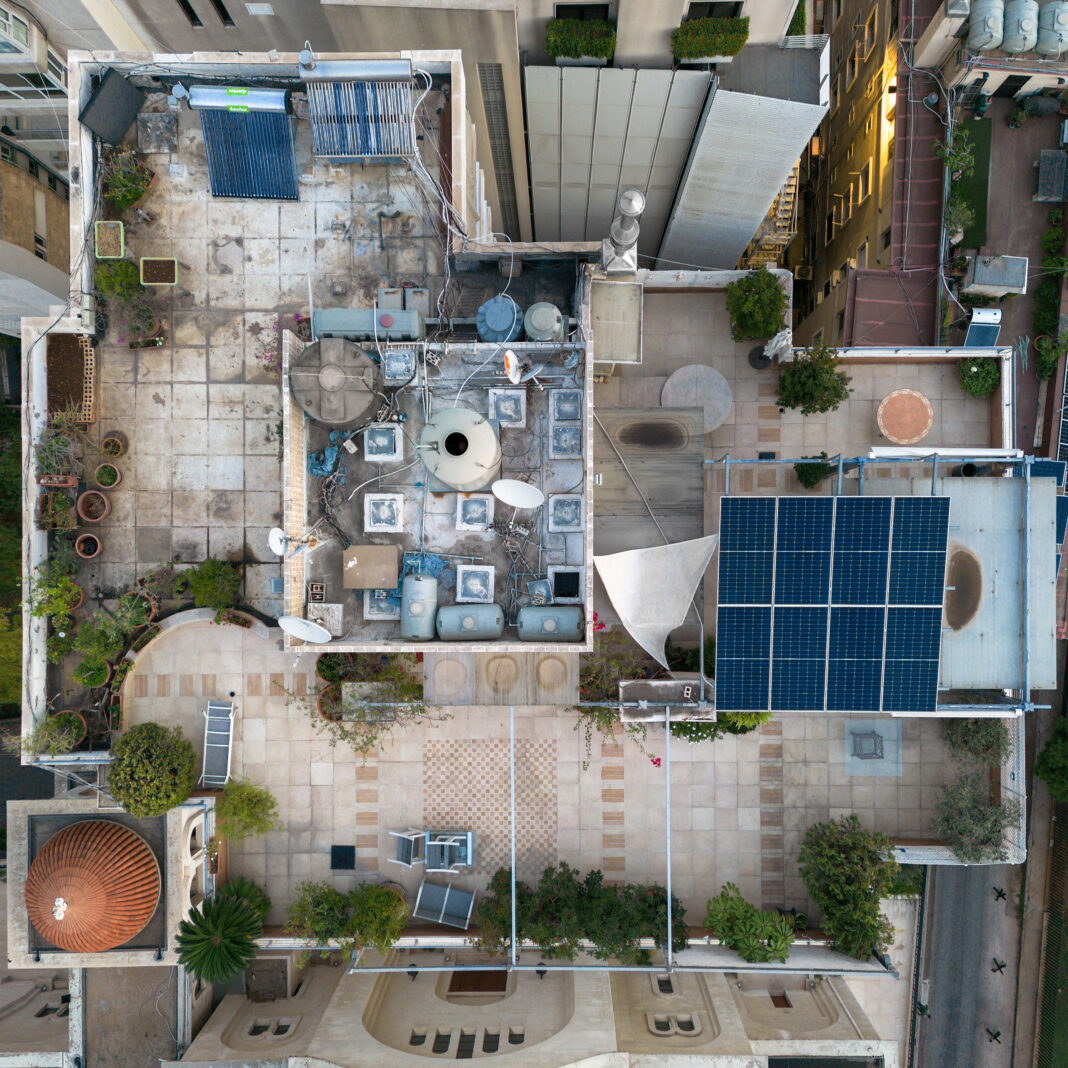
Utilities focuses on three factors which together tell the story of Beirut’s decline. The first is the huge increase in use of solar panels to supplement the city’s scarce power supply; the second is the rooftop water tanks, which are topped up by private companies when mainline provisions are down; and the third is the metal structures which now encase ATMs and protect the facades of high-street banks. The liquidity crisis and devaluation of the Lebanese lira have led to state restrictions on bank opening hours and cash withdrawals; the result is an increase in armed robberies and hostage situations carried out not just by organised criminals, but by ordinary people needing to access their money.
There is no regular power in Lebanon. People have turned to solar power.

Cooking at Home: As dining out becomes more expensive due to inflation, people may opt to cook at home more often. This not only saves money but also reduces the carbon footprint associated with the production and transportation of restaurant meals. By using locally sourced ingredients, individuals further contribute to sustainability by supporting local farmers and reducing emissions from food transportation.

eggplant baked with ground lamb

Growing a Garden: Inflation-driven price hikes on fresh produce can inspire individuals to grow their own fruits and vegetables. Cultivating a garden at home not only provides access to organic, locally sourced produce but also reduces the need for grocery store trips, cutting down on transportation emissions. Additionally, composting kitchen scraps can further minimize waste and contribute to soil health.
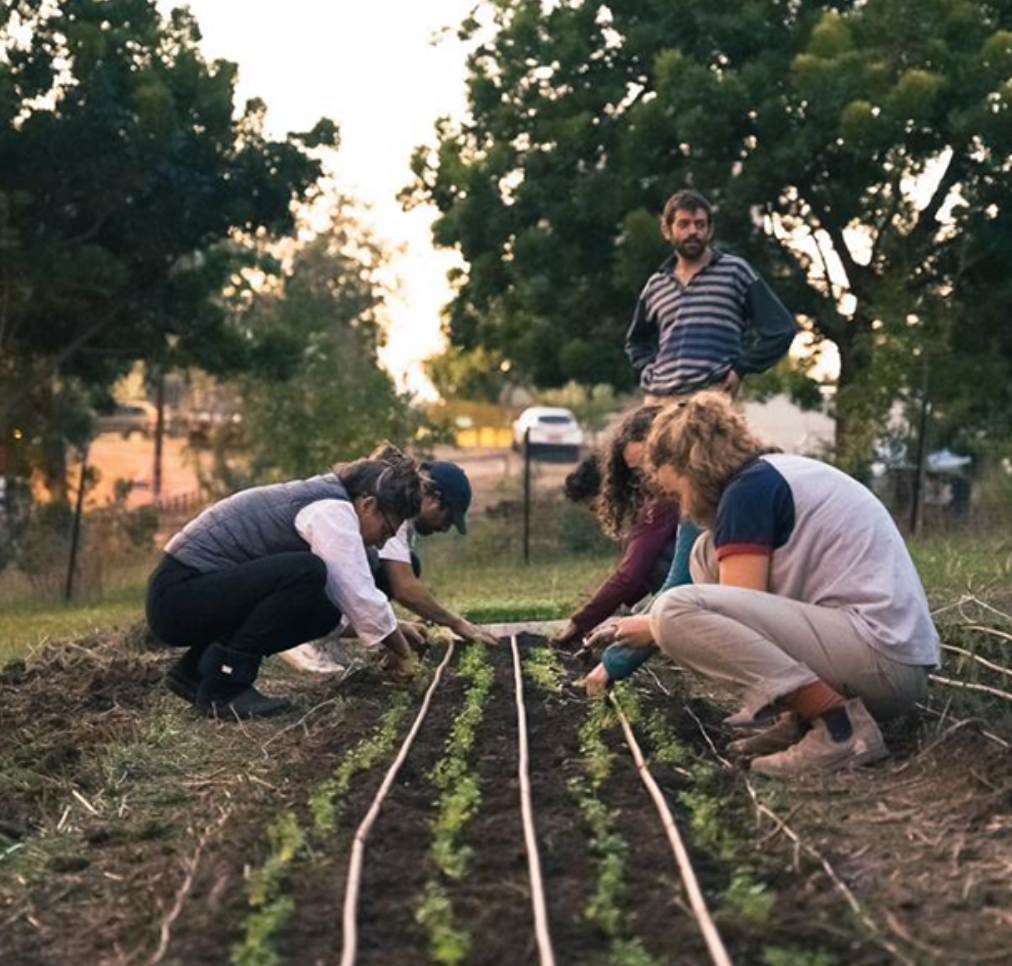
Tel Chubez, a garden share in south Tel Aviv. Residents create coupons for contributing to the garden is areas such as composting and can redeem them for fresh food.

Tiny Homes: Escalating housing costs due to inflation can prompt people to consider downsizing to tiny homes or opting for more sustainable housing alternatives. Tiny homes require fewer resources to build and maintain, leading to reduced energy consumption and lower carbon emissions. Moreover, their smaller footprint encourages minimalist living and less material consumption.

Tiny home
A tiny home in nature

Spending Less: Inflation often leads to tighter budgets, prompting individuals to adopt more frugal lifestyles. This can translate into conscious consumption habits, such as buying fewer disposable products and investing in higher-quality, longer-lasting items. By reducing overall consumption, people lessen their environmental impact by generating less waste and consuming fewer resources.

Sustainable flooring guide
Buy things that last. Reupholster furniture.

Inflation can indirectly promote eco-friendly behavior by encouraging individuals to seek alternative, sustainable solutions to mitigate rising costs. From harnessing renewable energy to embracing self-sufficiency through gardening and minimalism, economic pressures can spur environmentally conscious choices that benefit both individuals and the planet.

Read More

TRENDING

HelloFresh’s pride prepping ad raises a bigger question: we are we still outsourcing dinner?

The backlash against HelloFresh's Pride Month marketing campaign has sparked a wider conversation about food, labor, sustainability, and whether consumers should reconnect with local farmers, butchers, and home gardens instead of relying on subscription meal kits.

Regenerative Wool or Greenwashing? Zentera Responds to Critics

Zentera responds to questions about ZQ wool, animal welfare, regenerative farming, ethical fashion and the fallout from PETA's New Zealand investigation.

The Ocean’s Hidden ‘Dark Web’ Is Being Fished Before Scientists Understand It

Deep below the ocean's surface, in a dimly lit region known as the twilight zone, millions of fish are being caught every year. Scientists say the consequences are largely unknown.

Barnacle glue could fix coral reefs, inspire new advances in building and medicine

Aalto University researchers create a protein-based adhesive inspired by barnacles and mussels that works underwater and could aid coral reef restoration.

Jaakko Torvinen finds that the next green building revolution is misfit trees

Crooked, forked and curved trees are often treated as second-class timber. They are considered less valuable, and not suitable for load bearing walls or support systems in building. If a tree trunk is not straight enough to become a saw log, it is frequently diverted into pulp production or burned for energy. Now, new research from Aalto University could help change that.

Locals From Rishon Fight IKEA

Big Box stores are a pretty new concept in Israel, and thank God that not every Israeli city wants them in their backyard. A word from someone who has see the beautiful farmland around her hometown Newmarket, Ontario stripped and converted into vulgar strip malls of big box shops: they have no place in a healthy and sustainable town or city.

The Jewish National Fund Meets An Inconvenient Truth

According to the JNF, it has transformed thousands of acres of barren land into green forests in Israel. They state that each person emits about 23 tons of carbon per year, estimating that each tree planted can absorb one ton of carbon in its lifetime. That's a whole lot of trees you'd need to be planting. Could so many fit in Israel?

How to quiet noise from construction in your office

Streets need to be resurfaced in New York but the humming and grinding noise is unsettling. Noise is environmental pollution. 

EarthX and a blueprint for sustainable investing

Trammell S. Crow, a Dallas-based businessman and father of four, is focusing his efforts on impact investing, and media that focuses on saving the planet through EarthX.

Mining Afghanistan’s Mineral Discoveries Similar to Avatar

Now that American forces in Afghanistan are commemorating the longest period of any war that America has been involved in, including the 1965-73 Vietnam War, the recent discoveries of large and extremely valuable mineral and metal deposits may finally bring to light a reason to continue the presence of US fighting forces in this war torn and backward country.

From Pilot Plant to Global Stage: How Aduro Clean Technologies’ 2026 Expansion Signals a Turning Point for Chemical Recycling Investors Like Yazan Al Homsi

The company's Next Generation Process (NGP) Pilot Plant in London, Ontario, has officially moved into initial operating campaigns, generating the kind of structured, repeatable data that separates laboratory promise from commercial viability.

Nobul’s Regan McGee on Shareholder Value: “Complacency Is the Silent Killer” 

Why the governance framework designed to protect shareholders so...

Should You Invest in the Private Market?

startustartup Unlike public stock exchanges, which offer daily trading, strict...

Popular Categories