
Earth. Energy. Everything next.

SpaceX caught its rocket. Amazon lost 40 satellites. The future is reusable technology

Elon Musk’s Starship breakthrough was the sustainability story of the week, offering a glimpse of a future where expensive machines are designed to return rather than be thrown away.

The biggest technology story of the week wasn’t artificial intelligence or electric cars. It was Elon Musk’s SpaceX bringing a spacecraft back from orbit and catching it with giant mechanical arms. The achievement could fundamentally change how we build, use and reuse some of the world’s most expensive technology.
SpaceX shows how they can use rockets
SpaceX shows how they can use rockets – a win for the environment. Peacetech?

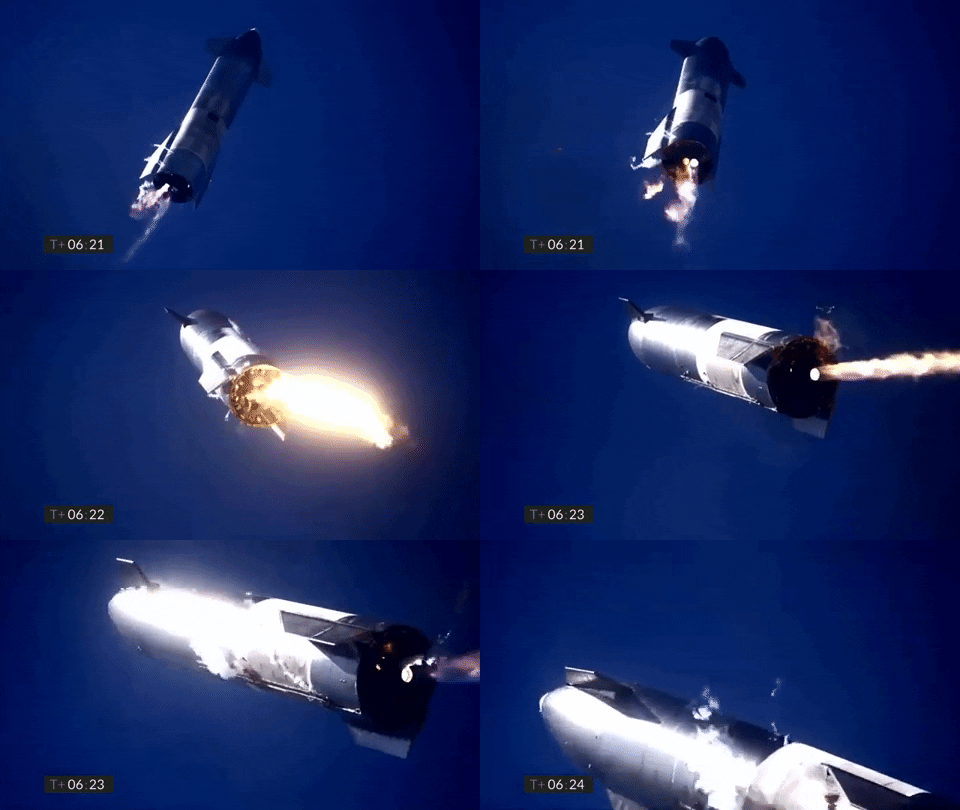
On November 14, 2026, SpaceX’s Starship upper stage returned to Texas after approximately 22 hours in space and 14 orbits around Earth. Its Super Heavy booster was lost during the mission, so full reusability remains a goal rather than a reality. But catching a spacecraft returning from orbit was an extraordinary engineering milestone.

Yet one day later, the space industry received a painful reminder of what happens when rockets fail. On November 15, a Vulcan rocket operated by United Launch Alliance, the Boeing-Lockheed Martin joint venture, malfunctioned during a mission carrying 40 Amazon Leo internet satellites. The rocket failed to reach orbit, destroying its valuable payload. Amazon had previously launched 396 satellites for its planned broadband network, which is authorized to deploy 3,232 satellites.

The contrast was remarkable. SpaceX was demonstrating how to recover spacecraft while Amazon was losing an entire shipment of satellites, along with the rocket carrying them.

The extraordinary waste of disposable rockets
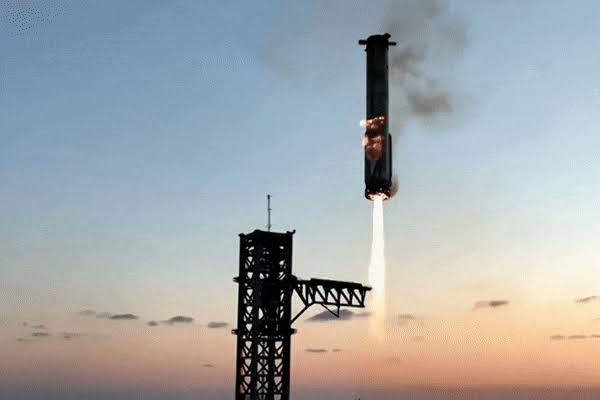
Reusable rockets by SpaceX

Think about what goes into manufacturing a rocket. Steel and aluminum must be produced, engines precision-machined, electronics assembled and sophisticated systems tested. The industrial energy embedded in these materials and components is enormous, although precise manufacturing-energy figures for Starship are not publicly available.

Then comes the fuel. A rocket consumes hundreds or thousands of metric tons of propellant depending on its size. Conventional launch systems also discard expensive hardware after a single flight, losing much of the energy and materials invested in manufacturing it. SpaceX’s Falcon 9 has already proven that rocket boosters can be recovered and flown repeatedly.

Starship is attempting something considerably more ambitious: making both major stages reusable. There is an environmental catch. Rocket emissions, atmospheric pollution and the environmental consequences of increasingly frequent launches remain serious questions. Reusing a rocket does not make space travel carbon-neutral, but it can reduce the demand for manufacturing replacement hardware.

What if everything expensive came back? Consider aviation. Imagine if Boeing built a passenger aircraft, flew it across the Atlantic and then discarded it in the ocean. Nobody would consider that a reasonable business model. Yet for decades, space exploration largely operated under similar assumptions.

Reusable rockets could eventually reduce the cost of scientific missions, climate-monitoring satellites and planetary exploration. They might also inspire new approaches to high-speed transport, although routine rocket-based passenger travel remains far from proven. For Green Prophet, the bigger story is about the circular economy.

Why are we still designing electronics, industrial equipment, construction materials and even everyday products to be used briefly and discarded? What would change if engineers treated recovery, repair and repeated use as essential design requirements? (Just look at the simpler solution posed by Reqa – re-using medical equipment into bags).

A train of Starlink satellites

SpaceX hasn’t solved the environmental costs of spaceflight. It’s truly enormous. And all the space junk they are creating, including Elon Musk’s Roadster driving away in space until the ends of time… But Elon Musk’s latest achievement has demonstrated something powerful: the future of engineering is reusable. Especially when we get to Mars. Engineers will need to know how to repurpose everything into something useful.

Karin Kloosterman
Karin Kloostermanhttp://www.greenprophet.com
Karin Kloosterman is an award-winning journalist, innovation strategist, and founder of Green Prophet, one of the Middle East’s pioneering sustainability platforms. She has ranked in the Top 10 of Verizon innovation competitions, participated in NASA-linked challenges, and spoken worldwide on climate, food security, and future resilience. With an IoT technology patent, features in Canada’s National Post, and leadership inside teams building next-generation agricultural and planetary systems — including Mars-farming concepts — Karin operates at the intersection of storytelling, science, and systems change. She doesn’t report on the future – she helps design it. Reach out directly to [email protected]

Read More

TRENDING

NASA scientist spends 378 days on “Mars” growing food. What can Earth learn?

NASA scientist Matthew Montgomery spent 378 days inside a simulated Mars habitat growing vegetables with hydroponics. What can farming on Mars teach us about conserving water, saving energy and protecting Earth?

PeaceTech is the next CleanTech. And we’ve been building it for decades.

From the forests of Ontario to sea turtle conservation in Lebanon and water cooperation across the Middle East, Green Prophet founder Karin Kloosterman argues that CleanTech, EnviroTech and AgTech are already building the foundations of PeaceTech.

Elon Musk’s flying Tesla Roadster is here. My 13-year-old son thinks it’s the future

My 13-year-old son told me about Elon Musk's flying Tesla Roadster while we were hiking. Could flying electric cars transform our cities, reduce roads and make more room for trees?

Why Elon Musk giving every American child a SpaceX share is a beautiful, green idea

Elon Musk's plan to give every American child a SpaceX share could inspire a new generation to explore space, understand investing and imagine a more sustainable future.

Alien chemistry crashed through a roof in New Jersey

meteorite crashed through a New Jersey roof carrying ancient salts, organic compounds and amino acids. After a few too many visits to Ontario’s Crystal Cave — and my own mysterious fireball in the forest — I have questions about the alien chemistry falling around us.

Why Bronwyn Finnegan Chose the Nonprofit Sector Over Politics or Corporate Life

Bronwyn Finnegan could have pursued a career in politics or corporate leadership. Instead, she chose the nonprofit sector, where she focuses on financial sustainability, governance and helping mission-driven organizations build the capacity to survive and grow.

Scientists make lead-free perovskite solar cells that can weather the elements

Scientists have developed a “raincoat” for lead-free tin perovskite solar cells, helping them withstand air, moisture and heat while maintaining high efficiency.

The Essential Guide To Sustainability in Project Management

Sustainability is an approach where businesses and individuals balance the environmental, social, and economic aspects of a project such that current and future stakeholders are not overburdened with the impacts of the project in future.

Yerukim Forms a New Green Economy Where the Money is Really Green

The Yerukim members who pick up the recyclables get to keep the monetary reward, the public earns "green" bills that can be used in shops, and business owners get to be associated with environmentalism.

Choosing Riyadh over Dubai? What Investors Should Know

Saudi Arabia is deploying capital at unmatched scale to catalyze tourism and advanced industry while rewiring its power-and-water backbone. The investable frontier is widening—especially in renewables, grid storage, water efficiency/desal retrofits, and hospitality operating platforms. Prudent investors will insist on phased delivery, enforceable KPIs (energy, water, biodiversity), and RHQ/zone compliance—while pricing political-economy and reputational risks alongside growth upside.

Sell your cooking oil for biodiesel money

Want to make money on old french fry oil? Sell it.

Qatar Alternative Energy Summit Pairs Investors And Innovators

Alternative energy investors and innovators can meet n' greet in Doha, Qatar March 16 and 17.

Here’s How To Implement The Four Pillars Of Employee Engagement

If you throw a party for your work team and they are vegans, don't make it a barbecue. Know the sustainability values of your team to boost moral and retain good people.

Popular Categories