
“Ground Control to Major Tom” feels almost too obvious a way into a story about an Israeli-American company called Stardust. But the name fits.
Stardust Solutions is developing technology that sounds somewhere between David Bowie and a volcanic eruption: put microscopic reflective particles high into the atmosphere so that less sunlight reaches Earth.
Founded in March 2023, Stardust has now raised $75 million, including a $60 million round led by Chris Sacca’s Lowercarbon Capital. Other investors include Exor, the Agnelli family’s investment company and major shareholder in Ferrari, along with Future Ventures, Future Positive, Lauder Partners, Attestor, Kindred Capital and former Facebook executive Matt Cohler.
That is serious money for an industry that doesn’t quite exist yet. We wrote about geoengineering the planet away from climate change in the past. Companies like Make Sunsets seemed more like an activist project launched by counter-culture than engineers than something that would actually work. The idea is to add particles of dust, like that from a volcanic eruption, into the air, blocking out the sun and rejigging the effects of climate change.
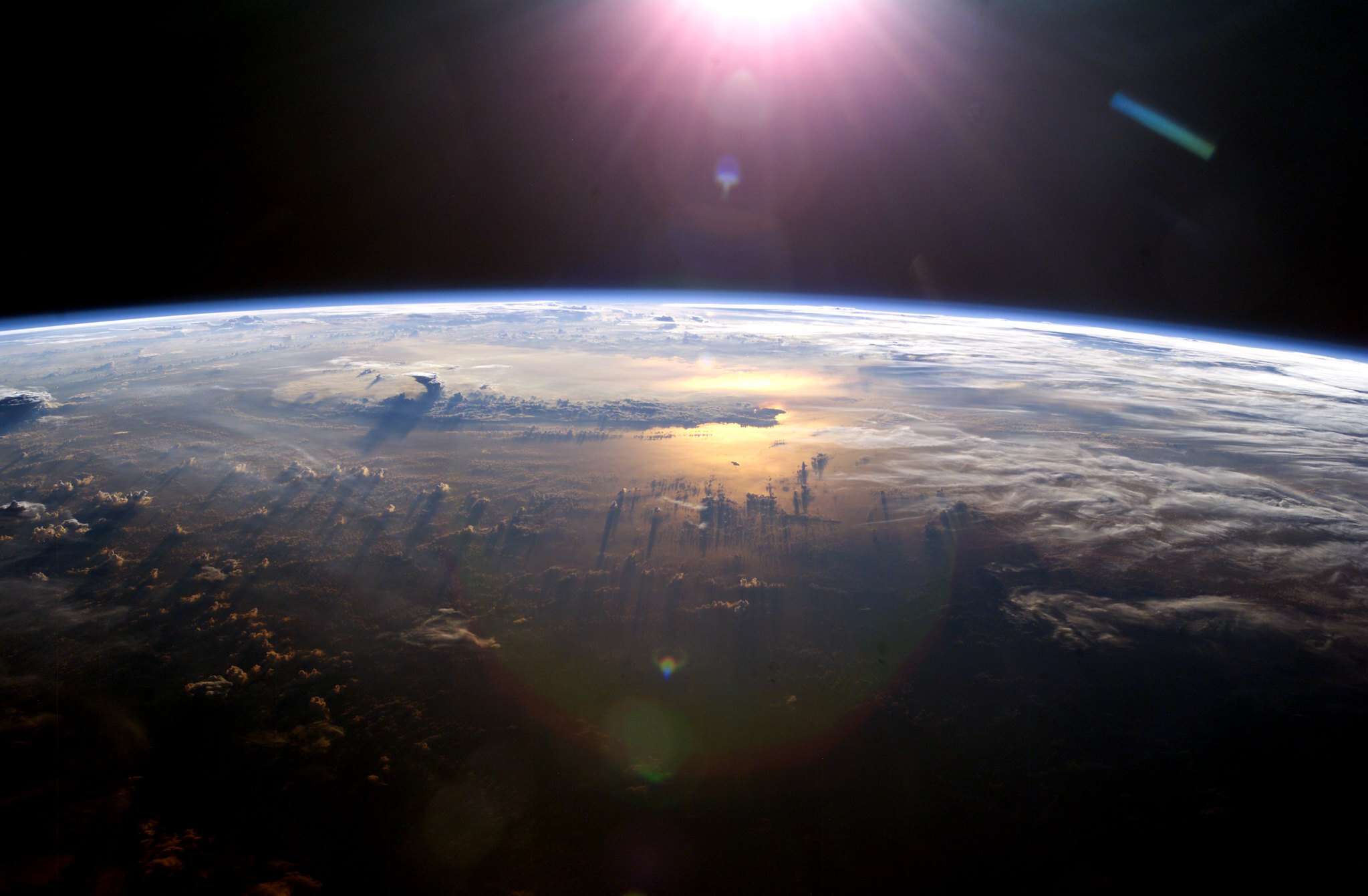
The science behind Stardust isn’t Israeli and it isn’t new: Large volcanic eruptions, or dust from giant meteor explosions, can temporarily cool Earth when sulfur compounds reach the stratosphere and form aerosols that reflect sunlight. Scientists have discussed deliberately reproducing this effect for decades. It is called stratospheric aerosol injection, part of the broader and highly controversial field of solar geoengineering. Stardust’s innovation is attempting to turn the theory into an engineered system.
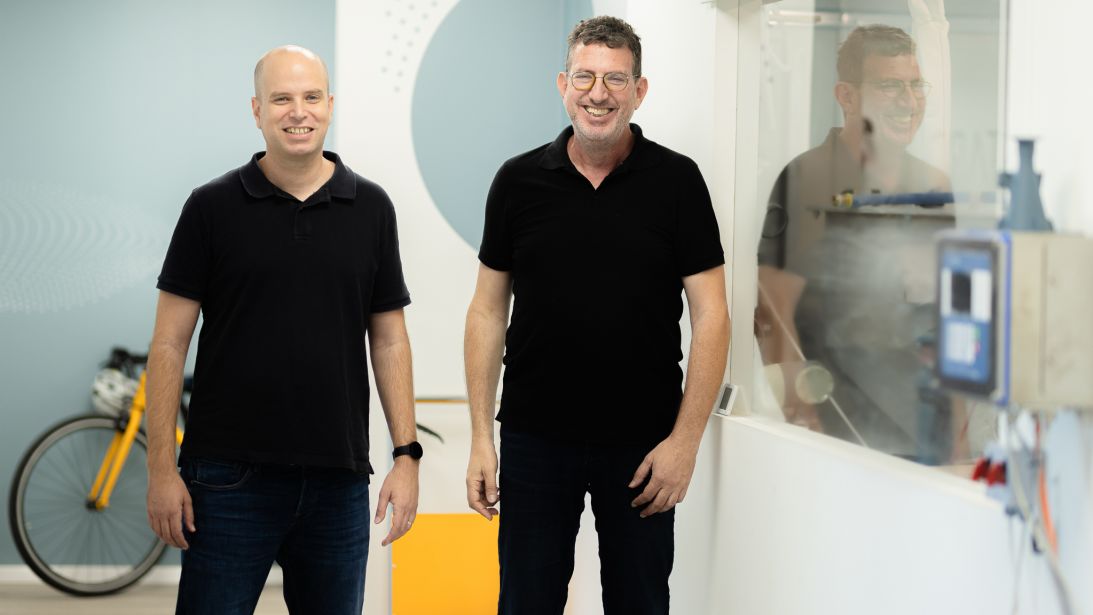
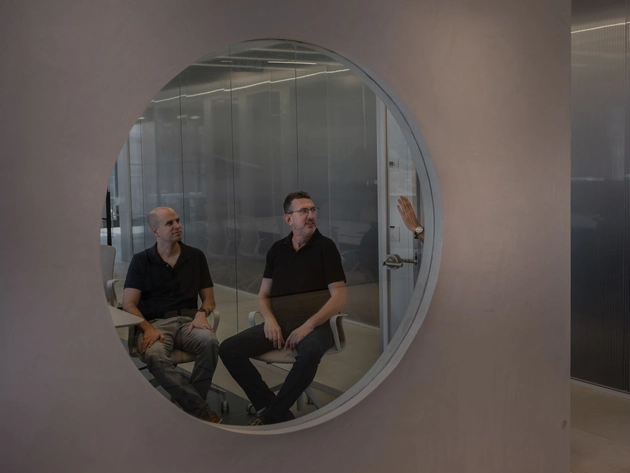
The company was founded by Israeli physicists Yanai Yedvab, Amyad Spector and Eli Waxman. Yedvab and Spector previously worked as nuclear physicists for the Israeli government. Stardust is registered in Delaware and headquartered outside Tel Aviv, although it says it is not affiliated with the Israeli government.
Rather than simply releasing sulfur dioxide, Stardust is developing proprietary reflective particles, alongside dispersal and monitoring technology. Its ultimate business model appears to depend on governments becoming customers.
Yedvab told POLITICO that investors were backing the idea that “we need a safe and responsible and controlled option for sunlight reflection.”
In other words, Stardust isn’t just developing dust. It wants to engineer the infrastructure for cooling a planet.
We’ve seen a wilder version of this before
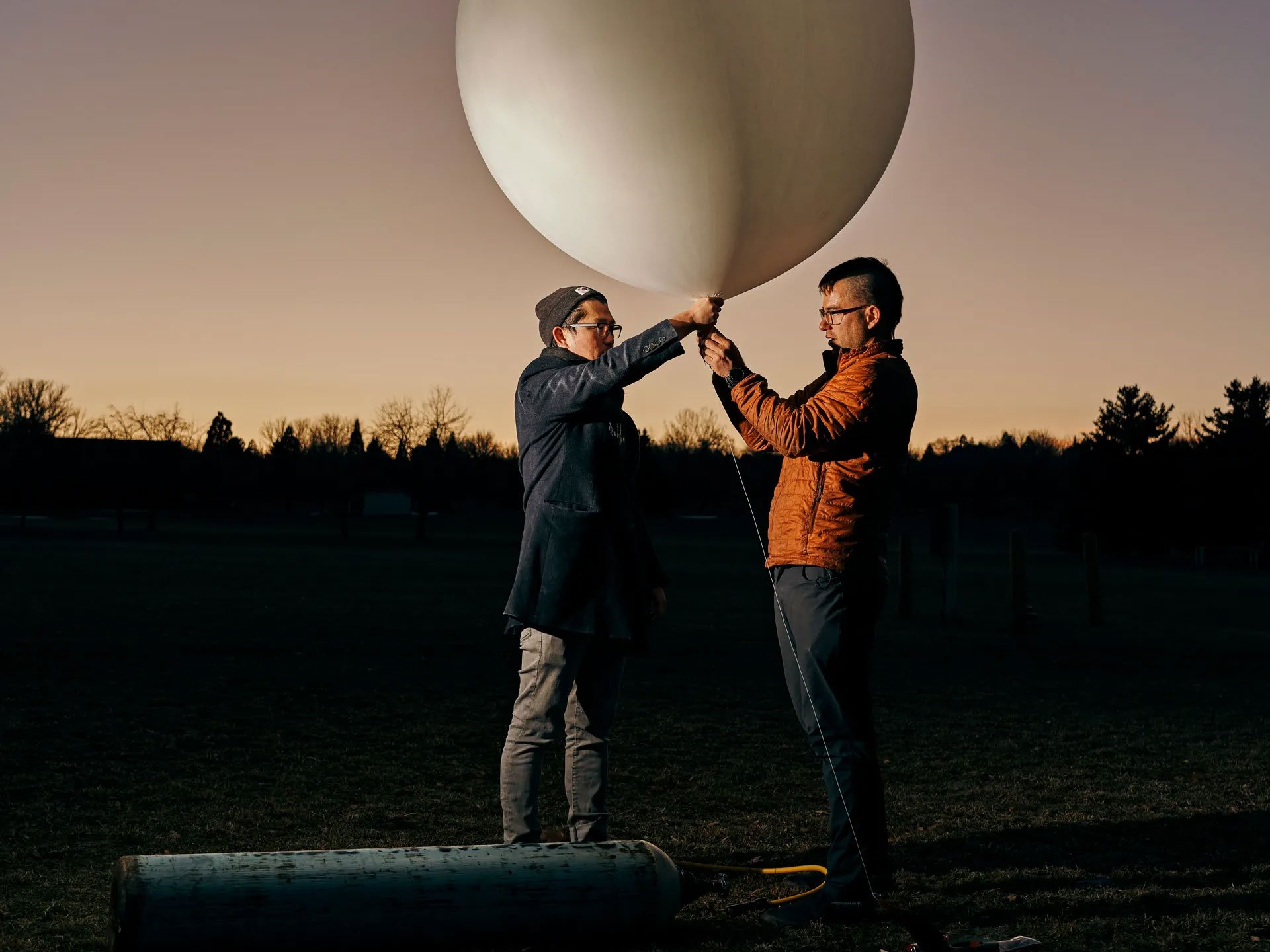
As we mentioned earlier, Green Prophet readers have been here before. In April 2025, we wrote about Make Sunsets, a small American startup sending weather balloons containing sulfur dioxide into the stratosphere and selling what it calls “Cooling Credits.”
Read: Make Sunsets is launching geo-engineered cooling credits with VC money
Two months later, we returned to the company as it continued launching balloons under the provocative slogan “Make Earth Cool Again.”
Read: Make America cool again, says Make Sunsets, a startup that’s geo-engineering the climate
Make Sunsets felt almost like climate activism crossed with a garage startup: balloons, sulfur dioxide and cooling credits sold online. Now Stardust is where that strange idea starts looking like an industry and we aren’t sure how we feel about it.
Make Sunsets releases sulfur dioxide. Stardust is engineering proprietary particles. Make Sunsets uses balloons. Stardust is working toward aircraft-based systems. Make Sunsets started launching. Stardust has raised $75 million and wants governments as customers.
Who gets to control the global thermostat?

That commercialization is exactly what alarms Stardust’s critics. The Center for International Environmental Law (CIEL) attacked the company’s plans when the $60 million financing was announced. CIEL’s Geoengineering Campaign Manager Mary Church warned that:
“Solar geoengineering is inherently unpredictable and risks further breaking an already broken climate system.”
Her most compelling question may be the simplest. Solar geoengineering, she said, raises “the central question of who gets to control the global thermostat.”
CIEL also points to the danger of termination shock. Geoengineering doesn’t remove CO2. If humanity artificially suppressed warming for decades and then abruptly stopped, temperatures could rise rapidly. And there is no global government to decide who gets to change Earth’s temperature. It’s like colonizing Mars, the Moon or our oceans.
Stardust joins many
Around the world, researchers have explored other ways of reflecting sunlight. Australia has experimented with marine cloud brightening around the Great Barrier Reef, spraying tiny seawater droplets upward in an attempt to make clouds more reflective and protect vulnerable coral.
Harvard’s proposed SCoPEx experiment would have studied how tiny quantities of particles behave in the stratosphere. After years of controversy over governance and consent, Harvard announced in 2024 that the experiment would not proceed.
The Arctic Ice Project explored spreading reflective hollow glass microspheres over Arctic sea ice to slow melting before ending the research amid environmental and deployment concerns.
Stardust belongs to an emerging industry known as solar geoengineering, more formally called Solar Radiation Modification (SRM). Unlike carbon removal companies, which try to take CO2 out of the atmosphere, SRM companies and researchers are looking for ways to reflect a small fraction of the sun’s energy back into space and cool the planet. Stardust’s particular approach is called Stratospheric Aerosol Injection (SAI), in which reflective particles are dispersed high in the atmosphere.
It is still a tiny, controversial field rather than a mature industry, but with $75 million flowing into Stardust alone, solar geoengineering is beginning to move from academic climate science into the world of venture capital and commercial technology.
And Green Prophet was discussing the basic idea long before today’s startups arrived. In our 2009 review of James Lovelock’s The Vanishing Face of Gaia, we looked at geoengineering proposals including manipulation of Earth’s albedo and the cooling observed after Mount Pinatubo’s 1991 eruption.
What separates Stardust from most of these experiments is capital and commercial intent. Solar geoengineering spent decades inside scientific papers, climate models and university departments. Make Sunsets demonstrated that entrepreneurs could simply start experimenting with it and go rogue.
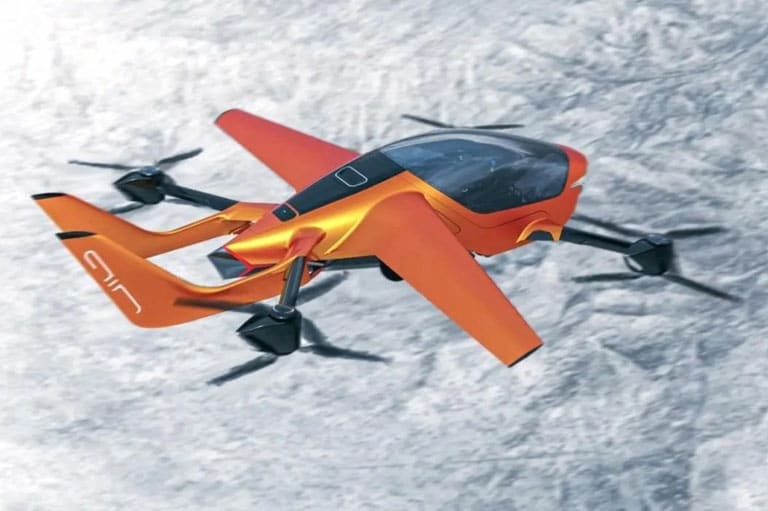
Stardust represents something different: nuclear physicists, proprietary intellectual property, aircraft technology, government lobbying and $75 million in venture capital. The company has even hired Washington lobbying firm Holland & Knight as it seeks a regulatory framework and potential US government contracts.
Its argument is that humanity may eventually need an emergency brake if emissions reductions fail to prevent dangerous warming. Its critics believe building the brake makes it more likely someone will eventually pull it. And that’s the $75 million question. We are no longer merely asking whether humans could dim the Sun. Investors are now betting that one day somebody will pay to do it.
Stardust, the company states clearly, is pursuing R&D, not deployment. “Our goal is to turn SRM from a scientific concept into a safe and practical option.” Pacific Fusion says the same. But at the same token each company will be ready and probably willing, when and if the commercial opportunities arise.