
Walk through almost any Saudi city today and one form dominates residential streets: the detached villa, sitting on its own plot, separated from its neighbors, usually surrounded by a wall and reached by car. It feels thoroughly Saudi. But much of the architectural DNA of the modern Saudi house comes from American suburbia.
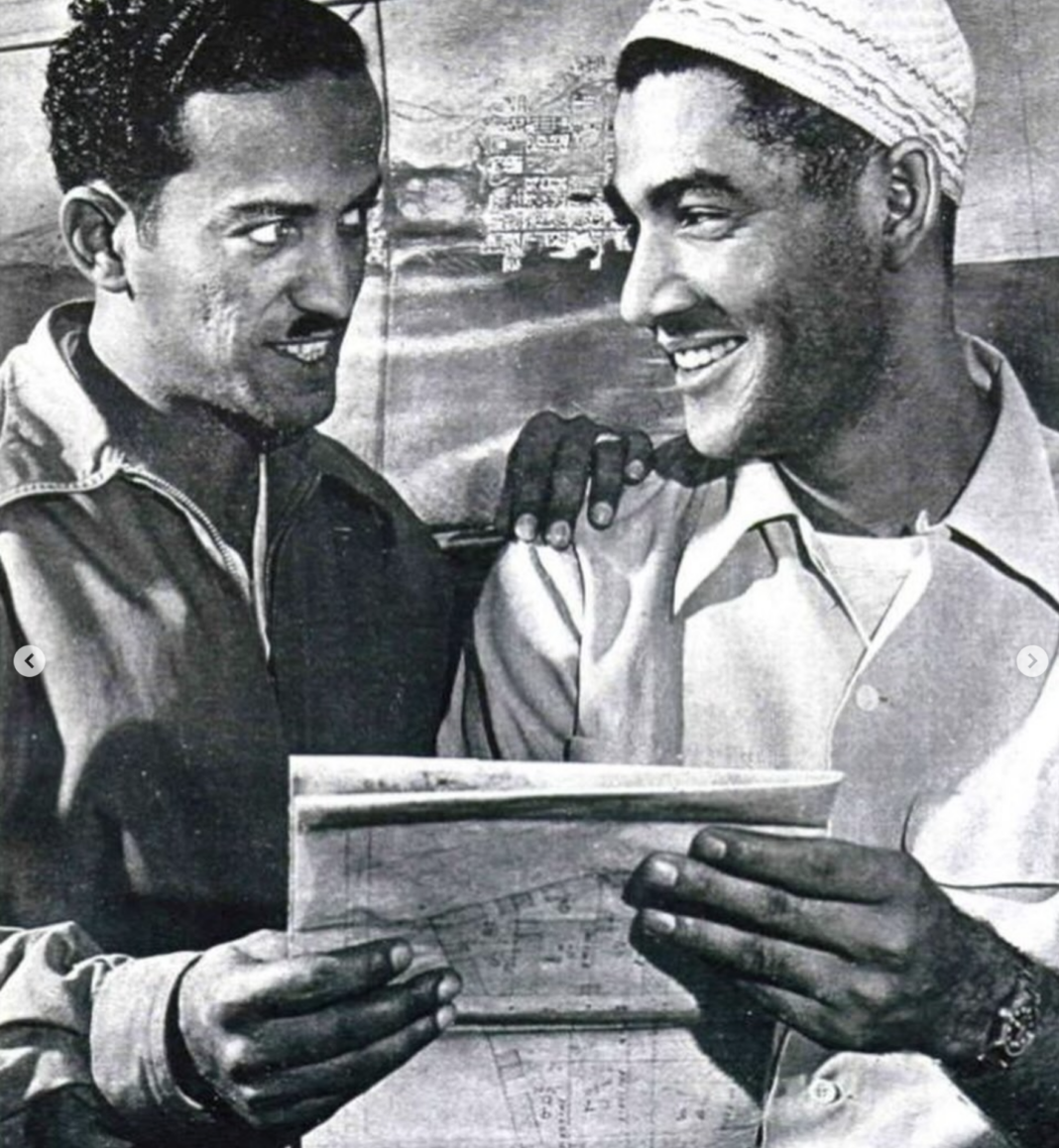
In January 1954, Saudi Arabia’s Aramco magazine Al-Qafilah published an article documenting the work of its Urban Development Department and the company’s expanding Home Ownership Program. Aramco is the national oil company of Saudi Arabia, and they had launched the program in 1951, offering Saudi employees financial help, including interest-free loans, to build or buy houses. The Saudi government, a monarchy, assisted workers in obtaining land from crown grants.
Employees could discuss their requirements with company staff, choose from prepared house plans, request changes or submit their own designs. Contractors then competed to build the houses.
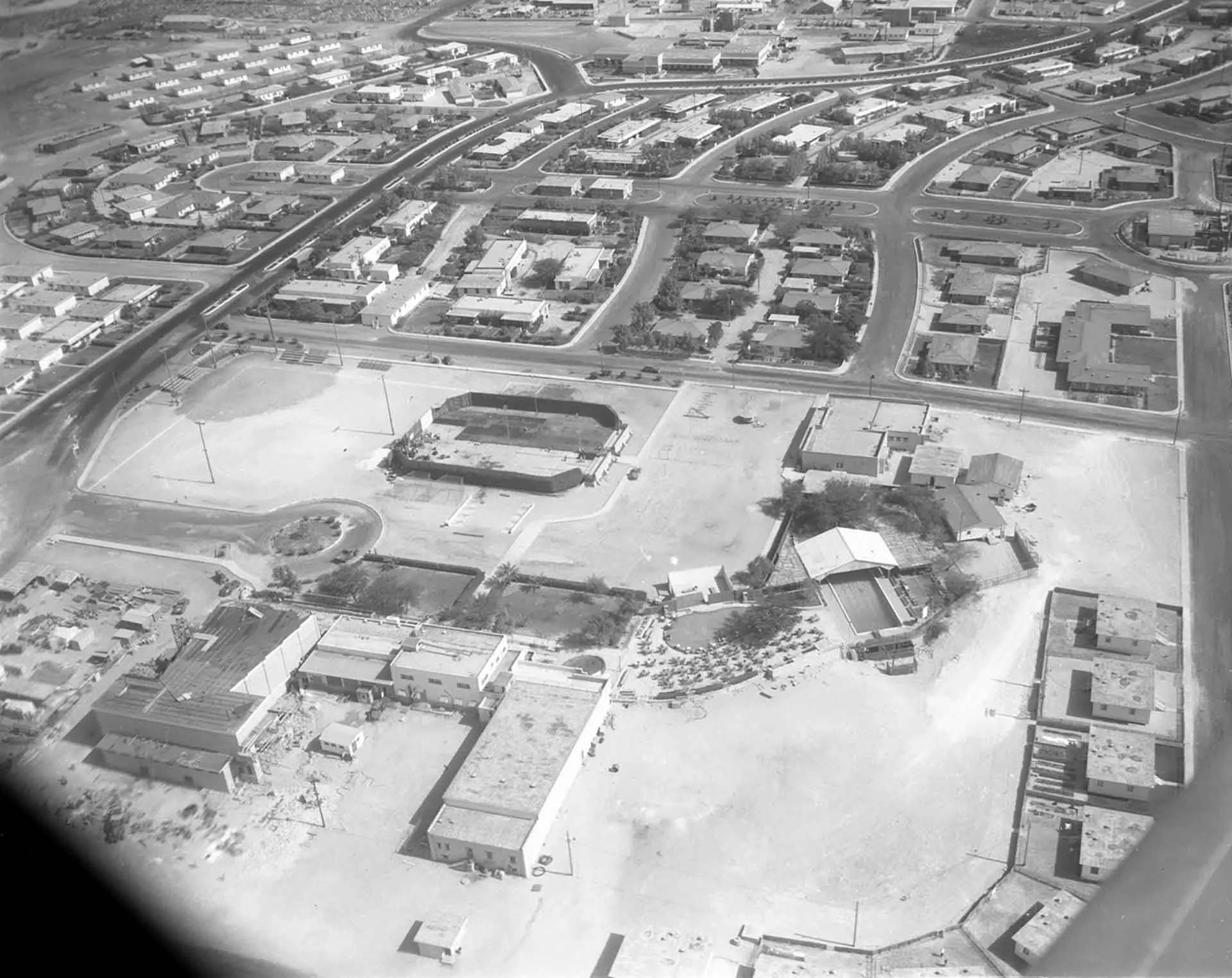
It sounds like a straightforward employee benefit. Architecturally, however, something much bigger was happening. Researchers Abdulaziz Alshabib and Sam Ridgway argue that Aramco’s housing developments, followed by the Saudi government’s Al-Malaz project in Riyadh, helped begin a dramatic displacement of Saudi vernacular architecture after the arrival of oil.
Saudi homes had traditionally developed around climate, family and privacy. Many were inward-facing, organized around courtyards, attached to neighboring buildings and designed to create shade and protect domestic life from the street. But the new model based on the American dream was different.
Aramco required houses financed through its program to satisfy company building standards. Research on the period has found that those standards were substantially imported from American suburban codes. Saudi applicants were also required to produce professional drawings at a time when there were few Saudi architects able to prepare them, increasing their reliance on Aramco’s American architects and engineers. The same rings true today where mega projects contracted by Neom are drawn up by firms in England or America.
One of the people translating Saudi homeowners’ wishes into buildings was T. Coleman, a Californian contractor working with Aramco. His sketches were developed by a Sudanese draftsman, while Donald M. Bammes served as Aramco’s head architect in the early years of the scheme.
As demand grew, individually designed houses increasingly gave way to standard plans.
In 1951, eleven houses were commissioned from five local contractors. In 1952, contractor Abdallah bin Darwish Fakroo received an order for 300, using concrete-block machinery and modern construction methods. The result was not simply a new house. It was a new way of organizing Saudi life: detached villas on individual lots, regular road systems and residential districts that increasingly resembled suburbs. The inner courtyards that offered cool afternoons disappeared.
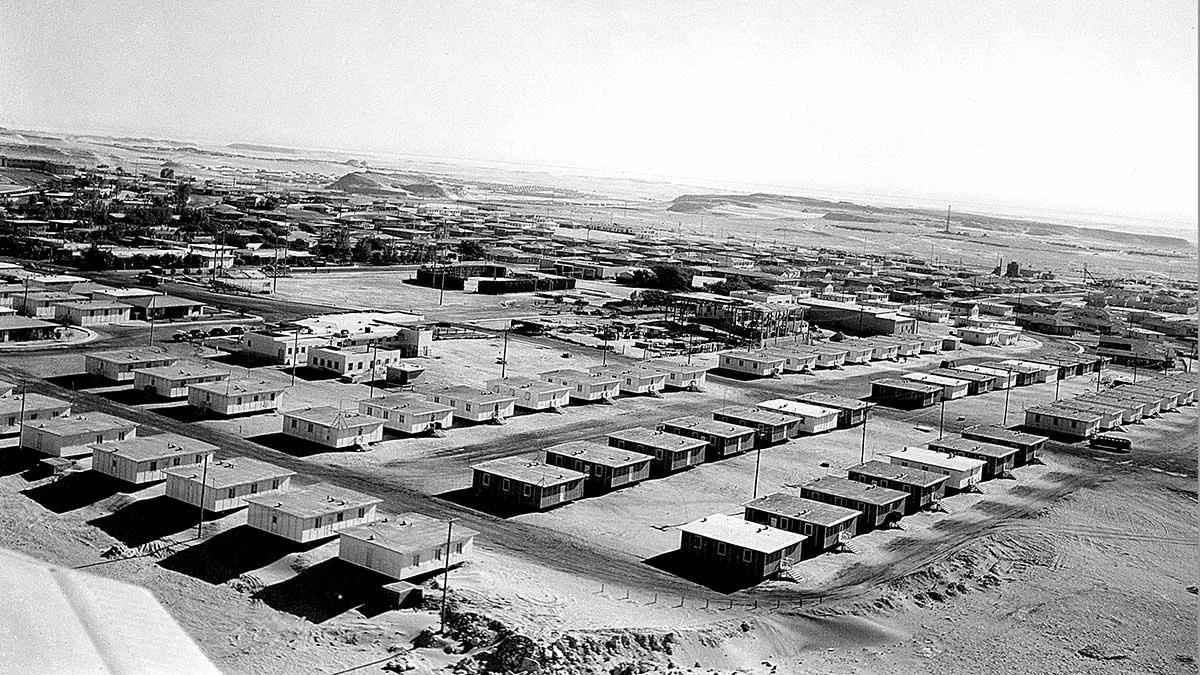
Aramco itself was remarkably explicit about the comparison. Writing about West al-Khobar in 1961, an Aramco publication called the development “Arabia Suburbia.” It described concrete and stucco homes built through company loans on land supplied through royal grants.
The model spread far beyond Aramco employees. Architectural research argues that the villa introduced through the Home Ownership Program became the dominant Saudi house type, reinforced later through planning and building regulations. Saudi families did not simply accept the imported model unchanged. Residents raised perimeter walls for privacy, altered spaces and adapted homes to local family structures and customs. The Saudi villa in the end became a hybrid: an American suburban framework modified for Saudi life.
There is an interesting Canadian link for me here. In nineteenth-century Ontario, governments also used crown land, housing and settlement rules to manufacture communities. Under systems culminating in Ontario’s Free Grant and Homestead Act of 1868, settlers could obtain Crown land, but ownership depended on actually settling it: building a dwelling, clearing land and cultivating a farm.
My own house in Ontario was built from a blueprint, a reminder that what later looks like organic vernacular architecture can sometimes begin as somebody’s standardized plan. That is what makes these early Aramco houses so interesting.
We tend to look at contemporary Saudi cities and assume their architecture developed naturally from Saudi culture. Yet one of the Kingdom’s most familiar residential forms emerged from an encounter between Saudi families, oil wealth, government land policy, American building codes and the postwar dream of suburbia.
America’s role in Saudi Arabia’s oil wealth
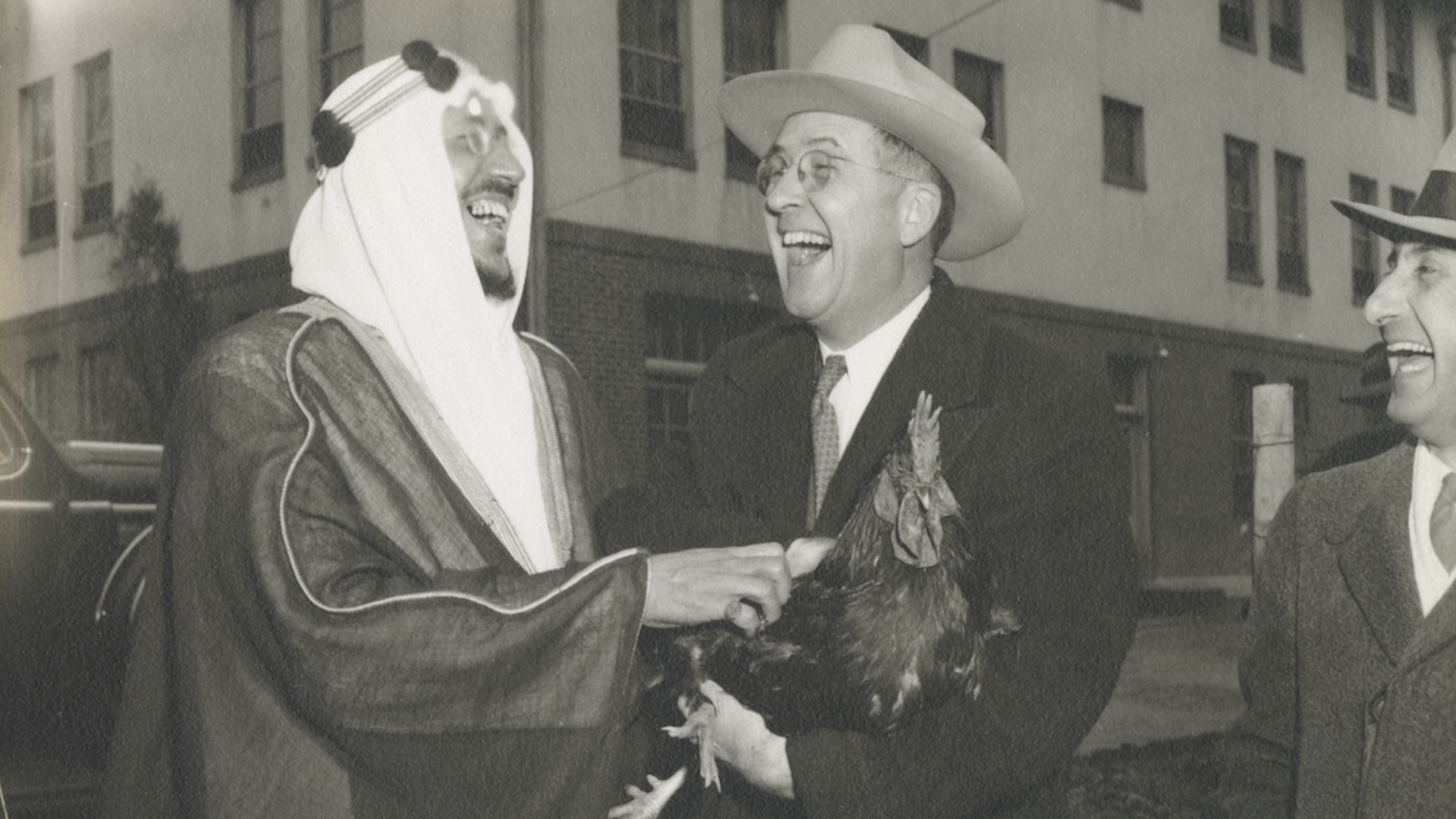
His Royal Highness and Secretary of Agriculture Anderson get hearty laughs out of the performance of a rooster at the Governmental Experimental Farm at Beltsville.
Saudi Arabia was not created by America. King Abdulaziz Ibn Saud had already unified the Kingdom in 1932 after three decades of conquest and political consolidation. But the physical Saudi Arabia that emerged afterward was profoundly shaped by an American presence.
Less than a year after the Kingdom was founded, Ibn Saud granted Standard Oil of California the concession that eventually became Aramco. American geologists found commercial oil in 1938, and with oil came roads, company towns, concrete construction, engineering standards and a new idea of domestic life.
The detached Saudi villa that now appears almost indigenous to the Gulf was therefore born during an extraordinary moment when a newly unified Arabian monarchy encountered American oil capitalism and postwar suburbia.
The relationship between Saudi Arabia and American resources has since come full circle in other ways. In Arizona, Saudi dairy company Almarai, through its subsidiary Fondomonte, acquired farmland to grow water-intensive alfalfa for export back to the Kingdom, pumping groundwater from an already arid region.
As Green Prophet reported in 2023, the uncomfortable part of the story was not simply that a Saudi company wanted American water, but that American laws and land deals made such extraction possible in the first place. Saudi Arabia was exploiting a system the United States itself had created, just as, decades earlier, American oil companies had exported their own ideas about housing, infrastructure and suburbia to the newly formed Saudi state.