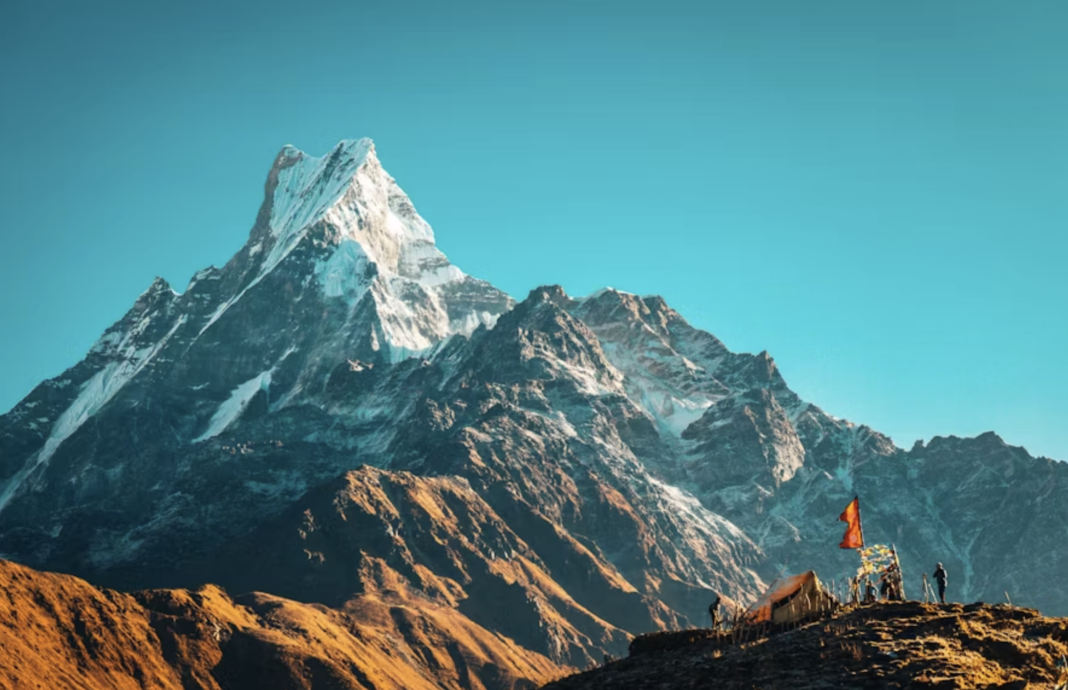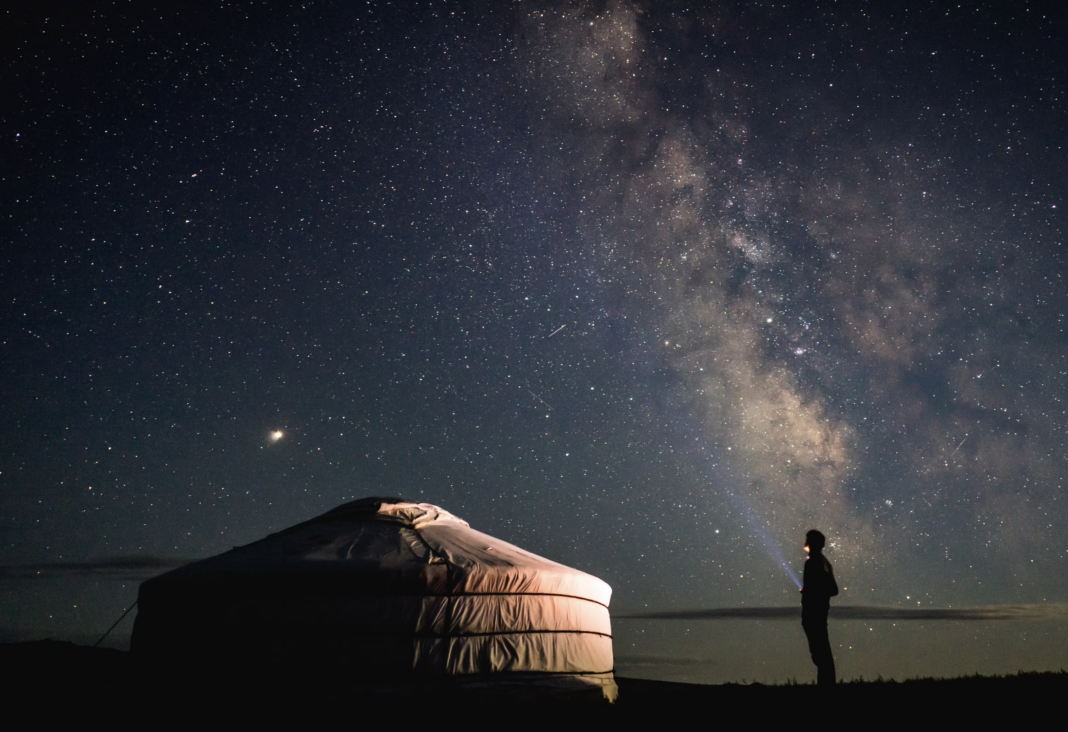

Forests get the headlines while grasslands, steppes and grazing lands rarely do. But at the latest United Nations summit on desertification, held in Ulaanbaatar, Mongolia, the world’s rangelands finally moved closer to center stage. The UN Convention to Combat Desertification’s COP17 ended August 28 with governments and financial institutions announcing a $1.3 billion portfolio for land restoration and drought resilience across 23 countries, they reported to Green Prophet in a press summary.
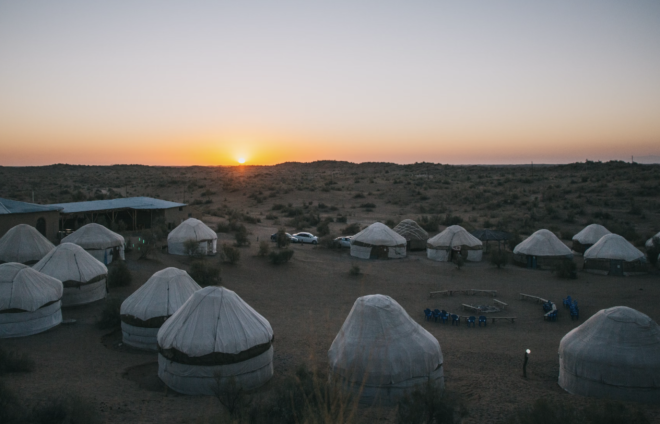
At the heart of that effort is a $1.2 billion Rangelands Flagship Initiative spanning 45 projects, the largest mobilization for rangelands in the convention’s history.
This matters because rangelands cover about 54 percent of the Earth’s land surface, support around two billion people and are stewarded by an estimated 500 million pastoralists. Yet they remain mostly invisible in environmental policy, the UN body reports.
Rangelands contain roughly one-third of the world’s key biodiversity areas, but appear in the national climate plans of only 24 countries. Forests, by comparison, are included in the plans of 181 countries.
Why the world needs healthy grasslands
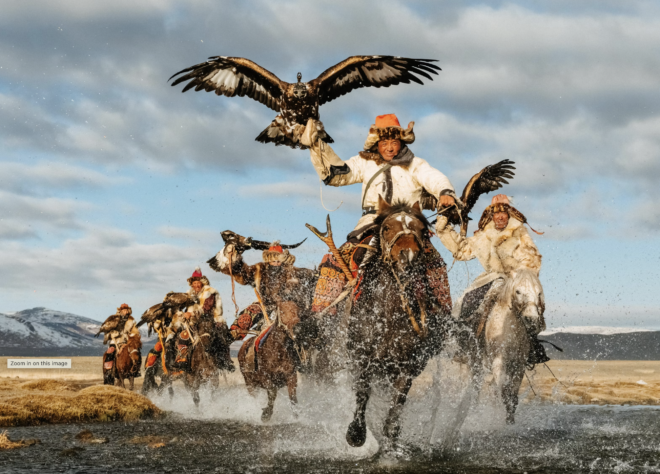
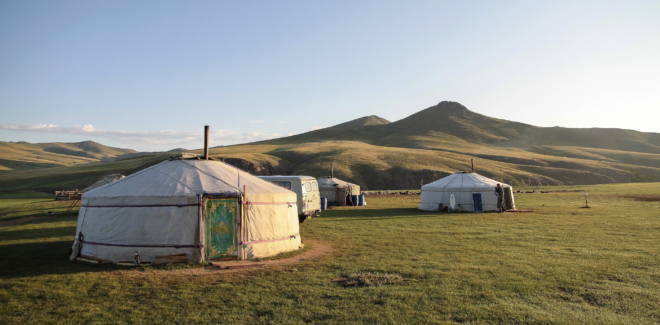
Mongolia is considered an appropriate place to start the conversation. Its steppes have supported pastoral cultures for centuries, demonstrating that landscapes often dismissed as empty or unproductive can sustain food systems, wildlife, economies and human communities.
New economic analysis presented at COP17 estimated that rangelands generate between $21 trillion and $47 trillion in ecosystem services every year through food production, water regulation, carbon storage and biodiversity.
Restoration makes economic sense. According to figures presented at the summit, restoring rangelands can return between $4 and $6 for every dollar invested, rising as high as $36 when broader benefits such as water security are counted.
An estimated $355 billion a year is needed through 2030 to meet global land restoration commitments, while current investment sits at around $77 billion. Private finance represents only about six percent of global investment in land restoration.
COP17 advisors want to narrow that gap. Alongside the $1.3 billion portfolio, the UNCCD and Luxembourg launched a Drought Resilience Investment Facility intended to mobilize as much as $400 million in public and private capital for water security, sustainable agriculture, nature-based solutions and land restoration. Saudi Arabia has also made a commitment: The Riyadh Global Drought Resilience Partnership, launched by Saudi Arabia at COP16, also moved forward with plans for a pooled fund that could eventually support around 70 vulnerable countries.
All great fanfare but we’d like to hear about more specific ways that communities can access these funds without having to jump through NGOs and their often highly political gate-keeping. There is a reason why the US cut funding to the UN, and we’ve been noticing a pattern. rThe question after Mongolia is the familiar one: will the money and political promises actually reach the soil, and the people caring for it?