
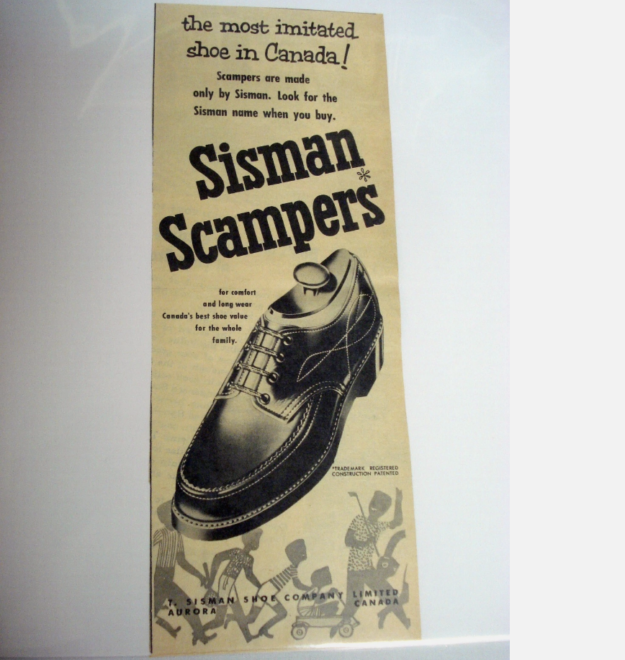
My grandfather had a side hustle before anyone called them side hustles. A new immigrant to Canada, he worked at the Sisman shoe factory in Aurora, Ontario, alongside my dad, who was still a teenager. My grandfather was scrappy, and somehow he managed to keep the one-offs — perfectly good shoes that didn’t have a matching mate.
When he’d collected dozens of them, he would hold a shoe sale for people who only had use of one foot.
Decades later, Adidas has come up with essentially the same idea. Was Adidas copying my grandfather? Ha. Probably not. But he was onto something.
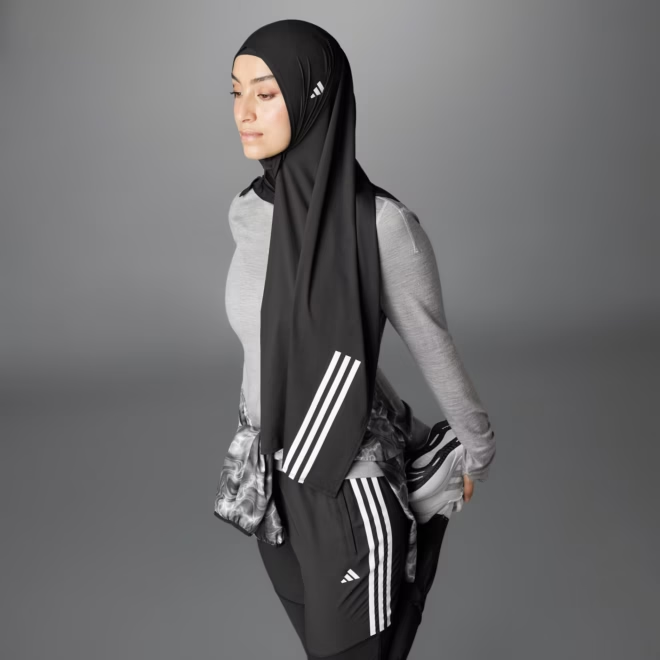
Adidas’s Single Shoe service allows people with amputations and other lower-limb disabilities to buy one shoe at half the price of a pair, instead of paying for a full pair they don’t need. The program began in Europe and has since expanded into Asia and the Middle East.
It’s a simple idea about accessibility, dignity and, incidentally, waste. But Adidas has now discovered that in a global marketplace, even one shoe can become political.
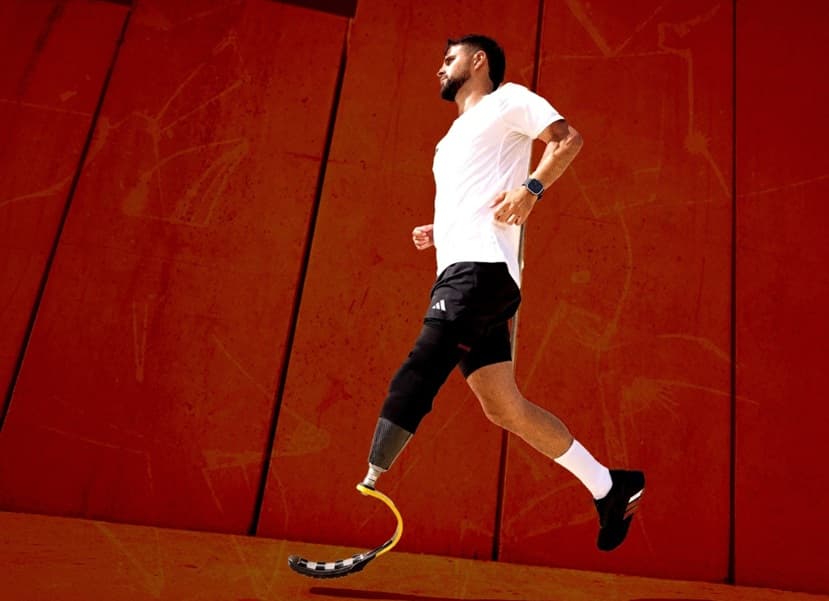
Adidas Israel recently featured Shalev Biton among 11 disabled athletes in posters promoting the service in Israeli stores. Biton lost his left leg after being critically injured while serving in the IDF’s Nahal Brigade in May 2021, when an anti-tank missile fired from Gaza struck his military vehicle on the Israeli side of the border. Fellow soldier Staff Sgt. Omer Tabib was killed. Biton eventually returned to running with a prosthetic leg.
The Israeli posters were local and weren’t part of Adidas’s global campaign. But the reaction quickly crossed borders.
Pro-Palestinian activists called for a boycott, arguing that featuring a former Israeli soldier in an amputee campaign was particularly insensitive given the thousands of people who have suffered traumatic amputations in Gaza during the current war. Adidas’s global headquarters responded with an apology.
“We recognize that an image used in a recent local activation by the local team has raised concerns and strong reactions. It was never our intent to cause offense and we apologize for anyone affected,” Adidas said.
The company stressed that Single Shoe is an inclusion initiative operating well beyond Israel, including in the Palestinian Authority, the UAE, Lebanon, Saudi Arabia, Kuwait, Qatar and Egypt.
Just yesterday I went to my local shoe repair guy for a repair on some boots. He’s an immigrant from Morocco who told me he was custom designing a platform “high” Adidas shoe for a little Arab boy, only 3 years old, who was born with one leg longer than the other. We brainstormed about how to do it better by carving into the sole of the show worn on the longer leg. Could it be turned political. You bet it could. If someone wanted to spin a good idea into a hateful ideology.
And there lies the problem for any company that wants to become a truly global brand.
The same three Adidas stripes appear in Tel Aviv, Ramallah, Dubai, Beirut, Berlin and Toronto, but the people buying the shoes don’t necessarily share the same politics, history or interpretation of an advertising image. A local campaign that seems entirely reasonable in one market can become a corporate crisis when viewed from another.
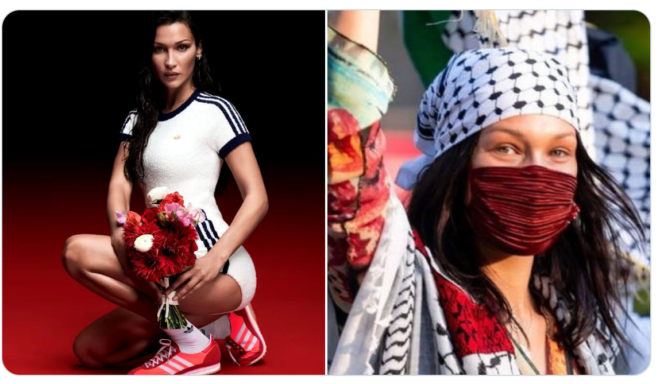
Adidas has been here before: In 2024, it featured Dutch-Palestinian-American model Bella Hadid in a campaign reviving its SL72 running shoe, first introduced in 1972. The historical connection became explosive because the shoe dated from the year of the Munich Olympics, where 11 Israeli athletes and coaches were murdered by members of the Palestinian Black September group.
Adidas said the connection was “completely unintentional,” apologized for the distress caused and revised the campaign.
The problem isn’t unique to Adidas. Barilla faced boycott calls in 2013 after chairman Guido Barilla said the company wouldn’t feature a gay family in its advertising. Sales plummeted. In Israel in 2020, the boycott went in the opposite direction: Arab-Israeli tahini maker Al Arz faced calls for a boycott after owner Julia Zaher donated to an LGBTQ organization to help establish a hotline for Arabic-speaking LGBTQ Israelis.
Global companies increasingly sell more than pasta, tahini and shoes. They sell identities and values such as radical inclusion, diversity, sustainability, belonging, while trying to sell the same logo to people whose values may collide.
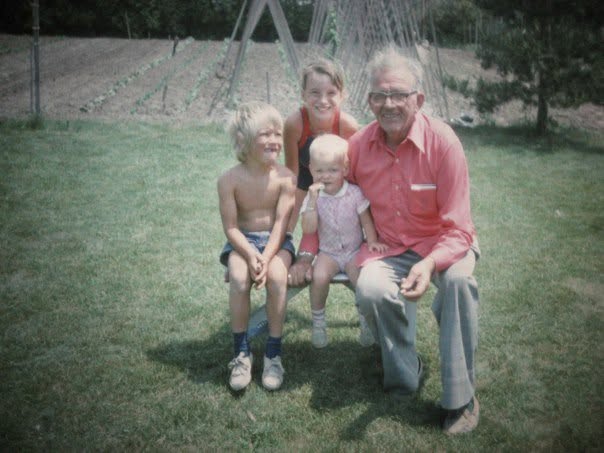
Somewhere underneath all of that is a remarkably uncomplicated idea. Some people have one foot; they need one shoe. My grandfather figured that out decades ago without a global marketing department, a diversity campaign or a crisis communications team.
He put an ad in the paper that he had shoes available for people with one leg. He just saved the shoes and made a little cash on the side.