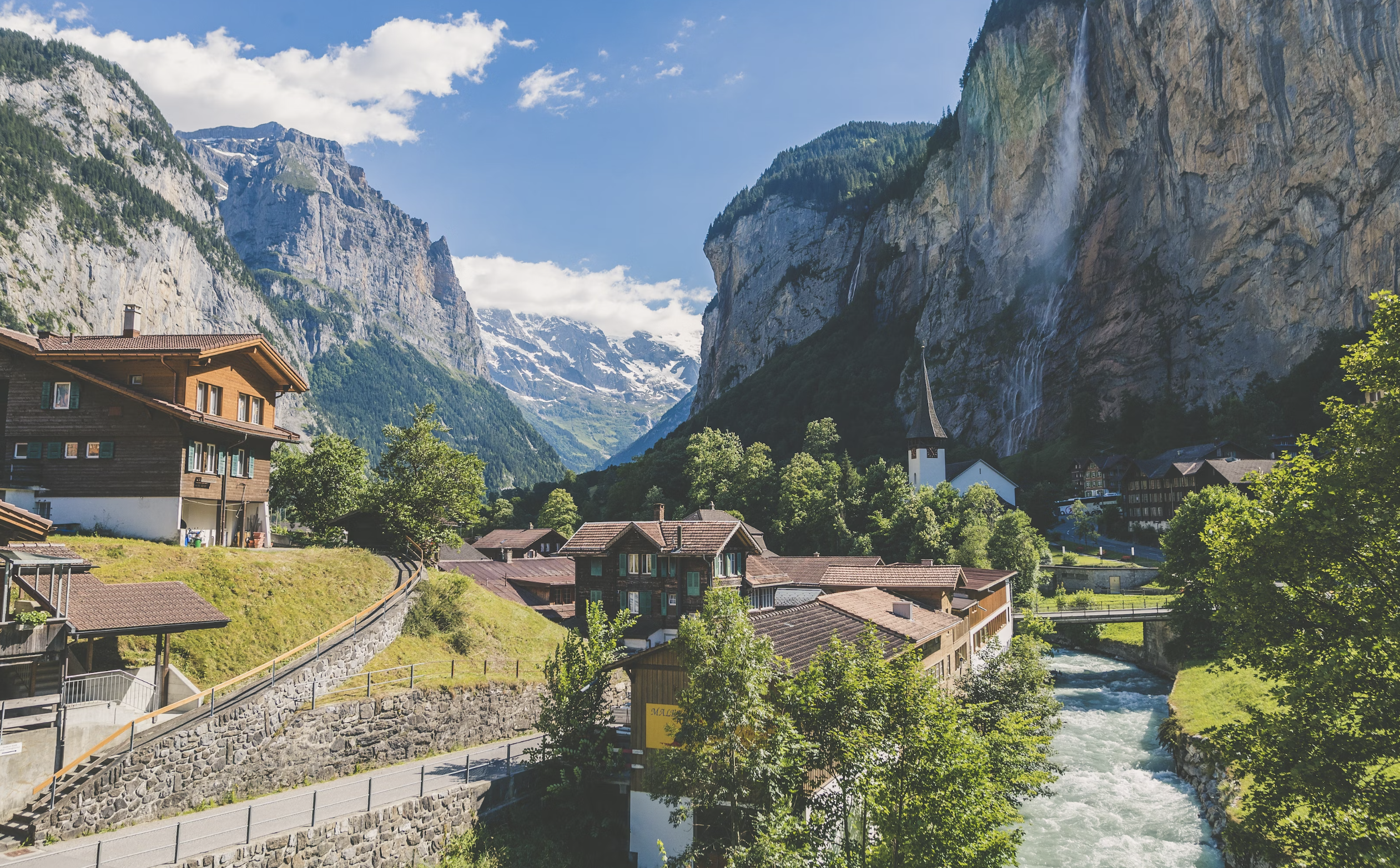

I worked as a junior scientist in Switzerland for a couple of years, collecting and researching insects on plants across the Alps, the Valle d’Aosta, along the Rhône and Rhine, and in Poland. We worked in forests and once collected near Auschwitz, where it was impossible not to think about the history of the place while we went about the strangely ordinary scientific work of counting insects and recording plants.
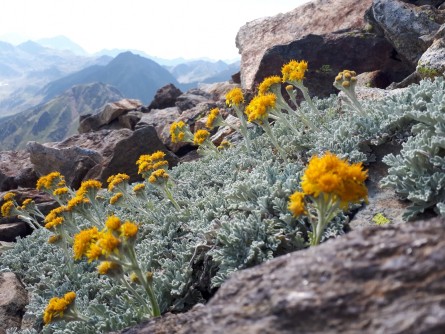
Europe has been steadfast about preserving culture and place, but nature does not necessarily respect the boundaries we draw around it. As we move further into the Anthropocene, European landscapes are changing too, and new research from 62 mountain summits shows how warming is reshaping the plant communities of the Alps and other European mountains.
Related: Switzerland’s Blatten flattened by glacier melt
Until a few decades ago, short growing seasons, cold temperatures and the constant risk of frost made high alpine environments difficult for most European plants to colonize. As temperatures have risen, plants from lower elevations have begun moving upward. The result appears positive at first: mountaintops have more plant species than they used to.
But researchers analysing vegetation surveys conducted between 2001 and 2022 through the global GLORIA monitoring initiative found that this increase is masking another trend. With each survey, more existing species could no longer be found, and the plants disappearing were disproportionately species adapted to high elevations.
“The data clearly show that species were more likely to disappear from summits which experienced stronger warming. This correlation was even stronger than the temporal trend”, said first author Johannes Wessely from the University of Vienna.
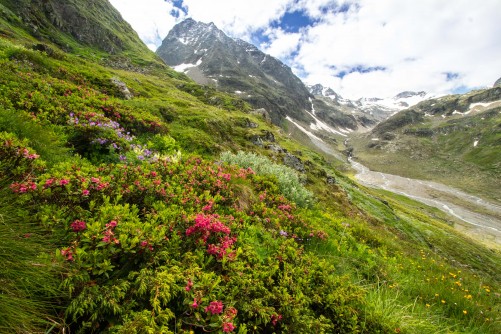
« Rising Plant Extinction Rates on European Mountain Summits
The likelihood of a species disappearing also increased when it was already growing near the warmer, lower edge of its normal range. “Put differently, when species already grow on warmer-than-average sites they become more sensitive to further temperature increase”, said Harald Pauli, coordinator of GLORIA at the Austrian Academy of Sciences and Boku University.
The scientists believe another phenomenon may be emerging: an “extinction debt.” Alpine plants tend to be hardy and long-lived, meaning populations can persist for decades after environmental conditions begin turning against them. The study found that local extinctions were generally preceded by long periods of population decline, so some of the losses being recorded today may be consequences of warming that began decades ago.
“They could consequently indicate that an extinction debt starts to be paid off. However, whether this interpretation holds true needs further investigation”, said project coordinator Stefan Dullinger.
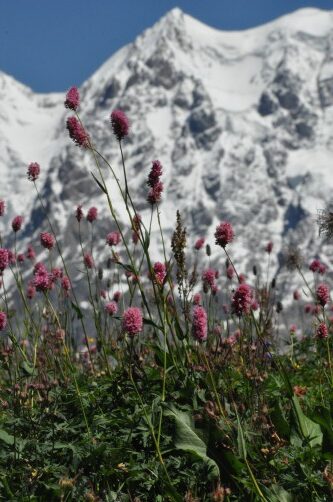
The important point is that biodiversity cannot always be understood simply by counting species. A European mountaintop can gain plants while simultaneously losing the specialists that make it an alpine ecosystem. As common species climb into newly hospitable territory, the cold-adapted plants above them have nowhere higher to go.
When I think back to collecting insects among those European plants, this is what strikes me most. We were documenting which species lived where. A few decades later, some of those ecological boundaries themselves are moving.