
Unlocking Energy Efficiency: 10 Strategies for Sustainable Buildings

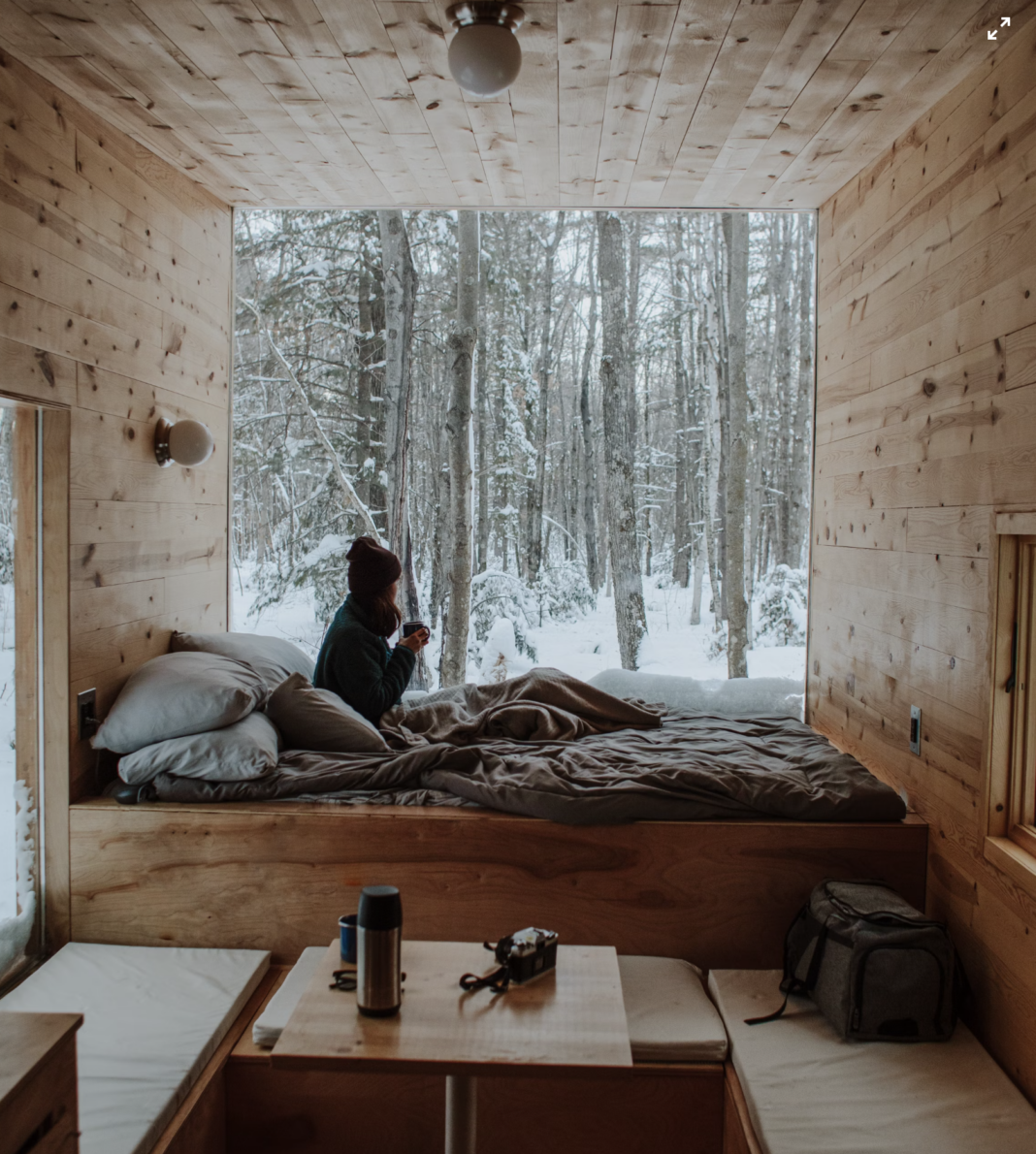
Tiny home
A tiny home can help cut down your carbon footprint.

Today, environmentally friendly building practices are much more than just a trend—they are an absolute need. It is important when we are aiming to solve environmental problems and overcome the limitations of our ecological footprint, making energy efficient buildings have come to play an essential role. This article describes 10 innovative tools for energy efficiency and there is a pledge that this could lead to the future of a more sustainable environment. Remember, as what Resustain said – the cheapest energy is the energy you don’t use. 

Smart Design and Orientation: Building the path towards energy efficiency lies on the drawing board. Smart architectural design involving orientation can result in maximizing natural light and heating, which eliminates the need for artificial lighting and temperature control. For instance, buildings located on the southern side in the north hemisphere can have sunlight for warmth and light.

High-Performance Insulation: The key player is always having an effective insulation through energy conservation. Thanks to the use of high-quality materials and technologies, buildings could stay comfortable at stable temperature levels while still using far less energy needed for cooling and heating. This includes not just walls, but also roofs, floors, and even the windows as well.

Energy-Efficient Windows and Doors: It is possible to control energy leakage substantially by investing on certain double or triple-glazed windows and well-sealed doors. These elements are vital to maintain the temperature inside and help to minimize the dependency on heating and cooling systems.

Green Roofing and Walls: Green roofs and walls not only look better but also act as natural insulators. They capture heat, reduce stormwater runoff, and improve air quality as they are good options for the urban buildings.

solar PV plant in California
A solar PV plant in California

Solar Power Integration: Using Photovoltaic panels for solar energy is a direct way to decrease dependence on non renewable energy sources. Solar Solutions today have gradually become efficient and cost effective, a thing that has seen them be available to a variety of buildings.

Energy-Efficient HVAC Systems: Buildings especially with Heating, Ventilation and Air Conditioning (HVAC) systems are major energy consumers. The cost of upgrading to energy-efficient HVAC systems has great benefits as it results in significantly reduced energy consumption while maintaining comfort levels.

Smart Lighting Solutions: Combination of LED lighting with smart, automated lighting controls that adjusts light depending on occupancy and availability of daylight, results in significant energy savings. This method does not only lead to energy savings but also leads to prolonged service life of your lighting devices.

Water Conservation Practices: Having Low-flow faucets, toilets, and showerheads are some of the water conservation measures together with rainwater harvesting and greywater recycling systems. These approaches minimize the energy necessary for water heating and treatment.

Växjö care home with its coveted annual Green Building Award in the category “LEED project of the year”

Use of Sustainable Materials: By selectively incorporating materials with low embodied energy and are sustainably sourced, it is possible to reduce the overall environmental impact of a building according to here. Such materials also include bamboo, recycled steel and reused wood or recycled plastic.

Regular Maintenance and Upgrades: Finally, constant maintenance and occasional improvements of building systems are necessary to keep the level of energy efficiency. This encompasses regular inspection of insulation, HVAC systems, as well as assessments to ensure all energy systems are operating at their peak.

To summarize, the journey towards sustainable building spans several dimensions and entails integrated efforts to implement sustainable design, innovative technology, and mindful practices. Through having such practices, we can considerably cut down the environmental footprints of our buildings giving a viable pathway in attaining a greener and more sustainable future.


Bhok Thompson
Bhok Thompsonhttp://www.greenprophet.com
Bhok Thompson is an “eco-tinkerer” who thrives at the intersection of sustainability, business, and cutting-edge technology. With a background in mechanical engineering and a deep fascination with renewable energy, Bhok has dedicated his career to developing innovative solutions that bridge environmental consciousness with profitability. A frequent contributor to Green Prophet, Bhok writes about futuristic green tech, urban sustainability, and the latest trends in eco-friendly startups. His passion for engineering meets his love for business as he mentors young entrepreneurs looking to create scalable, impact-driven companies. Beyond his work, Bhok is an avid collector of vintage mechanical watches, believing they represent an era of precision and craftsmanship that modern technology often overlooks. Reach out: [email protected]

Read More

TRENDING

Dior’s Summer 2027 show promises sustainability. Do we believe them?

Dior highlights recycled materials, regenerative agriculture, circularity initiatives, and digital traceability, but the luxury fashion business model still depends on constant consumption, global supply chains, fashion shows, and high-carbon production.

Self-repairing contact lenses and desalination membranes that fix themselves?

Could the humble contact lens become a sustainability breakthrough? Researchers in Korea have developed a self-healing hydrogel lens that repairs scratches with just one hour of UV light exposure. Beyond reducing waste from disposable contacts, the technology could one day help extend the life of solar panels, water filtration systems, and other plastic-based products.

Meet Seramic Materials from Abu Dhabi

Based in Masdar City, Abu Dhabi, Seramic Materials was founded in 2019 by Dr. Nicolas Calvet and Dr. Jean-François Hoffmann, researchers working at the intersection of renewable energy and materials science. The company grew out of the Masdar Institute ecosystem and is supported by clean tech programs like The Catalyst, with early backing of around $150,000 and more than $2 million invested in research and development over time.

24 7 renewable energy: how solar, wind, batteries and AI SaaS replace fossil fuels

A new report from the International Renewable Energy Agency based in Abu Dhabi makes something clear that many in the industry already suspected. When solar and wind are paired with battery storage, they can deliver reliable, round the clock electricity at costs that compete with, and often beat, fossil fuels.

Yerukim Forms a New Green Economy Where the Money is Really Green

The Yerukim members who pick up the recyclables get to keep the monetary reward, the public earns "green" bills that can be used in shops, and business owners get to be associated with environmentalism.

Choosing Riyadh over Dubai? What Investors Should Know

Saudi Arabia is deploying capital at unmatched scale to catalyze tourism and advanced industry while rewiring its power-and-water backbone. The investable frontier is widening—especially in renewables, grid storage, water efficiency/desal retrofits, and hospitality operating platforms. Prudent investors will insist on phased delivery, enforceable KPIs (energy, water, biodiversity), and RHQ/zone compliance—while pricing political-economy and reputational risks alongside growth upside.

Sell your cooking oil for biodiesel money

Want to make money on old french fry oil? Sell it.

Qatar Alternative Energy Summit Pairs Investors And Innovators

Alternative energy investors and innovators can meet n' greet in Doha, Qatar March 16 and 17.

Here’s How To Implement The Four Pillars Of Employee Engagement

If you throw a party for your work team and they are vegans, don't make it a barbecue. Know the sustainability values of your team to boost moral and retain good people.

Locals From Rishon Fight IKEA

Big Box stores are a pretty new concept in Israel, and thank God that not every Israeli city wants them in their backyard. A word from someone who has see the beautiful farmland around her hometown Newmarket, Ontario stripped and converted into vulgar strip malls of big box shops: they have no place in a healthy and sustainable town or city.

The Jewish National Fund Meets An Inconvenient Truth

According to the JNF, it has transformed thousands of acres of barren land into green forests in Israel. They state that each person emits about 23 tons of carbon per year, estimating that each tree planted can absorb one ton of carbon in its lifetime. That's a whole lot of trees you'd need to be planting. Could so many fit in Israel?

How to quiet noise from construction in your office

Streets need to be resurfaced in New York but the humming and grinding noise is unsettling. Noise is environmental pollution. 

Popular Categories