

Mediterranean Sharks Almost Gone Forever

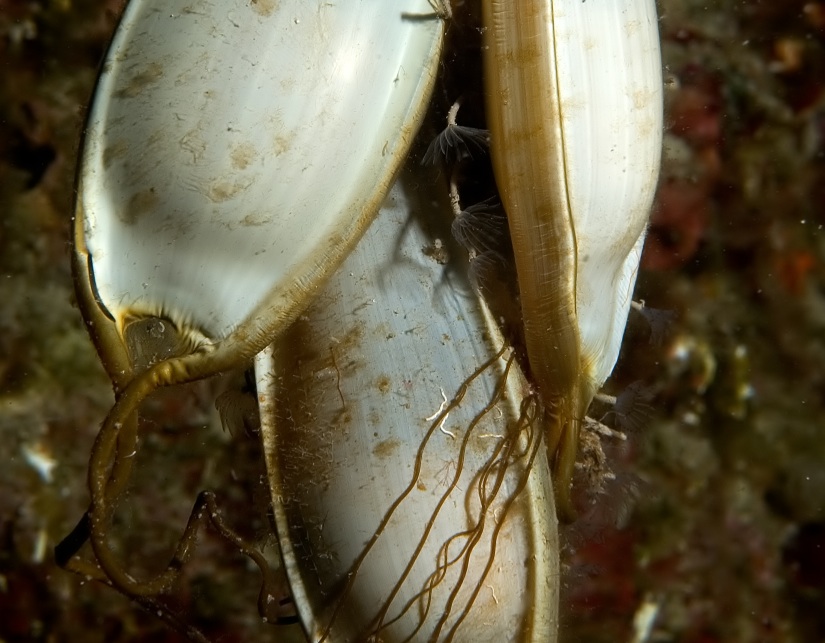
shark eggs in the sea
Mediterranean sharks risk extinction while “serious implications” feared for marine ecosystems and beyond. Accidental catches and sharks for fin soup are to blame

Shark populations in the Mediterranean and Black Sea have dropped dramatically over the last two centuries and now risk extinction, with serious implications for the region’s entire marine ecosystem and food chains, according to a new study by the UN’s Food and Agriculture Administration.

“Sharks in the Mediterranean Sea have declined by more than 97 percent in number and ‘catch weight’ over the last 200 years. They risk extinction if current fishing pressure continues,” the study found.

“This loss of top predators could hold serious implications for the entire marine ecosystem, greatly affecting food webs throughout this region,” it added.

The study, Elasmobranchs of the Mediterranean and Black Sea: Status, Ecology and Biology, was undertaken by the General Fisheries Commission for the Mediterranean, one of several FAO regional bodies working in the fisheries sector.

Sharks critically endangered

It found that cartilaginous fish species, such as sharks and rays, “are by far the most endangered group of marine fish in the Mediterranean and Black sea where 85 species are known to occur. Of 71 species assessed in the Mediterranean Sea in 2007, 30 (42 percent) were found to be threatened, including 13 percent critically endangered, 11 percent endangered and 13 percent vulnerable. Another 18 percent were categorized as near-threatened.

Cartilaginous fish have skeletons made of cartilage, rather than bones. Within that group, sharks, rays and skates are scientifically termed Elasmobranchs. Their biological characteristics, including low fecundity, late maturity and slow growth make them more vulnerable than bony fish, as their regeneration rates are slower.

Issues such as “overfishing, wide use of non-selective fishing practices and habitat degradation” are therefore affecting these species more than others.

In general sharks and rays have not been deliberately targeted in the Mediterranean and Black Sea, but caught accidentally. Annual aggregated reported landings in the Mediterranean and Black Sea currently amount to some 7 000 tonnes, compared to 25 000 tonnes in 1985 – an indication of the severity of their decline.

At the same time, however fishing activities targeting sharks are intensifying due to rapidly increasing demand for shark fins, meat and cartilage.

This is compounded by extensive damage to, or disturbance of, their habitats, caused by shipping, underwater construction and mining or by chemical, sound and electromagnetic contamination.

Among the most recent measures adopted by the Commission to protect sharks and rays is the prohibition of ‘finning’ (removal of fins at sea and discarding of carcass) and the reduction of trawl fishing within 3 nautical miles off the coast to enhance protection of coastal sharks.

The Commission has also recommended Mediterranean and Black Sea countries to invest in scientific research programmes aimed at identifying potential nursery areas and to consider time and area closures to protect juveniles of sharks and rays from fishing activities.

Other initiatives undertaken by the Commission have included the organization of several meetings and courses aimed at better understanding these species and their habitats and creating a background of Regional knowledge to guide GFCM Members in developing national plans to protect these key species.

Image of shark eggs via Shutterstock
Read More

2 COMMENTS

TRENDING

Mona Khalil, Orange House Project founder, sea turtle protector killed in Lebanon

Mona Khalil spent decades protecting Lebanon's sea turtles and coastal ecosystems. Her death in the ongoing conflict between Israel and Hezbollah shines a light on a broader environmental tragedy unfolding across northern Israel and southern Lebanon. From damaged wetlands and disrupted bird migrations to threatened seed banks and endangered wildlife, the region's ecosystems are becoming casualties of a war with no clear end in sight.

Dan Zaslavsky’s energy tower dream is rising again in Iran and China

The Energy Tower idea never made the leap from drawings and engineering studies to full-scale construction. But nearly two decades after most people stopped talking about it, the concept is quietly evolving in two unexpected places: China and Iran. The concept let dreamers dream and doers do - figuring out more pleasing designs and engineering.

A visit to Amirim, Israel’s first all-vegetarian village in the Galilee

Just 15 kilometers from Tzfat there is a moshav that was founded in the late 50s that was ideologically influenced by organic, vegetarian and vegan principles. My hostess at Ohn-Bar, the tzimmer where I stayed, explained that the people of Amirim were among the pioneers of Israel’s strong vegetarian movement.

Israeli Hydrogen Startup H2Pro Are Trying to Solve Clean Energy’s Hardest Problem

The company has attracted backing from major investors including Breakthrough Energy Ventures, the climate fund founded by Bill Gates, along with industrial partners such as Sumitomo, ArcelorMittal, and Temasek, a multi-billion dollar company that owns Singapore airlines. H2Pro has raised more than $100 million USD and is moving from pilot projects toward commercial-scale deployments.

Desalination experts debunk Aqua Solaire, the floating desalination barge

AI makes it easy to dream, develop, and create images of what could be world-changing ideas, until the reality sets in. A new project making the rounds is Aqua Solaire, an allged French concept for a solar-powered desalination vessel designed to bring drinking water to coastal communities facing drought, storms, and infrastructure failures.

Yerukim Forms a New Green Economy Where the Money is Really Green

The Yerukim members who pick up the recyclables get to keep the monetary reward, the public earns "green" bills that can be used in shops, and business owners get to be associated with environmentalism.

Choosing Riyadh over Dubai? What Investors Should Know

Saudi Arabia is deploying capital at unmatched scale to catalyze tourism and advanced industry while rewiring its power-and-water backbone. The investable frontier is widening—especially in renewables, grid storage, water efficiency/desal retrofits, and hospitality operating platforms. Prudent investors will insist on phased delivery, enforceable KPIs (energy, water, biodiversity), and RHQ/zone compliance—while pricing political-economy and reputational risks alongside growth upside.

Sell your cooking oil for biodiesel money

Want to make money on old french fry oil? Sell it.

Qatar Alternative Energy Summit Pairs Investors And Innovators

Alternative energy investors and innovators can meet n' greet in Doha, Qatar March 16 and 17.

Here’s How To Implement The Four Pillars Of Employee Engagement

If you throw a party for your work team and they are vegans, don't make it a barbecue. Know the sustainability values of your team to boost moral and retain good people.

Locals From Rishon Fight IKEA

Big Box stores are a pretty new concept in Israel, and thank God that not every Israeli city wants them in their backyard. A word from someone who has see the beautiful farmland around her hometown Newmarket, Ontario stripped and converted into vulgar strip malls of big box shops: they have no place in a healthy and sustainable town or city.

The Jewish National Fund Meets An Inconvenient Truth

According to the JNF, it has transformed thousands of acres of barren land into green forests in Israel. They state that each person emits about 23 tons of carbon per year, estimating that each tree planted can absorb one ton of carbon in its lifetime. That's a whole lot of trees you'd need to be planting. Could so many fit in Israel?

How to quiet noise from construction in your office

Streets need to be resurfaced in New York but the humming and grinding noise is unsettling. Noise is environmental pollution. 

Popular Categories