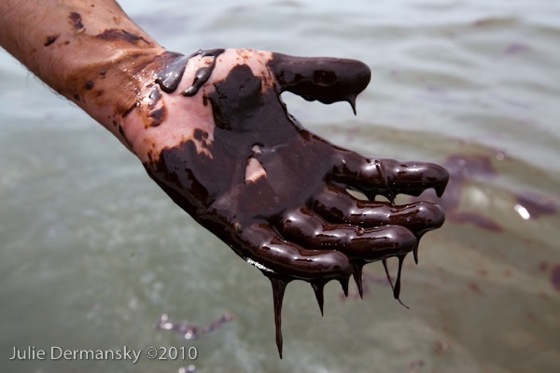

Oil spills grab headlines for black beaches and struggling wildlife. Fewer stories follow the people who scrub those shores. Workers and volunteers often spend days breathing fumes and touching tar. Their health matters as much as the coastline. Here is what research shows and how crews can stay safer.
Good Intentions, Toxic Tar
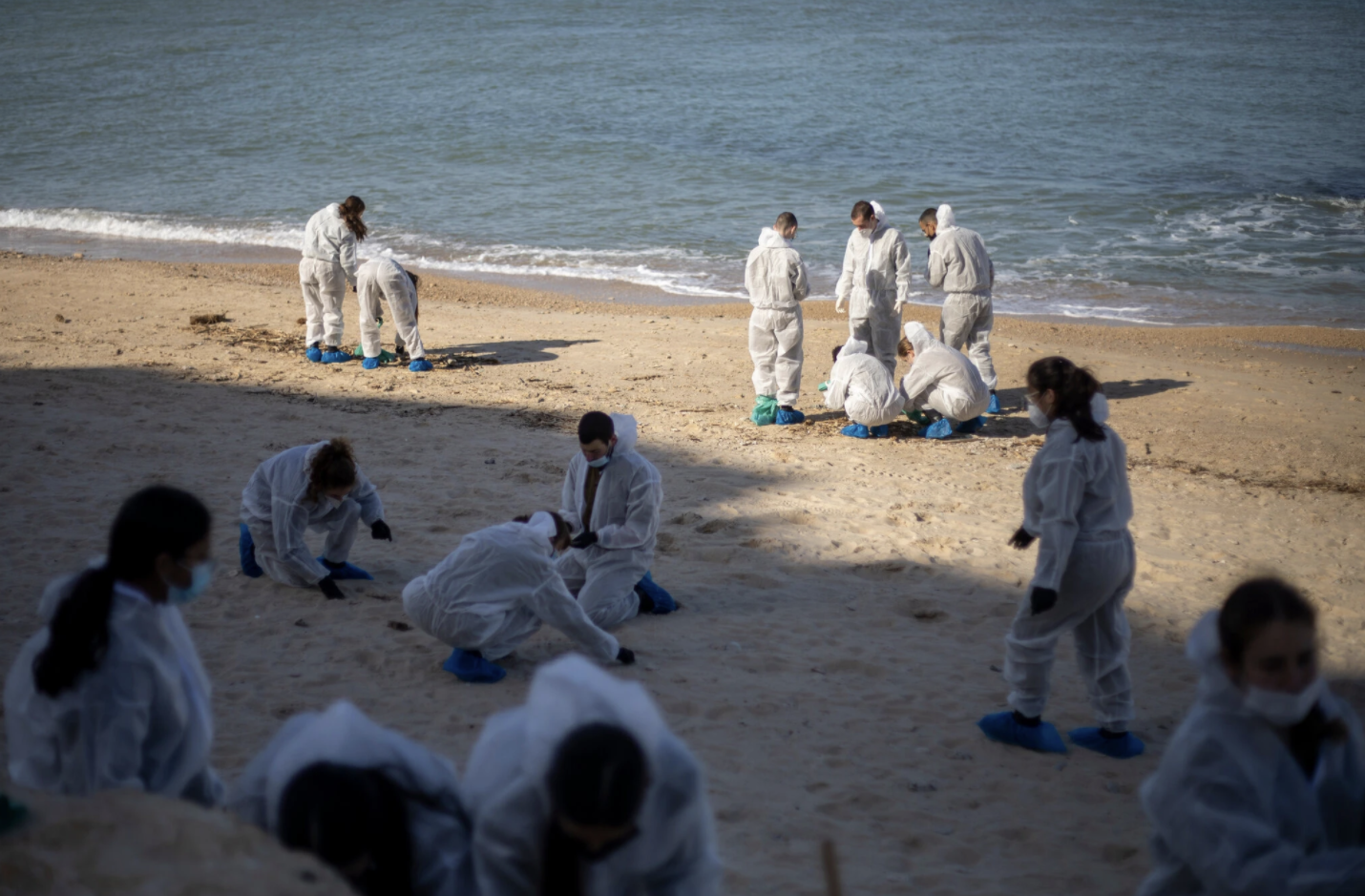
In February 2021, tar from a Mediterranean oil spill coated Israel’s coast. Thousands of volunteers rushed to help. Some were hospitalized after inhaling apparently toxic fumes, news reports said. Officials then asked the public to stay away. The Israel Nature and Parks Authority called the spill one of the most serious ecological disasters in the country’s history. It said cleanup required proper protective gear.
This moment showed a gap. People care deeply about the sea. Yet some did not realize that spilled oil can hurt them, too. Paid crews face bigger risks. A federal training guide says cleanup workers often log more than eight hours a day for a week or two. Oil itself is part of the problem. It contains benzene, a powerful cancer-causing chemical, according to a report on Deepwater Horizon workers.
Danger beyond the Beach
Not every responder stands on sand. Many work on boats, barges and platforms. They lay booms and skim oil from rough water. The 2010 Deepwater Horizon disaster killed 11 oil industry workers, researchers noted in a review of that spill’s human toll. Crews on the water also battle heat, waves, falls and heavy equipment.
A worker hurt on a response vessel may face rules that differ from a normal job site. In that case, speaking with an offshore injury lawyer early can help explain which laws apply. It also helps to report the injury fast and keep every medical record. Deck work, heavy lifting and slippery surfaces are common causes of harm at sea.
Volunteers Need Protection Too

Israel’s spill offers a clear example. More than 10,000 people helped in the first week, and some worked around dangerous amounts of tar, an organizer said. Some beach cleanup volunteers received gloves and a quick briefing on site. Others may have arrived with far less preparation. One environmental group had built an emergency beach response plan before the spill and put trained volunteers to work right away.
A marine biologist in Israel said the country should prepare simple checklists ahead of time. People could learn what helps and what could harm them before a crisis strikes. That advice fits any coastline, from the Mediterranean to the Gulf.
What Deepwater Horizon Taught Scientists

After the 2010 spill in the Gulf of Mexico, scientists tracked cleanup workers for years. The National Institutes of Health ran the GuLF Study. It looked at 19,018 cleanup workers and 5,585 people who finished safety training but never joined the cleanup. The cleanup workers were 60 percent more likely to have asthma symptoms than people who did not help. Researchers also estimated each worker’s exposure to specific oil spill chemicals. Crews who ran or refueled heavy equipment had the highest rates.
There was some good news. Lung function that dipped after the spill returned to normal within four to six years, federal researchers reported. Still, one scientist cautioned that other health effects might not fade as fast.
Mental health took a hit, too. Lead researcher Dale Sandler said the top effect was depression and what looked like post-traumatic stress. Cleanup work is tiring and upsetting, so emotional care matters. Talking with friends, family or a counselor can help.
Simple Steps to Stay Safer
Health agencies offer practical advice. These tips can help anyone who joins a cleanup.
Join only official, trained teams. Organized groups hand out the right gear and know safe work zones. Ask questions, and make sure leaders explain the plan before you start.
Cover your skin. Wear gloves, boots and protective clothing. Avoid touching oil whenever possible.
Wash up well. Soap and water work for skin that meets oil, so clean up as soon as you can.
Stay current on tetanus shots. Federal guidance recommends this for cleanup workers.
Beat the heat. Rest in shade and drink plenty of water. Heat illness is a real danger on open beaches.
Know the chemicals. Crews may meet chemical dispersants, which break slicks into smaller droplets. NOAA says they are approved only under special circumstances, and scientists weigh the risks and benefits before anyone uses them. Federal training materials also warn of hazards from detergents and degreasers.
Watch your body. Headaches, shortness of breath and skin rashes deserve attention.
Tell your doctor. NIH researchers urge former workers with wheezing to mention the spill work.
A Safer Path Forward
Oil spills will keep happening as long as ships and rigs move crude. Experts in Israel said the same after the 2021 spill. Cleanup will always need willing hands. Governments can help by funding training, gear and health checks before the next spill. Communities can protect those hands by training people early and sharing clear safety rules. Workers can protect themselves by asking questions, wearing proper gear and speaking up about symptoms. The sea deserves care. So do the people who care for it.