
We spend a lot of time photographing water when it is beautiful: a spring in the desert, a lake at dawn, the sea turning silver before a storm, or a child jumping into a river in summer. But some of the most important water stories in the world are not beautiful at all.
They are hidden in pipes, drains, sewage systems, wastewater treatment plants, polluted rivers and laboratories. They are carried by sanitation workers, scientists, engineers and communities dealing with contamination that the rest of us rarely see. That is exactly what the 2026 Walk of Water Photostory Contest wants photographers to go looking for.
Organized by Onewater together with UNESCO’s World Water Assessment Programme, UNEP and other partners, this year’s competition is called “Out of Sight.” It is the sixth edition of the contest and focuses particularly on the relationship between water, ecosystems and human health, with wastewater taking center stage.
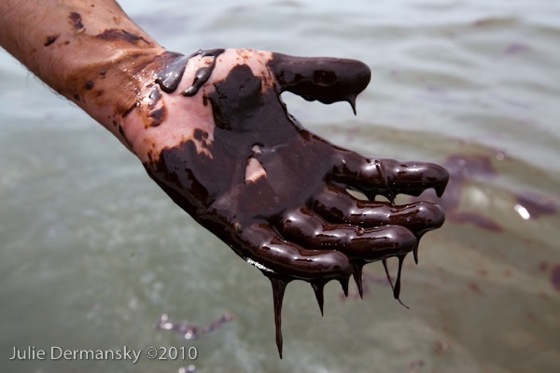
The organizers are looking for stories that show what normally goes undocumented: untreated sewage entering rivers and coastlines, sanitation systems that keep cities functioning, wastewater laboratories tracking pathogens, antimicrobial resistance and other health threats, and technologies that turn wastewater into usable water, energy or nutrients.
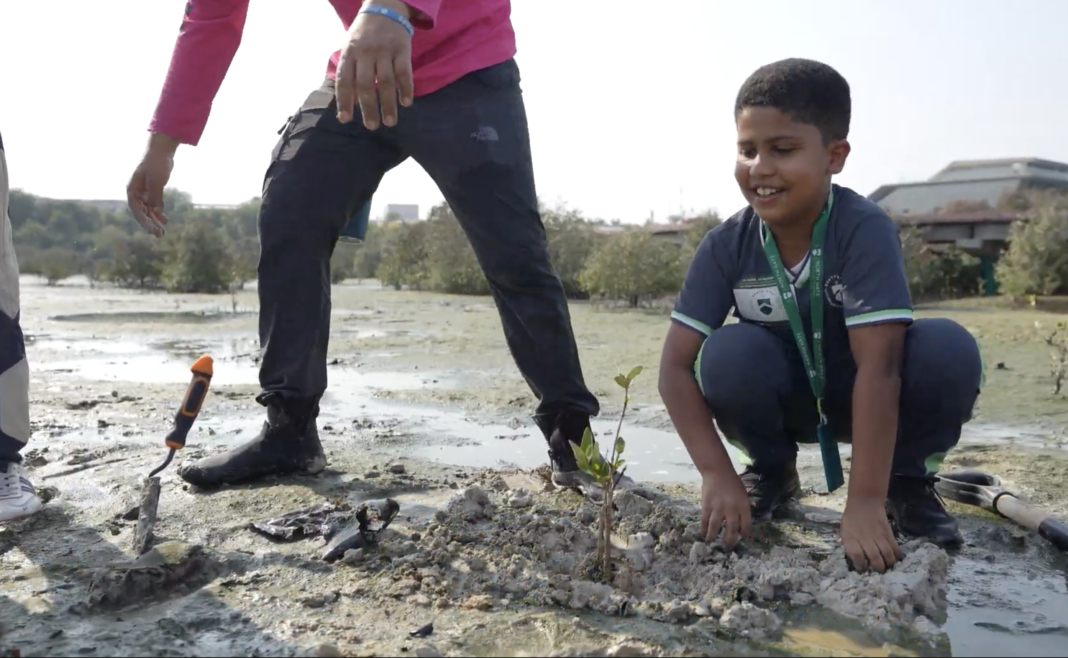
Photographers do not, however, have to crawl into a sewer to qualify. The theme is deliberately broad, and a strong entry could document the river that cools a city, a community finally gaining safe drinking water, a ritual bath, a polluted lake, a wastewater treatment project, a swimming program or the cultural and psychological importance of blue spaces.
This is not one of those photography contests where the “prize” is exposure. The total prize pool is $9,000 USD, with a major Global Wastewater Award and a separate Youth Wastewater Award for photographers aged 25 and under. Winners will be announced in January 2027.
The top global award is worth $3,000, followed by additional prizes of $2,000 and $1,000, along with merit awards. Youth prizes include awards of $900, $750 and $250, plus merit prizes. Prize money is not the only incentive. The strongest stories may be shown in the 2027 Walk of Water exhibitions and published through Onewater’s media partners around the world, which means a good photo essay could travel far beyond the contest itself.
The judges are serious
The jury includes people working across photography, law, environmental science, water management and international institutions. Among them are Cristina Mittermeier, conservation photographer and co-founder of SeaLegacy; Gabriel Eckstein, professor of law at Texas A&M University and a leading expert in water law; Daniel Cooney, Director of Communication at the UN Environment Programme; Michela Miletto, coordinator of UNESCO’s World Water Assessment Programme; photographer Pablo Tosco; and water-management expert Prof. Asit K. Biswas.
Entries will be judged on visual storytelling, originality, photographic quality, writing, relevance to the theme and the strength of the connection between water, ecosystems and human health. This is not about submitting one lucky Instagram shot. Photographers must submit a proper photo story consisting of five to ten images, accompanied by a narrative of between 2,500 and 8,000 characters and captions for every photograph.
No fake rivers, please
One rule we particularly like is the ban on generative AI. This is a photography competition, and images created or altered with generative AI will be disqualified. Standard adjustments such as exposure, color correction, cropping and dust removal are allowed, but photographers cannot add or remove content from an image.
That feels especially relevant now, when synthetic photographs of floods, fires, wars and disasters can be generated in seconds. There is something increasingly valuable about asking people to actually go somewhere, look carefully and document what is really happening.
The organizers also emphasize dignity and consent. Photographers are asked not to submit degrading or exploitative images and must have appropriate permission when identifiable people, especially children, appear in their work. If you are a photographer, journalist, student, scientist, water activist or simply someone who knows where an important water story is hiding, this is worth entering.
It could be a wastewater plant nobody notices, a sanitation worker beginning a shift before sunrise, a polluted stream behind a factory, a laboratory where researchers are reading the health of a city through what it flushes away, a wetland cleaning water naturally, or a place where clean water has finally arrived.
The contest is free to enter and open until November 30, 2026 at 23:59 CET.
Questions? Write to [email protected]