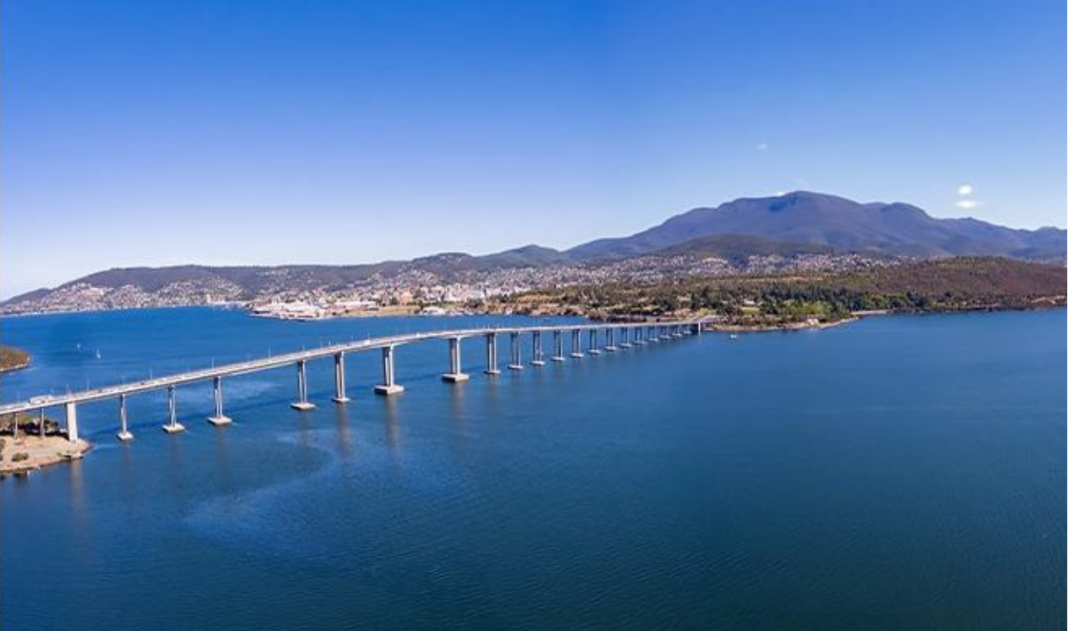

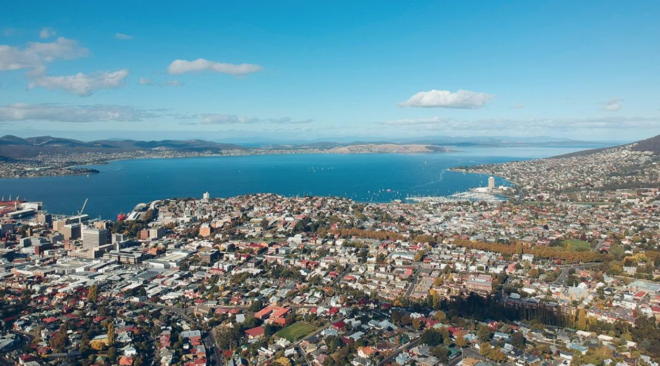
Hobart, Tasmania’s capital, is the kind of city that makes you regret not having come sooner. Mount Wellington/kunanyi that shapes the skyline, Bruny Island’s dolphins, Port Arthur’s convict ruins and Salamanca’s Saturday market are all close enough to fit into the same week. Located in southeastern Tasmania, Hobart sits along the River Derwent, right next to Mount Wellington. The whole place is walkable. And nearly everything worth doing can be reached by ferry or a bus.
Tasmania’s capital is small enough to walk and big enough to keep you busy for a week. If this is your first visit and you’re wondering how to divide your days, here are some of the best things to do in Hobart. This is the best of Hobart in a week: three ways to spend your energy, three places that stay with you, and two flavours you’ll want to bring home
Experiences to Have
Hobart’s geography does most of the work for you and that’s what makes the city’s Hobart experiences so easy to string together. The river, mountain and an old railway line each pull you out from the comfort of your hotel room in a different way, and the hard part of the journey thus becomes the confusion of which one to start with instead of what to do.
- Cruising the Derwent & Beyond
The Derwent River is the first thing you should see and the last thing you will forget. It’s wide and clear, with Oak valleys adding to the charm. The good thing about experiencing it on the Hobart cruises is that you can choose how much river you want according to your schedule. Short Derwent River sightseeing cruises take you to iconic tourist attractions like the Hobart skyline, Tasman Bridge, Battery Point, Sandy Bay and more depending on your package. If you’d rather eat while you’re at it, lunch and dinner cruises do the same stretch of water with a table and a plate of fresh Tasmanian seafood, and you can enjoy the calm afternoon or have a relaxed stargazing experience.
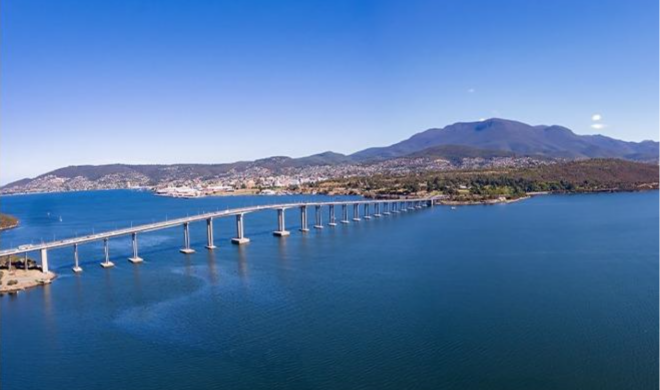
Then there are the ones that leave the river altogether. Tasman Island cruises head down to the Tasman Peninsula and explore the Tasmanian Devil Unzoo, Port Arthur Historic Site, Cape Raoul and more. Bruny Island cruises go south to a different island and a different mood: sea caves, blowholes, a coastline that feels a long way from anywhere.
- Hiking Mount Wellington
kunanyi / Mount Wellington is 1,271 metres tall and sits about 21 kilometres from the city centre, roughly a 30-minute drive. You can go straight to the summit by car or on the Explorer Bus, and on a clear day the view runs down to the Tasman Peninsula and west into the Southwest wilderness. It’s cold up there, even in summer, so pack more layers than you think you’ll need.
Walking tracks also lead to the summit, starting at The Springs, a picnic ground roughly halfway up the mountain. The standout is the Organ Pipes track, which runs beneath dolerite columns that look like a pipe organ someone left out in the weather for a few million years. It’s a couple of hours return on decent shoes. Climbers hang off the rock above you. The tougher option is the Zig Zag track up to the summit from the same start point, and that one earns its name.
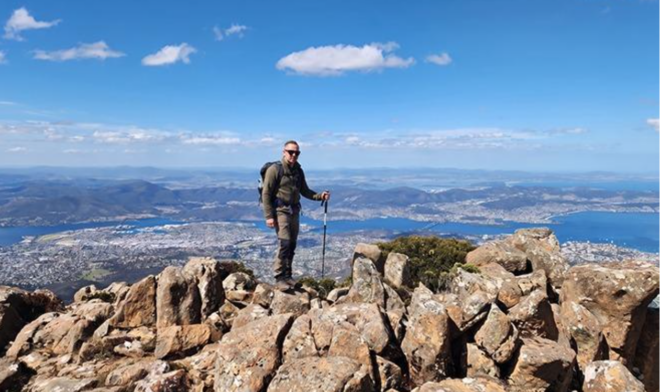
Check whether Pinnacle Road, the main access route for hikers, is open before you leave your accommodation. It closes in snow and ice, and it does snow up there in the middle of the year.Cycling the Intercity Cycleway
Not every Hobart experience needs a booking. The Intercity Cycleway is roughly 16 kilometres of flat, sealed path along an old railway line, running from near the Regatta Grounds by the waterfront out to Claremont in the northern suburbs. It follows the river Derwent for the first stretch, ducks under the Tasman Bridge, skirts the edge of the Royal Tasmanian Botanical Gardens, and moves towards the Cornelian Bay.
Ride far enough north, and you’re a couple of kilometres from MONA, which is where a lot of people finish before catching the ferry back to town. Bikes and e-bikes are easy to hire in the city, and shared e-scooters are available, if pedalling isn’t your thing.
Places to Visit
If you’re deciding on the best places to visit in Hobart, start with the ones that carry the most history and the best views.
- Battery Point & Salamanca Place
Salamanca Place is a row of Georgian sandstone warehouses from the 1830s that now hold galleries, cafes and bars. That’s the weekday version. On Saturday morning it turns into Salamanca Market, which has run every week since 1972 and now stretches to more than 300 stalls of produce, timber work, cheese, bread and hot food, from 8.30 in the morning until 3. Get there before 10 if crowds bother you.
From the market, walk up Kelly’s Steps. They were cut in 1839 and still do the same job, which is, get you from the docks to Battery Point without going the long way round. Battery Point is Hobart’s oldest suburb, named for the guns installed on the point in 1818 to guard the port and protect early Hobart Town from perceived maritime threats. It has narrow lanes, colonial cottages, local bakeries and pubs, and stunning views with the river peeking through at the ends of streets.
- MONA
The Museum of Old and New Art opened in January 2011 and has been dividing opinion since. It belongs to a professional gambler named David Walsh, sits about 11 kilometres north of the city at Berriedale, and is dug into a sandstone headland on the western bank of the river. There’s no natural light inside. No wall labels either. You get an app instead to read about and rate the artworks.
The way to arrive is by ferry from Brooke Street Pier, which takes 25 to 30 minutes and drops you at the bottom of 99 steps. An accessible tunnel and lift are available if you cannot use the stairs. Some visitors love it. Some hate it. Almost nobody is bored. There’s a winery, Moorilla, on the grounds if the art gets too much. It’s usually closed on Tuesdays and Wednesdays, so check the days before you plan around it, and adult entry is somewhere in the mid-$30s.
- Port Arthur Historic Site
Port Arthur is 90 minutes’ drive southeast of Hobart on the Tasman Peninsula and it takes you back to the darker days in history. It was a penal settlement from the 1830s until 1877, and in 2010 it was inscribed on the World Heritage list as part of a group of Australian convict sites. There are more than 30 buildings and ruins spread over 100-odd acres, so give it three or four hours at least. Your ticket is valid for two consecutive days and includes a short harbour cruise around the Isle of the Dead.
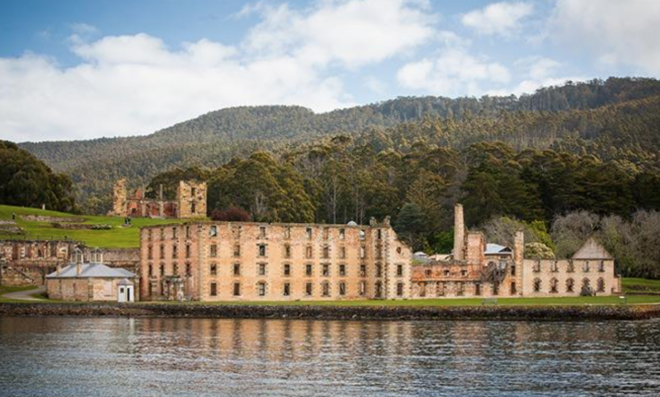
The site is quiet in a way that catches you off guard. The lawns are green, and the water is still, contrasting with its history, which is far from gentle. Go with a full tank and a plan to stop somewhere on the Arthur Highway on the way home.
Flavours to Try
Hobart’s food scene punches above its size, and no visit is complete without sampling the best of Hobart food — from farmhouse cheese to award-winning whisky.
- Tasmanian Cheese & Local Produce
Tasmania’s food reputation is real, thanks to the cool climate, rich soil and small local producers who aren’t in a hurry to scale up. Salamanca Market on Saturday is the shortcut to experience the local produce in one stop: honey, sourdough, smoked fish, artisan cheeses, wines and meat from a handful of small-scale makers whose whole output would fit in a van.
The one most people go looking for is Bruny Island Cheese Co., started by Nick Haddow in 2003 after a decade learning from cheesemakers overseas. Their cellar door is on Bruny Island itself, and they added a brewery behind the cheesery in 2016, so you can pair a washed rind with a farmhouse ale on the same picnic table. If you can’t make it to the island, ask around Salamanca. Their cheese turns up in the city too.
- Whisky Trails
Want to know an interesting Whisky tale? Distilling was effectively banned in Tasmania for the better part of 150 years, starting from 1893, until a man named Bill Lark challenged it in the early 1990s and got a license. Lark’s first barrel was distilled in 1992. Sullivans Cove followed in 1994. Twenty years later, Sullivans Cove won world’s best single malt at the 2014 World Whiskies Awards, and Tasmanian whisky stopped being a curiosity.
There are now more than 30 distilleries across Tasmania. In and around Hobart, Lark has a cellar door and whisky bar down on the waterfront, and Sullivans Cove runs tours and tastings in Cambridge, a small town near Hobart Airport, about 15 minutes from the city centre. Both are walk-in friendly. Neither is cheap. Buy a bottle anyway.
Wrapping Up
Hobart rewards people who slow down. You could rush the mountain, the market and a museum into a single day, and you’d have a fine time. But the city works better in layers. Water one day. Rock and ruins the next. Cheese and whisky in the gaps. Give it four days if you can find them, and you’ll leave planning the return.