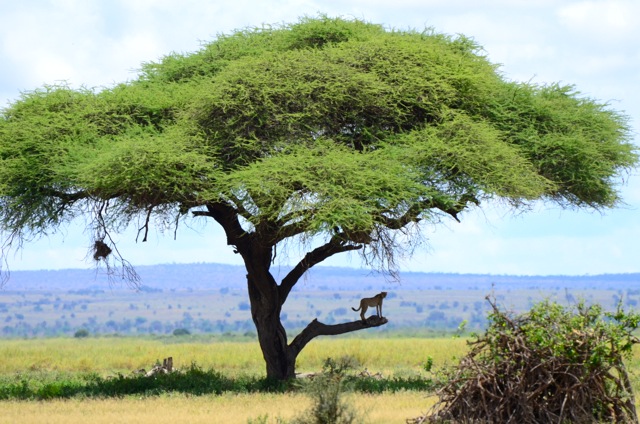
Modern transport has made it possible to cross countries and regions quickly, but packed itineraries can leave little time to understand the places between major stops. Slow travel takes a different approach, with longer stays, overland journeys, regional transport, and fewer destinations built into a single trip.
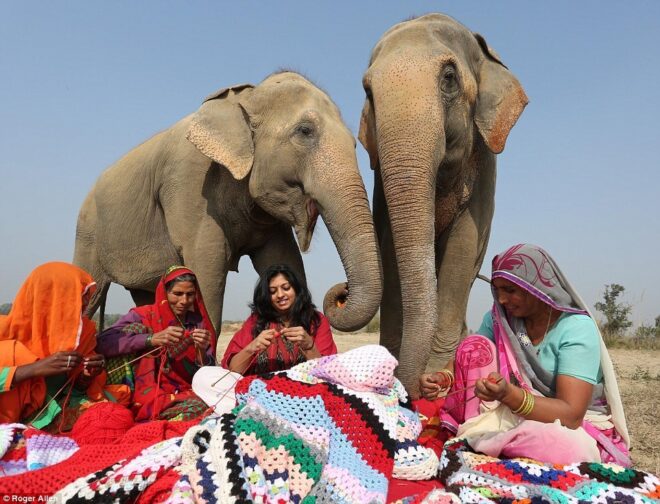
The environmental impact depends on how people travel, but choosing trains, buses, ferries, or other lower-impact options in place of frequent flights can reduce transport emissions. Spending more time in one area can also mean fewer transfers and more opportunities to explore local neighbourhoods, landscapes, food traditions, and public transport. In this way, getting from one place to another becomes part of the trip instead of something to rush through.
England’s West Country Reveals Itself Slowly by Train
The rail line running from London Paddington into England’s West Country offers a clear alternative to navigating narrow rural roads by car. Great Western Railway services continue through Devon and Cornwall, with the route along the sea wall at Dawlish treating passengers to direct coastal views before trains continue toward Torbay and the southwest.
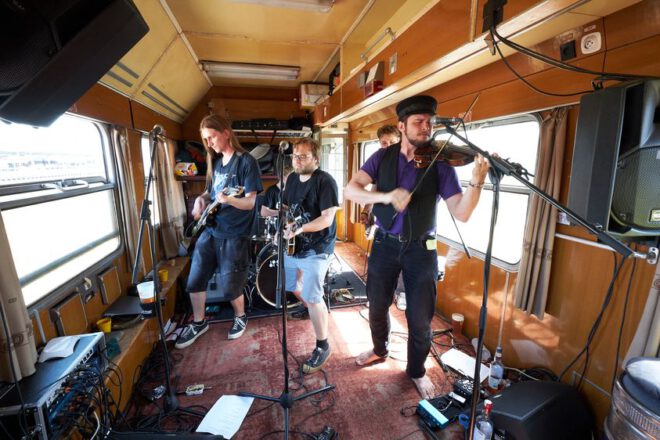
From Exeter, regional lines extend into coastal areas, including services toward Paignton, while Cornwall’s branch lines include the scenic St Ives Bay Line. Taking the train can reduce the need for a rental car and may also lower transport emissions, depending on the journey. Rail works well for those planning tours to Devon and Cornwall, especially when the aim is to visit several towns without congesting local roads with another car.
Stations such as Totnes and Truro also provide access to town centers and onward local transport, making it easier to explore without relying on a car for every leg of the trip.
Slovenia Built Its Tourism Model Around Staying Longer
Slovenia has made sustainability a central part of its tourism strategy through the Green Scheme of Slovenian Tourism. The national certification program assesses destinations across areas including environmental management, nature protection, culture, and tourism development, while encouraging destinations and tourism businesses to improve their performance over time.
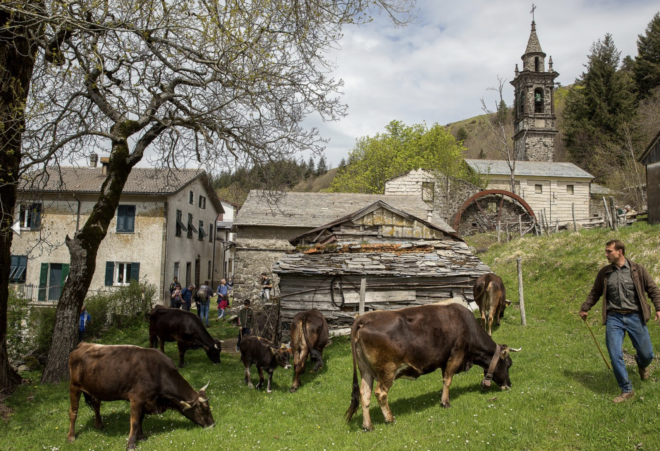
Bohinj is one practical example. Parking around Lake Bohinj is regulated, while visitors are encouraged to use buses, bicycles, and seasonal shuttle services to reach popular trailheads and attractions. The destination also asks guests staying locally to leave their cars at their accommodation where possible and use public transport during their stay.
Long-distance routes are another reason to spend more time in the region. The 270-kilometre Juliana Trail follows 16 stages around the Julian Alps and Triglav National Park, passing through towns and villages where walkers can stop between sections of the route. Visitors staying at least two nights with participating Bohinj accommodation providers are also eligible for the Julian Alps: Bohinj Card, which includes public-transport benefits and encourages car-free travel around the area.
Ireland’s Wild Atlantic Way Favours a Slower Pace
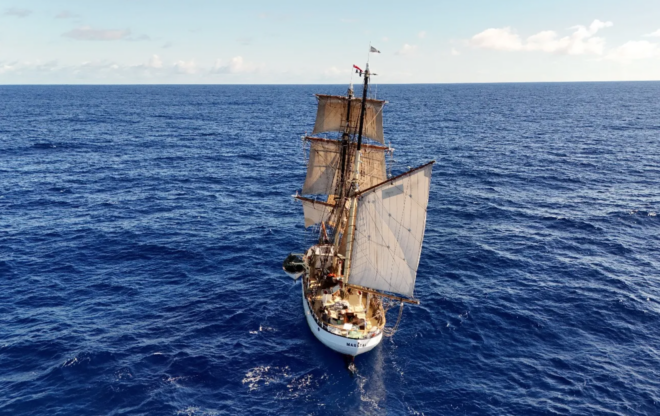
Spanning around 2,500 kilometres from the Inishowen Peninsula in the north to Kinsale in the south, Ireland’s Wild Atlantic Way follows the country’s western coastline through nine counties. Covering the entire route in one trip can mean long stretches of driving, while focusing on individual regions such as the Burren or Connemara leaves more time for walking, trying out local food, and discovering smaller coastal towns.
Using shared transport can also reduce the number of individual cars on narrow rural roads. Joining sought-after small group tours of Ireland can be one option for reaching coastal areas without relying on a single-occupancy rental car for every part of the journey.
Staying in one area for several days also creates more opportunities to explore on foot. In Burren National Park, marked trails cross the region’s limestone pavement and are managed to guide visitors away from more sensitive habitats. Longer stays can also mean more time spent in local cafés, shops, and villages instead of moving on after a brief stop.
Kerala’s Backwaters Are Best Explored by Houseboat
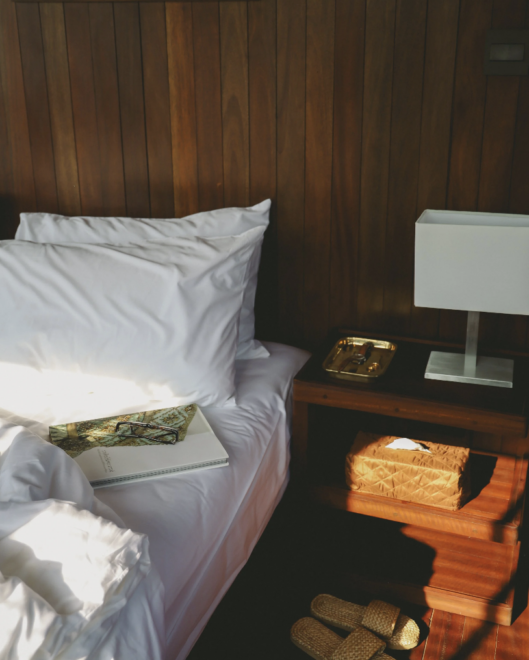
The backwaters of Kerala form a network of interconnected canals, lakes, rivers, and lagoons stretching for more than 900 kilometres along the state’s coast. Traditional wooden vessels known as kettuvallams, originally used to transport rice and spices, have been adapted into houseboats that now carry passengers through areas such as Vembanad Lake and Alappuzha.