Sensitive ecosystems can be damaged when visitor numbers, infrastructure, and human activity grow. Soil erosion, wildlife disturbance, waste, water demand, and habitat loss are among the pressures tourism can create when access is poorly managed.
Well-designed visitor policies can reduce those impacts while also generating money for conservation. Permit systems, biosecurity rules, visitor limits, tourism concessions, and conservation fees give protected-area managers tools to control access and raise revenue for management. The International Union for Conservation of Nature (IUCN) and the Convention on Biological Diversity both identify carefully managed tourism as a potential source of protected-area funding, provided environmental limits and local governance are in place.
The examples in this article show how regulated access can support habitat protection when tourism is treated as part of a wider conservation strategy.
Why Small-Ship Expeditions Are Reshaping Remote Wilderness Travel
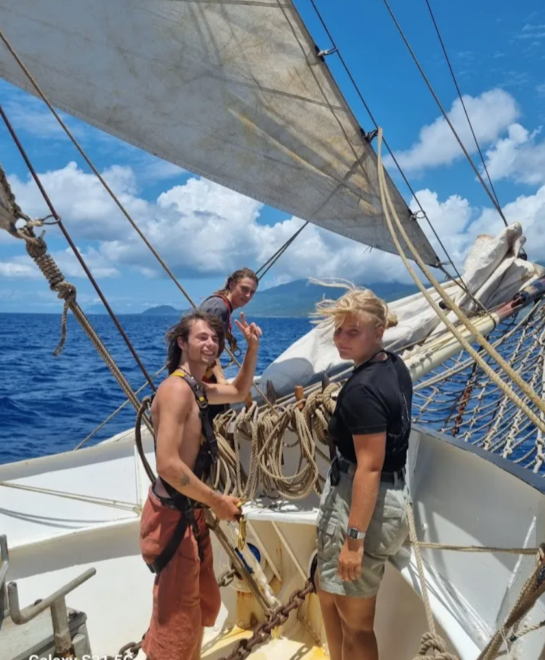
High-latitude marine environments require careful visitor management to reduce disturbance at sensitive landing sites. In Antarctica, International Association of Antarctica Tour Operators (IAATO) member vessels carrying more than 500 passengers operate as cruise-only ships and do not make landings. Where landings are permitted, no more than 100 passengers can be ashore at a site at one time, helping limit the physical footprint of individual visits.
Remote islands also use strict biosecurity controls. On a South Georgia expedition cruise, visitors must follow the Government of South Georgia and the South Sandwich Islands procedures designed to prevent non-native species and disease from reaching the territory. Clothing, footwear, bags, and field equipment are checked and cleaned to remove mud, seeds, invertebrates, and other material before and between landings.

Smaller expedition vessels allow operators to work within passenger limits at landing sites and divide visitors into manageable groups. Ship size alone, however, does not determine environmental impact. Underwater noise can also depend on propeller design, machinery, hull characteristics, speed, and operating practices. Together, passenger limits, controlled landing schedules, and biosecurity requirements provide a clearer framework for reducing visitor pressure in remote polar environments.
What Overtourism Has Already Cost Fragile Ecosystems
High visitor pressure can cause measurable damage to sensitive ecosystems when access and infrastructure are poorly managed. Heavy foot traffic can wear away vegetation and accelerate soil erosion, while recreational boating and concentrated snorkelling or diving can damage shallow coral reefs through anchors, vessel groundings, and direct contact.

Maya Bay in Thailand shows how quickly visitor pressure can overwhelm a small marine environment. At its peak, the bay received nearly 5,000 visitors a day, and authorities reported serious damage to coral and other marine life before introducing strict access controls in 2018. Iceland’s Fjaðrárgljúfur canyon faced a different problem: high foot traffic, combined with wet and thawing conditions, damaged walking trails and surrounding vegetation. Authorities responded with access management, trail improvements, and measures designed to keep visitors on designated paths.

Tourism can also put pressure on wastewater systems. Where infrastructure cannot keep pace with visitor numbers, sewage and runoff can add excess nutrients and pathogens to coastal waters. Nitrogen and phosphorus pollution can fuel algal blooms and reduce oxygen levels, damaging aquatic ecosystems. These examples show why sensitive destinations need visitor limits, suitable infrastructure, and active monitoring instead of unrestricted access.
The Rise of Private, Low-Volume Charters in Protected Waters

Tourism in the Galápagos operates within a tightly managed network of protected visitor sites. The Galápagos National Park Directorate currently oversees 176 authorised marine and terrestrial sites, with permitted activities defined for each location. Tourism vessels also operate under authorisations that specify where they can visit, their schedules, and passenger numbers.
These controls matter for travellers booking a private Galapagos cruise, since vessels follow approved itineraries instead of choosing landing sites freely. Park rangers monitor tourism operations to check that vessels comply with authorised sites, schedules, passenger numbers, and guiding requirements. The park also monitors how visitor groups are distributed across sites as part of its wider conservation management.
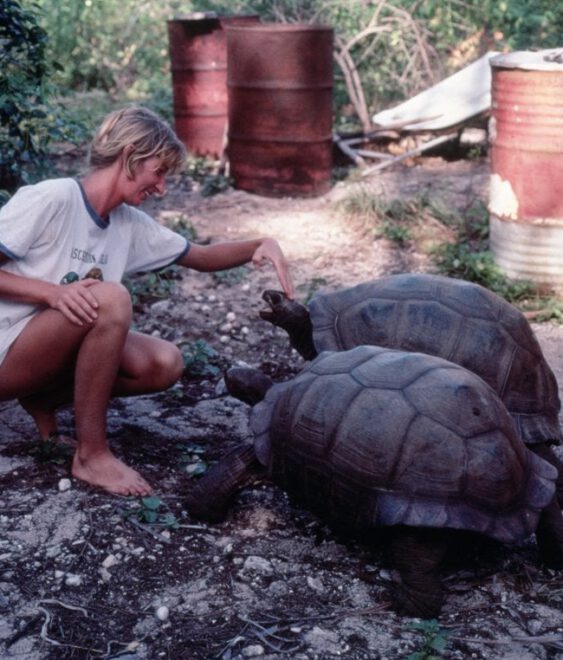
Private and small-vessel tourism still creates environmental pressures, so vessel size alone should not be treated as proof of low impact. What matters is how the operation fits within park rules governing access, visitor numbers, authorised activities, and site management. This regulated system gives conservation authorities greater control over where and when tourism takes place within protected areas.
How Capping Visitor Numbers Can Fund Local Conservation
Direct access fees paid by visitors can provide important funding for protected-area management. Park authorities can use entry fees to finance environmental monitoring, conservation programs, and visitor infrastructure. When paired with carefully managed visitor numbers, these fees can generate revenue while helping reduce pressure on sensitive ecosystems.
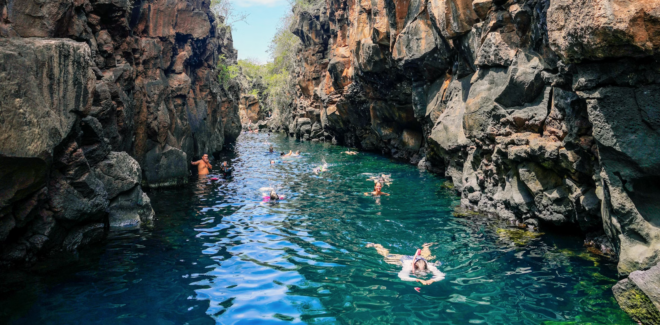
The Galápagos National Park Directorate strengthened this funding model in August 2024 by increasing the standard entry fee for foreign visitors aged 12 and over from $100 to $200 per person. Revenue from the fee is distributed among the National Park Directorate, the Galápagos biosecurity agency, local governments, and other public institutions, with half allocated to the management and conservation of protected areas. Tourism fees in South Georgia also support environmental protection, including scientific monitoring, habitat restoration, and measures to prevent the return of invasive species.
Targeted fee structures can also direct tourism revenue toward local communities. In the Galápagos, part of the entry-fee revenue distributed to local authorities supports services including health, education, sanitation, and environmental management. Linking tourism income with conservation and community needs gives protected areas another financial tool for managing visitor pressure over the long term.
Why Traveller Behaviour Now Shapes Wildlife Protection Policy
Conservation policies increasingly regulate individual behaviour within protected natural areas. Wildlife managers use minimum-distance rules and other visitor guidelines to reduce disturbance around native species. These measures are especially important at breeding, nesting, and feeding sites, where repeated human intrusion can disrupt normal wildlife behaviour.
Required distances vary by species and location. In Antarctica, International Association of Antarctica Tour Operators (IAATO) protocols require visitors to remain at least five metres from wildlife and avoid blocking animal pathways or disturbing breeding areas.
Other jurisdictions set their own rules. In the United States, for example, NOAA recommends staying at least 100 yards from large whales, with stricter legal limits applying to some species and regions.

Individual biosecurity compliance also helps protect isolated wildlife populations from introduced organisms and pathogens. Boot cleaning, clothing inspections, and equipment disinfection are used in Antarctica and South Georgia to reduce the risk of carrying seeds, invertebrates, or disease between sites. As environmental authorities refine these standards, visitor behaviour remains an important part of reducing human pressure on vulnerable species.
Can smarter travel choices save wild places?
Unchecked human access can damage fragile ecosystems, but total isolation is not practical for many protected areas. Capping visitor numbers, enforcing strict biosecurity protocols, and managing how people move through sensitive environments can reduce visitor pressure while generating revenue for conservation. Evidence from regulated destinations shows that structured management can support habitat protection while providing funding for park oversight.

In places where tourism is permitted, wilderness protection will require carefully managed access alongside broader conservation policies. Visitor limits, conservation fees, monitoring, and clear enforcement can help vulnerable marine and terrestrial areas manage tourism while directing revenue toward environmental protection and restoration.