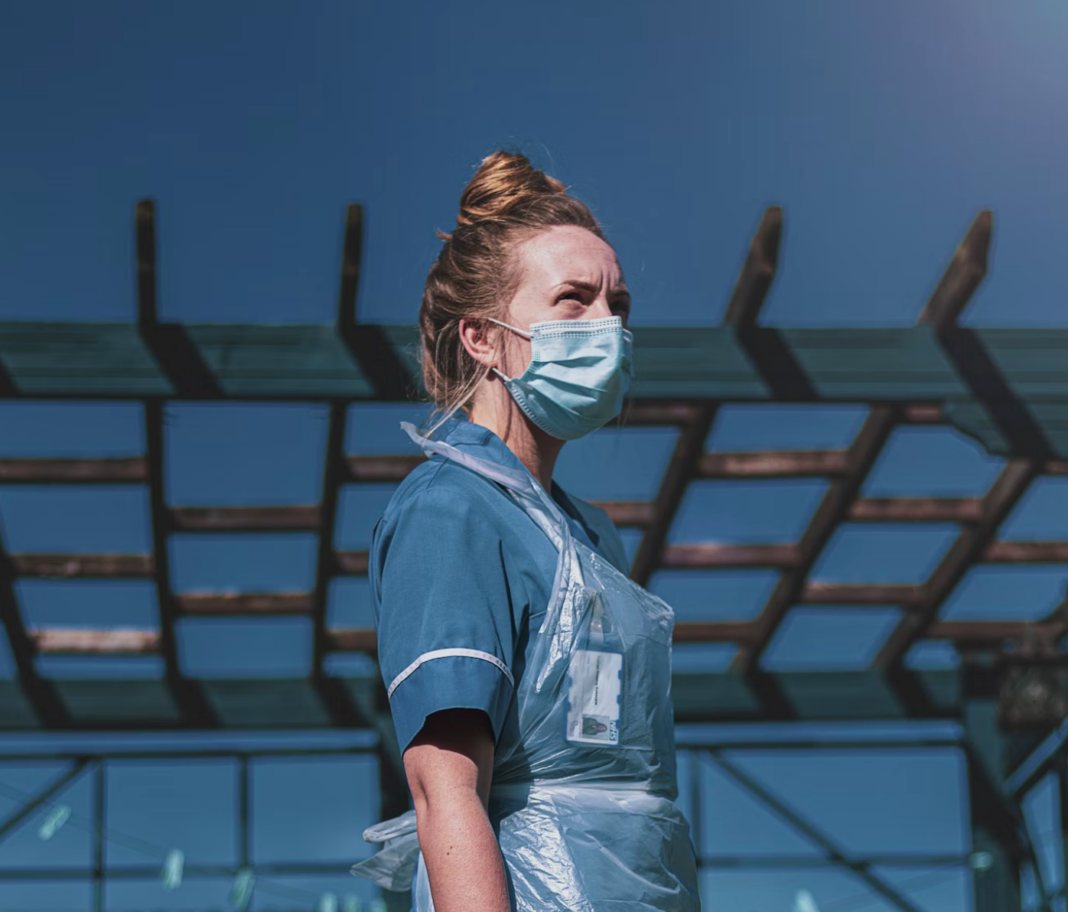

Nursing can be an extremely rewarding career; few other professions allow you to have such a direct impact on the health and happiness of others, or provide such a deep sense of purpose and fulfilment.
At the same time, nursing can be a very demanding career. It’s fast-paced and high-stress, time and resources are often limited, and decisions can literally mean life or death. Burnout is common, and a significant proportion of newly qualified nurses leave the profession within their first year.
Succeeding in this environment, particularly long-term, takes a specific type of person. They need a unique set of skills, a specific personality, and a clearly defined set of values.
Let’s take a closer look at the characteristics that the most successful nurses share.
They genuinely care about people
Being concerned about the well-being of others is fundamental to the role of a nurse. It’s what turns clinical treatment into meaningful care. It’s also what makes the difficult parts of the job, the heartbreaking developments, and the ‘gross’ moments worthwhile.
This isn’t something that can be faked or even learned. Real empathy and compassion are required to build trust and connection with patients and colleagues. To see past the symptoms to the person underneath; acknowledge their fears, hopes, and individual circumstances; and advocate for their best interests.
Importantly, while a nurse’s care for others must be genuine, it also needs to have clear boundaries. They can understand and acknowledge a patient’s emotions and concerns, but they do not assume responsibility for them. This can be a difficult balance to strike, but it’s necessary to be as supportive as possible without getting overwhelmed.
Strong communication skills underpin this, with nurses often acting as the bridge between patients and the healthcare system. They need to be able to accurately explain complex medical concepts in simple language and sensitively manage difficult conversations. They also need to maintain detailed records of interactions, thus ensuring that important information is clearly conveyed to other care team members.
They like solving problems
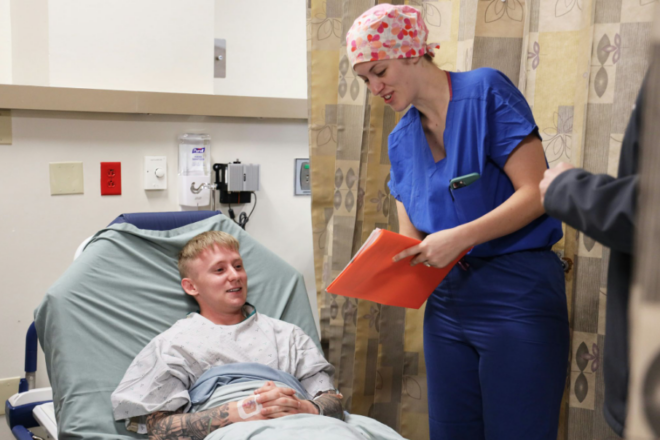
Planning and delivering treatment is often like trying to put together a puzzle.
The patient will usually provide some of the pieces, describing their symptoms and other important details. Technical knowledge and clinical experience will also provide some guidance on putting everything together. But nurses have to work out the answer, finding the missing pieces of information and facilitating the solution.
Often, this will mean working with the patient to understand the whole picture. Thoughtful questions may be required to uncover details the patient didn’t realize would be important. And careful observation could be required to pick up on subtle clues and spot when details are being held back.
It will also often mean collaborating with doctors, therapists, and other medical specialists. Synthesizing information and insight from multiple sources may be needed to determine the best course of action. And advocating for the interests and preferences of the patient may be necessary to ensure treatment plans are suitable and effective.
Decisiveness is also essential. As their first point of contact, nurses are generally best positioned to notice a sudden change in a patient’s condition. When they do, they need to quickly analyze the situation, determine whether escalation or immediate action is required, and execute that confidently.
They notice things others don’t
In healthcare, small things can make a big difference. For example, a simple typo or slight misreading of a medication dosage can have dire consequences. This makes accuracy and strong attention to detail critical.
To assist with this, procedures often require nurses to double and triple-check their work. Most facilities have strict standards for record keeping, tidiness of workspaces, and use and storage of consumables. For that reason, administrative systems tend to be rigidly structured to reduce the risk of mistakes and missed information.
As common activities like taking vitals and administering medications are often time sensitive, consistency and punctuality are also important. But again, speed needs to be balanced against the requirement for precision, with nurses needing to both work quickly and maintain accuracy. This has been exacerbated by staffing shortages, which have become a national crisis.
An interest in continuous growth and ongoing education is also required to keep pace with the latest research, technology, and practices. For those looking to further develop their professional skills, structured pathways, like those offered by Rockhurst University, support ongoing education for nursing professionals. Less formal, on-the-job training and mentorship are also good ways to keep skills sharp and knowledge current.
They are comfortable with ambiguity
Healthcare is not always an exact science, and experimentation is sometimes needed to accurately diagnose and plan treatment. This process can, understandably, create some discomfort for patients and their families, and it requires careful management to minimize anxiety and maintain their trust. More than this, it also requires nurses to embrace uncertainty and navigate their way through with curiosity and an open mind.
Resilience is also a characteristic that’s frequently associated with nurses, and for good reason. Nurses are, in general, dealing with people who are at their worst, while still being expected to remain calm and professional at all times, even in the face of open aggression and hostility.
The environment nurses operate in is also extremely dynamic, with new technologies being regularly introduced and patient needs constantly evolving. Working across multiple departments and facilities also means they have to adapt to different cultures and protocols. This demands a high level of flexibility and a willingness to accept change as it comes.
They have a strong support network
Coping with the difficult nature of both the work and environment takes a high level of emotional strength and intelligence. Nurses need to be able to acknowledge when they’re okay, and when they should ask for the help they need.
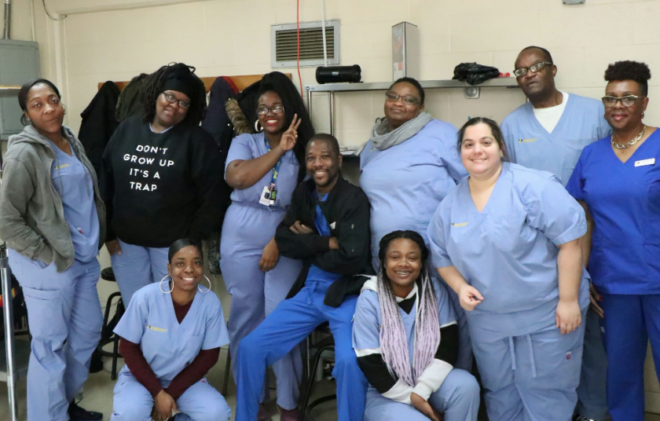
Often, this will mean leaning on their colleagues. The collaborative nature of healthcare makes teamwork essential, and care teams often share strong bonds built on mutual respect. There is also a shared understanding of the difficulties of the job and a willingness to support each other when times are tough.
It also means knowing how to switch off when not on shift. When work time is so demanding, personal time needs to be relaxing and rejuvenating. There needs to be a clear boundary between these two worlds to help stop stress bleeding over.
Most importantly, successful nurses acknowledge and accept the limitations and realities of their role. They understand that perfection is impossible and growth is just as important as performance. They know that, as long as they do their best, their contribution is valuable, whatever the outcome may be.