
Most people in the West have never heard of the jujube or Sidr tree. That’s strange when you think about it. This tough, thorny desert tree has fed people, bees, birds, and camels for thousands of years. It appears in Islamic tradition and it is believed to be the thorns worn by Jesus. And it could be the sacred link to all the monotheistic religions.
Sidr honey sells for astonishing prices. And while cities across the Middle East are struggling with heat, drought, and disappearing biodiversity, the Sidr keeps doing what it has always done: surviving.
I first became interested in the Sidr tree while reporting on desert agriculture projects in the Gulf. Engineers were talking about desalination and AI irrigation systems. Some say the sidr tree can stop desertification. Farmers were talking about native trees. Again and again, one species came up: Sidr. The more I looked into it, the more it seemed that this unassuming tree had quietly become one of the Middle East’s most important plants.
1. It appears in the Quran
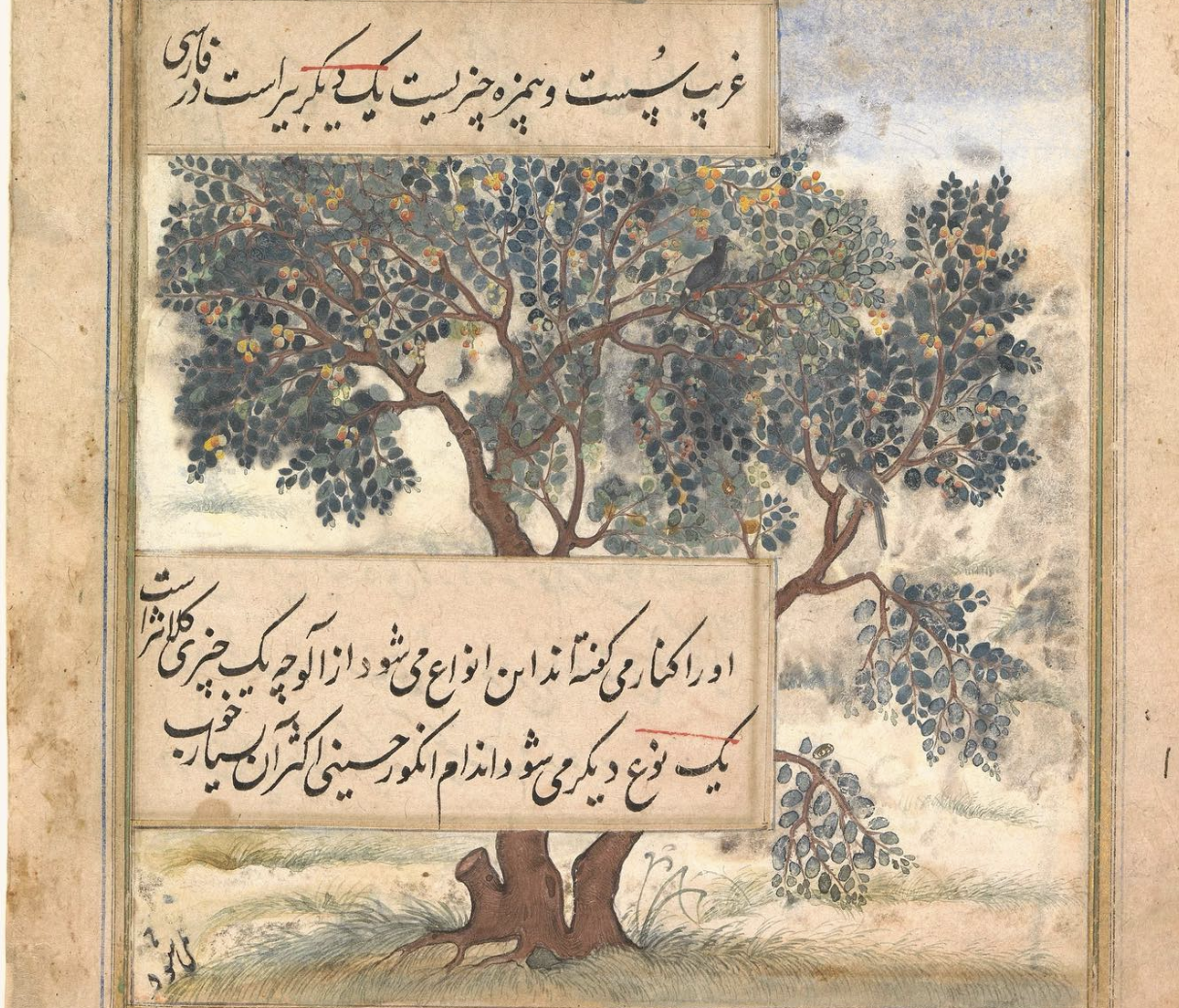
The Sidr tree is associated with the Lote Tree, or Sidrat al-Muntaha, mentioned in the Quran. For many Muslims it is more than a tree. It is a symbol marking the boundary between the known and the unknowable.
2. It laughs at drought
Some trees demand constant attention. The Sidr seems almost offended by the idea. It grows in some of the driest landscapes on Earth, sending roots deep underground in search of water. Long before drip irrigation and smart agriculture, the Sidr had already solved the desert survival problem.
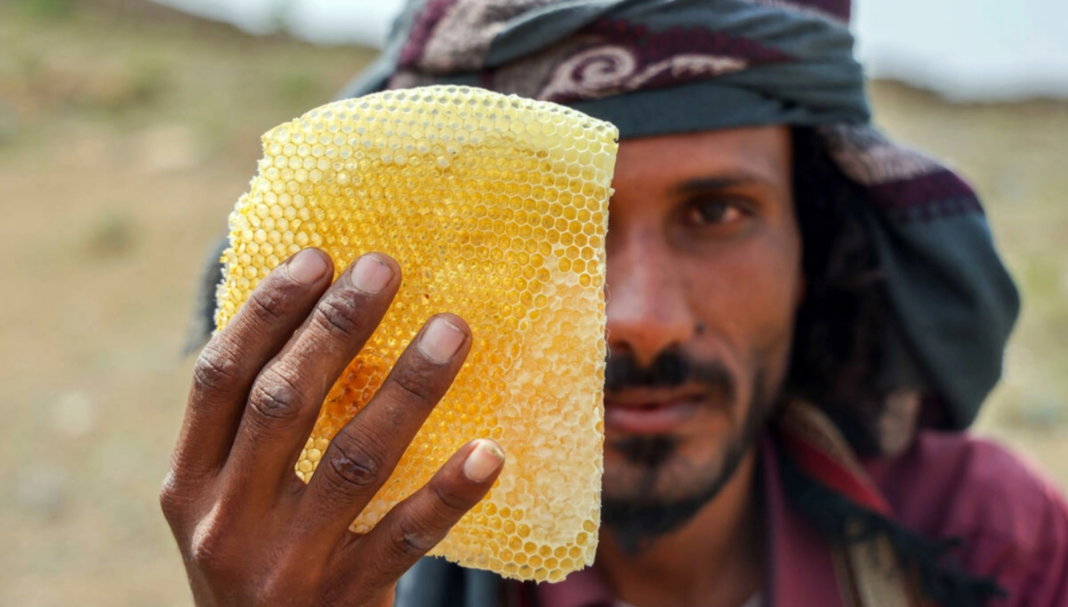
3. Its honey can cost more than gold by weight

Yemeni Sidr honey is legendary. A small jar can cost hundreds of dollars, especially when harvested from remote valleys where beekeepers still work using traditional methods. Whether every health claim surrounding Sidr honey is true is another question. What isn’t disputed is its reputation.
4. It feeds more than humans
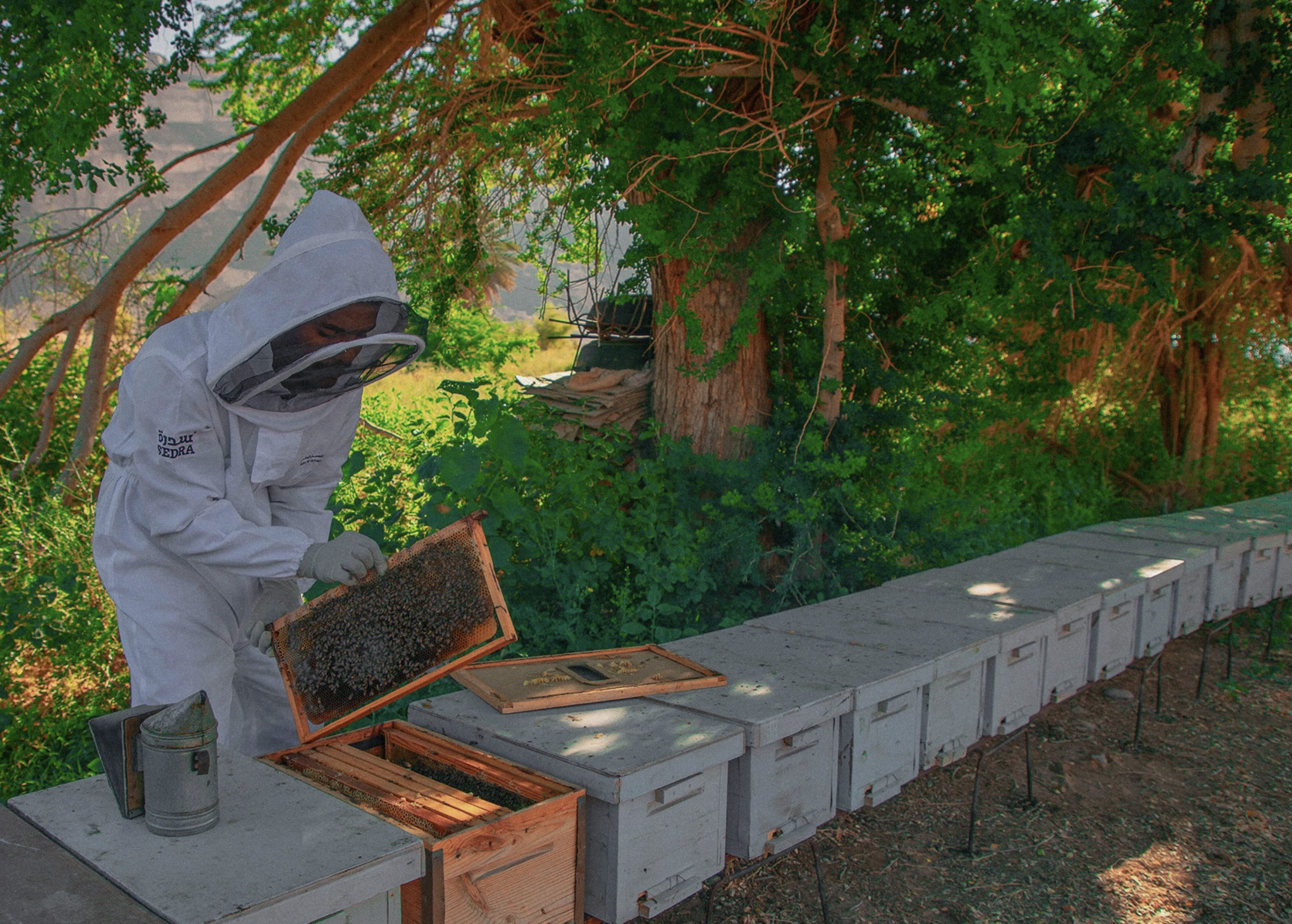
During flowering season, bees swarm its blossoms. Birds eat the fruit. Livestock shelter beneath its branches. A mature Sidr tree is less like a plant and more like a tiny ecosystem.
5. The fruit tastes surprisingly good
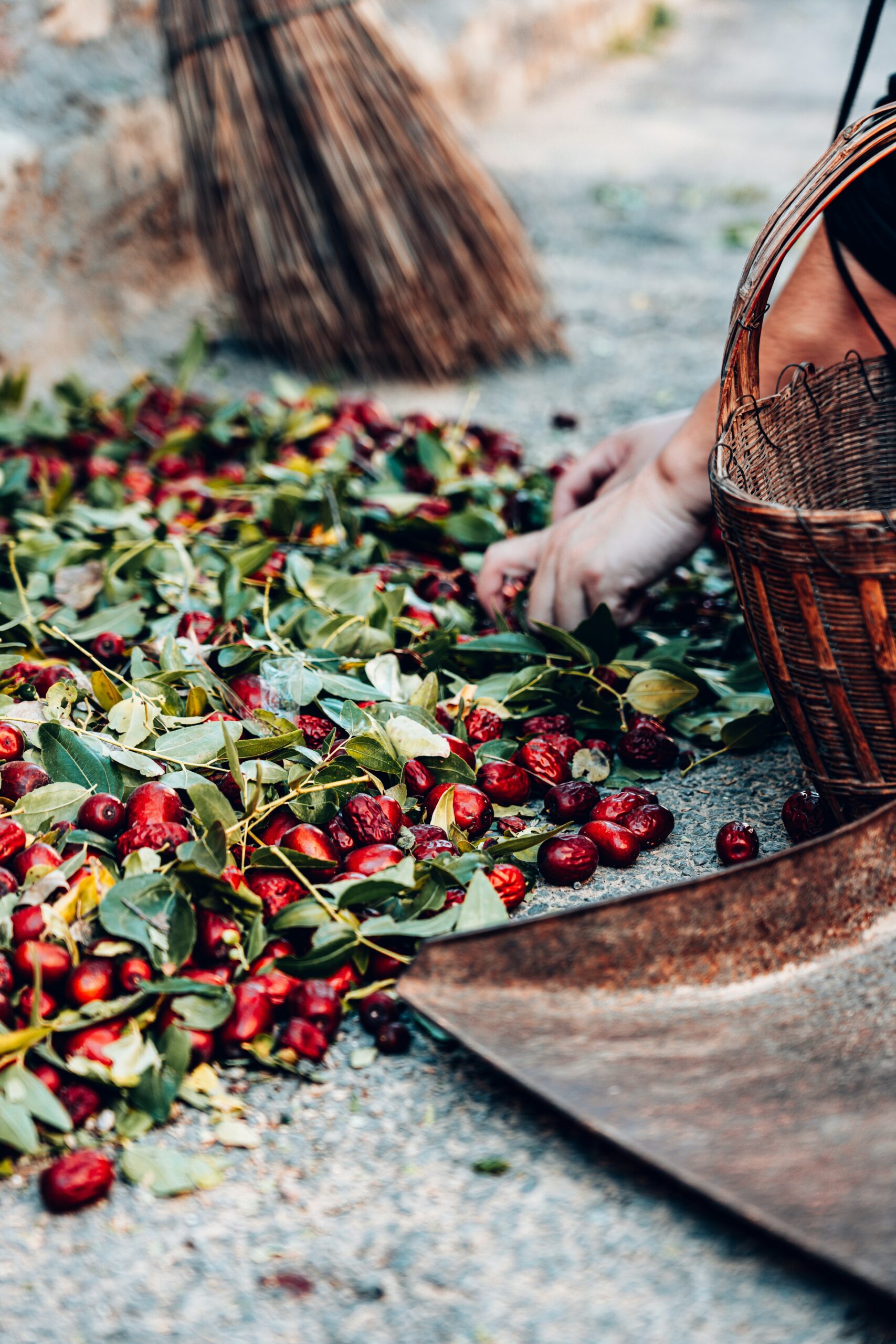
Known as nabq, the fruit resembles a small apple crossed with a date. Children throughout the Middle East have been climbing Sidr trees to snack on the fruit for generations.
6. People wash their hair with it

Long before expensive shampoos arrived in plastic bottles, people crushed Sidr leaves into powder and mixed them with water. Many still do. The leaves create a gentle natural cleanser that remains popular from Morocco to Pakistan.
7. It may help restore degraded landscapes
Saudi Arabia, the UAE, and Oman are investing billions in restoration projects. Not every imported tree can survive those conditions. The Sidr can. Because it evolved in arid environments, it is increasingly being used in reforestation and biodiversity projects across the region.
8. It has serious thorns
The Sidr is not a tree you casually hug. Its sharp thorns help protect it from grazing animals and have likely contributed to its survival over thousands of years.
9. It has been used as medicine for centuries
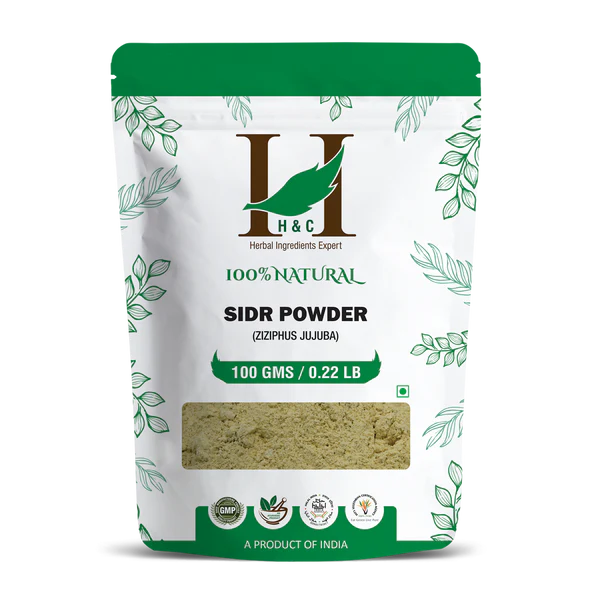
Traditional healers have used Sidr leaves, bark, fruit, and honey for everything from skin conditions to digestive complaints. Modern science is still investigating many of these claims, but the tree’s medicinal reputation stretches back centuries.
10. It might be the perfect climate-change tree
As temperatures rise and water becomes scarcer, native species suddenly look a lot smarter than exotic imports. The Sidr requires little water, supports pollinators, produces food, and thrives in difficult conditions. Not bad for a tree most people have never heard of.
The next time someone talks about futuristic climate solutions, remember the Sidr. It was solving desert problems long before humans started inventing apps to do the same thing.