
UAE Plans To Improve Food Security

food-security-dubai-abu-dhabi-uae

It’s no secret that the Gulf states are heavily dependent on foreign farmlands for their food and no more so than the United Arab Emirates which imports 80% of its food products. Most foods you see stocked in the UAE’s supermarkets will have been brought in from elsewhere ready to sell directly to the consumer and only a tiny portion (around 20-25%) are from locally processed foods.

However, the oil-rich nation has realised the dangers of this crippling food dependency (particularly in an unstable economy) and launched plans to establish a government-owned trading house aimed at securing food supplies.

Tackling A Culture of Food Dependence

For many Gulf states such as the UAE, importing their food became the norm after the oil-bonanza of the late 50’s and 60’s which saw a sharp rise in the population but limited growth in the agricultural sector. Following the food crisis of 2007-8 which saw huge rises in the price of food, however, food security became a big issue for the Gulf states which are understandably concerned about their vulnerability.

In fact, the latest report by the UN Food and Agriculture Organisation found that global food security could fall over the next two years if wheat and maize production does not rise substantially in 2011. Therefore, it makes perfect sense to improve food security and Abu Dhabi is developing a strategy which reportedly includes building food silos in Fujairah in the UAE and promoting local fresh produce. Back in October, an agreement was signed between the Farmers Service Centre which is responsible for agriculture and commercial retailers, so that Abu Dhabi residents could buy locally produced food in major outlets.

Securing Clean and Safe Food

It is still unclear whether the recent announcement marks a significant shift away from the traditional focus on securing arable land elsewhere– particularly in African nations such as Sudan- for food supplies rather than developing domestic self-sufficiency. So far, the UAE’s strategy to improving food security has consisted of food and agricultural investments and buying up fertile lands from across the world. Following recent food scares about the safety of imported foods, however, the country has another reason to increase it’s own domestic food production.

Reports emerged that fruit and vegetables imported from India (which supplies 60% of vegetables to the UAE) may have contained traces of banned pesticides with cancer-causing chemicals. Government officials insisted that all imported food was safe and underwent stringent test before allowed in the market. However some consumers are still wary. Speaking to Bikya Masr, one mother from Dubai said, “I am definitely going to try and search out other vegetables and fruits…I just can’t risk it with my family.” By 2030, the population of the Arab world is expected to reach 480 million people and so the time to secure clean and safe food is now.

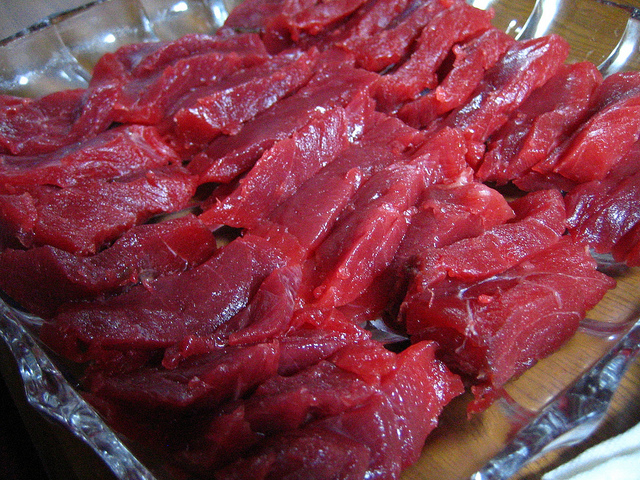
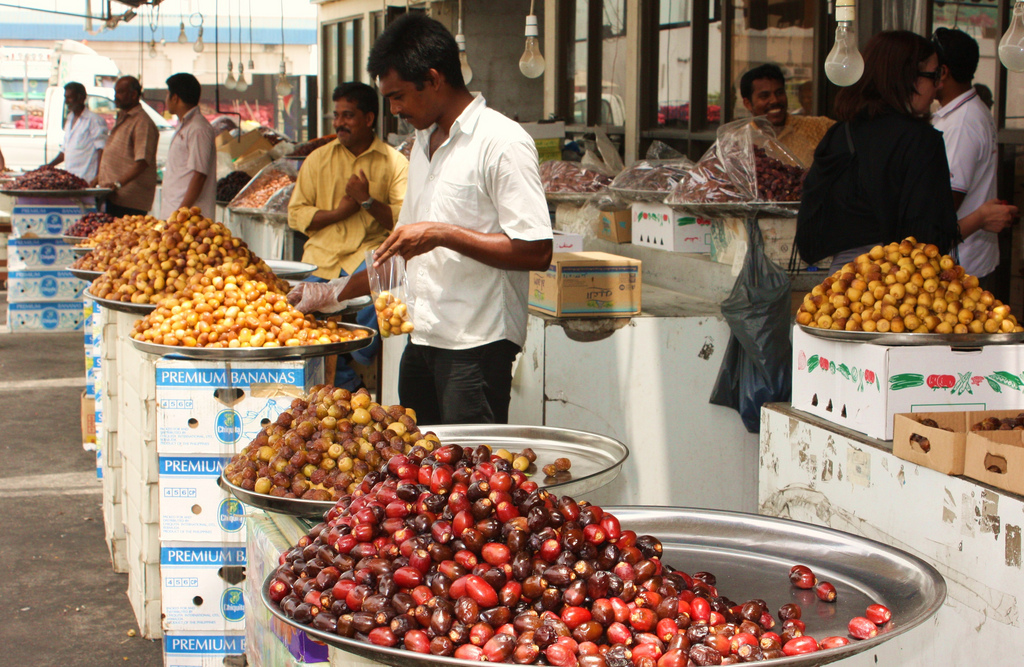
: Image via jemasmith on flickr.

::For More on Food in UAE see:
Missing That Special Herb? Abu Dhabi Pesticide Testing Slows Supply

A Growing Gulf Dependent on Imported Food

Gulf Countries Are Picking From Sudan’s Breadbasket

Arwa Aburawa
Arwa Aburawahttp://www.greenprophet.com
Arwa is a Muslim freelance writer who is interested in everything climate change related and how Islam can inspire more people to care for their planet and take active steps to save it while we can. She is endlessly suspicious of all politicians and their ceaseless meetings, especially as they make normal people believe that they are not part of the solution when they are the ONLY solution. Her Indian auntie is her model eco-warrier, and when Arwa is not busy helping out in the neighborhood alleyway garden, swap shopping or attempting fusion vegetarian dishes- with mixed success, she’d like to add- she can be found sipping on foraged nettle tea.

Read More

2 COMMENTS

TRENDING

Etihad offers free travel insurance to any visitor to the UAE

Talk about a way to woo your visitors. Etihad, the UAE's national carrier has decided to offer free travel insurance to visitors heading to the UAE.

5 Reasons Why You Should Save Seeds (and plant them)

Saving seeds from tomatoes, peppers, herbs and flowers helps preserve biodiversity, strengthen food security, and keep heirloom varieties alive. Even a small balcony garden can make a difference.

Abu Dhabi Put QR Codes on 100,000 Native Trees. Damage One and It Could Cost You $2,700

The Sidr Tree (Ziziphus spina-christi) also known as the jujube tree, may be the most culturally significant of them all. Mentioned in Islamic tradition and valued for its medicinal properties and prized honey, the Sidr has become a symbol of resilience across the Arabian Peninsula.

Meet Seramic Materials from Abu Dhabi

Based in Masdar City, Abu Dhabi, Seramic Materials was founded in 2019 by Dr. Nicolas Calvet and Dr. Jean-François Hoffmann, researchers working at the intersection of renewable energy and materials science. The company grew out of the Masdar Institute ecosystem and is supported by clean tech programs like The Catalyst, with early backing of around $150,000 and more than $2 million invested in research and development over time.

OPEC and energy stocks in the UAE – insight from eToro

Energy equities are responding unevenly to the evolving landscape. Companies with direct exposure to UAE production growth and infrastructure are benefiting from increased activity expectations, while global oil majors face a more mixed outlook.

Yerukim Forms a New Green Economy Where the Money is Really Green

The Yerukim members who pick up the recyclables get to keep the monetary reward, the public earns "green" bills that can be used in shops, and business owners get to be associated with environmentalism.

Choosing Riyadh over Dubai? What Investors Should Know

Saudi Arabia is deploying capital at unmatched scale to catalyze tourism and advanced industry while rewiring its power-and-water backbone. The investable frontier is widening—especially in renewables, grid storage, water efficiency/desal retrofits, and hospitality operating platforms. Prudent investors will insist on phased delivery, enforceable KPIs (energy, water, biodiversity), and RHQ/zone compliance—while pricing political-economy and reputational risks alongside growth upside.

Sell your cooking oil for biodiesel money

Want to make money on old french fry oil? Sell it.

Qatar Alternative Energy Summit Pairs Investors And Innovators

Alternative energy investors and innovators can meet n' greet in Doha, Qatar March 16 and 17.

Here’s How To Implement The Four Pillars Of Employee Engagement

If you throw a party for your work team and they are vegans, don't make it a barbecue. Know the sustainability values of your team to boost moral and retain good people.

Locals From Rishon Fight IKEA

Big Box stores are a pretty new concept in Israel, and thank God that not every Israeli city wants them in their backyard. A word from someone who has see the beautiful farmland around her hometown Newmarket, Ontario stripped and converted into vulgar strip malls of big box shops: they have no place in a healthy and sustainable town or city.

The Jewish National Fund Meets An Inconvenient Truth

According to the JNF, it has transformed thousands of acres of barren land into green forests in Israel. They state that each person emits about 23 tons of carbon per year, estimating that each tree planted can absorb one ton of carbon in its lifetime. That's a whole lot of trees you'd need to be planting. Could so many fit in Israel?

How to quiet noise from construction in your office

Streets need to be resurfaced in New York but the humming and grinding noise is unsettling. Noise is environmental pollution. 

Popular Categories