
UAE Plans To Improve Food Security

food-security-dubai-abu-dhabi-uae

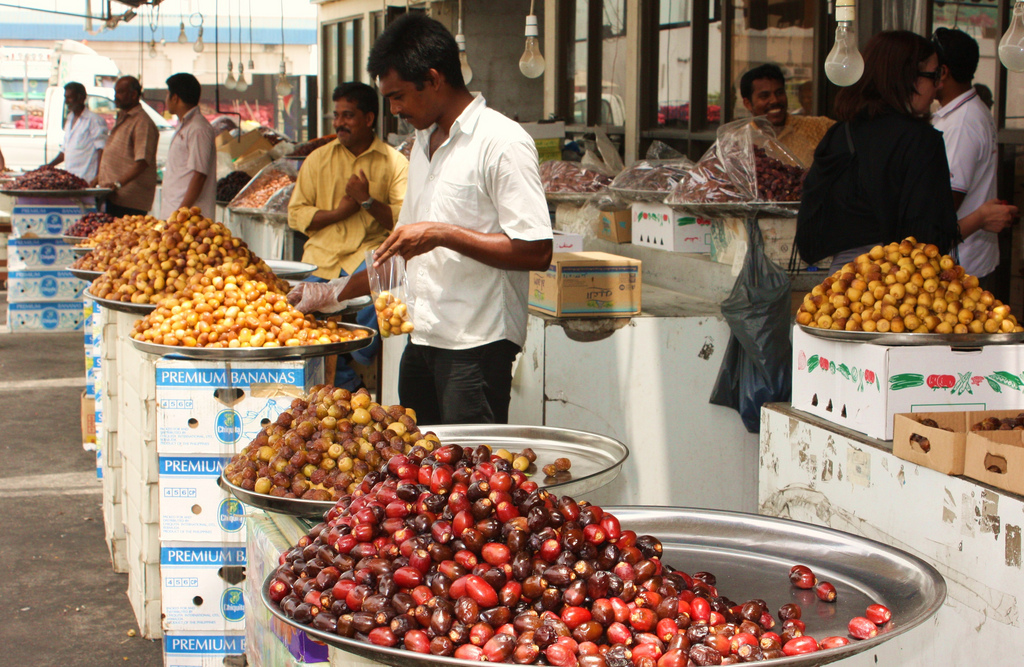
It’s no secret that the Gulf states are heavily dependent on foreign farmlands for their food and no more so than the United Arab Emirates which imports 80% of its food products. Most foods you see stocked in the UAE’s supermarkets will have been brought in from elsewhere ready to sell directly to the consumer and only a tiny portion (around 20-25%) are from locally processed foods.

However, the oil-rich nation has realised the dangers of this crippling food dependency (particularly in an unstable economy) and launched plans to establish a government-owned trading house aimed at securing food supplies.

Tackling A Culture of Food Dependence

For many Gulf states such as the UAE, importing their food became the norm after the oil-bonanza of the late 50’s and 60’s which saw a sharp rise in the population but limited growth in the agricultural sector. Following the food crisis of 2007-8 which saw huge rises in the price of food, however, food security became a big issue for the Gulf states which are understandably concerned about their vulnerability.

In fact, the latest report by the UN Food and Agriculture Organisation found that global food security could fall over the next two years if wheat and maize production does not rise substantially in 2011. Therefore, it makes perfect sense to improve food security and Abu Dhabi is developing a strategy which reportedly includes building food silos in Fujairah in the UAE and promoting local fresh produce. Back in October, an agreement was signed between the Farmers Service Centre which is responsible for agriculture and commercial retailers, so that Abu Dhabi residents could buy locally produced food in major outlets.

Securing Clean and Safe Food

It is still unclear whether the recent announcement marks a significant shift away from the traditional focus on securing arable land elsewhere– particularly in African nations such as Sudan- for food supplies rather than developing domestic self-sufficiency. So far, the UAE’s strategy to improving food security has consisted of food and agricultural investments and buying up fertile lands from across the world. Following recent food scares about the safety of imported foods, however, the country has another reason to increase it’s own domestic food production.

Reports emerged that fruit and vegetables imported from India (which supplies 60% of vegetables to the UAE) may have contained traces of banned pesticides with cancer-causing chemicals. Government officials insisted that all imported food was safe and underwent stringent test before allowed in the market. However some consumers are still wary. Speaking to Bikya Masr, one mother from Dubai said, “I am definitely going to try and search out other vegetables and fruits…I just can’t risk it with my family.” By 2030, the population of the Arab world is expected to reach 480 million people and so the time to secure clean and safe food is now.

: Image via jemasmith on flickr.

::For More on Food in UAE see:

Missing That Special Herb? Abu Dhabi Pesticide Testing Slows Supply

A Growing Gulf Dependent on Imported Food

Gulf Countries Are Picking From Sudan’s Breadbasket

Arwa Aburawa
Arwa Aburawahttp://www.greenprophet.com
Arwa is a Muslim freelance writer who is interested in everything climate change related and how Islam can inspire more people to care for their planet and take active steps to save it while we can. She is endlessly suspicious of all politicians and their ceaseless meetings, especially as they make normal people believe that they are not part of the solution when they are the ONLY solution. Her Indian auntie is her model eco-warrier, and when Arwa is not busy helping out in the neighborhood alleyway garden, swap shopping or attempting fusion vegetarian dishes- with mixed success, she’d like to add- she can be found sipping on foraged nettle tea.
2 COMMENTS

Comments are closed.

TRENDING

BM Studios is designing systems, not just buildings in the UAE

Balsam Madi is an architect and systems thinker whose work bridges culture, sustainability, and design intelligence across the Middle East and Europe.

Farm To Table Israel Connects People To The Land

Farm To Table Israel is transforming the traditional dining experience into a hands-on journey.

UAE Green Finance Report 2025

Masdar is the the UAE’s flagship renewable energy company. Compare it to Neom in Saudi Arabia. Masdar has become one of the world’s most active clean energy investors, with projects in more than 40 countries across six continents. Established in 2006 and jointly owned by ADNOC, Mubadala, and TAQA, Masdar operates and develops solar, wind, and green hydrogen projects with a current portfolio exceeding 50 gigawatts of capacity. Masdar also buys companies, and paid $50 million for this US business Terra-Gen last year. 

Inca Hernández Brings Liwa Farm Village to Life in Abu Dhabi, Rooted in Desert Heritage

Greenhouses, aquaculture systems, and crops of lemongrass and lavender tie the project to contemporary concerns: food security, ecological resilience, and sustainable livelihoods in a fragile region facing climate extremes. 

10 luxury desert resorts the UAE

The 10 best sustainable, desert retreats in the UAE with varying price points.

Turning Your Energy Consultancy into an LLC: 4 Legal Steps for Founders in Texas

If you are starting a renewable energy business in Texas, learn how to start an LLC by the books.

Tracking the Impacts of a Hydroelectric Dam Along the Tigris River

For the next two months, I'll be taking a break from my usual Green Prophet posts to report on a transnational environmental issue: the Ilısu Dam currently under construction in Turkey, and the ways it will transform life along the Tigris River.

6 Payment Processors With the Fastest Onboarding for SMBs

Get your SMB up and running fast with these 6 payment processors. Compare the quickest onboarding options to start accepting customer payments without delay.

Qatar’s climate hypocrisy rides the London Underground

Qatar remains a master of doublethink—burning gas by the megaton while selling “sustainability” to a world desperate for clean air. Wake up from your slumber people.

How Quality of Hire Shapes Modern Recruitment

A 2024 survey by Deloitte found that 76% of talent leaders now consider long-term retention and workforce contribution among their most important hiring success metrics—far surpassing time-to-fill or cost-per-hire. As the expectations for new hires deepen, companies must also confront the inherent challenges in redefining and accurately measuring hiring quality.

8 Team-Building Exercises to Start the Week Off 

Team building to change the world! The best renewable energy companies are ones that function.

Thank you, LinkedIn — and what your Jobs on the Rise report means for sustainable careers

While “green jobs” aren’t always labeled as such, many of the fastest-growing roles are directly enabling the energy transition, climate resilience, and lower-carbon systems: Number one on their list is Artificial Intelligence engineers. But what does that mean? Vibe coding Claude? 

Somali pirates steal oil tankers

The pirates often stage their heists out of Somalia, a lawless country, with a weak central government that is grappling with a violent Islamist insurgency. Using speedboats that swarm the targets, the machine-gun-toting pirates take control of merchant ships and then hold the vessels, crew and cargo for ransom.

Related Articles

Popular Categories