
Meet Seramic Materials from Abu Dhabi

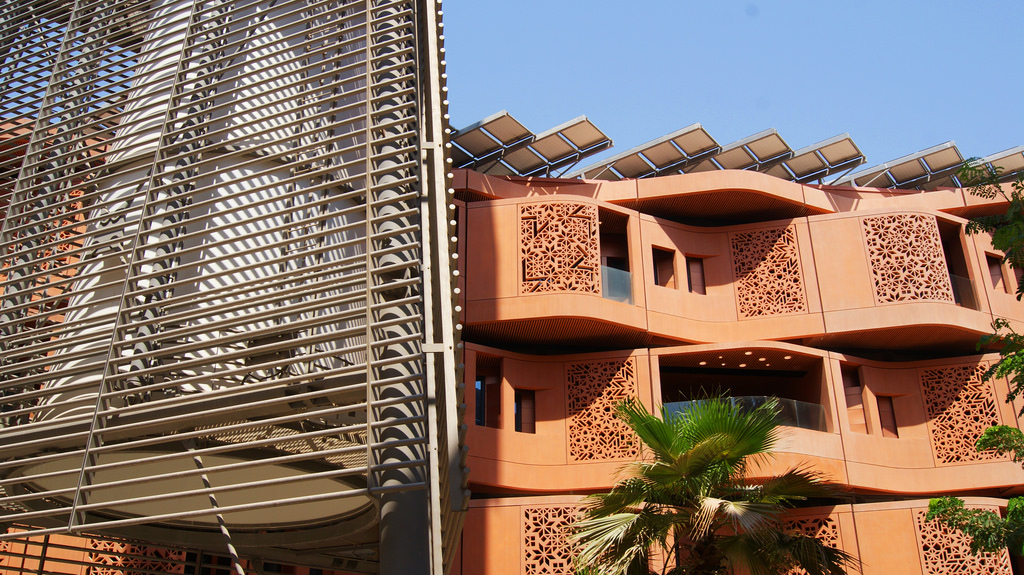
Seramic materials and the facade at Masdar, a zero-energy city that failed to create community but which passed tests in building standards

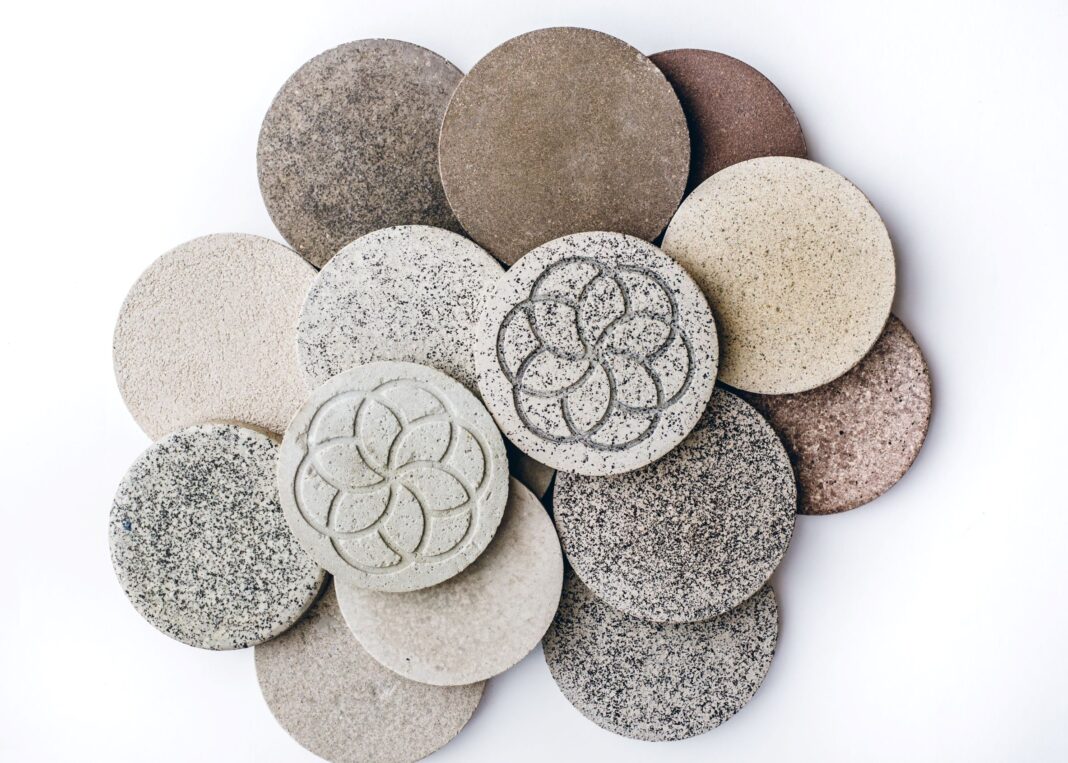
Seramic Materials is part of a new wave of companies rethinking what ceramics are made from and what they can do. Instead of digging raw materials out of the earth, they are using what industry throws away.

Based in Masdar City, Abu Dhabi, Seramic Materials was founded in 2019 by Dr. Nicolas Calvet and Dr. Jean-François Hoffmann, researchers working at the intersection of renewable energy and materials science. The company grew out of the Masdar Institute ecosystem and is supported by clean tech programs like The Catalyst, with early backing of around $150,000 and more than $2 million invested in research and development over time.
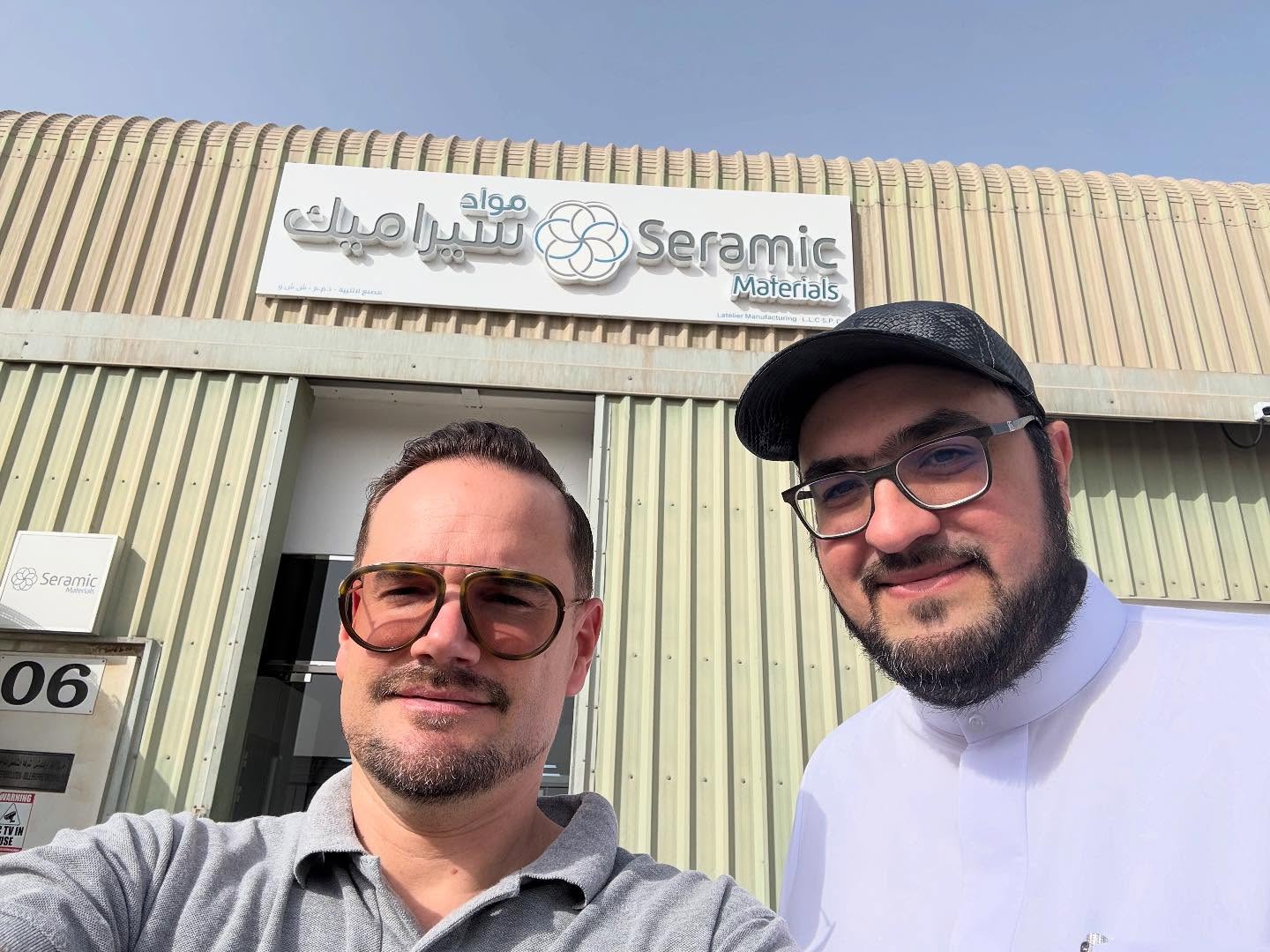
The Seramic Team

At its core, Seramic takes industrial waste such as steel slag, incinerator ash, and other mineral byproducts and transforms them into ceramic materials. These materials are then used to create building products like tiles and pavers, as well as advanced technical ceramics. Instead of extracting new clay or minerals, the company treats waste as a resource, reducing landfill use and cutting carbon emissions by at least 20 to 30 percent compared to traditional ceramics.
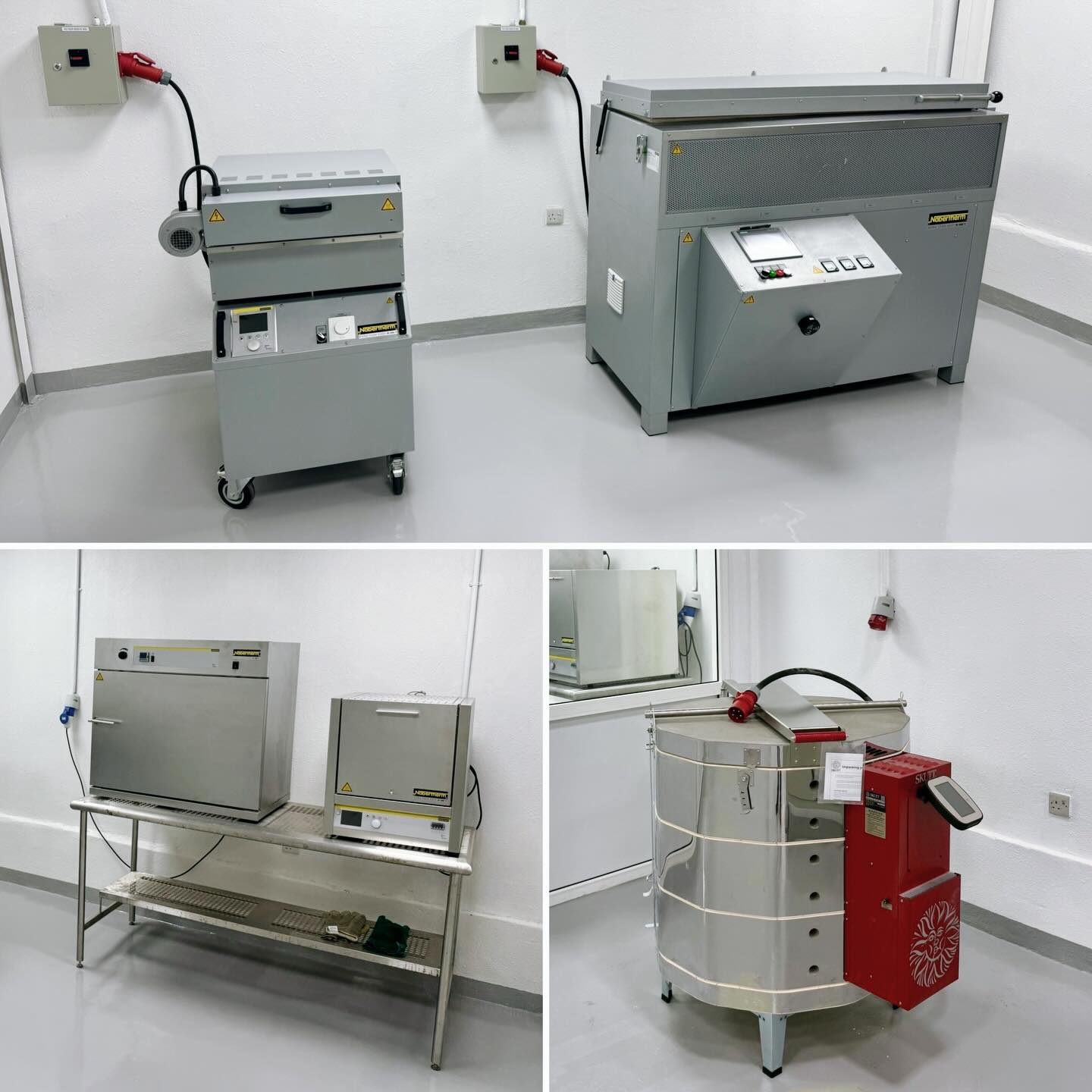
Seramic equiment

This is where the circular economy becomes real. Ceramics have always been made from earth. Seramic simply expands that idea by using what has already been taken from the earth and discarded. The result is a loop rather than a line. Waste becomes material, material becomes product, and eventually returns without adding new burden.

One of the company’s most important projects is ReThink Seramic Flora, a high temperature ceramic designed for thermal energy storage. It can store heat at temperatures up to 1250°C, making it useful for solar power systems and industrial heat recovery. This connects ceramics directly to the energy transition, allowing renewable energy to be stored and used when needed.
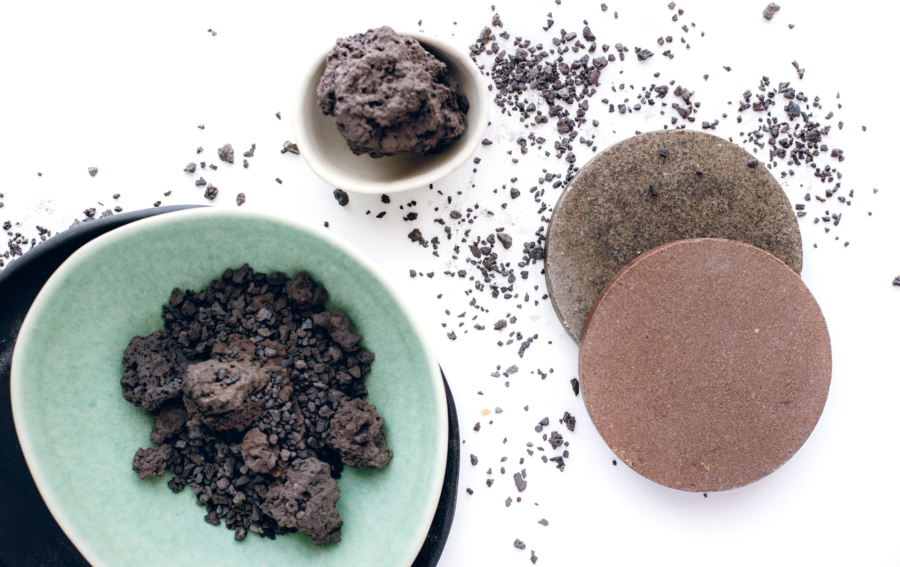
Seramic's material
Seramic’s material
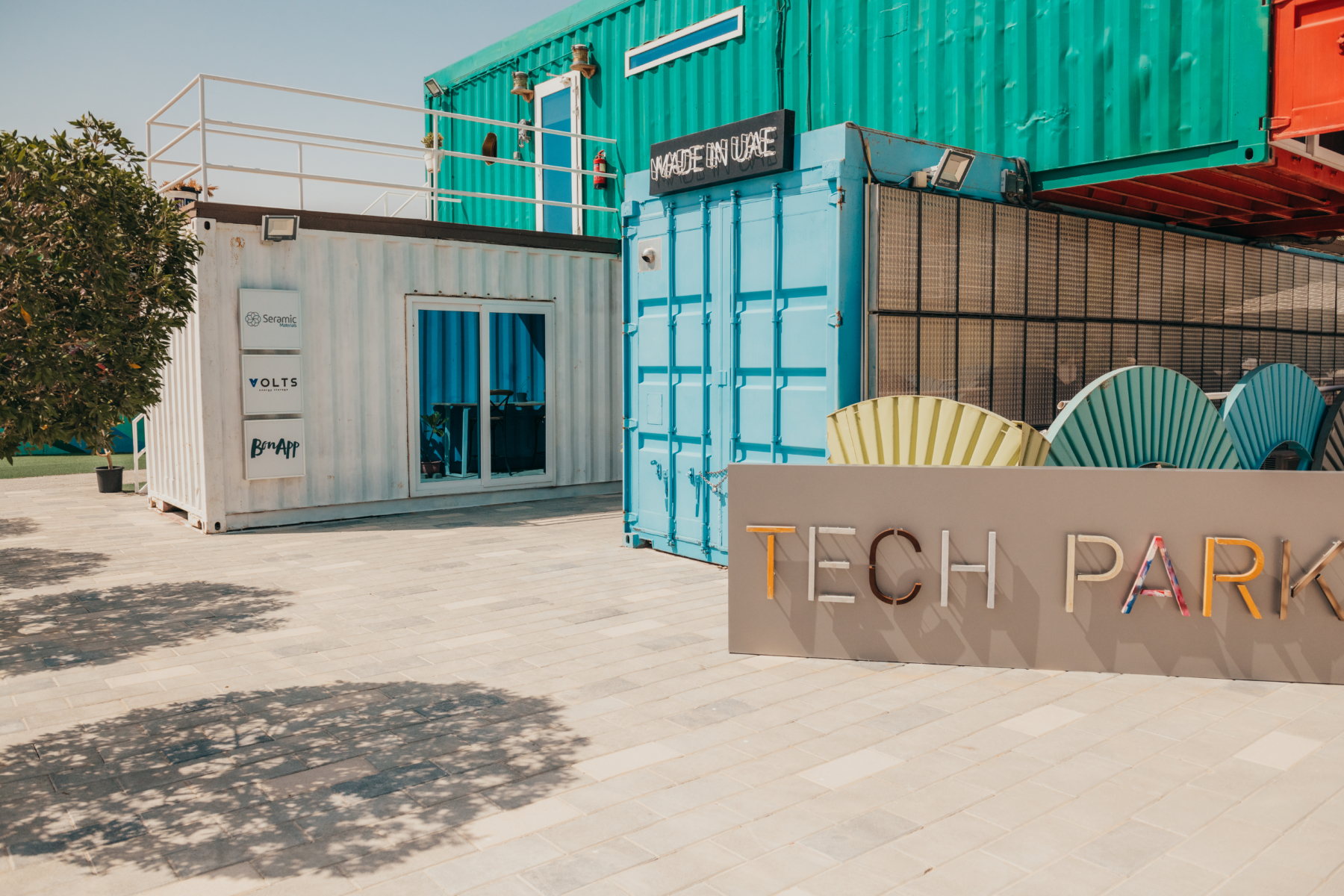
Made in the UAE Tech Park

The company is also working with partners like Bee’ah in the UAE to scale waste conversion systems and address growing volumes of industrial ash.

Where this is going is clear. Ceramics are no longer just tiles or bricks. They are becoming part of energy infrastructure, waste management systems, and low carbon manufacturing. Companies like Seramic are turning one of the oldest materials on earth into something that fits a future built on circular thinking.

Read More

TRENDING

Etihad offers free travel insurance to any visitor to the UAE

Talk about a way to woo your visitors. Etihad, the UAE's national carrier has decided to offer free travel insurance to visitors heading to the UAE.

Abu Dhabi Put QR Codes on 100,000 Native Trees. Damage One and It Could Cost You $2,700

The Sidr Tree (Ziziphus spina-christi) also known as the jujube tree, may be the most culturally significant of them all. Mentioned in Islamic tradition and valued for its medicinal properties and prized honey, the Sidr has become a symbol of resilience across the Arabian Peninsula.

Make paper mache with flowers to create stunning vase

There’s something quietly beautiful about what Rebloom Studio is doing, and it starts with waste. At wholesale flower markets, mountains of unsold blooms are tossed out at the end of each cycle. Perfect flowers, just not sold in time. Most of them are burned or dumped. Rebloom takes that moment and turns it into something else.

OPEC and energy stocks in the UAE – insight from eToro

Energy equities are responding unevenly to the evolving landscape. Companies with direct exposure to UAE production growth and infrastructure are benefiting from increased activity expectations, while global oil majors face a more mixed outlook.

Yerukim Forms a New Green Economy Where the Money is Really Green

The Yerukim members who pick up the recyclables get to keep the monetary reward, the public earns "green" bills that can be used in shops, and business owners get to be associated with environmentalism.

Choosing Riyadh over Dubai? What Investors Should Know

Saudi Arabia is deploying capital at unmatched scale to catalyze tourism and advanced industry while rewiring its power-and-water backbone. The investable frontier is widening—especially in renewables, grid storage, water efficiency/desal retrofits, and hospitality operating platforms. Prudent investors will insist on phased delivery, enforceable KPIs (energy, water, biodiversity), and RHQ/zone compliance—while pricing political-economy and reputational risks alongside growth upside.

Sell your cooking oil for biodiesel money

Want to make money on old french fry oil? Sell it.

Qatar Alternative Energy Summit Pairs Investors And Innovators

Alternative energy investors and innovators can meet n' greet in Doha, Qatar March 16 and 17.

Here’s How To Implement The Four Pillars Of Employee Engagement

If you throw a party for your work team and they are vegans, don't make it a barbecue. Know the sustainability values of your team to boost moral and retain good people.

Locals From Rishon Fight IKEA

Big Box stores are a pretty new concept in Israel, and thank God that not every Israeli city wants them in their backyard. A word from someone who has see the beautiful farmland around her hometown Newmarket, Ontario stripped and converted into vulgar strip malls of big box shops: they have no place in a healthy and sustainable town or city.

The Jewish National Fund Meets An Inconvenient Truth

According to the JNF, it has transformed thousands of acres of barren land into green forests in Israel. They state that each person emits about 23 tons of carbon per year, estimating that each tree planted can absorb one ton of carbon in its lifetime. That's a whole lot of trees you'd need to be planting. Could so many fit in Israel?

How to quiet noise from construction in your office

Streets need to be resurfaced in New York but the humming and grinding noise is unsettling. Noise is environmental pollution. 

Popular Categories