
Ethical Foraging Saves Native Flora

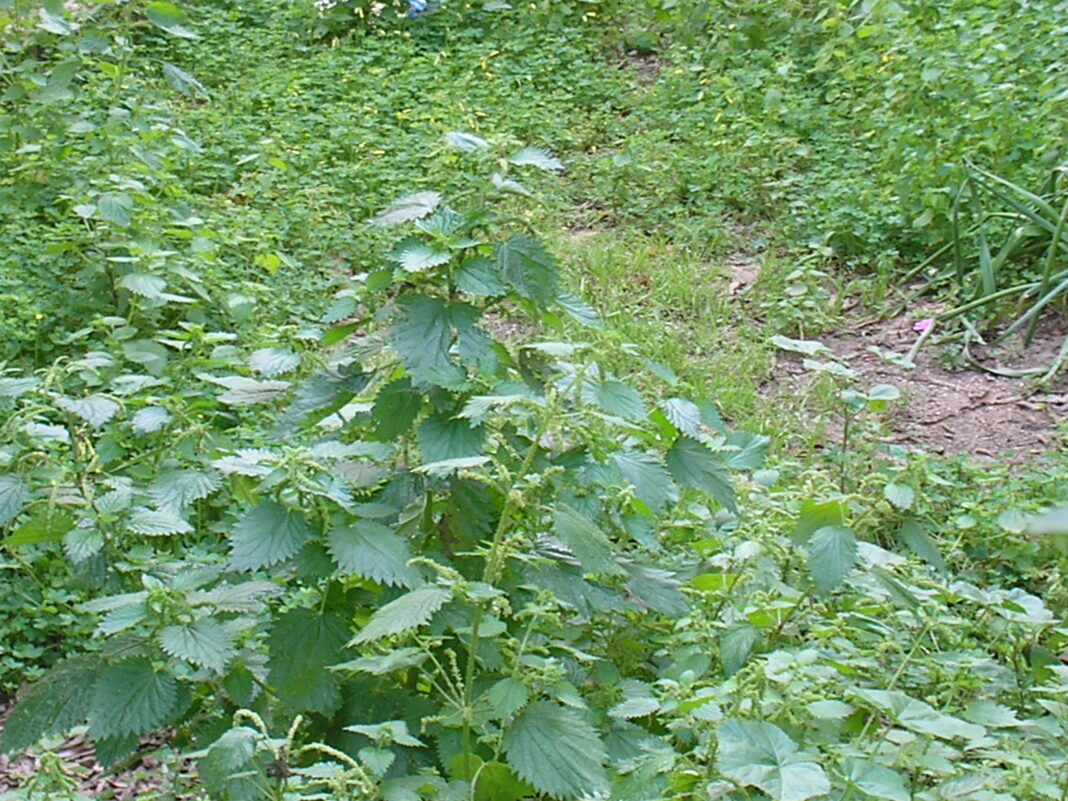
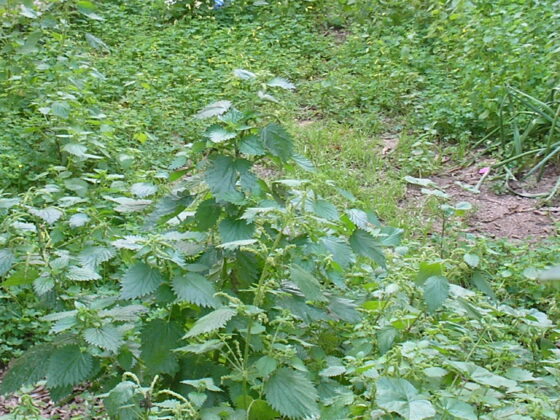
image-nettles
Care for wild edibles as if you’d grown them yourself, and they’ll come back year after year.

The Jewish springtime Tu B’Shvat festival is just around the corner on Wednesday night, the 19th of this month. The flowering of the almond trees on that day also signals new green growth on Israel’s dry soil. It’s tempting to go out, field guide in hand, and fill a backpack up with lots of edible wild greens.

But over-enthusiastic foraging can backfire. When plants aren’t allowed to re-seed, or if most in an area get uprooted, there won’t a new crop for next year.The forager will have to search farther afield to find the healthy, tasty wild plants that once grew close to home, while the plants slowly recede and disappear from the landscape.

You can always cultivate your favorite weeds at home in a windowbox. Or identify the edible ones growing in your garden. But for those who love to pick their weeds out in nature, here are sensible guidelines for ethical foraging. Just remember – never eat a strange plant – even safe plants have toxic look-alikes. If you’re not 100% familiar with a wild green, take a specimen home to identify with a field guide. Then learn about its edibility and other uses via the valuable Plants for a Future Database.

Guidelines for Ethical Foraging

  • Byepass the first one. Don’t pick the first of any species that you see. Walk further on and make sure there are more of that plant growing around. Picking one lonely plant means there won’t be even one to reproduce and re-populate the area in the future.
  • Leave Big Mama alone. Recognize the “mother” plant and don’t pick it. Often, in the middle of a patch, you’ll see a particularly strong or big specimen. That’s the “mother,” whose roots or seeds are probably responsible for much of that particular herb in the area. Respect it, leave it alone, and pick from its descendants.
  • The rule of one-third. Pick only up to one-third of leaves and flowers from any one plant. For example, if picking mallow flowers or the ripe “cheese” fruit on it, leave at least two-thirds on the plant. If gathering many herbs, like nettles, pick only up to one-third of all the plants in the area. That gives the plants the numbers of potential surviving seeds that they need to keep coming back next year.
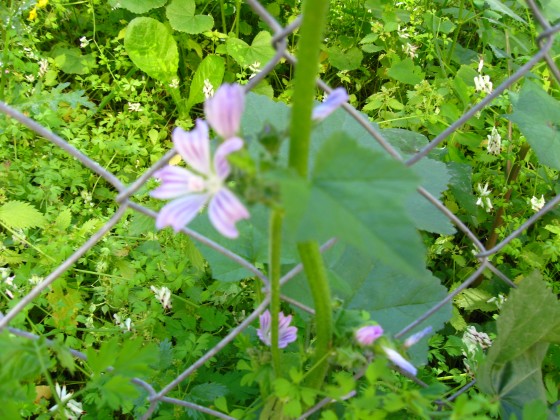
image-flowering-mallow
More on foraging weeds and eating them on Green Prophet:

:: Plants for a Future site

Photos of “mother” stand of nettles and flowering mallow plants by Miriam Kresh.
Miriam Kresh
Miriam Kreshhttps://www.greenprophet.com/
Miriam Kresh is an American ex-pat living in Israel. Her love of Middle Eastern food evolved from close friendships with enthusiastic Moroccan, Tunisian and Turkish home cooks. She owns too many cookbooks and is always planning the next meal. Miriam can be reached at miriam (at) greenprophet (dot) com.

Read More

TRENDING

5 Reasons Why You Should Save Seeds (and plant them)

Saving seeds from tomatoes, peppers, herbs and flowers helps preserve biodiversity, strengthen food security, and keep heirloom varieties alive. Even a small balcony garden can make a difference.

Lyme Disease And The Great Outdoors

Planning on being outdoors a lot this summer? We...

The Next New Cosmetic: Human Fat Known as Alloclae

In this Ozempic age, a person may diet themselves...

Why Health Systems Are Reaching a Turning Point

Health emerges from a continuous energy and material flow from water through food to human physiology. Technical energy systems support this cycle through water treatment, agriculture, and infrastructure.

Dark chocolate benefits means slowing aging: make Italian hot chocolate with this recipe

Eating dark chocolate can keep you looking young. Make your own healthy hot chocolate mix

Yerukim Forms a New Green Economy Where the Money is Really Green

The Yerukim members who pick up the recyclables get to keep the monetary reward, the public earns "green" bills that can be used in shops, and business owners get to be associated with environmentalism.

Choosing Riyadh over Dubai? What Investors Should Know

Saudi Arabia is deploying capital at unmatched scale to catalyze tourism and advanced industry while rewiring its power-and-water backbone. The investable frontier is widening—especially in renewables, grid storage, water efficiency/desal retrofits, and hospitality operating platforms. Prudent investors will insist on phased delivery, enforceable KPIs (energy, water, biodiversity), and RHQ/zone compliance—while pricing political-economy and reputational risks alongside growth upside.

Sell your cooking oil for biodiesel money

Want to make money on old french fry oil? Sell it.

Qatar Alternative Energy Summit Pairs Investors And Innovators

Alternative energy investors and innovators can meet n' greet in Doha, Qatar March 16 and 17.

Here’s How To Implement The Four Pillars Of Employee Engagement

If you throw a party for your work team and they are vegans, don't make it a barbecue. Know the sustainability values of your team to boost moral and retain good people.

Locals From Rishon Fight IKEA

Big Box stores are a pretty new concept in Israel, and thank God that not every Israeli city wants them in their backyard. A word from someone who has see the beautiful farmland around her hometown Newmarket, Ontario stripped and converted into vulgar strip malls of big box shops: they have no place in a healthy and sustainable town or city.

The Jewish National Fund Meets An Inconvenient Truth

According to the JNF, it has transformed thousands of acres of barren land into green forests in Israel. They state that each person emits about 23 tons of carbon per year, estimating that each tree planted can absorb one ton of carbon in its lifetime. That's a whole lot of trees you'd need to be planting. Could so many fit in Israel?

How to quiet noise from construction in your office

Streets need to be resurfaced in New York but the humming and grinding noise is unsettling. Noise is environmental pollution. 

Popular Categories