
Home Blog Page 23

Replacing gas with Copper’s battery-equipped $6000 induction stove

0

Copper, battery induction oven

Berkeley startup Copper closes a Series A to scale a new class of “battery-in-appliance” induction ranges that plug into standard outlets, potentially reshaping kitchens, buildings, and the grid. 

Battery-equipped induction stoves just took a major step toward the mainstream. Copper—maker of a 120-volt, plug-in induction range with an internal battery—raised $28 million to expand production and enter new markets. As American consumers race to replace their polluting indoor gas stoves and ovens with solutions that work, Copper is a step in the right direction.

The financing was led by climate-focused investor Prelude Ventures with participation from Building Ventures and existing backers Voyager, Collaborative Fund, Climactic, Designer Fund, Necessary Ventures, Leap Forward Ventures, and Climate Capital.

The round comprises equity and venture debt. Prelude Ventures led the Series A; the company also confirmed venture debt in the capital stack. “Copper has built a category-defining company… we were particularly impressed with the team’s relentless execution and the strength of their patent portfolio covering batteries in appliances,” said Mark Cupta, Managing Director at Prelude Ventures.

Copper CEO and co-founder Sam Calisch added, “This new capital will enable Copper to scale into additional products, helping millions upgrade their homes, ditch gas, and support the clean grid.”

Americans have been wary of gas appliances since news came out that cookstoves leaking methane gas may be causing health problems like cancer in the US.

Why is Copper a game-changer?

copper induction stove, battery equipped range, plug in induction, sustainable kitchen appliances, electrification, clean cooking technology, zero emission cooking, virtual power plant appliances, green home upgrades, energy storage in appliances
Copper – only $6000 to replace your gas stovetop and oven

Most induction ranges require a 240-V circuit and an electrical panel upgrade—an expensive non-starter in older buildings. Copper’s range plugs into a standard 120-V outlet; its built-in battery supplies bursts of extra power when needed for searing or boiling. That design slashes installation cost and complexity for landlords and homeowners, accelerates gas-to-electric switching, and opens the door to using millions of small, distributed batteries as flexible grid resources.

The model is already landing fleet-scale deals. New York City’s Housing Authority (NYCHA) selected Copper for a $32 million program to install 10,000 stoves in public-housing apartments—part of a push to reduce indoor air pollution and electrify kitchens without rewiring buildings.

copper induction stove, battery equipped range, plug in induction, sustainable kitchen appliances, electrification, clean cooking technology, zero emission cooking, virtual power plant appliances, green home upgrades, energy storage in appliances

Beyond cooking, embedded batteries can form a virtual power plant (VPP)—so appliances help the grid ride through peaks and avoid gas peaker plants. Copper piloted a California VPP in 2024; broader analyses show VPPs can deliver substantial capacity and consumer savings if programs are funded and scaled.

The science and public-health case for switching from gas

Induction eliminates combustion indoors. Multiple studies from top universities find that gas and propane stoves raise indoor nitrogen dioxide (NO2) to unhealthy levels, contribute to childhood asthma, leak climate-warming methane, and can emit benzene during use. Key findings come from Stanford’s Doerr School of Sustainability and collaborators (NO2 exposures, methane leakage), Harvard T.H. Chan School of Public Health (health burden estimates), and peer-reviewed studies on benzene emissions.

For renters and homeowners, a plug-in induction range removes the need for an electrician and panel upgrade, delivering fast, precise heat and cooler kitchens. Early reviews have praised performance; press reports put retail pricing around $5,999 for Copper’s least-expensive model, with potential incentives available depending on location and policy. $6 grand for a stove is a luxury item that we believe will limit buy-ins, but which will accelerate copy-cat appliance makers, especially from China, to fill the void for lower income earners who want to get rid of gas appliances.

Copper’s financing signals investor appetite for electrification that solves retrofit pain points and unlocks grid value. Expect copycats and adjacent products (battery-equipped heat-pump appliances, water heating, and laundry) to follow.

The company says it will expand its platform into additional products—with patents covering batteries in appliances providing defensive moats.

Related reading on Green Prophet


Pilsok turns airbags into bags

0


Pilsok bag, upcycled from air bags
A Pilsok bag, upcycled from air bags

What happens to a car’s airbag after it’s decommissioned? In Kyiv, the answer is unexpectedly stylish. Pilsok, a Ukrainian accessories label founded in 2007, has released backpacks and shoulder bags cut from retired airbags—light, durable nylon engineered to save lives now saving materials from landfill. The team explained that it can take “about three airbags to create one backpack,” and that they “came across airbags taken from disassembled cars” after testing other surplus materials.

Pilsok says the bags are cut and stitched in-house in Kyiv, with each piece reflecting the folds, seams and printed codes of the airbag it came from—making every bag unique by design.

Pilsok isn’t alone. In Zurich, FREITAG launched the F700 ARROW and F708 FIREBIRD shoppers “made from accident-free airbags and used tension belts,” embracing a “bag-follows-form” approach that preserves the original folds and shapes.

FREITAG, F700 bags made from airbags, pilsok, sustainable fashion, upcycled airbags, circular economy, recycled materials, eco friendly bags, sustainable design, ethical fashion, zero waste accessories, repurposed airbags, green fashion innovation
FREITAG, F700 bags made from airbags

Germany’s AIRPAQ manufactures backpacks and accessories by reusing “discarded car airbags, seat belts, and belt buckles,” and has been recognized by European retail and innovation programs for circular design.

sustainable fashion, upcycled airbags, circular economy, recycled materials, eco friendly bags, sustainable design, ethical fashion, zero waste accessories, repurposed airbags, green fashion innovation

sustainable fashion, upcycled airbags, circular economy, recycled materials, eco friendly bags, sustainable design, ethical fashion, zero waste accessories, repurposed airbags, green fashion innovation
Airpaq bags made from upcycled airbags

The same upcycling logic has reached aviation. In 2025, Emirates announced a second “Aircrafted by Emirates” drop: a limited run of 167 handmade pieces crafted from retrofitted A380 and 777 interiors, from aluminum headrests to leather and seatbelts.

Emirates Aircrafted 2025, upcycled aviation bags, sustainable fashion Middle East, Emirates retrofit project, eco luxury bags, aviation waste upcycling, Emirates official store, handmade luggage Dubai, aircraft material recycling, sustainable design UAE, circular economy aviation, Green Prophet Emirates, Emirates Airline Foundation, eco-conscious travel accessories, Emirates A380 retrofit, Dubai green innovation
Aircrafted by Emirates

Airbag textiles are engineered for extreme stresses—lightweight, tear-resistant, and stable when stitched—so they’re a natural fit for durable day bags. Upcycling research also shows that objects with a visible “prior life” can carry stronger emotional stories, nudging buyers toward repair and long use. As one study neatly put it, “turning an old car airbag into a backpack.

20 years of R-R-R: what’s next

Two decades into mainstream Reduce–Reuse–Recycle, fashion’s center of gravity is shifting from one-off “eco” drops to circular design—materials that can loop, products built for repair, and business models that favor take-back, refurbishment, and resale. The upcycled-airbag movement is one thread in a larger fabric: premium brands are trialing biobased and compostable polymers, experimenting with “living” or self-healing materials, and investing in traceability so customers can see a product’s full story. For a deeper dive into how circular design is maturing, see Green Prophet’s analysis of what circular design means in 2025.

Pilsok’s work is a pragmatic, local example of circularity: identify a high-performance waste stream (retired airbags), design with its constraints (panels, folds, labels), manufacture locally, and make repairable, long-lived products. It sits comfortably alongside other stories we’ve tracked at Green Prophet—from aviation upcycling to new materials—showing how design thinking has matured since the early days of R-R-R.

havie upcycled hipsters
Havie founders making aprons from old tents in Jaffa

Related reading on Green Prophet

Upcycled aviation: Emirates turns retired aircraft into luxury bags (limited-edition “Aircrafted” collection).

Biomaterials & circular design: Stella McCartney’s compostable sneakers (BioCir® Flex); Stella McCartney chooses Balena for upcycled foamy fashion; living plastics that clean water; ten future-forward sustainable fashion companies; slow and sustainable fashion through your eyewear; and our overview of circular design in 2025.

DIY upcycling roots: turn old T-shirts into bags; fuse plastic bags into durable sheeting; and a very early look at creative reuse in recycled map “infobags”. For more, browse our sustainable fashion and circular fashion archives.


Would you eat a 100 year-old perpetual stew?

0
perpetual stew, century old master stock, sustainable cooking, zero waste kitchen, traditional cooking methods, Chinese master stock, food preservation, eco friendly cooking, long lasting broth, Green Prophet fermentation
Would you eat a 100 year-old stew?

Could one pot of stew last for decades—or even a century? Cooks in several traditions say yes. The idea behind a perpetual stew is simple: a pot of broth or stew is served, replenished, and carefully maintained so that its base is never completely replaced. In Chinese kitchens, a related practice is the master stock used to braise meats; some restaurants claim to have maintained the same stock—continuously refreshed—for generations. The value isn’t mystical; it’s about disciplined food safety and the remarkable flavors that develop when a broth is nurtured over time.

Long-lived stews and master stocks depend on strict routines. The liquid is brought to a full rolling boil at least once every 24 hours, then strained to remove perishables that could spoil, topped up with fresh water or stock, and rapidly cooled. In modern kitchens the pot is refrigerated between boils. If the liquid is neglected, turns sour, or shows off odors, it must be discarded. When the cycle is respected, the result is a stable, intensely flavored broth that can be maintained for years.

Why this tradition is sustainable?

Perpetual stews minimize waste by turning bones, trimmings, and leftovers into nourishment instead of landfill. Energy use can also be efficient when the stock is heated alongside other cooking. The method encourages seasonal, local eating: whatever is fresh—greens, grains, legumes, or scraps from the day’s prep—can go in, keeping the pot aligned with what’s available and affordable.

Perpetual stews sit comfortably in the wider world of fermentation—another time-tested way to coax nutrition and flavor from simple ingredients. For deeper context, see our conversation with fermentation pioneer Sandor Katz, “a conversation about fermentation for the future”, and our early review of his classic, Wild Fermentation. Fermentation know-how pervades everyday foods: from homemade kombucha and the rise of hard kombucha to naturally leavened breads like the sourdough starter you can culture on your counter and the pragmatic schedule that keeps it alive.

In our region, bread and ferments are living heritage. Explore Levant and Persian traditions in Middle Eastern bread, meet bakers reviving landraces in ancient wheat sourdough, and geek out with archaeology in Egyptian yeast revived after 5,000 years. For the health angle, see how fermented foods can support your gut and how certain probiotics may even influence sleep. Curious about culture and faith? We’ve covered questions like whether kombucha is halal, and you can browse many more stories in our fermentation archive and the broader Food section.

Perpetual stew vs. fermented foods

Kefir is a type of fermented milk that may help manage blood sugar, lower cholesterol, and boost digestive health, among other benefits. However, more evidence is needed to back some of these claims. The name kefir comes from the Turkish word “keyif,” which refers to the “good feeling” a person gets after drinking it.

But, perpetual stew isn’t fermentation; it’s a cooked, frequently reboiled system designed to remain safe through heat, hygiene, and refreshment. Fermentation relies on beneficial microbes to transform raw ingredients at cool temperatures. Both methods extend shelf life, reduce waste, and build flavor, but they operate on different principles. In a sustainable kitchen they complement each other: fermented vegetables, breads, and drinks provide live cultures and bright acidity, while a master stock adds savory depth and turns scraps into meals.

If you want to try this at home for a week or more, keep the process simple and consistent. Start with a clean pot and a base of bones or vegetable trimmings, simmer gently to extract flavor, strain, and cool. Each day, bring the stock to a rolling boil for several minutes, skim, add fresh aromatics and water to restore volume, strain if needed, and refrigerate promptly. Use the broth to poach beans and grains, braise vegetables, or fortify stews; return the remaining liquid to the pot and repeat. If anything smells off, don’t take chances—compost it and start over.

Century-old master stocks are best thought of as a continuous practice rather than a single unchanged liquid. The flavor “memory” persists because yesterday’s molecules mingle with today’s additions, but safety depends on today’s boil, today’s strain, and today’s cooling. The concept echoes fermentation’s long arc through food and even technology—think of early bioprocess breakthroughs like Chaim Weizmann’s acetone-butanol fermentation—reminding us that microbes and time are powerful allies when we work with them responsibly.


Afghanistan’s earthquake and mud-brick homes. Can they rebuild safer and more sustainably?

0


Afghanistan earthquake, mudbrick home collapse, Afghan landslides, sustainable earthen building, earthquake-resistant adobe, Kunar province quake, Nangarhar destruction, seismic resilient architecture, eco-friendly reconstruction, climate and landslide risk
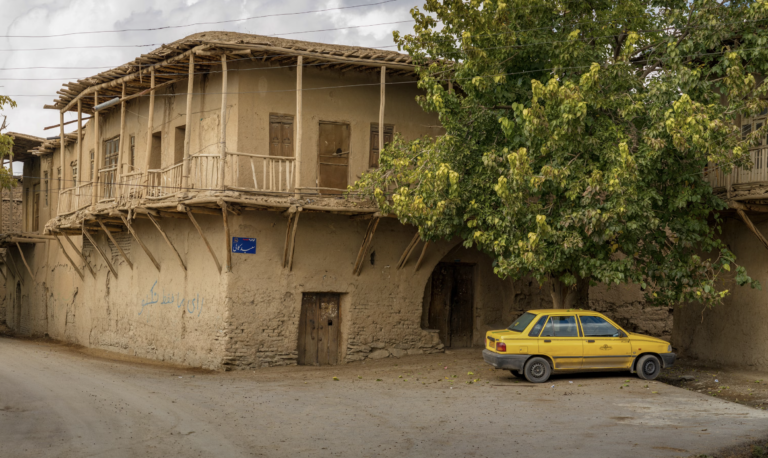
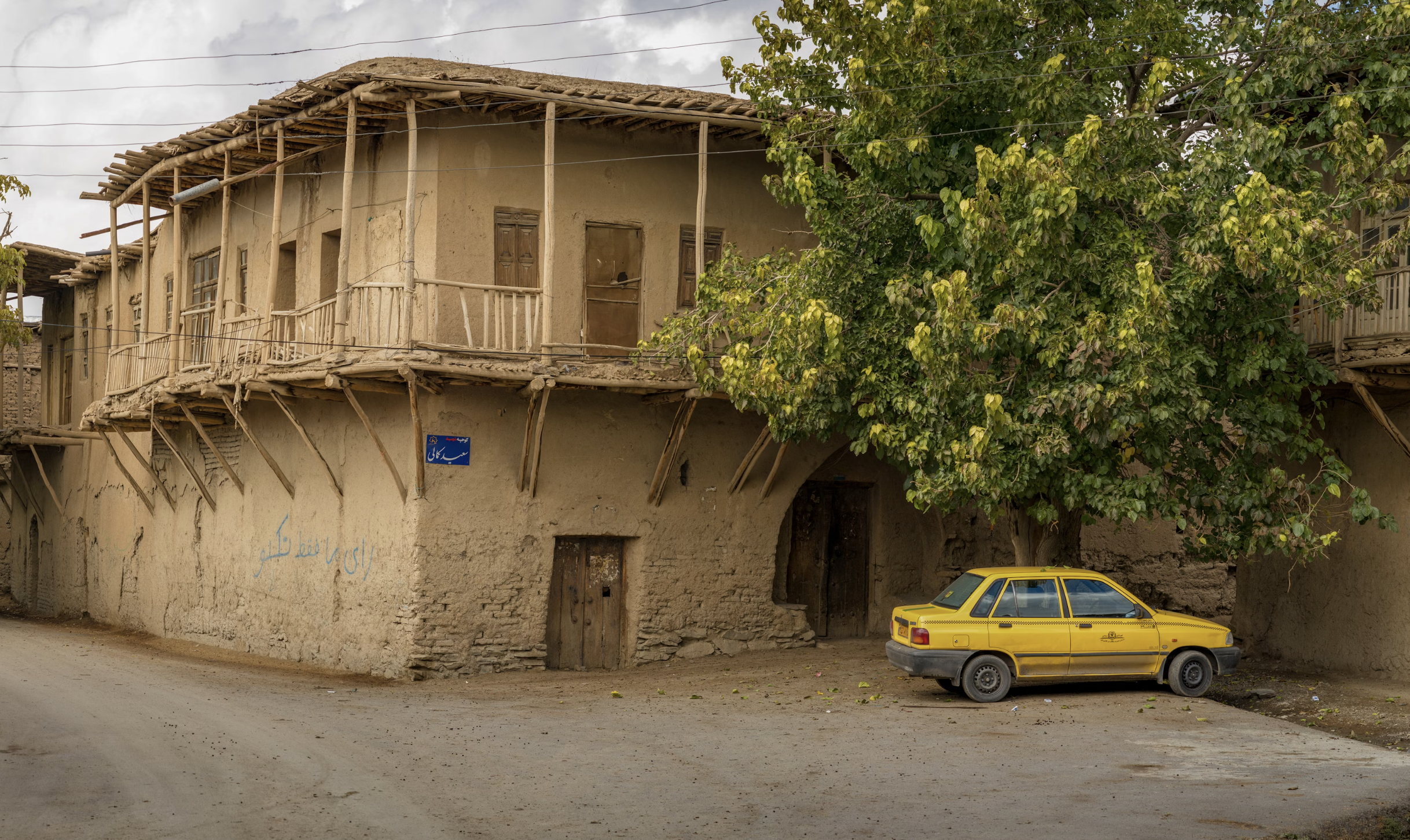
Mud brick home in Iran. Upgrades can be made so earth homes are seismic resistant.

Eastern Afghanistan was struck late on September 1, 2025 by a shallow magnitude-6.0 earthquake centered in the rugged Kunar region near the Pakistani border. Officials reported at least 800+ deaths—rising to 812 in some tallies—and thousands injured, with the worst destruction in Kunar and neighboring Nangarhar. The timing at night, the shallow focus (around 10 km), and the remoteness of mountain villages amplified the toll as whole clusters of homes failed.

Rescue teams faced blocked roads and difficult flying conditions after intense rainfall in the preceding 24 to 48 hours triggered landslides and rockfalls, cutting off communities and slowing evacuations by helicopter. An officer with the UN Office for the Coordination of Humanitarian Affairs noted that saturated slopes and debris left many routes impassable.

Why so many mud-brick homes failed

Mud-brick (adobe) is ubiquitous across Afghanistan because the materials are local, low-cost, and low-carbon. But unreinforced earthen walls are heavy and brittle; when shaken laterally they can crack and overturn suddenly, especially where construction lacks ring beams, vertical ties, or quality workmanship. Earthquake engineering guidance has long documented life-safety weaknesses in unreinforced adobe and the measures that improve performance.

Rainfall made matters worse. Raw earth loses strength when saturated; prolonged rain can erode foundations and soften wall toes, while shaking then pushes already weakened walls past failure. Where houses sit on steep slopes, the same rain that undermines walls also lubricates soil and colluvium, priming slopes to slide.

Quakes often trigger slides in mountainous terrain, but exposure and damage are magnified by land-use choices. Across Afghanistan, decades of conflict and poverty have driven deforestation, unmanaged road cutting, and settlement on unstable slopes—factors known to reduce slope stability and raise landslide risk. Reports and assessments highlight extensive forest loss in the northeast (including Kunar and Nuristan), widespread land degradation, and the role of road benches and slope undercutting in failures.

Earthen construction can be made significantly safer with well-known, low-tech improvements—without abandoning the sustainability advantages that make it attractive. International guidance specific to Afghanistan and to earthen buildings more broadly points to solutions that local masons and communities can apply with training and modest materials.

How to build back safer—while staying sustainable

Start with the site. Avoid active gullies, landslide scars, and steep toes of slopes; set houses back from cut slopes and stream banks; provide perimeter drains and raised plinths so foundations stay dry. Simple slope-stabilizing works (such as properly designed cut slopes and gabion retaining where essential) reduce local landslide risk.

Tie the structure together. A continuous bond (ring) beam at wall tops, laced to vertical elements, helps walls act as a unit. Buttresses or pilasters at corners and long wall runs, improved connections at wall intersections, and light, well-anchored roofs limit out-of-plane wall failures. Even cane, timber, or welded-wire mesh embedded in earthen walls can add crucial tensile capacity.

Stabilize the earth. Where budgets allow, stabilized earth mixes (with lime or other binders appropriate to local soils) improve moisture resistance and strength. Good soil selection and compaction, consistent lift heights, and high-quality plaster with fiber reinforcement limit cracking and water ingress.

Many at-risk homes can be upgraded in place: add ring beams and corner stitching; “wrap” walls with mesh and new plaster; stitch cracks; improve foundations and drainage; and strengthen openings with lintels and jambs. UN-Habitat’s post-disaster housing guidance emphasizes that staged, low-cost retrofitting can save lives quickly.

Learning from regional vernacular—without romanticizing risk

Responsible rebuilding can draw on the region’s deep lineage of climate-wise architecture while meeting seismic realities. Readers curious about earthen design lineages can explore our coverage of Hassan Fathy’s New Gourna, Fathy’s people-first design philosophy, and Nader Khalili’s earth-bag “Superadobe”, alongside contemporary examples like sandbag domes and Cal-Earth projects. Vernacular cooling methods—from Iran’s windcatchers (bādgir) to modern riffs on mashrabiya—demonstrate passive comfort strategies that also reduce operating carbon.

Across North Africa and the Middle East, long-lived earthen settlements like Ghadames in Libya, Syria’s beehive houses, and desert hospitality built around qanat water systems show how form, orientation, and thermal mass serve people and climate—knowledge that can be paired with seismic detailing rather than discarded.

For those exploring resilient off-grid typologies, see our primers on Earthships and this earlier guide on how they work, as well as practical accounts of earth-bag homes and concise principles of sustainable architecture. For a lighter take on low-tech cooling ingenuity, even Afghan taxi “windcatchers” have inspired DIY adaptations for heat resilience. Read that here.

The September 1 earthquake was a geologic shock compounded by saturated slopes and decades of environmental pressure. Unreinforced mud-brick failed catastrophically, but earthen homes do not have to be death traps. With careful site selection, drainage, ring beams and ties, better detailing around openings, and pragmatic retrofits, communities can keep the carbon savings of earth while gaining the life-safety benefits of modern seismic practice. The science and practical manuals exist; the challenge is organizing materials, training, and support to deploy them quickly and fairly in the mountains where they are most needed.

Global Sumud Flotilla sets sail with Greta Thunberg 

0
gaza flotilla 2025, global sumud flotilla, greta thunberg gaza, israel naval blockade, humanitarian aid to gaza, eastern mediterranean convoy, un general assembly september 2025, freedom flotilla coalition, maghreb sumud flotilla, sumud nusantara, aid ships to gaza, israel hamas conflict, middle east maritime activism, gaza blockade challenge, green prophet news
Crew from the June, 2025 Freedom Flotilla

The latest bid to break Gaza’s naval blockade launched from Barcelona on Sunday under the name Global Sumud Flotilla. Around 20 boats began the voyage, but by Monday, strong winds reaching about 30 knots forced the convoy back to port. It’s a rough beginning that weather-watchers say could have been foreseen at this time of year. Some of the smaller vessels are not built for such conditions, raising the possibility that not all will make it into the eastern Mediterranean.

Organizers still expect reinforcements en route. The initial 20 vessels are set to be joined by others from ports along the Mediterranean, and CNN has reported that as many as 70 different types of watercraft could ultimately take part. That outlet’s suggested arrival dates of September 14 or 15 have been called unrealistic by some observers, but the scheduling appears designed to coincide with the high-profile UN General Assembly in New York later in September—timing that could amplify the mission’s political impact. The United States has currently blocked Palestinians from acquiring visas to attend the event.

The stated aim, if the flotilla sets out again, is to create a humanitarian sea corridor to deliver food, water, and medical aid to Gaza, where the war has deepened shortages and triggered UN warnings of famine. Given the logistical challenges that Israel and US-oriented aid organizations face with Hamas looting the proscribed aid from civilians in Gaza, it is not clear how even 20 boats of supplies will be able to make a more impactful dent in the situation.

“Sumud”, Arabic for steadfastness, is both a name and a mission statement. This initiative brings together the Global Movement to Gaza, the Freedom Flotilla Coalition (FFC), the Maghreb Sumud Flotilla, and Sumud Nusantara from Southeast Asia. The alliance says it plans multiple convoys of small, civilian vessels traveling in waves, aiming to reach Gaza by sea where land routes are restricted or closed.

Unlike earlier single-vessel sailings in 2025, this is a coordinated fleet. The core convoy departed Spain at the end of August, with other launches expected from Tunisia and additional ports around September 4. Organizers say representation spans six continents.

Who is on board?

Publicly named participants include Greta Thunberg, former Barcelona mayor Ada Colau, Portuguese MP Mariana Mortágua, and actor Liam Cunningham, alongside doctors, sailors, clergy, lawyers, and aid workers. Delegations represent dozens of countries, with hundreds of individuals in total.

The steering committee features Thunberg, historian Kleoniki Alexopoulou, rights advocates Yasemin Acar and Melanie Schweizer, and Palestinian activist Saif Abukeshek, among others. For security, many details about exact routes and schedules are withheld.

The operation is powered by grassroots fundraising. Crowdfunding campaigns run through platforms such as Chuffed (Global Sumud Flotilla), WhyDonate (e.g., the Dutch delegation), and donation portals hosted by Nonviolence International for US Boats to Gaza. These appeals cover costs for vessel hire, supplies, fuel, communications, safety gear, legal teams, and crew travel.

Budgets and donor lists are not fully public, but individual campaigns in the Netherlands, UK, and Ireland have posted funding updates online. No credible evidence has surfaced of direct government sponsorship.

Why now?

Israel’s naval blockade has been in place since 2007, following the takeover of Gaza by Hamas, a group designated as a terrorist organization by Israel, the United States, the European Union, and others. Israel maintains that under international law it has the right to prevent weapons and military equipment from reaching Hamas, and that the blockade is a security measure to protect its citizens from rocket fire and other attacks. Supporters of the flotilla reject this justification and argue that the policy amounts to collective punishment of Gaza’s civilians.

The current war—sparked by Hamas’s October 7, 2023 attacks that killed 1,200 people and resulted in 251 hostages—has brought severe aid restrictions. International agencies warn of worsening hunger. Organizers of the flotilla say a maritime route is urgently needed; Israel has consistently intercepted past blockade challenges. America attempted to build a dock for a marine route to aid, but fierce winds ripped the multi-million dollar pier apart not long after construction.

This is the largest effort since the deadly 2010 Mavi Marmara incident. Weather, port permissions, and the threat of interception remain immediate concerns.

Green Prophet has tracked this story from the beginning:

Greta Thunberg’s role: climate abandoned—or broadened?

Thunberg is a named member of the Sumud steering committee. Her participation has raised questions in the climate community about whether she’s shifting focus from environmental activism to high-profile geopolitical causes. Her track record in 2025 suggests otherwise. She has stayed active on climate issues—continuing her Fridays for Future work, joining mass protests at Norway’s largest oil refinery in August, and pursuing legal action in Sweden (despite the Supreme Court dismissing her climate lawsuit in February).

For Thunberg, Gaza is part of a wider environmental justice framework—where war amplifies existing climate vulnerabilities through damage to water, energy, and sanitation systems. This aligns with the climate-justice perspective that conflict zones often experience the sharpest environmental and public health crises.

The flotilla is progressing in phases, dictated by weather and safety checks. Israel has said it will continue to enforce the blockade under its right to self-defense against Hamas. Organizers intend to sail on unless storms or interceptions force changes. The next milestone is a mid-Mediterranean rendezvous with vessels from North Africa, before attempting the final run toward Gaza.

For over 15 years, Green Prophet has reported at the intersection of environment, water, and conflict in the Middle East. This flotilla embodies all three—an environmental justice cause traveling by sea into contested waters, under the shadow of armed conflict and security enforcement. We will continue to follow developments closely, grounded in verified facts and context.

Australia Bans Iconic Fish-Shaped Soy Sauce Packs to Tackle Plastic Pollution

0
South Australia soy sauce fish ban, microplastic pollution from single use plastics, Susan Close environment minister South Australia, Australia single use plastic ban, fish shaped soy sauce packet pollution, microplastics in oceans, South Australia environmental policy, plastic waste reduction Australia
South Australia’s ban on fish-shaped soy sauce packets targets single-use plastics that often end up as microplastic pollution in oceans and on beaches.

In a world-first environmental move, South Australia has enacted a ban on the beloved fish-shaped soy sauce dispensers—known as “shoyu-tai”—effective 1 September 2025. The state government, led by Environment Minister and Deputy Premier Dr Susan Close, cited the absurdity of a single-use item so small yet so damaging, used for mere seconds but lingering in the environment for decades.

“Each plastic fish container is used for just seconds”—Close said—“yet their small size makes them easily dropped or blown away into drains, becoming common litter on beaches and streets.”

Though recyclable in theory, these novelty “soy fish” are too compact and irregular for most council recycling systems. As a result, they often end up in landfills or drift into waterways, contributing to pervasive microplastic pollution. Marine ecologist Dr Nina Wootton warned that wildlife might mistake these fragments—before they break down—for bait. “They could be mistaken for prey,” she cautioned, raising serious risks to marine ecosystems.:

This new prohibition sits within South Australia’s broader framework of single-use plastic reforms. Since 2021, businesses have eliminated over eight million disposable plastic items—including straws, fruit stickers, and polystyrene packaging. The soy fish ban marks another step in reducing plastic overload.

Plastic & Microplastic Realities

Plastic pollution isn’t just unsightly—it’s a profound environmental and health concern. Microplastics—tiny particles under 5 mm—originate from degraded packaging, textiles, cosmetics, and various single-use plastics. Once in water bodies, they persist, infiltrating food chains and even human bodies.}

Green Prophet has been tracking these risks in accessible features, such as its guide on reducing microplastic ingestion and broader entries in their Microplastics archive.

Dr Close emphasized that the ban encourages the shift toward sustainable alternatives: “The elimination directly reduces the volume of single-use plastic entering the waste stream.” Businesses are being supported through transition programs to adopt reusable, recyclable, or compostable options.

Environmental groups, including the Australian Marine Conservation Society, see this as small but meaningful progress. Campaigners urge broader, systemic transformations—including reductions in plastic production and stronger regulation of manufacturers—to truly stem plastic pollution.

These tiny soy sauce fish may seem quirky or innocuous—but they reflect a larger problem: our cultural reliance on “convenience packaging” that leaves long-lasting harm. Their ban signals a shift in mindset—from convenience to responsibility, from novelty to necessary change. As microplastics accumulate in ecosystems, every discarded fragment becomes part of a bigger threat to habitat, wildlife, and human health.


Earthships: the off-grid homes built to weather any future

Earthships: the off-grid homes built to weather any future

In the high desert outside Taos, New Mexico, a cluster of otherworldly homes rises from the sagebrush. Curved walls sparkle with embedded glass; thick earthen berms blunt the wind. These are Earthships—self-sufficient buildings conceived more than 50 years ago by architect Michael E. Reynolds, founder of Earthship Biotecture.

Michael Reynolds, earthships vintage photo
Michael Reynolds has been building earthships, homes from trash for decades

An Earthship is designed to provide six human essentials from one structure: shelter, power, water, waste management, food, and thermal comfort. To do it, Earthships combine thermal mass (often earth-packed tires) and passive solar design for heating and cooling; rainwater collection with filtration and staged reuse (potable → greywater for plants → blackwater); and on-site renewable energy via rooftop solar (sometimes wind). Many include lush indoor greenhouses that turn wastewater into tomatoes, herbs—even bananas in alpine climates.

“After decades of trial and error, I finally feel like I know what I’m doing,” says Reynolds. “Now I’m spending the rest of my life sharing that knowledge.”

Who’s behind the movement

Reynolds began experimenting in the early 1970s—famously with can-and-bottle “bricks”—and formalized the approach as Earthship Biotecture. Today, his team’s projects span climates and countries, from luxury models like the Phoenix Earthship to pared-back disaster-relief builds.

For a Green Prophet primer from the archives, see “How to build an Earthship”.

earthship homes are built from trash
This earthship home in Phoenix is built from trash

A new virtual space: Earthship Backstage

To open up five decades of R&D, Earthship Biotecture recently launched Earthship Backstage, a members-only archive packed with original drawing sets, concept art, construction animations, engineering notes, rare books (including The Coming of Wizards), and Q&A videos with Reynolds. It’s both a living museum and a practical toolkit for builders, students, and policy-minded skeptics.

Learn it, then localize it

Earthships aren’t meant to be copied blindly from Taos; they’re a set of principles that adapt to place. If you’re Earthship-curious, start small and start local:

  1. Learn the principles—passive solar, thermal mass, staged water reuse, on-site renewables, and indoor food systems. A concise intro lives at Earthship.com.
  2. Check codes early—zoning and building rules vary widely. (Green Prophet has covered low-carbon building pathways across the region; e.g. adobe & straw in Israel.)
  3. Get hands-on—Earthship Biotecture runs Weekend Seminars in Taos (next up: Sept 27–28, 2025) and an in-person Academy, with a condensed one-week format launching in 2026.
  4. Use local materials—the “earth-first” ethic means sourcing what’s abundant and climate-appropriate.
  5. Prototype—build a greenhouse, studio, or battery room to master techniques before committing to a full home.

Materials & strategies by climate

One strength of Earthship design is material flexibility. The table below suggests starting points; always tune to local codes, hazards, and supply chains.

Climate / Biome Locally abundant materials Design focus Green Prophet context
Forests / Temperate Timber, straw bales, local stone, earth-packed tires Moisture control, air-tightness, high insulation R-values Strawbale how-to
Desert / Hot-dry Rammed earth, adobe, tires, bottle/can infill Thick thermal mass, shaded glazing, earth tubes for cooling Adobe & straw in arid zones
Cold / Mountain Stone, insulated rammed earth, straw bale hybrids South glazing, vestibules, storm-resilient detailing Earthship basics
Tropical / Humid Bamboo, reclaimed hardwoods, lime plasters Cross-ventilation, wide eaves, mold-resistant assemblies Bamboo architecture
Urban / Resource-constrained Salvaged brick, reclaimed concrete, upcycled composites Small footprints, shared systems, creative reuse Waste-to-house case study

Regional starting points

  • Middle East & North Africa (desert/arid): prioritize adobe/rammed earth, deep overhangs, night-flush ventilation; study vernacular masters like Hassan Fathy and New Gourna (read more).
  • Levant & Mediterranean (hot-dry summers, cool winters): hybridize stone or compressed earth with high-performance glazing and shading; consider cistern-centric water layouts.
  • Europe & North America—temperate/forest: straw-bale skins over earth-tire cores boost R-value; manage vapor carefully in wet seasons.
  • Cold continental/mountain: increase insulation, add airlocks/vestibules, optimize solar gain windows with insulated shutters; greenhouses double as heat buffers.
  • Tropical coastal: trade some mass for ventilation and shade; specify borate-treated bamboo and lime plasters to resist pests and mold.

Why it matters now

Grids strain under heat waves and storms; water scarcity grows; construction waste piles up. Earthships aren’t a universal answer—permits can be hard, sweat equity is real, and costs concentrate up front—but they’re proof that buildings can deliver resilience rather than passively consume it. They’re also a cultural bridge: a modern system that honors vernacular wisdom, from Nubian vaults to Mediterranean stonework.

Get involved

Bill and Athena Steen, strawbale building

Further reading on natural building (Green Prophet archive)

vernacular buiding, hassan fathy,green building, hassan fathy, nader khalili, earth architecture, green building, eco-building, sustainable building, eco design, akil sami house, egypt, earth architecture, sustainable architecture
Hassan Fathy’s off-grid living and architecture inspired generations of architects in the Middle East and beyond.

Why Muslims don’t drink beer

0

beer lovers study, beer drinker types, craft beer sustainability, strawberry flavor beer, pineapple flavor beer, Devin Peterson beer research, American Chemical Society beer study, sustainable brewing science, beer flavor preferences, craft brewery innovation

Green Prophet has covered the topic of alcohol—and specifically beer—from several angles over the years. Here’s a concise roundup of those articles, all grounded in Islamic teachings, cultural context, and contemporary nuances.

1. The Religious Foundation: Beer Is Prohibited

The core reason Muslims abstain from beer stems from explicit Quranic and hadith teachings. The Quran denounces intoxicants, stating: “Intoxicants … are but defilement from the work of Satan, so avoid it that you may be successful” (Surah Al-Ma’idah 5:90)

Additionally, Prophet Muhammad is quoted in hadiths saying, “Every intoxicant is khamr (wine) and every khamr is haram (forbidden),” emphasizing a zero-tolerance stance—even if a substance doesn’t intoxicate in small amounts.

Green Prophet’s article further explains that alcohol—including wine or anything fermented from grapes or dates—is considered impure (najis) and forbidden (haram), regardless of its form or concentration.

2. How Islam Separated From Pre-Islamic Drinking Culture

Alcohol was common in pre-Islamic Arabia, but with the emergence of Islam and its ethical reforms, usage significantly declined. Islamic scholars and historical records highlight how early teachings shifted the norm from daily intoxication to deliberate abstinence.

3. Variations in Practice—Not All Muslims Abstain

Green Prophet recognizes that real-world practices vary. In some regions—depending on legal systems, personal beliefs, and societal norms—some Muslims may still choose to consume alcohol. A Pew Research Survey (2013) found that in certain countries up to 10% of respondents considered alcohol morally acceptable. For example, Jordan, with a predominantly Muslim population, has seen Christian-owned craft breweries operate—such as Carakale Brewery in Amman—highlighting complexity in regional brewing traditions and religious contexts. The same is true in Israel where Arab Christians are a thriving part of society.

4. Negotiating Social Settings—Mocktails and Alcohol-Free Trends

While alcohol is forbidden, Muslims still participate in social gatherings—and often choose creative alternatives. Mocktails—or “virgin” versions of popular cocktails—are widely accepted as long as they contain no alcohol or derivatives.

Green Prophet’s “10 Alcohol-Free Mocktails for Summer” article presents a variety of flavorful, alcohol-free options perfect for parties or summer gatherings, underscoring that abstaining doesn’t mean missing the fun.

5. Fermented Yet Halal? The Case of Kombucha

Kombucha introduces an interesting caveat: a popular probiotic drink produced by fermentation, typically containing trace amounts of alcohol. Is it halal?

  • For: Some scholars and halal certification bodies consider commercially produced kombucha with less than 0.5% ABV to be halal, as the alcohol is minimal and a byproduct—not the purpose of consumption.
  • Against: Others argue that any amount of alcohol—even if from fermentation—is impermissible, placing the decision in personal or local scholarly jurisdiction.:

As Green Prophet advises: when in doubt, look for halal certification, especially if fermenting at home, where alcohol levels are harder to control.

6. Exceptions in Practice: Alcohol in Muslim-Majority Countries

Green Prophet reported that—despite strict Islamic laws—some Muslim-majority countries allow limited alcohol access to non-Muslims or foreign residents. For instance, Saudi Arabia recently opened its first alcohol shop in 70 years, servicing diplomats under tight regulation. However, these exceptions don’t change the religious ruling that for observant Muslims, alcohol remains strictly forbidden.

Want to know more? Explore the Green Prophet eco-Muslim archives:

The Two Types of Beer Lovers and What It Means for Sustainable Craft Brewing

0

beer lovers study, beer drinker types, craft beer sustainability, strawberry flavor beer, pineapple flavor beer, Devin Peterson beer research, American Chemical Society beer study, sustainable brewing science, beer flavor preferences, craft brewery innovation

At the crossroads of flavour science and sustainable brewing, a fascinating discovery has emerged: beer drinkers don’t just vary in taste—they cluster into two distinct camps. A recent study, presented at the American Chemical Society meeting on 18 August 2025 in Washington, DC, reveals that when sampling lagers with comparable bitterness and alcohol levels, beer enthusiasts diverge sharply in their preferences. Some gravitate toward bold, vibrant flavour chemicals—think strawberry-like notes—while others lean into softer, more mellow compounds reminiscent of pineapple.

The Experiment: Tasting, Testing, Splitting

Dr. Devin Peterson and his team at Ohio State University set out to go beyond the realm of trained sensory panels. Instead, they gathered around 135 self-proclaimed beer lovers and invited them to rate 18 lagers over three separate tasting sessions. Despite all beers being matched for bitterness and alcohol, tasters responded in strikingly opposite ways. Mass spectrometry analysis revealed differences in aroma-chemical profiles between the beers. The result?

One faction favored beers high in strong, expressive flavour compounds—brands like Samuel Adams and Brooklyn ranked highly—while the other group flipped the rankings entirely. “Polar opposites in how they’re responding to the product,” Peterson told Nature.

He also noted that these insights unlock new opportunities: brewers can now “tailor these products better for these different cohorts.”

What This Means for Craft Brewers—and for Sustainability

Matcha Kyoto IPA
Matcha Kyoto IPA

For the independent brewer—driven not just by flavour but by values—the implications go beyond market segmentation. Understanding these two flavor-preference camps means you can direct your innovations with precision rather than experimentation by trial and error.

  • Precision reduces waste: Instead of broad-spectrum small-batch trials that may fail to connect with any particular group, brewers can develop two focused lines—one punch-packed, one mellow. This avoids unnecessary ingredients, energy, and wasted product when a new flavor misses its mark.
  • Optimize raw-ingredient use: By choosing hops, yeasts, and adjuncts aligned with the desired strong or gentle aroma profiles, brewers can minimize overuse of materials that won’t resonate with their audience.
  • Lower carbon footprint: Fewer experimental brews means less energy used in trial runs, fermentation, packaging, and potential disposal. A streamlined, cohort-aware production system is leaner and greener.
  • Elevated customer loyalty: Meeting your drinkers where their taste buds are fosters connection. When drinkers feel their preferences are acknowledged and catered to, they’re likelier to return—reducing overproduction of unsold kegs.

In short, this isn’t just flavour science—it’s sustainability in action. By embracing a more discerning approach to flavour and audience, craft brewers can stay inventive while cutting waste, preserving resources, and engaging consumers more meaningfully.

Digging Deeper: Related Green Prophet Beer Coverage

Hungry for more insights into sustainable brewing and beer culture? Here are some past Green Prophet stories that speak directly to the roots and evolution of mindful beer practices:

Israel and Palestinian beer? Which is better?

At its core, this study rewrites a long-standing assumption: that beer drinkers form a homogeneous crowd. Far from it—your audience may fall into flavor extremes. As craft brewers, you now have the tools to tailor your offerings, sharpen your sustainability goals, and deepen consumer engagement.

Imagine launching two flagship series: one designed around the energetic, bold strawberry-esque flavours, the other around the serene, pineapple-like calm. Each batch could be scaled according to real demand, reducing overproduction and cooling the carbon footprint of your brew house.

Related: why Muslims don’t drink beer

Innovation meets responsibility. When flavour science aligns with purpose and sustainability, the future of craft brewing shines bright—and green.

Karin Kloosterman is Founder & Editor of Green Prophet, covering sustainable culture and innovation across the Middle East.

EU’s CAP reform continues trend of supporting small farmers in hour of need

0

EU CAP reform, Common Agricultural Policy, small farmers, farm subsidies, EU agriculture policy, Christophe Hansen, Nutri-Score, GI heritage products, European farm trade, Mercosur trade deal, EU agri-food exports, food sovereignty, European farming competitiveness, area-based payments, EU farm support

With the summer lull in Brussels drawing to an end, the EU is bracing for a showdown on the agri-food front. At stake is the Commission’s push to cap the amount of subsidies any single farmer can receive – a reform whose negotiations with the Council of the EU are slated to begin in the autumn. This bold move notably pits the EU executive against certain member-states and large agri-food producers. 

Indeed, while most European farmers would be spared by the rules proposed under the new Common Agricultural Policy (CAP) proposal, the continent’s farming giants stand to lose significant sums. Anticipating their resistance, Agriculture Commissioner Christophe Hansen has remained firm, reminding that “if we have to deal with the same amount of money and we want to better support young farmers, new farmers, small farmers,” this additional funding must come “from somewhere.”

Since taking office, Hansen has steered an encouraging pivot in EU agri-food policy, with the long-overdue CAP reform proposal aligned with a broader trend of farmer-friendly decisions. With EU producers facing rising international trade threats, staying on this course will be vital.

Setting CAP system straight 

Brussels’s past efforts to limit subsidy flows to the largest farms through “capping” have collapsed under pressure, and Hansen’s announcement of the reform in July has been met with similar hostility – hardly a surprise given it strikes Europe’s biggest landholders. Yet the proposal offers a much-needed correction to a subsidy system that has long disadvantaged small producers – the very farmers who underpin Europe’s food traditions and world-renowned GI exports.

In the 2023 financial year, just 20% of farms received 80% of direct CAP payments. Most of these are area-based subsidies, calculated per hectare regardless of actual production, allowing large landholders to draw enormous sums. To redress this imbalance, the Commission’s plan would set payments between €130 and €240 per hectare and cap overall income support at €100,000 per farmer, with progressive cuts above €20,000 – namely, a 25% reduction between €20,000 and €50,000, and a 50% reduction between €50,000 and €70,000.

Despite the uproar, the reality is that most farmers would escape unscathed. More than 90% of EU producers received less than €20,000 in decoupled payments in 2023, well below the level where cuts begin. What’s more, in every member state except France and Luxembourg, under a quarter of farms would even be affected. As Théo Paquet of the European Environmental Bureau has rightly posited, this reform should mark a first step toward “real redistribution” and the gradual phasing out of area-based payments detached from production results.

Moving past flawed Nutri-Score system 

Under Commissioner Hansen’s leadership, the CAP payment proposal marks the latest in a series of strong policy decisions that benefit the EU’s small local producers, who were utterly neglected by the last Commission’s ‘Farm to Fork’ policy agenda. One of F2F’s original pillars, the front-of-package (FOP) nutrition label is among the high-profile policies to get axed from the Commission’s agenda, with Hansen leaving it out of the new ‘Vision for Agriculture’ and work programme unveiled earlier this year.

The EU executive’s U-turn on the FOP label proposal has dealt a major blow to France’s Nutri-Score system, once considered the front-runner for EU-wide implementation before attracting an ever-growing coalition of member-states, farmers and researchers opposed to the label. For its critics, Nutri-Score epitomizes F2F’s shortcomings: a one-size-fits-all algorithm that penalises GI heritage products such as cheeses and cured meats, distorts consumer perception and threatens the livelihoods of the small producers Hansen aims to support.

Experts argue its absence will hardly be felt. For example, food law specialist Katia Merten-Lentz has observed that existing labelling rules already protect consumers, while Nutri-Score’s withdrawal would bring “relief to most businesses.” Scientific opinion has also shifted, with researchers spotlighting issues with the independence of pro-Nutri-Score studies, as well as the label’s limited effect on healthier diets and evidence of negative impacts on consumer choices – as confirmed by a new Medical University of Warsaw study published in August.

Despite mounting political opposition, growing scientific criticism and even the retreat of many former industrial supporters like Nestlé and Danone, certain member-states and supermarket chains continue to prop up Nutri-Score. The Commission must therefore remain vigilant to ensure these attempts do not undermine farmers, distort fair competition or compromise the integrity of the single market – particularly as other pressing threats loom on the horizon.

Shielding farmers from unfair trade 

Looking ahead, the EU’s upcoming trade deals with major partners will test the Commission’s resolve to pursue a genuinely pro-farmer agenda. As Brussels juggles political complexity, it must ensure trade ambitions don’t override the needs of European agriculture. Tariff negotiations, market access and safeguard mechanisms must be crafted with one boosting agri-food exports and the other firmly on protecting local farm livelihoods and food sovereignty.

Mercosur looms as a critical litmus test. Though the political deal was struck in December 2024, final ratification is expected by December, with both Council and Parliament approval pending, and national parliaments still in play. To secure France’s support, Brussels has introduced “circuit-breaker” safeguards for sensitive products like beef and poultry to prevent sudden import surges. Recently, EU politicians and farm leaders have warned that the Mercosur deal could severely undermine the competitiveness of domestic agriculture unless these protections endure.

Getting Mercosur right has become all the more important in light of Brussels’s apparent capitulation to Trump’s demands in the US-EU trade deal, with new details confirming enhanced market access for US agri-food exports in the EU without meaningful concessions gained to protect European farmers. If Brussels allows such asymmetries to persist, its credibility in defending EU farming may unravel under international pressure.

From looming trade agreements to mounting global competition and environmental pressures, the EU faces a pivotal moment. In the crucial months to come, staying the course will mean keeping small and local farmers at the heart of the agri-food system – not as an afterthought, but as the foundation of resilience, fairness, and food security. Europe’s strength tomorrow depends on protecting the diversity and vitality of its farms today.


Photo by Bernd ? Dittrich on Unsplash

Best Facials in Los Angeles: What Locals Recommend

0
Make your own anti-acne face mask
LA clinics can offer the world’s most natural facials

When it comes to self-care, Los Angeles sets the bar high. From Hollywood insiders to Valley Village locals, everyone here knows that a good facial isn’t just a luxury – it’s part of a healthy lifestyle. With so many spas and salons offering facials in LA, it can be hard to choose the right one. So where do people actually go for the best facials in Los Angeles?

We looked at local recommendations, reviews, and trending treatments, and here’s what stands out.

Why Facials Matter in LA

The Los Angeles climate is a mix of sun, heat, and city life – a recipe for clogged pores, dryness, and early signs of aging. That’s why facials are more than pampering; they’re essential for healthy skin. A Los Angeles facial treatment can:

  • Deeply cleanse and detox the skin.
  • Exfoliate to remove dead cells and smooth texture.
  • Boost hydration and restore elasticity.
  • Prep your skin for better absorption of skin care products.

This is why visiting a Gla skin care salon in Valley Village or Studio City has become a regular part of many locals’ routines.

Treatments Locals Love

Different facials target different needs. Some of the most popular facials in Los Angeles right now include:


  • Hydrodermabrasion – a gentle but powerful treatment that hydrates while exfoliating. Perfect for instant brightness without downtime.
  • Oxygen Facials – loved by celebrities before red carpet events. They infuse oxygen and nutrients, leaving skin plump and radiant.
  • Back Facials with Extractions – great for clearing and refreshing skin in hard-to-reach areas.
  • Classic Facials – timeless treatments designed for relaxation and overall balance.
  • Affordable Facials Los Angeles – budget-friendly options that still deliver noticeable results, ideal for students and young professionals.

Where to Go for the Best Facials in Los Angeles

Among the names that consistently come up, Gla Skin Care Salon stands out. This top-rated esthetician in LA, based in Valley Village, has built a reputation for offering personalized facials that leave skin looking smoother, brighter, and healthier. Clients highlight not only the visible results but also the relaxing atmosphere and professional care.

If you’re searching for facial treatments in Los Angeles that combine expertise with a personal touch, locals often recommend checking out facial services in Los Angeles

Final Thoughts

Los Angeles has no shortage of spas and salons, but the best facials in LA are the ones that deliver real results while giving you a relaxing experience. Whether it’s a hydrodermabrasion glow, an oxygen boost, or a soothing classic facial, the right treatment can completely transform your skin.

For those who want expert care with a neighborhood feel, Gla Skin Care Salon is often the go-to choice for facials in Valley Village and Los Angeles.

Define Solar Based in NJ Explains Why Your Home Might Be Using More Energy Than It Should (And What to Do About It)

0

solar home energy in New Jersey


If your energy bills have been creeping up—or skyrocketing—you’re not alone. Many homeowners feel the weight of high power costs, but the root cause often goes undiagnosed. There are several common culprits that could negatively impact your energy bill, from aging HVAC systems to outdated insulation and inefficient appliances.

Understanding what’s behind your home’s high energy use is the first step toward making smarter and more cost-effective choices. And if you’re thinking solar could be part of the answer, you’re on the right track. Define Solar in NJ explains what to look out for to help you uncover real savings.

Hidden Energy Wasters in Your Home

  1. Old HVAC Systems

Your heating and cooling system is likely the biggest energy draw in your home. If your HVAC unit is more than 10–15 years old, it may be working overtime just to maintain a consistent temperature. Older units lose efficiency, and even with regular maintenance, they can’t keep up with today’s energy standards. A poorly performing HVAC system can account for 40-50% of a home’s total energy use.

  1. Poor Insulation

Insufficient attic or wall insulation can cause temperature fluctuations, forcing your HVAC system to work harder. Air leaks around doors, windows, or ductwork are also a common (and fixable) source of energy waste. If your home feels drafty in the winter or too hot in the summer, insulation may be to blame.

  1. Outdated Appliances

Appliances that are more than a decade old can consume significantly more power than newer ENERGY STAR-rated models. Refrigerators, water heaters, washers, and dryers are often responsible for quietly draining energy, especially if they’re used regularly or operate inefficiently.

  1. Phantom Load

Even when turned off, electronics like TVs, computers, and gaming systems can draw small amounts of power—known as “phantom load.” It may not seem like much, but across dozens of devices, it adds up.

Pinpoint the Problem

If you’ve noticed your energy bills climbing, it might be time for a home energy assessment. A professional can evaluate your HVAC system, appliances, insulation, and other factors to determine what’s using the most energy.

From there, you can consider whether you want to make any significant improvements or consider alternative solutions. Solar can work in tandem with any upgrades made or help close the gap of inefficiencies to ultimately reduce household energy costs.

Solar Power: The Missing Piece of the Puzzle

Switching to solar power is both an environmentally friendly decision and a smart financial move as well. You can dramatically reduce or even eliminate your monthly utility bills by generating your own electricity. When paired with energy efficiency upgrades, the benefits of solar become even better. Rather than spending money on ever-rising energy costs, you can invest in your home’s long-term value.

Take the Next Step Toward Efficiency

If you’re serious about cutting energy costs, it’s essential to examine your home’s energy profile holistically. Start with an energy assessment or consultation from a reputable solar energy services provider. Once that is completed and any current inefficiencies are identified, you can consider how solar power fits into the broader solution.

About Define Solar

Define Solar, serving NJ and PA, specializes in professional solar installations with an unmatched commitment to communication, quality, and detail. With years of experience and a track record of helping numerous families, the company delivers reliable, world-class service. Every project is tailored to meet individual client needs, ensuring exceptional results.


CIE Transport Pledges Solar Rollout Across All Buildings – Is It Time Your Business Went Solar Too?

0

Green roof, Boston Medical Center

In a bold move toward sustainability, CIÉ, Ireland’s national public transport provider, has pledged to install solar panels on the rooftops of all its buildings. From bus depots to rail stations and offices, CIÉ’s nationwide infrastructure will soon be tapping into clean, renewable solar energy.

The initiative marks a major milestone for public sector climate action and sets a powerful example for Irish businesses. As Ireland works to meet its 2030 climate targets, the shift to solar isn’t just a smart environmental decision—it’s becoming a savvy financial one too.

Why Solar, and Why Now?

Solar panels convert sunlight into electricity using photovoltaic (PV) cells. Even in cloudy Ireland, solar works surprisingly well, thanks to advancements in panel technology and the consistent levels of daylight we receive year-round.

As energy prices continue to fluctuate and pressure mounts to cut carbon emissions, solar power offers an increasingly attractive alternative. It allows homes and businesses to generate their own electricity, reduce dependence on the grid, and significantly lower their carbon footprint.

The Basics of Solar Energy: What You Need to Know

If you’re new to solar panels in Ireland, here are a few essentials:

  • PV Panels: These are the standard solar panels you see on rooftops, converting sunlight into direct current (DC) electricity.

  • Inverter: Converts DC electricity into alternating current (AC), which your business or home can use.

  • Battery Storage (Optional): Stores excess electricity for use when the sun isn’t shining.

  • Grid Connection: Most systems remain connected to the national grid so you can sell surplus electricity back or draw power as needed.

Solar systems are generally low-maintenance, have a lifespan of 25+ years, and their efficiency continues to improve year on year.

Solar Benefits for Businesses

CIÉ’s decision to install solar is as practical as it is environmental. Here’s why it makes sense for Irish businesses to follow suit:

  1. Reduced Energy Costs: Electricity bills can drop significantly—especially valuable for high-consumption businesses.

  2. Energy Independence: Less reliance on fluctuating energy markets and grid supply.

  3. Positive Brand Image: Show customers and stakeholders your commitment to sustainability.

  4. Future-Proofing: As Ireland tightens climate regulations, early adopters will benefit from lower compliance costs.

  5. Increased Property Value: Solar installations are an asset, not an expense.

  6. Long-Term ROI: While the upfront cost can seem high, most systems pay for themselves within 5–10 years and keep delivering savings long after.

Grants and Incentives Available in Ireland

Thankfully, the Irish government recognises the importance of solar adoption and offers financial support:

  • SEAI Non-Domestic Microgen Grant: Offers grants of up to €162,600 for businesses, farms, schools, and community groups looking to install solar PV systems. The grant amount depends on the size of the system (kWp).

  • Accelerated Capital Allowance (ACA): Businesses can claim capital allowances of 100% of the cost of qualifying energy-efficient equipment, including solar PV, in the year of purchase.

  • Export Payment Tariff: Under the Clean Export Guarantee (CEG), businesses can now receive payment for excess electricity they export back to the grid.

Solar: A Smart Move for the Planet and Your Bottom Line

CIÉ’s announcement sends a clear message: solar is no longer a futuristic idea, it’s today’s solution. As a business owner, investing in solar now isn’t just about keeping up—it’s about stepping up.

By choosing solar, you’re not only cutting costs but contributing to Ireland’s greener future. Every panel installed brings us closer to energy independence, lower emissions, and a healthier planet for all.


Thinking of Going Solar?

If you’re considering solar for your business, now is the perfect time to act. Speak with a certified solar installer, check your roof’s suitability, and explore the grants available.

CIÉ is leading the charge—why not follow suit and power your business with the sun?

Iran’s water mafia and thirst for war leaves the country on brink of being dry

0
ake urmia, iran water crisis, drying lake urmia, iran climate change, iran environmental disaster, salt lake iran, lake urmia protests, iran drought, middle east water crisis, iran ecology
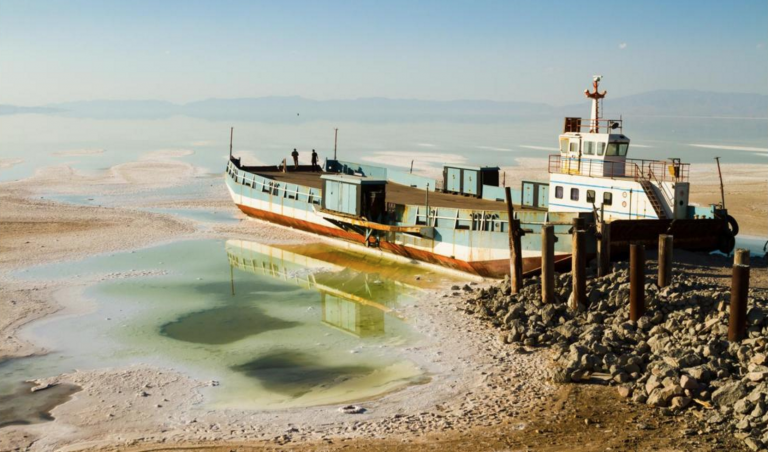
Lake Urmia

Iran is gasping. Its veins—once flowing across aquifers, rivers, dams, and Lake Urmia—have run nearly dry. Across sprawling provinces, water has become an afterthought as billions flowed instead to foreign battlefields, in support of proxies like Hamas and Hezbollah. Meanwhile, the public suffers—and those who speak out are silenced.

Once the Middle East’s largest saltwater lake, Lake Urmia has collapsed under a triple assault: climate change, mismanagement, and politically driven infrastructure. Since the 1970s, it has shrunk by roughly 90 percent due to damming, agricultural overuse, and drought. Though partial recovery efforts began in 2014, the lake remains perilously low—now with barely 5% of its original water volume. Dust storms carry salt and toxins across farmland, damaging crops and fueling respiratory and birth-defect clusters.


Despite this, in August 2025, civil activists detained in Tehran’s Greater Tehran Penitentiary launched a hunger strike, declaring the drying of Lake Urmia “deliberate” according to Iran Focus.

Protests stretch back over a decade: in 2011, protests in Tabriz and Urmia saw security forces attack peaceful environmental activists chanting, “Lake Urmia is thirsty”—dozens were arrested. In 2022, similar cries fueled demonstrations where protesters shouted “Lake Urmia is dying”—again met with force.

Silencing the Voices of Water

This is not idle climate conversation—it’s a pitched battle over survival. Water scientists and environmentalists who seek solutions are often branded agitators. Human rights organizations flagged arrests of scientists attempting to address water shortages, particularly in Khuzestan, during the widespread water protests of 2018. Since Amnesty International has stopped being a reputable source of information, we rely on locals reporting in Farsi to explain the situation. The NCR Iran provides an invaluable backgrounder on why Iran has become so dry.

Behind Iran’s water crisis lies a well‑entrenched “water mafia”—an entrenched nexus of officials, contractors, and entities like the IRGC’s Khatam al‑Anbiya. Critics accuse them of pushing oversized dams and water‑diversion schemes not for the public good, but for profiteering and patronage. The dams overpump and leave behind mud. Experts describe Iran as suffering “water bankruptcy”—demand far exceeding sustainable supply.

Tehran’s reservoirs have plunged: by early 2025, Tehran’s Lar Dam held just 1 percent of capacity; in Isfahan and Khorasan, dam levels are critically low; across the country, reservoir inflow in 2025 dropped 28 percent year‑on‑year

Groundwater has likewise collapsed—Tehran sinks by up to 25 cm annually, a stark sign that aquifers are being emptied.

Proxy Spending on Terror While the Home Front Perishes

As local water systems crumble, Iran continues to channel resources into foreign conflict. Since the early 1990s Iran has provided Hamas with military, financial, and training support; according to US data, its funding rose from around $100 million annually to an estimated $350 million by 2023.

Iran likewise backs Hezbollah in Lebanon, supporting its military and political functions. Without this funding men in countries like Syria and Lebanon would look for work elsewhere.

Amir Kabir dam (Persian: سد امیرکبیر), also known as Karaj dam (سد کرج), is a dam on the Karaj River in the Central Alborz mountain range of northern Iran. Via Wikipedia.

Every dollar diverted to these proxies is a dollar not invested in rebuilding aquifers, repairing aged irrigation, or empowering local water researchers. It is a stark choice: fund regional confrontation—or fix plumbing, banks of wells, and restore a dying lake.

The link between drought and unrest is not theoretical. The Syrian civil war was accelerated, in part, by agricultural collapse and water deprivation; in Iraq, tensions over the Euphrates—the container of life in Mesopotamia—fueled simmering social fractures. In Iran itself, unresolved water shortages inflamed protests in Khuzestan and Isfahan in 2021, sometimes with lethal force deployed.

Environmental mismanagement has unified disparate communities—scientists like Kaveh Madani argue that the water crisis symbolizes governmental failure, capable of mobilizing urban and rural dissent alike

Iran’s Researchers Raise the Alarm—But Are They Heard?

A handful of water experts continue to sound the alarm despite constraints. In mid‑2025, Dr Banafsheh Zehraei, a water‑resources professor at the University of Tehran, warned of an “apocalyptic” drinking‑water disaster, saying Iran had only “two to three weeks” to stave off collapse. Another piece, titled Iran’s water crisis and social consequences, argues that decades of regime inaction have created social unrest that will only intensify.

Independent researchers like Madani have documented how misallocation, poor infrastructure, and disregard for groundwater recharge are at the heart of Iran’s water collapse.

As regional conflict enters a new phase, there’s a brief window for Iran to reframe internal priorities. If Tehran were to pivot: arrest the water mafia’s corruption; restructure water policy around recharge, cloud seeding, and equitable distribution; invest in efficient irrigation and desalination; and protect researchers and right‑to‑water activists—it could reemerge with renewed domestic legitimacy.

Lake Urmia, for all its desiccation, is not beyond redemption. Past projects in the 2010s—planting salt-tolerant scrub to curb dust, allocating over $500 million to watershed restoration—show what might be done if political will follows.

Imagine a program of aquifer replenishment in drought-prone zones, a transparent water-rights system, and public involvement. The results: restored agriculture, fewer climate migrants, reduced risk of water-fuelled uprisings, and a calm society.

Iran’s current posture is unsustainable. Starving citizens of water while funding foreign conflict weakens Iran, not strengthens it. But the priorities can flip.

Water is not merely a domestic issue—it is the soil in which national strength grows. Let this moment—the collapse of Lake Urmia, the protests, the crack of civil anger—be Iran’s turning point. Refocus on water, or watch the state itself leak away.

Foreign journalists are jailed in Iran so it is difficult to get a clear picture on how the day to day water shortages affect everyday people.

Further Reading — Green Prophet

Other References


Frozen juice ice pops recipe – for low-sugar summer treats

1
Make your own ice pops, popsicles or ice lollies
Make your own ice pops, popsicles or ice lollies. Homemade fruit or veggie pops on a stick, inspired by SolPops.

Portland, Oregon is not known for its hot, humid weather, unlike the sticky heat we get over here in the Middle East, yet it is home to a new summer treat – the SolPop.

This is one of the healthiest alternatives to ice-cream and sugar-packed Popsicles since it is made mainly from fruit and natural juices. Finally something you can give your children without feeling guilty about sugar content and chemical coloring. Read on for recipes.

solpops-popsicles-recipe

The idea of SolPop began in May 2008 when Aaron Harmon, his wife Danielle Koppel and their friend Noah Cable started testing out different flavors and combinations of fruits to see what worked best. They now have almost 40 different flavors including sweet and tart, savory, coconut-based and “wellness pops” to counteract the rainy weather.

Made from different fruit, vegetables and herbs, all of which are organic, these pops take the name SOL meaning Sustainable, Organic and Local. “Sol” is also the Spanish word for sun, referring to the brightness of the Latin-American sun. These SolPops bring some of that brightness to Portland with their great natural flavours.

The principle is a light refreshing summer treat, where there is only a limited amount of sugar added in the form of cane sugar, agave and fruit cider making this dessert essentially fruit on a stick. If you are not in the Portland area, however, you should try making your own healthy fruit Popsicle.

Recipe 1 – Frozen Strawberry Pops
Ingredients:

½ cup sugar
½ cup water
2 strips lemon zest
1 cup orange or apple juice
2 cups strawberries

Method:

1. Put the sugar, water and lemon strips in a saucepan and bring to a boil, waiting until the sugar dissolves

2. Remove the lemon strips and allow the syrup to cool
3. Puree the strawberries

4. Combine the pureed fruit with the syrup and fruit juice
5. Pour this mixture into moulds and put it in the freezer.
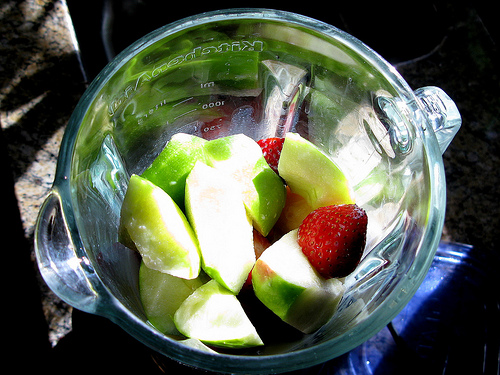
fruit-in-blender Experiment with the fruit: all you have to do it put your choice into a blender and freeze

Recipe 2 – Simple Fruit Popsicles
Ingredients:

450g crushed pineapple undrained
3 firm bananas
450g strawberries

Method:

1. Puree the pineapple, bananas and strawberries
2. Pour into moulds

So here you have a treat you can make for yourself based on anything you have around, from watermelon (which is packed with nutrients), to mint and other herbs which have their own benefits. Play around with the ingredients and find your favorite flavor for summer.

Read more on healthy fruit treats:
4 New Ways to Have Fun with Watermelon
Indulgence Locavore Style: Homemade Strawberry Jam