

The global alternative protein market is becoming a serious business. From plant-based meat and seafood to dairy-free milk and cheese, companies are finding new ways to replace animal proteins. According to Global Market Insights, the alternative protein market was valued at $107.6 billion in 2025. We are already turning to ReMilk as a way to avoid hormones and suffering to cows, can there be an egg revolution as well?
Related: Does Starbucks use lab milk in the coffee- Is it safe?
Now Meala is developing a foodtech egg alternative made from peas. First of all, let’s start with this – what’s wrong with industrial eggs?
As a long-time egg farmer, there is something wonderful about collecting eggs from your own backyard chickens. Chickens that scratch in the dirt keep cockroaches away in the city, they eat kitchen scraps, and produce beautiful eggs with rich, colorful yolks. The problem isn’t the egg itself. It’s the industrial egg industry.
Commercial laying hens are bred to produce hundreds of eggs, often living under stressful conditions with limited space to forage, dust bathe or behave naturally. Most are slaughtered when egg production declines, typically around 18 months to two years.
Related: Want eggs? Raise chickens
Even free-range doesn’t always mean chickens are roaming freely outdoors. And organic? It means regulated organic feed and farming practices, but it doesn’t guarantee chickens spend their days on pasture eating insects and wild plants. Organic corn is still corn. A chicken’s diet influences the nutritional composition of its eggs, including fatty acids and yolk color.
Meala FoodTech develops a pea protein egg alternative
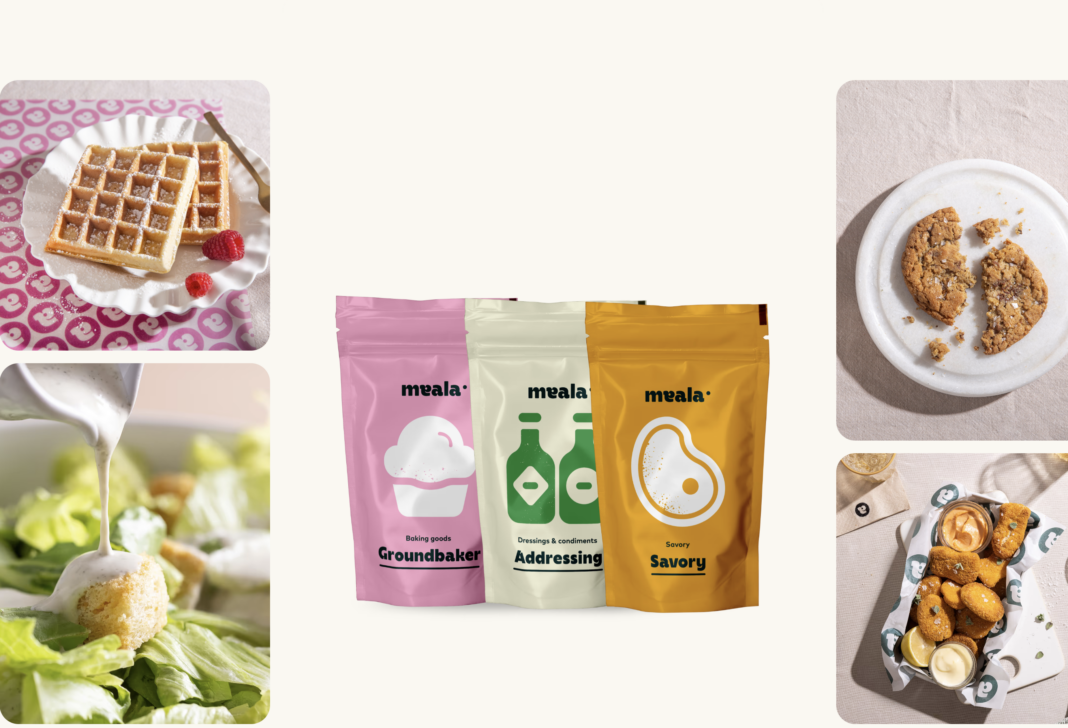
Meala FoodTech has developed Groundbaker, a single-ingredient pea protein designed to replace eggs in commercial baking. Eggs do more than add protein. They bind ingredients, create structure, trap air, retain moisture and help cakes rise. That’s why vegans have been using flax to bind flours in cookies and cakes. But flax seeds have a taste and limitations.
Groundbaker uses proprietary technology to give pea protein similar functional properties, including binding, foaming, gelling and emulsification. “Eggs are considered a cornerstone ingredient in baking due to their versatile functionality,” says Hadar Ekhoiz-Razmovich, CEO and co-founder of Meala FoodTech.
According to the company’s supplied material to Green Prophet, Groundbaker can be used in cakes, muffins, pancakes, brioches and other baked goods. The technology could also help manufacturers reduce costs and avoid supply disruptions caused by avian influenza outbreaks and fluctuating egg prices.
Vegan bakers already use ground flaxseed mixed with water as a binding agent. Chia seeds work similarly. Mashed bananas, applesauce and silken tofu add moisture and structure, while aquafaba, the liquid from cooked chickpeas, can be whipped into vegan meringues. But these substitutes don’t always reproduce all the functions of eggs.
Meala FoodTech’s pea protein technology aims to deliver several of these functions through one ingredient. Bakery specialist Lasenor has already demonstrated muffins made with 50% to 100% less egg using VP-100, an ingredient developed with Meala’s technology.
Can pea protein replace industrial eggs?
Peas are legumes that can support soil fertility through nitrogen fixation. Using pea protein instead of eggs could also reduce dependence on intensive poultry production, although the environmental footprint of the finished ingredient depends on how it is grown and processed.
Groundbaker isn’t designed to replace a sunny-side-up egg at breakfast. It’s intended for food manufacturers making cakes, muffins and other baked goods. There will always be something special about an egg collected from a happy backyard chicken.

But does every factory-made muffin, packaged cake or commercial pancake really need an egg from an industrial hen? Meala FoodTech thinks pea protein could offer another way.