How to safely remove astroturf and plastics from your backyard

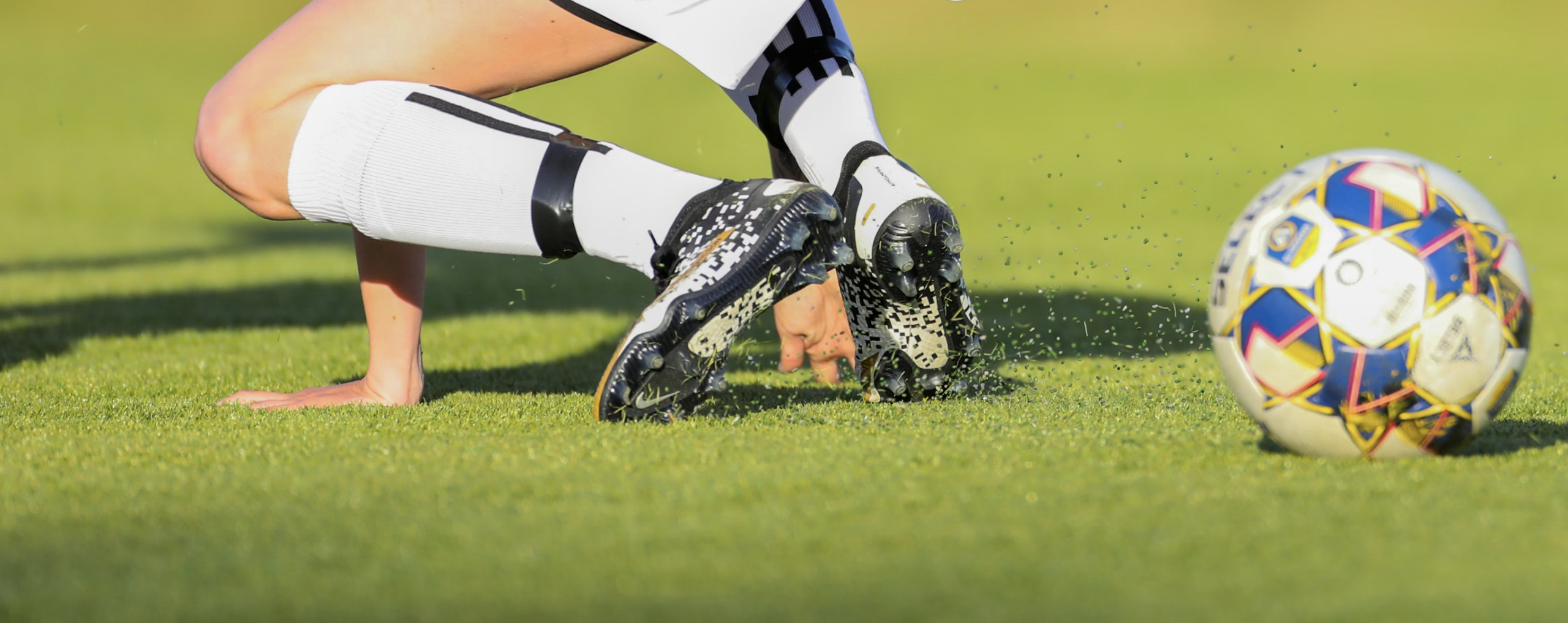
Astroturf on a soccer pitch not only releases chemicals, players don't take risks on it for the burns
Astroturf on a soccer pitch not only releases chemicals, players don’t take risks on it for the burns

Artificial turf was sold as a low-maintenance dream for dry climate cities like Los Angeles, Dubai, and Tel Aviv: no mowing, no mud, no watering. But for many homeowners, it is starting to look more like a plastic trap. It is leaking microplastics which are a health and eco-hazard. Biohacker Bryan Johnson spoke about the need to get rid of his astroturf for health reasons, but how?

Synthetic grass can get dangerously hot in the sun, cause skin burns, trap chemical dust, and shed microplastics into your soil and drains and these also end up in our air and bodies. Many products also contain crumb rubber infill made from recycled tires, along with plastic fibers and backing materials that do not belong in a healthy backyard.

For families with kids, pets, or anyone trying to build a cleaner outdoor space, removing old astroturf is one of the simplest ways to reduce unnecessary exposure to plastics and heat. Some past studies suggest that if kids have played on these surfaces you need to wash their hands.

The good news is that you do not need to turn your yard into a construction zone, as getting rid of artificial turf is a sooner the better idea. You just need to remove it carefully, contain the mess, and dispose of it responsibly.

5 simple tips to safely remove astroturf from your yard
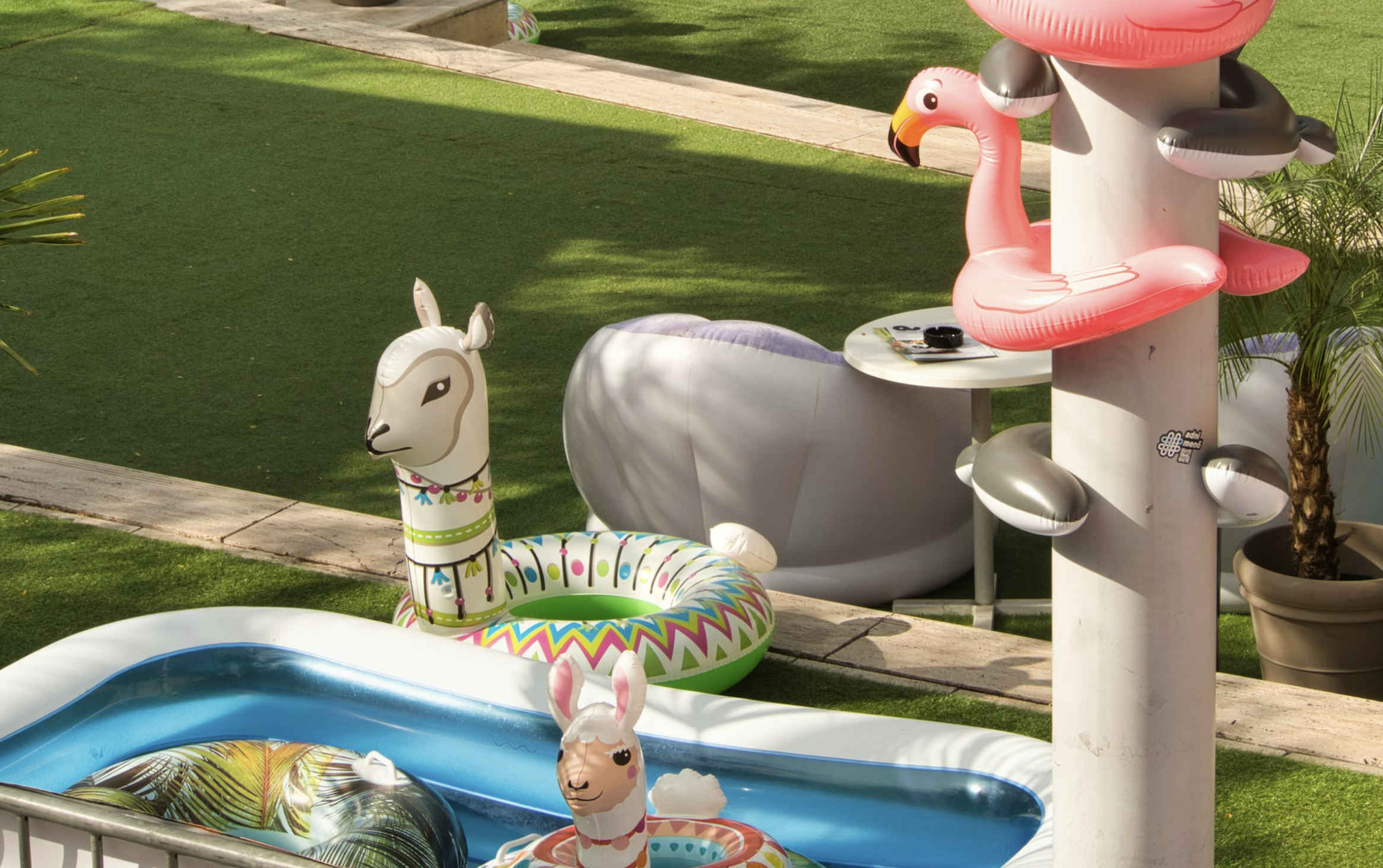
Is Astro Turf safe?
Is Astro Turf safe?

1. Pick a cool, dry day

Do not remove turf in extreme heat or on a windy day. Hot turf releases more dust and becomes harder to handle. Wind can spread loose fibers and crumb rubber around your yard and into drains.

2. Wear gloves, shoes, and a mask

Old turf can contain dust, rubber particles, sharp staples, sand, and degraded plastic fibers. Wear: work gloves, closed shoes or boots, long sleeves and wear an N95 or dust mask if the turf is old or crumbly. Keep the kids and pets away while you work.

3. Roll it up slowly, don’t rip it apart

Cut the turf into manageable strips with a sharp utility knife if it’s large. Roll each strip carefully instead of dragging it across the yard. This helps stop plastic fibers, infill, and backing crumbs from spreading into your soil. If there is black crumb rubber or sand infill, use a shovel and broom to gather it first before rolling.

4. Bag the loose plastic and vacuum the area if the turf is on a hard surface. If it’s on sand or earth sweep or rake visible plastic bits and use a shop vacuum for small fibers and rubber crumbs. Better to collect some sand with the plastic bits using a shop vac. Collect debris into heavy-duty contractor bags

Do not hose the area down aggressively. That can push microplastics deeper into soil or into storm drains or into your backyard to keep emerging years later. Wait for a week or too. Natural air flow should gather some of the plastic fragments at corners for you to sweep away and contain.

5. Don’t burn it or dump it illegally

It’s not asbestos so you don’t need to bring it to a biohazard site. A local dump will do, or ask your city what to do and how to mark it if they do collection. Never burn artificial turf. It can release toxic, plastic fumes. And do not cut it into tiny pieces and throw it loosely into regular trash if you can avoid it.

Instead:

Ask your municipal waste center if they accept artificial turf. Check for construction and demolition waste disposal sites near you. Ask local landscaping or junk-haul companies if they handle turf removal. If the turf is newer, ask the installer or manufacturer if they have a take-back or recycling option for what you’ve pulled up.

Some places treat artificial turf as bulky plastic or construction waste, not regular yard waste.

How to reduce microplastics left behind from astroturf 
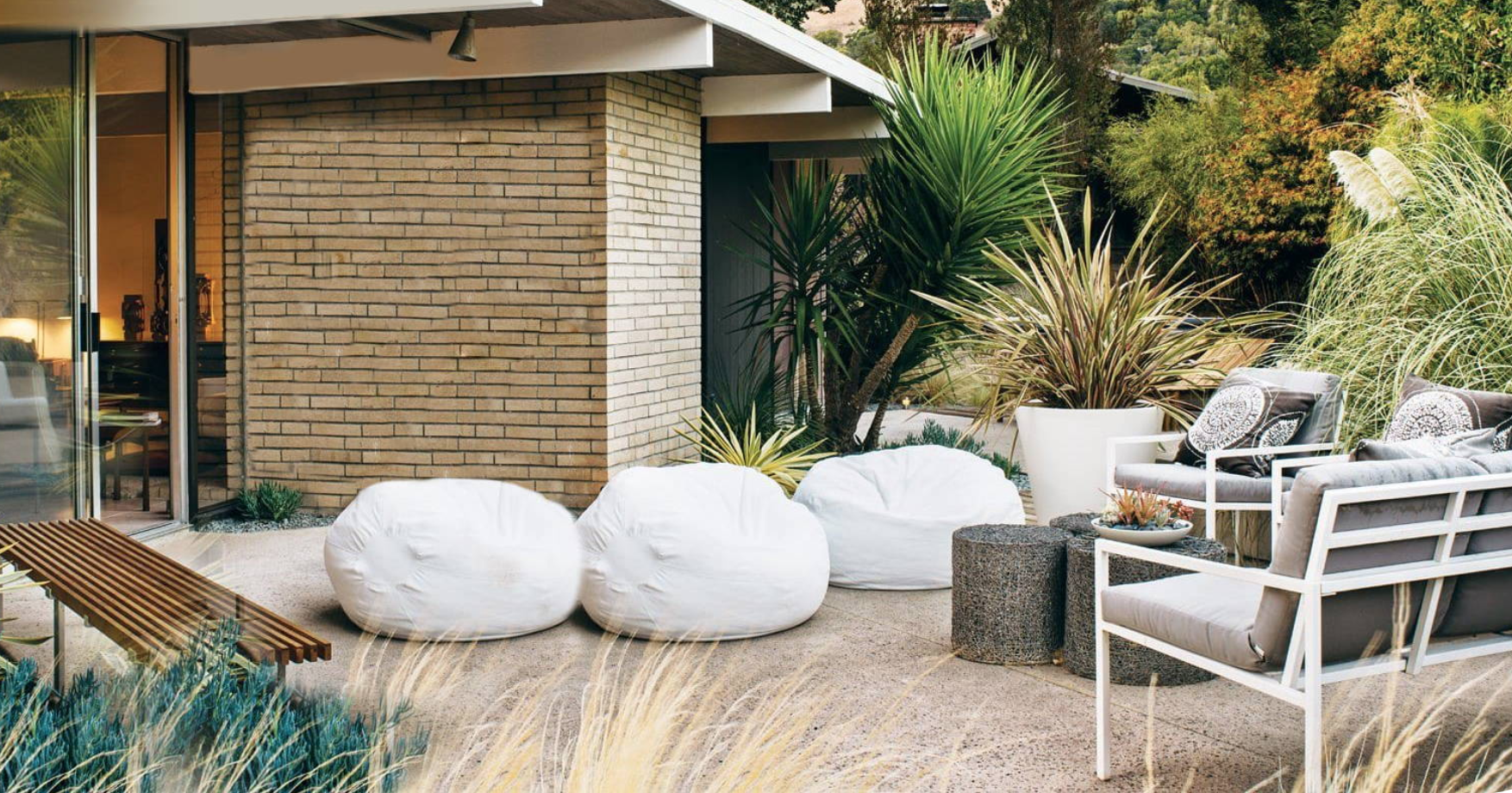
There are ways to sustainably care for your backyard, via Bakker.com

You probably will not remove every last plastic fiber, but you can reduce what remains. Try this simple cleanup plan:

  • Hand-rake gently to collect visible fragments
  • Shop-vac hard surfaces like patios, pavers, and edges
  • Remove the top layer of contaminated infill or dust if there’s a heavy buildup
  • Add fresh compost and mulch to help cover and stabilize remaining particles
  • Replant with groundcovers, native plants, clover, gravel, or permeable stone

If the turf sat there for years, replacing the top few centimeters of soil in high-use areas may also help, especially where children played barefoot.

What should replace astroturf?
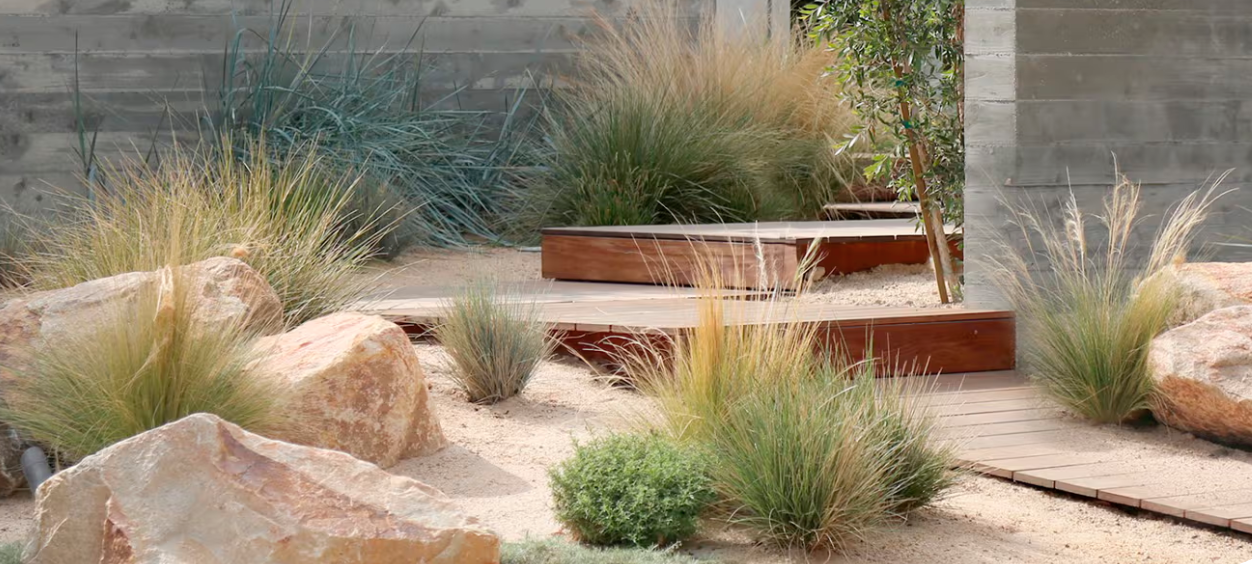
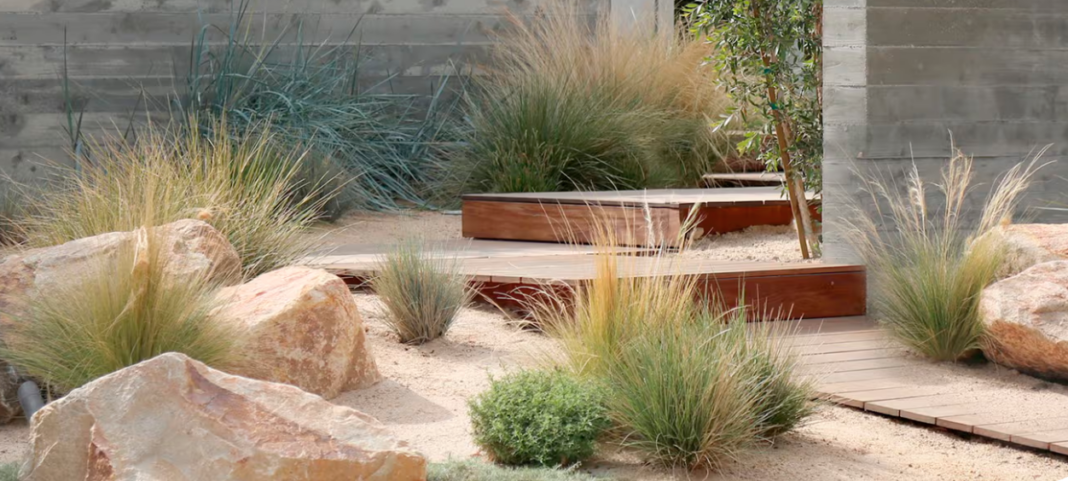
Bakker.com solutions of native grasses, sand and wood

The best replacement depends on your climate, but healthier choices include:

  • native drought-tolerant plants
  • clover or low-water living groundcovers
  • mulch play areas
  • permeable pavers
  • gravel with shade trees
  • tiled or shaded courtyard spaces

The smartest yard is not the greenest-looking one. It is the one that stays cooler, drains properly, and supports life instead of shedding plastic.

Karin Kloosterman
Karin Kloostermanhttp://www.greenprophet.com
Karin Kloosterman is an award-winning journalist, innovation strategist, and founder of Green Prophet, one of the Middle East’s pioneering sustainability platforms. She has ranked in the Top 10 of Verizon innovation competitions, participated in NASA-linked challenges, and spoken worldwide on climate, food security, and future resilience. With an IoT technology patent, features in Canada’s National Post, and leadership inside teams building next-generation agricultural and planetary systems — including Mars-farming concepts — Karin operates at the intersection of storytelling, science, and systems change. She doesn’t report on the future – she helps design it. Reach out directly to [email protected]

Read More

TRENDING

6 Ways Landlords Can Improve Cash Flow from Eco Rentals

Want your rental property to pay the mortgage? Build a sustainable home that practically advertises itself. From solar-heated hot tubs and energy-efficient appliances to pet-friendly yards and Nordic-style saunas, eco-conscious upgrades can justify higher rents, attract better tenants, and reduce costly vacancies. This guide explores practical ways landlords can improve cash flow without major renovations, including working with property managers, adjusting rental rates strategically, reducing operating expenses, and uncovering new revenue streams. Whether you're running an Airbnb, a vacation cabin, or a long-term rental, sustainability isn't just good for the planet—it can be good for your bottom line. A greener property often becomes a more profitable one.

Are the Great Lakes polluted?

The Great Lakes may look pristine, but a new cleanup report reveals a growing tide of plastic pollution beneath the surface. From cigarette butts and food wrappers to tiny plastic fragments and discarded nicotine pouches, researchers are finding evidence that everyday consumer waste is making its way into North America's largest freshwater ecosystem. New technologies, including Canada's first BeBot beach-cleaning robot, are helping scientists understand how plastic travels through lakes, shorelines and stormwater systems before breaking down into microplastics.

Off-the-Grid and On Point: Rechargeable Lighting That Supports a Greener Lifestyle

Lighting sources that use rechargeable batteries include an LED flashlight, a generator, and an outdoor solar light fixture. Flashlights are some of the more versatile lighting choices, since these devices offer various sizes and brightness. Brightness capability is also known as lumens. If you need strong lighting, choose a device with a higher lumen output.

Beach called hidden paradise is plastic hell

Everything counts in large amounts: July 13, near a...

On Planning Crowded Cairo with Dr. Abdulrahman Makhlouf (Interview)

In the new Portal 9, the first Arabic-English journal...

Yerukim Forms a New Green Economy Where the Money is Really Green

The Yerukim members who pick up the recyclables get to keep the monetary reward, the public earns "green" bills that can be used in shops, and business owners get to be associated with environmentalism.

Choosing Riyadh over Dubai? What Investors Should Know

Saudi Arabia is deploying capital at unmatched scale to catalyze tourism and advanced industry while rewiring its power-and-water backbone. The investable frontier is widening—especially in renewables, grid storage, water efficiency/desal retrofits, and hospitality operating platforms. Prudent investors will insist on phased delivery, enforceable KPIs (energy, water, biodiversity), and RHQ/zone compliance—while pricing political-economy and reputational risks alongside growth upside.

Sell your cooking oil for biodiesel money

Want to make money on old french fry oil? Sell it.

Qatar Alternative Energy Summit Pairs Investors And Innovators

Alternative energy investors and innovators can meet n' greet in Doha, Qatar March 16 and 17.

Here’s How To Implement The Four Pillars Of Employee Engagement

If you throw a party for your work team and they are vegans, don't make it a barbecue. Know the sustainability values of your team to boost moral and retain good people.

Locals From Rishon Fight IKEA

Big Box stores are a pretty new concept in Israel, and thank God that not every Israeli city wants them in their backyard. A word from someone who has see the beautiful farmland around her hometown Newmarket, Ontario stripped and converted into vulgar strip malls of big box shops: they have no place in a healthy and sustainable town or city.

The Jewish National Fund Meets An Inconvenient Truth

According to the JNF, it has transformed thousands of acres of barren land into green forests in Israel. They state that each person emits about 23 tons of carbon per year, estimating that each tree planted can absorb one ton of carbon in its lifetime. That's a whole lot of trees you'd need to be planting. Could so many fit in Israel?

How to quiet noise from construction in your office

Streets need to be resurfaced in New York but the humming and grinding noise is unsettling. Noise is environmental pollution. 

Popular Categories