
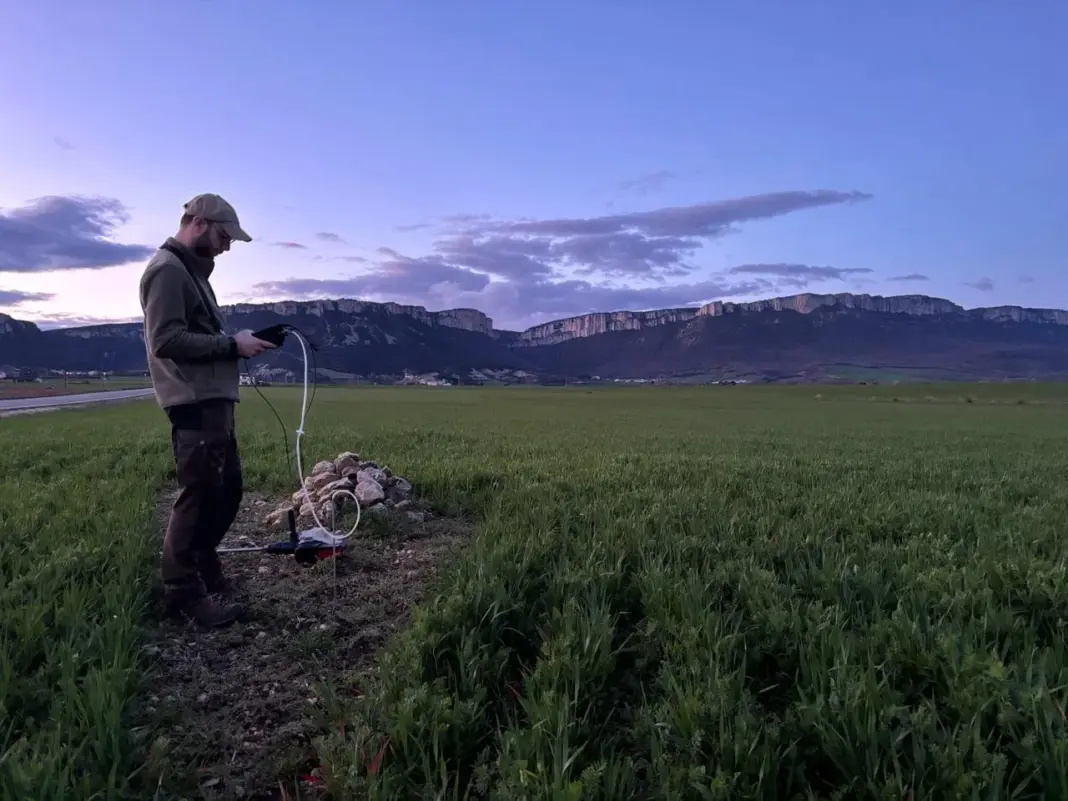

The European Commission’s renewed Hydrogen Strategy consultation references natural hydrogen for the first time. This matters. For years, policy has focused almost exclusively on man-made hydrogen – green, blue, grey, pink. While their carbon intensity varies, they share some common challenges: high production costs, energy requirements and dependence on infrastructure that can be difficult to scale. If the hydrogen sector is to fulfil its potential, it must find ways to overcome these barriers. The answer may not be as distant as you might imagine.
Natural hydrogen is being formed continuously by geological processes deep beneath the Earth’s surface.
Related: Mantle8 uses AI to find hidden hydrogen in France
The question facing Europe is no longer whether the Earth makes hydrogen. It does, cheaper than any factory. Huge volumes of it sit in subsurface reservoirs across the continent. The question now is whether Europe will build the regulatory and funding conditions to find it systematically, or perpetuate the EU’s reliance on foreign suppliers.
From accident to precision
The only commercial natural hydrogen well in operation today was found by accident – a company looking for oil in Mali in 1987 hit hydrogen. They abandoned the well until it was rediscovered in 2012 and brought online to fuel the local village. Oil and gas exploration was just as simple when it began. Explorers followed surface signs, drilled on intuition and occasionally struck resource. It took a century of geology, geophysics and technology development before the industry could locate commercial reservoirs with certainty.
Many natural hydrogen explorers are still using the old oil and gas methods – following surface signals and drilling in the hope of finding accumulations. Too often, these approaches produce hydrogen dissolved in water, where recovery factors are low and infrastructure costs are high. This makes commercial production difficult to finance and scale.
What they need to find is high-purity hydrogen under pressure, trapped in a sealed reservoir: a viable resource capable of supplying industrial demand at scale.
Finding hydrogen on purpose requires two things. First, locating subsurface gas accumulations. Second, confirming that the gas is hydrogen, not methane or helium, before committing capital to a well. That requires purpose-built exploration technology: multiphysics imaging, geochemical modelling, subsurface mapping. The tools that took oil and gas a century to develop.
The technology exists
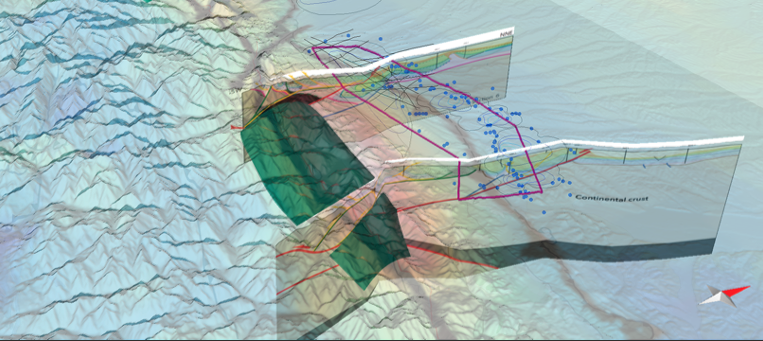
Commercial resources of natural hydrogen require three geological conditions: an active hydrogen generation system, pathways for the gas to migrate and a sealed trap where it can accumulate. Understanding these conditions is essential, but being able to identify them before drilling is what makes commercial exploration possible.
The good news is that the technology to do this exists today, built from first principles to identify commercially viable resources.
In the French Pyrenees, European hydrogen exploration companies have developed the first image of a complete natural hydrogen system from generation to accumulation. Gas has been detected in the trap. Drilling will confirm what the imaging predicts. That is the shift: from geological speculation to targeted exploration.
Europe is falling behind
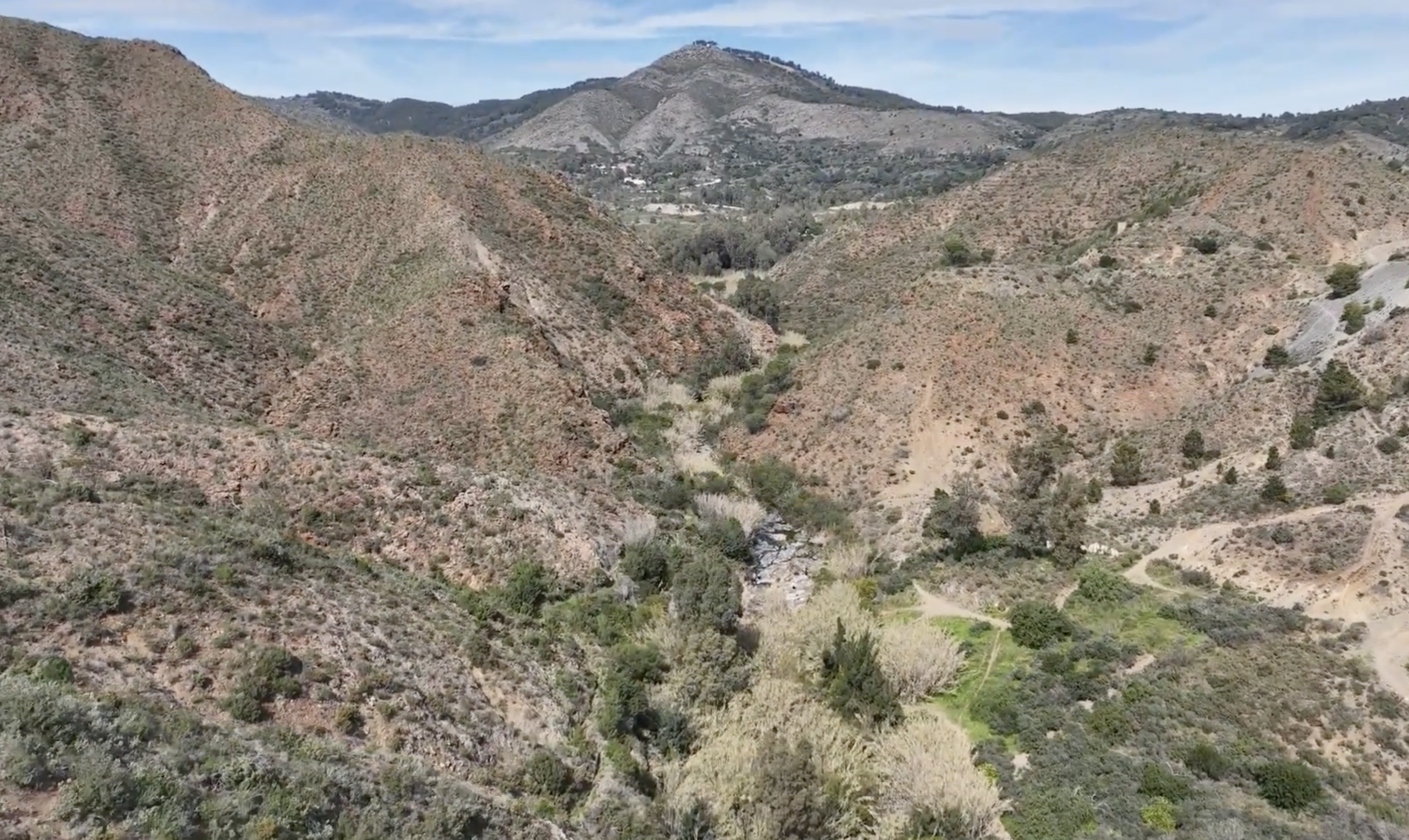
Europe is leading the technology race but technology is only half the equation. The other half is policy. And here, Europe is falling behind.
Across the United States, Canada and Australia dozens of natural hydrogen exploration wells have been drilled. The UAE, Turkey and others have started exploring their regions. Data is being gathered. Lessons are being learned. Investment is flowing to explorers with credible subsurface models. Meanwhile, Europe has drilled just one well, risking falling behind as other markets gather data, develop their understanding of the resource and attract investment.
The problem is not a lack of resource. Europe has significant potential natural hydrogen resources, many of them believed to be close to existing industrial demand centres. The problem is regulatory uncertainty. Natural hydrogen is a geological resource, not a man-made product. Its exploration falls under mining and hydrocarbon frameworks that were not written with hydrogen in mind. Licensing is inconsistent. Permitting timelines are opaque. Access to geological data is fragmented.
Some member states are beginning to adapt. France, Spain and Poland have each taken steps towards recognising natural hydrogen within their existing regulatory frameworks. But a patchwork of national approaches will not build an industry. Europe needs a coordinated framework.
What Europe needs to do
During European Hydrogen Week, more than 30 organisations from across the energy, industrial, research and investment sectors presented an Open Letter to European Commission representatives. Led by Hydrogen Europe and initiated by exploration companies already active in the field, the letter called for a European Natural Hydrogen Initiative. Four priorities were identified.
First, explicit legal recognition of natural hydrogen as a distinct resource class within EU energy and subsurface law. Second, dedicated funding to support early-stage exploration and appraisal drilling – the proposed figure is €1 billion for approximately 50 wells across 10 member states. Third, predictable and streamlined permitting procedures to reduce the time and cost of moving from exploration licence to drilling approval. Fourth, better access to geological and geophysical data through a European natural hydrogen atlas, making it easier for explorers to identify prospective areas.
None of this requires Europe to commit to natural hydrogen as a future energy source before its commercial potential is established. What it does require is creating the conditions to properly investigate that potential. To gather data. To drill wells. To establish whether natural hydrogen can contribute meaningfully to Europe’s energy mix, and at what cost.
The stakes are straightforward. Continue to rely on luck, and Europe remains reliant on imported energy. Create the framework to find natural hydrogen, and member states gain access to a domestic, low-emissions resource that can supply hard-to-abate industries without dependence on renewable electricity infrastructure or imported feedstocks.
The Commission’s consultation is open until 23 November. Recognition of natural hydrogen in the strategy document is a first step. The next step is turning that recognition into action. The exploration companies, the technology and the geological understanding are ready. The question is whether Europe’s regulatory framework will catch up in time.

Emmanuel Masini, CEO & Founder of natural hydrogen exploration company Mantle8