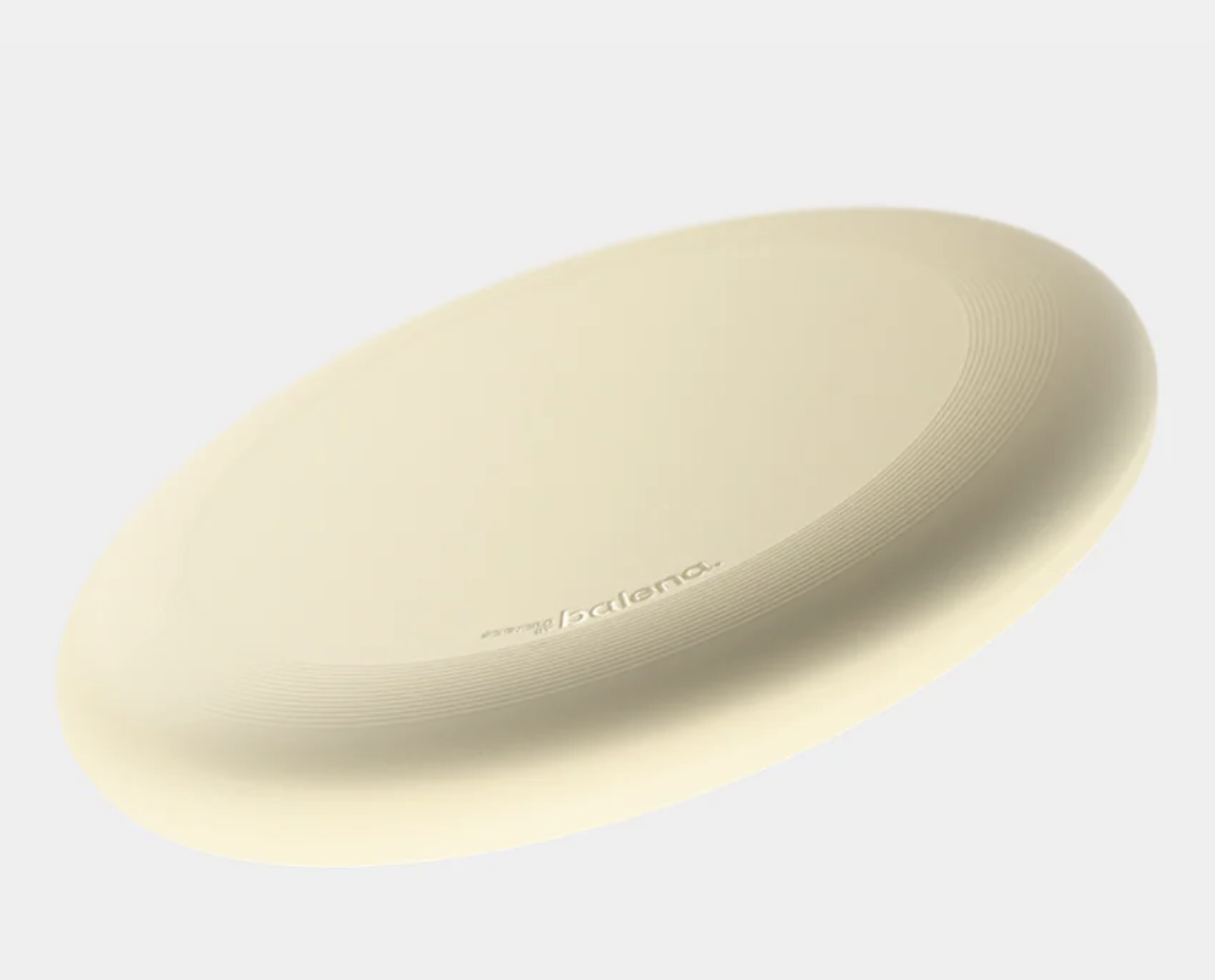
Sports equipment is entering the bioplastics era

Breaking into the sports industry with a product that’s both high-performance and fully circular is a proud moment for us at Balena. This frisbee, made from our bacteria-fermented bioplastic, is proof that sustainable materials can go beyond concepts and prototypes, they can play, perform, and inspire”— David Roubach, Founder & CEO, Balena —
Breaking into the sports industry with a product that’s both high-performance and fully circular is a proud moment for us at Balena. This frisbee, made from our bacteria-fermented bioplastic, is proof that sustainable materials can go beyond concepts and prototypes, they can play, perform, and inspire” — David Roubach, Founder & CEO, Balena

The humble frisbee may not look like a climate solution, but it could become a symbol of where the sports equipment industry is heading next.

Balena and Decathlon Pulse have introduced what they describe as the world’s first frisbee made from bacteria-fermented bioplastic, using Balena’s proprietary BioCir® X material. The launch signals something larger than a novelty sports product: it suggests that sustainable materials are finally becoming durable and scalable enough for mainstream sports equipment. And the best news: if it gets lost at sea it can just become one with the ocean, no damage done.

The global sports equipment market generates enormous amounts of plastic waste. Frisbees, balls, footwear, paddles, protective gear, yoga mats, and fitness accessories are typically made from petroleum-based plastics designed for durability but not for responsible disposal. Millions of sports products are lost outdoors each year, ending up in oceans, parks, lakes, and landfills where they can remain for centuries. Millions of flip-flops have landed on Seychelles islands interrupting turtle breeding grounds.

According to Balena, the brad that has worked with fashion icons like Stella McCartney, new frisbee is designed for impact resistance, long-term use, and responsible breakdown in compost, soil, and marine environments. More importantly, the company says the material is compatible with industrial-scale injection molding, which means it can theoretically move beyond prototypes into mass-market production – like today.

That matters because sustainability in sports has often stalled at the concept stage. Consumers have seen recycled shoes, algae foam sneakers, bamboo skateboards, and biodegradable phone cases, but few products have managed to combine real athletic performance with circular material science at scale. We know a frisbee isn’t much but it’s a start.
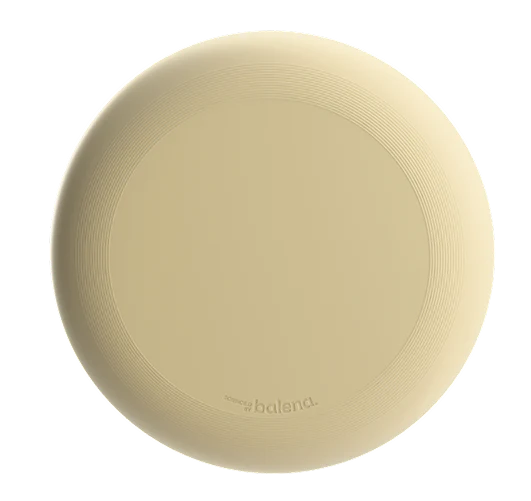
Decathlon frisbee
Decathlon frisbee

Balena’s material

The sports industry is beginning to face the same pressure already reshaping fashion, packaging, and automotive manufacturing. Consumers increasingly want sports equipment that reflects environmental values without sacrificing performance. Brands meanwhile are searching for alternatives to fossil-fuel plastics as regulations tighten around waste and emissions. Also microplastics from yoga pants are getting into bodies through sweat. No one wants that.

The frisbee market alone is projected to reach hundreds of millions of dollars globally within the decade. But the bigger opportunity lies in what comes next: running shoes, cleats, shin guards, racket handles, yoga equipment, outdoor recreation gear, and eventually even automotive interiors or consumer electronics built using similar biobased thermoplastics.

For decades, “eco-friendly” products often carried a stigma of being weaker, softer, or impractical. The next generation of sustainable sports equipment is attempting to erase that distinction entirely.

David Roubach, balena shoes
David Roubach, from Balena

“Breaking into the sports industry with a product that’s both high-performance and fully circular is a proud moment for us at Balena. This frisbee, made from our bacteria-fermented bioplastic, is proof that sustainable materials can go beyond concepts and prototypes, they can play, perform, and inspire” — David Roubach, Founder & CEO, Balena —

Karin Kloosterman
Karin Kloostermanhttp://www.greenprophet.com
Karin Kloosterman is an award-winning journalist, innovation strategist, and founder of Green Prophet, one of the Middle East’s pioneering sustainability platforms. She has ranked in the Top 10 of Verizon innovation competitions, participated in NASA-linked challenges, and spoken worldwide on climate, food security, and future resilience. With an IoT technology patent, features in Canada’s National Post, and leadership inside teams building next-generation agricultural and planetary systems — including Mars-farming concepts — Karin operates at the intersection of storytelling, science, and systems change. She doesn’t report on the future – she helps design it. Reach out directly to [email protected]

Read More

TRENDING

Bricks and Minifigs, and the Future of Circular Play

A second-hand LEGO marketplace keeps plastic bricks circulating for years instead of ending up forgotten in basements or discarded in landfills. It gives children access to building materials at lower prices. It extends the lifespan of a product that was originally designed to last generations.

Is artificial turf bad for your health?

Artificial turf, the green plastic stuff that is supposed to look like grass, was sold to many home-owners as a clever compromise: a green-looking surface that makes you feel homey, but which needs no mowing. It survives heavy use, and in dry places like Middle East deserts, and in California or Texas, it can replace thirsty lawns. But it is toxic.

What Makes Artificial Turf Like AstroTurf Safe? University Research and Independent Testing Reveal Key Factors

A comprehensive analysis published by AstroTurf experts on turf field safety identifies several critical factors that separate premium synthetic surfaces from standard installations.

The UAE and sovereign wealth funds for green tech 2025 – get the report

The UAE is positioning itself as the Middle East’s green finance hub — mobilizing billions in sustainable bonds, ESG funds, and innovation capital to support its Net Zero 2050 vision. Green Prophet’s UAE Green Finance 2025 Report explores how banks, investors, and policymakers are shaping the next cleantech frontier, from Masdar City to Abu Dhabi’s sovereign initiatives.

Why New York Climate Week Isn’t Boring — and 5 Fun Things You Can Do to Make It Yours

Climate Week isn’t just for CEOs and policymakers. It’s a chance for anyone to plug in, whether you’re attending an official showcase or just biking to work with a few friends. Fun and climate action aren’t opposites — they feed each other. And when you connect with community, food, music, or nature, you realize: this is what the future can look like.

Yerukim Forms a New Green Economy Where the Money is Really Green

The Yerukim members who pick up the recyclables get to keep the monetary reward, the public earns "green" bills that can be used in shops, and business owners get to be associated with environmentalism.

Choosing Riyadh over Dubai? What Investors Should Know

Saudi Arabia is deploying capital at unmatched scale to catalyze tourism and advanced industry while rewiring its power-and-water backbone. The investable frontier is widening—especially in renewables, grid storage, water efficiency/desal retrofits, and hospitality operating platforms. Prudent investors will insist on phased delivery, enforceable KPIs (energy, water, biodiversity), and RHQ/zone compliance—while pricing political-economy and reputational risks alongside growth upside.

Sell your cooking oil for biodiesel money

Want to make money on old french fry oil? Sell it.

Qatar Alternative Energy Summit Pairs Investors And Innovators

Alternative energy investors and innovators can meet n' greet in Doha, Qatar March 16 and 17.

Here’s How To Implement The Four Pillars Of Employee Engagement

If you throw a party for your work team and they are vegans, don't make it a barbecue. Know the sustainability values of your team to boost moral and retain good people.

Locals From Rishon Fight IKEA

Big Box stores are a pretty new concept in Israel, and thank God that not every Israeli city wants them in their backyard. A word from someone who has see the beautiful farmland around her hometown Newmarket, Ontario stripped and converted into vulgar strip malls of big box shops: they have no place in a healthy and sustainable town or city.

The Jewish National Fund Meets An Inconvenient Truth

According to the JNF, it has transformed thousands of acres of barren land into green forests in Israel. They state that each person emits about 23 tons of carbon per year, estimating that each tree planted can absorb one ton of carbon in its lifetime. That's a whole lot of trees you'd need to be planting. Could so many fit in Israel?

How to quiet noise from construction in your office

Streets need to be resurfaced in New York but the humming and grinding noise is unsettling. Noise is environmental pollution. 

Popular Categories