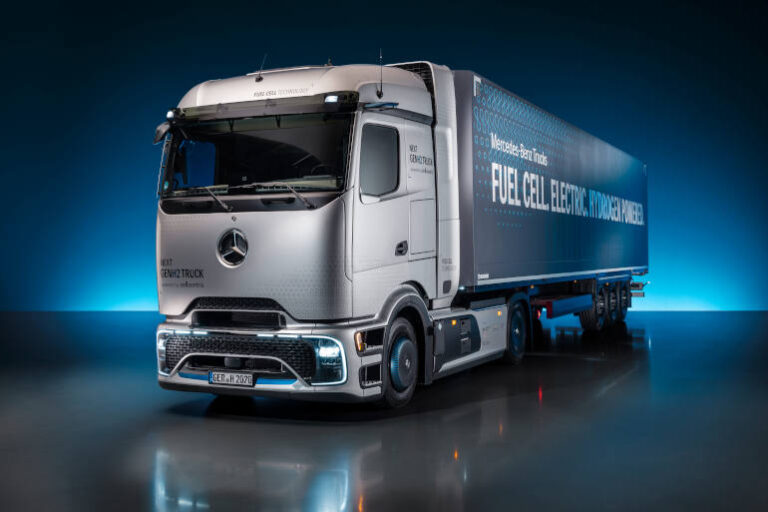
According to the National Safety Council, the year 2024 recorded 5,218 deaths involving large trucks. This figure represents a 3% decline relative to the previous year. Looking back at the statistics over the last ten years, it can be said that deaths from truck accidents have increased.
Truck accidents can result in catastrophic injuries. With the disparity of weight between a passenger car and commercial trucks, there is an obvious increase in severity when they are involved in an accident together. Smaller vehicle drivers experience collision impacts that their vehicle safety systems cannot control when two vehicles crash. In Canada, a trucker killed a team of teen hockey players, leading to catastrophic losses to an entire community. Safer trucking, greener trucking, is sustainable trucking.
Let’s discuss the contributing factors that allow trucks to cause catastrophic injuries.
Why Truck Crashes Produce Injuries at a Different Scale

Heavy and large as they are, trucks travel at highway speeds with vastly greater energy than a car cruising at the same speed. The height differential between trucks and passenger vehicles creates its own category of extreme injuries.
Passenger cars are designed to absorb energy at bumper height. A truck trailer bed reaches chest height or roof height for most cars, which results in the complete bypassing of protective vehicle design in particular crash situations.
Collision Types That Cause the Most Severe Injuries
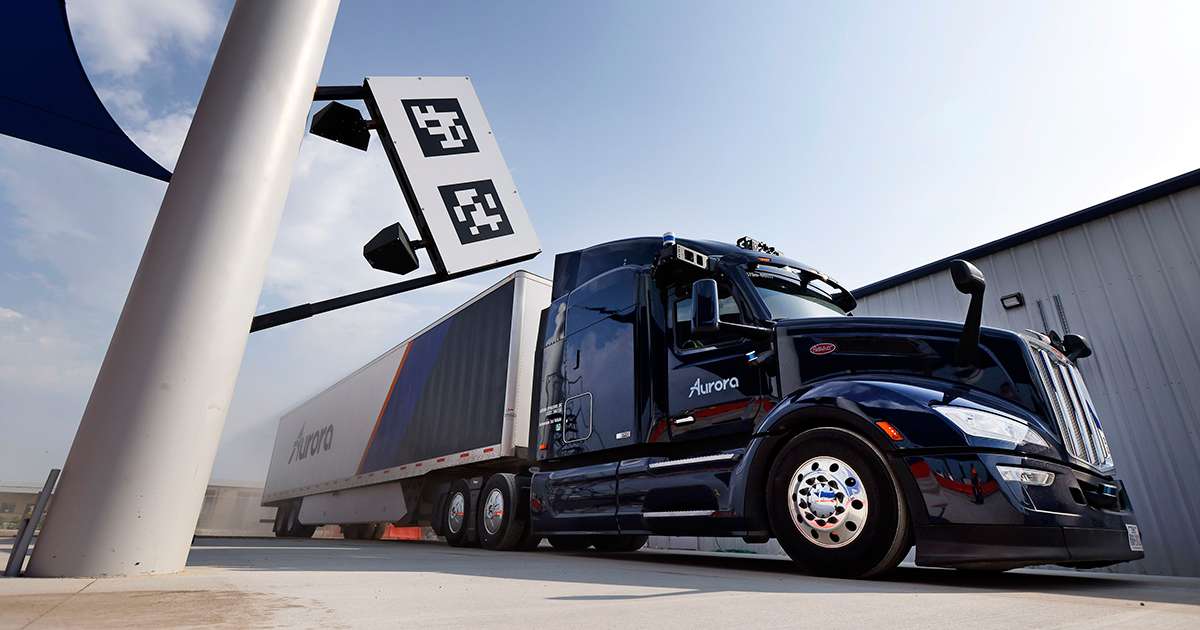
Underride crashes
A rear underride occurs when a car moves underneath the truck trailer instead of hitting the front bumper. In case of a side underride, truck drivers tend to turn or change lanes, with the edge of the trailer striking the windshields or rooftops of adjacent vehicles. The results become deadly since the safety systems designed to keep passengers safe inside the vehicle stop functioning.
The three protective systems of airbags and seatbelts and crumple zones protect against bumper-height impacts. A trailer that enters at roof or windshield height compresses the occupant space directly, crushing or severing whatever is in its path. Underride crashes result in traumatic brain injuries, decapitation, partial decapitation, spinal cord injuries, and chest crush injuries.
By 1998, the federal government legislated the mandatory requirement of rear underride protection for trailers. Unfortunately, the Insurance Institute for Highway Safety (IIHS) found this requirement inadequate. The National Highway Safety Administration (NHTSA) estimates that side underride guards could save 89-200 lives each year, yet there are hardly any federal mandates in sight for implementing them.
According to Gonzales catastrophic injury lawyer Andre P. Gauthier, one aspect that makes accident claims involving trucks more complex is that numerous parties could be held liable for the accident. In underride crashes, the driver, truck manufacturer, and carrier share liability when an underride guard breaks during testing or when no adequate guard exists.
Jackknife crashes
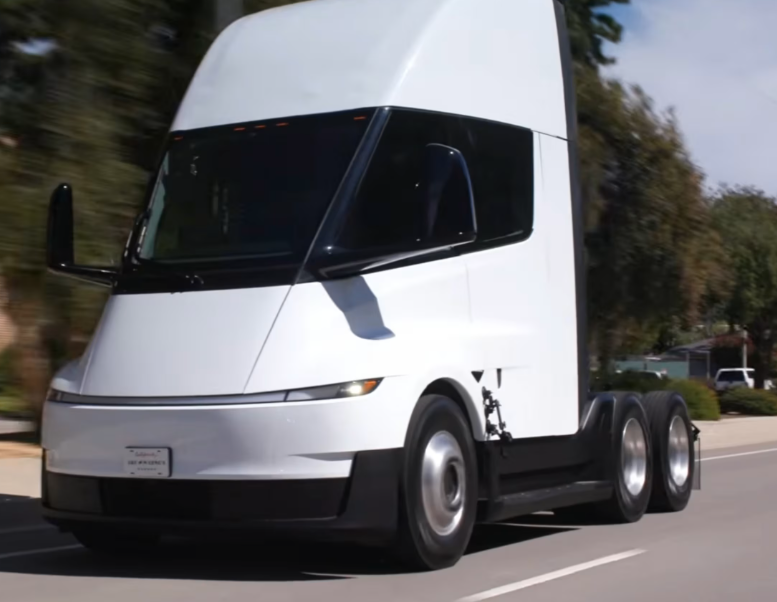
Jackknife crashes are defined as when the driver loses control of the truck when its trailer swings outward to a 90-degree angle. This accident is normally caused by both slippery driving conditions and the driver making emergency steering attempts. The trailer sweeps across multiple lanes, and vehicles alongside or behind the truck have no way to avoid it. The sweeping mass of a trailer under high-speed conditions has the potential force to kill passengers of any vehicle it hits, as its abrupt collision can have grave results. Jackknifing typically occurs when there is poor vehicle maintenance, worn brake torque in an emergency braking situation, or a motorcycle driver making a quick lane change.
Rollover crashes
Highway trucks have a high center of gravity. As such, they are prone to rolling over when negotiating sharp turns or making an abrupt shift.
The situation becomes worse if the truck is loaded improperly and does not observe necessary safety precautions. There is a higher chance for them to tip over on sharp turns.
A rolling truck will crush any vehicle caught beneath it. The FMCSA cargo loading standards establish dedicated securement methods that carriers and loading contractors must follow. Any breach of these regulations results in cargo shifting liability, which extends to all parties involved except the driver.
Rear-end collisions
It is usually the smaller vehicle that takes the worst beating in head-on collisions. Trucks, which are bigger and heavier than most vehicles, can cause great damage in a collision with a car.
During such an accident, the car may fail to absorb the force of the impact and then crumple. This will cause several injuries ranging from severe to life-threatening to its occupants.
The Catastrophic Injuries That Result
Traumatic brain injury
During any rapid acceleration or deceleration accident, the brain inside the cranium would be shaken violently and suffer some injuries.
The range of traumatic brain injuries from truck crashes includes concussion and severe diffuse axonal injury. The long-term effects of this condition include cognitive deficits, seizure disorders, personality and behavioral changes, loss of motor function, and, in extreme cases, a permanent inability to live independently. Life care planners who serve as expert witnesses in these cases typically estimate that their clients will require seven-figure lifetime care expenses.
Spinal cord injury
The spinal column suffers various types of injuries, which include compression, shearing, and hyperflexion, during a crash. The cord becomes damaged, which causes people to experience either partial or complete paralysis that extends from the injury site. The effects of cervical injuries extend to both arms, hands, and diaphragm function. Meanwhile, thoracic injuries lead to different levels of paralysis that start from the chest area. Spinal cord injuries need emergency treatment, which requires immediate stabilization through surgical procedures. The lifetime medical costs for a severe spinal cord injury routinely exceed several million dollars.
Internal organ damage and internal bleeding
A truck crash transfers forces that can cause spleen ruptures, liver lacerations, bowel punctures, and vascular structure tears. Drivers who experience internal injuries during a crash will not show any visible signs until actual body harm occurs. A person who walked away from a scene may be bleeding internally without experiencing decisive symptoms for hours. Any person who survived a major truck crash must undergo an urgent emergency examination. People who experience internal injuries risk dying if doctors fail to recognize and operate on their condition.
Burn injuries
Truck fuel tanks hold much greater fuel capacity than passenger cars do. A major truck crash can rupture fuel lines and flammable or hazardous cargo to create dangerous fire conditions. Trucks carrying dangerous goods can either be a fire hazard or a toxic exposure hazard, depending on the type of cargo it carries.
How Federal Regulations Shape Truck Accident Liability
Regulatory schemes give direction to the multifaceted functions of the commercial trucking industry in the United States. The Federal Motor Carrier Safety Administration lays down all possible rules that will control aspects of commercial vehicle operations ranging from driver qualification all the way to vehicle maintenance procedures, such as drug testing practices, cargo securement methods, electronic logging device specifications, and hours-of-service regulations. The violation of hours-of-service rules by a truck driver creates evidence of negligence, especially when the driver becomes fatigued and causes a crash. The maintenance records of a trucking company provide evidence against the carrier when they show that someone discovered a brake defect but left it unfixed.
The company responsible for loading cargo shares liability if their cargo securement procedures failed to meet federal standards, which led to a load shift that caused a rollover accident. Electronic logging devices have become mandatory for most interstate commercial carriers since 2017 to track their drivers’ speed and braking activities. These systems also provide the driver’s GPS location and driving hours.
Event data recorders capture the seconds immediately before a crash. The data can demonstrate if the driver exceeded speed limits, became too tired, or performed hard braking. The preservation of that data needs immediate legal action since it becomes vulnerable to overwriting and erasure within a short time frame after a crash.
Truck accident cases routinely involve multiple defendants. Each defendant maintains separate insurance coverage while facing different degrees of liability. The legal process requires complete identification of all responsible parties because this process affects the calculation of compensation, which must cover long-term costs resulting from catastrophic injuries.
The investigation requires all elements to be completed and a comprehensive investigation needs to start as soon as possible. Evidence exists that connects the carrier to the driver while showing the truck’s maintenance history and the cargo-loading operations.
The Scale of Injury Demands a Matching Legal Response
People who sustain truck accident injuries that reach catastrophic levels require more than three months to recover. The medical treatment, rehabilitation, long-term care, and loss of earning capacity that follow a serious truck crash accumulate over years and decades. Injured individuals and their families require financial resources. The settlements or verdicts must be included in their future expenses.
Immediately after an accident, trucking companies and their insurers begin their crash investigation process. The investigation process needs to reach the same standards that exist for the defense team since the people who suffered from these crashes deserve equal protection. Carrying out investigations will safeguard evidence while establishing all accountable parties and recording their complete financial losses.