
Are the Great Lakes polluted?

Canoe on the great lakes
Canoeing on Lake Huron, on the Canadian side of this Great Lake

Great Lakes reveal a plastic pollution problem hiding in plain sight

When Canadians think about pollution, they often picture smokestacks, oil spills or distant oceans choked with floating garbage, flipflops and microplastics. Even in the 80s during the days of Acid Rain, Canada blamed pollution in America for its dead lakes. But a new report suggests one of North America’s greatest natural treasures is quietly collecting a steady stream of plastic waste, much of it from our Canada’s own daily habits.

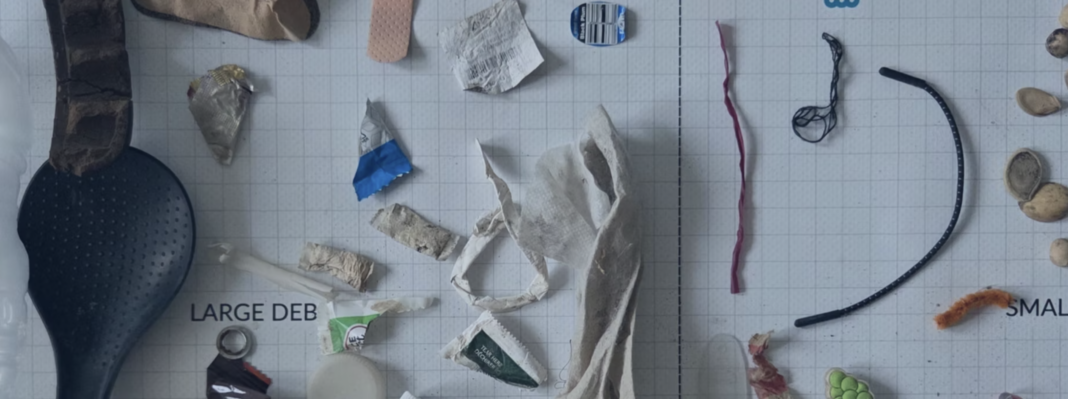
The Great Lakes Plastic Cleanup, a joint effort by Pollution Probe and the Council of the Great Lakes Region Foundation, has released its findings from the 2025 cleanup season. What emerges is a surprisingly detailed picture of how plastic moves through the largest freshwater system on Earth.

The project has now documented more than 277,000 pieces of plastic and debris collected through over 2,800 data submissions across the region. During the 2025 season alone, researchers sorted nearly 32,500 pieces of plastic and other waste weighing more than 42 kilograms.

BeBot beach-cleaning robot, BeBot Canada, Great Lakes plastic cleanup, beach cleaning robot, plastic pollution Great Lakes, marine debris removal, autonomous beach cleaner, microplastic pollution, shoreline cleanup technology, Great Lakes conservation, environmental robot, litter collection machine, freshwater pollution, Canada beach cleanup, pollution probe, Council of the Great Lakes Region, cigarette butt pollution, plastic waste cleanup, stormwater debris, Great Lakes ecosystem
The BeBot beach-cleaning robot combs a Great Lakes shoreline, removing plastic debris and cigarette butts before they can break down into microplastics and enter the freshwater ecosystem.

What makes this year’s findings especially interesting is that researchers expanded beyond traditional cleanup methods. New technologies, including Canada’s first BeBot beach-cleaning robot, helped remove plastic not only from shorelines but also from waterways and stormwater systems.

The result is a clearer understanding of where pollution originates and how it changes as it travels.

The Great Lakes themselves are full of tiny plastic fragments. Shorelines and storm drains, meanwhile, reveal larger and more recognizable debris. Researchers says this is because larger pieces break down into smaller fragments as they move downstream toward the lakes.

Barrel sauna, panoramic window, serene beauty, lush forest, precision-crafted, cylindrical design, nature integration, wellness experience, unobstructed view, tranquil ambiance, rustic charm, modern functionality, charming retreat, contemporary luxury, natural splendor, rejuvenating journey, heart of the forest, sauna escape, forest sanctuary, soothing warmth, panoramic serenity.
A cottage on Lake Huron, one of Canada’s Great Lakes

One of the most disturbing discoveries is that cigarette butts remain among the most common forms of litter found throughout the region. Smoking-related waste represented nearly 13% of all debris collected. Researchers also noted a growing number of discarded nicotine pouches, a relatively new category of pollution that appears to be increasing alongside the popularity of these products.

Food packaging was another major culprit. Wrappers, cups, containers and plastic bags accounted for more than 8% of all debris found. Food wrappers alone represented almost 5% of the waste collected.

Perhaps most troubling is the persistence of tiny hard plastic fragments. These particles were found everywhere: in the water, on beaches and in stormwater systems. Unlike a bottle or a bag, these fragments are difficult to trace back to their source and nearly impossible to remove once they enter the environment. They become microplastics which will probably linger for hundreds of years.

The findings suggest that cleanup efforts alone will never solve the problem. By the time plastic reaches the lakes, much of it has already broken down into microscopic pieces that can enter food chains, aquatic habitats and drinking water supplies.

The Great Lakes are not dying. But this research reminds us that pollution is no longer just about visible trash. It is about understanding how everyday consumer products gradually fragment into millions of pieces that become part of the ecosystem itself.


Karin Kloosterman
Karin Kloostermanhttp://www.greenprophet.com
Karin Kloosterman is an award-winning journalist, innovation strategist, and founder of Green Prophet, one of the Middle East’s pioneering sustainability platforms. She has ranked in the Top 10 of Verizon innovation competitions, participated in NASA-linked challenges, and spoken worldwide on climate, food security, and future resilience. With an IoT technology patent, features in Canada’s National Post, and leadership inside teams building next-generation agricultural and planetary systems — including Mars-farming concepts — Karin operates at the intersection of storytelling, science, and systems change. She doesn’t report on the future – she helps design it. Reach out directly to [email protected]

Read More

TRENDING

How to safely remove astroturf and plastics from your backyard

For families with kids, pets, or anyone trying to build a cleaner outdoor space, removing old astroturf is one of the simplest ways to reduce unnecessary exposure to plastics and heat. Some past studies suggest that if kids have played on these surfaces you need to wash their hands. 

Exposure to wildfire smoke leads to strokes

Short-term surges in air pollution in New Jersey from the 2023 Canadian wildfires were associated with a higher stroke rate and more serious strokes, according to a preliminary study

erthos uses AI to scale bio-plastics that work in industry

AI and bio-plastics have a formidable crew looking to solve the plastics problem. It uses AI to match opportunities to existing machinery.

Charbone produces first hydrogen at Quebec’s local “model” UHP plant

The Sorel-Tracy site is the first decentralized clean UHP hydrogen production facility in Quebec and is positioned as a model for North America. The plant is part of CHARBONE’s five-phase plan to deploy a network of modular hydrogen production facilities across the continent, supported by the company’s growing specialty-gas distribution platform.

Sex selection kits for embryos available in the US and Canada

But now with Canada is one of the few countries in the world where abortion has no legal gestational limit the question about sex selection of a child has become a national issue.

Yerukim Forms a New Green Economy Where the Money is Really Green

The Yerukim members who pick up the recyclables get to keep the monetary reward, the public earns "green" bills that can be used in shops, and business owners get to be associated with environmentalism.

Choosing Riyadh over Dubai? What Investors Should Know

Saudi Arabia is deploying capital at unmatched scale to catalyze tourism and advanced industry while rewiring its power-and-water backbone. The investable frontier is widening—especially in renewables, grid storage, water efficiency/desal retrofits, and hospitality operating platforms. Prudent investors will insist on phased delivery, enforceable KPIs (energy, water, biodiversity), and RHQ/zone compliance—while pricing political-economy and reputational risks alongside growth upside.

Sell your cooking oil for biodiesel money

Want to make money on old french fry oil? Sell it.

Qatar Alternative Energy Summit Pairs Investors And Innovators

Alternative energy investors and innovators can meet n' greet in Doha, Qatar March 16 and 17.

Here’s How To Implement The Four Pillars Of Employee Engagement

If you throw a party for your work team and they are vegans, don't make it a barbecue. Know the sustainability values of your team to boost moral and retain good people.

Locals From Rishon Fight IKEA

Big Box stores are a pretty new concept in Israel, and thank God that not every Israeli city wants them in their backyard. A word from someone who has see the beautiful farmland around her hometown Newmarket, Ontario stripped and converted into vulgar strip malls of big box shops: they have no place in a healthy and sustainable town or city.

The Jewish National Fund Meets An Inconvenient Truth

According to the JNF, it has transformed thousands of acres of barren land into green forests in Israel. They state that each person emits about 23 tons of carbon per year, estimating that each tree planted can absorb one ton of carbon in its lifetime. That's a whole lot of trees you'd need to be planting. Could so many fit in Israel?

How to quiet noise from construction in your office

Streets need to be resurfaced in New York but the humming and grinding noise is unsettling. Noise is environmental pollution. 

Popular Categories