Exploring Portugal’s Algarve coast sustainably on a walking holiday

Portugal Algarve coast

International holidays, as a whole, are not the most sustainable, especially when they involve flying. On the other hand, we all deserve a sunny getaway every now and then, and breathtaking destinations like Algarve offer a truly once-in-a-lifetime experience. So, how do you find the right balance? A walking holiday could be your answer. 

Reducing your footprint

A walking holiday in Portugal essentially means that, once you get to the airport, you stop using any kind of transport. Instead, you simply walk from A to B, wherever that may be for you. As such, you reduce your carbon footprint significantly, avoiding the use of cars or public transport all together. Besides the sustainability aspect, it’s a highly rewarding way to explore a country, since you get to see parts of it you would normally miss out on. 

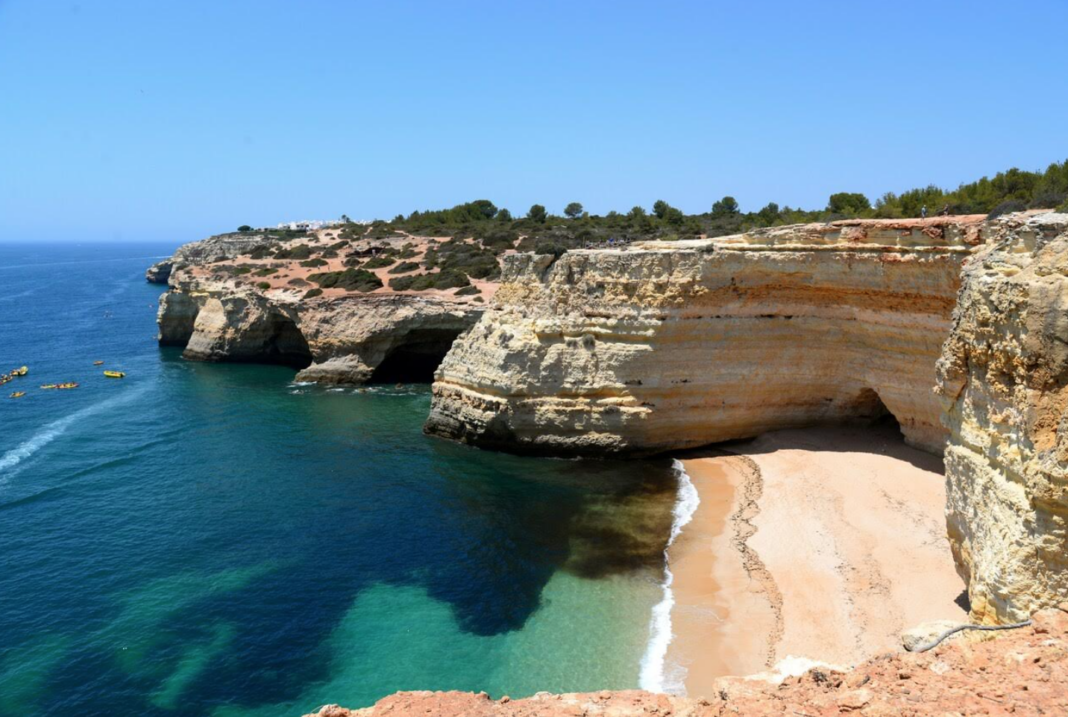
Your walking holiday will typically take place on a pre-planned long-distance trail, which could last anywhere between a week and a month. One of the most popular walking routes in Algarve is the Rota Vicentina network of walking and hiking trails. The Fisherman’s Trail, in particular, is a great option if you want a 7-day experience with a balanced mix of sandy beaches, stunning landscapes, authentic villages and delicious foods. 

The idea behind walking holidays is to explore Algarve’s natural beauty in the most respectful and sustainable way possible. The “Leave No Trace” principle is absolutely fundamental here, meaning your footprints should be the only sign of your visit. Respecting the wildlife is also key, particularly as the region is home to a vast variety of bird species (if you’re lucky, you’ll see them stork nests on the cliffs in spring!). 

Supporting the local communities
A huge part of sustainable holidays is where you choose to spend your money. The local communities benefit from tourism, as long as it helps to grow their economy. On a walking holiday, you will typically be staying in small, independent hotels or B&Bs along your route, rather than those owned by global chains.

Moreover, you will be visiting numerous historic towns and fishing villages, where you can savour fresh seafood and other Portuguese produce. Again, when choosing where to shop or eat, make sure to go for locally owned spots, as opposed to tourist restaurants and franchise cafes. Not only will this ensure that your money stays in the local economy, but you will also most likely receive a much more authentic, quality meal without the tourist price tag. 

If you book your holiday through Orbis Ways, they will take care of the accommodation and other services for you. Working with a well-established network of local businesses, Orbis Ways ensure that you stay at charming local hotels or country cottages. Not just that, the agency encourages sustainable travel by compensating the CO2 emissions produced by your trip! 

Small actions with big impact

A walking holiday across Portugal’s Algarve coast will certainly be an unforgettable adventure. And, the small compromises that you make during your travels do not just contribute towards the preservation of this beautiful region, but also make your experience more authentic and rich – making it a win-win for everyone!


Bhok Thompson
Bhok Thompsonhttp://www.greenprophet.com
Bhok Thompson is an “eco-tinkerer” who thrives at the intersection of sustainability, business, and cutting-edge technology. With a background in mechanical engineering and a deep fascination with renewable energy, Bhok has dedicated his career to developing innovative solutions that bridge environmental consciousness with profitability. A frequent contributor to Green Prophet, Bhok writes about futuristic green tech, urban sustainability, and the latest trends in eco-friendly startups. His passion for engineering meets his love for business as he mentors young entrepreneurs looking to create scalable, impact-driven companies. Beyond his work, Bhok is an avid collector of vintage mechanical watches, believing they represent an era of precision and craftsmanship that modern technology often overlooks. Reach out: [email protected]

Read More

TRENDING

The Best of Hobart: Experiences to Have, Places to Visit, and Flavours to Try

Hobart, Tasmania’s capital, is the kind of city that makes you regret not having come sooner. Mount Wellington/kunanyi that shapes the skyline, Bruny Island's dolphins, Port Arthur's convict ruins and Salamanca's Saturday market are all close enough to fit into the same week.

How Responsible Tourism Could Help Protect the World’s Last Wild Places

From Antarctica and South Georgia to the Galápagos and Thailand, fragile destinations are finding ways to manage tourism without shutting visitors out. Visitor caps, conservation fees, biosecurity rules and controlled access can reduce environmental damage while helping fund the protection of wild places.

How Slow Travel Is Changing the Way We Explore

From trekking fees in Nepal and wildlife conservancies in Kenya to visitor limits in Patagonia and strict Arctic rules in Svalbard, responsible adventure travel can help fund conservation, protect habitats, and create sustainable income for local communities.

How Responsible Adventure Travel Can Protect the World’s Wild Places

From trekking fees in Nepal and wildlife conservancies in Kenya to visitor limits in Patagonia and strict Arctic rules in Svalbard, responsible adventure travel can help fund conservation, protect habitats, and create sustainable income for local communities.

Exploring Bangkok by electric bike with teenagers

With two teenagers in tow and four nights to spare, we decided to give Thailand’s capital the attention it deserved. My son had one request: he wanted to rent electric bikes. A friend of his had explored Japan this way, and he was convinced Bangkok would be just as exciting.

The Essential Guide To Sustainability in Project Management

Sustainability is an approach where businesses and individuals balance the environmental, social, and economic aspects of a project such that current and future stakeholders are not overburdened with the impacts of the project in future.

Yerukim Forms a New Green Economy Where the Money is Really Green

The Yerukim members who pick up the recyclables get to keep the monetary reward, the public earns "green" bills that can be used in shops, and business owners get to be associated with environmentalism.

Choosing Riyadh over Dubai? What Investors Should Know

Saudi Arabia is deploying capital at unmatched scale to catalyze tourism and advanced industry while rewiring its power-and-water backbone. The investable frontier is widening—especially in renewables, grid storage, water efficiency/desal retrofits, and hospitality operating platforms. Prudent investors will insist on phased delivery, enforceable KPIs (energy, water, biodiversity), and RHQ/zone compliance—while pricing political-economy and reputational risks alongside growth upside.

Sell your cooking oil for biodiesel money

Want to make money on old french fry oil? Sell it.

Qatar Alternative Energy Summit Pairs Investors And Innovators

Alternative energy investors and innovators can meet n' greet in Doha, Qatar March 16 and 17.

Here’s How To Implement The Four Pillars Of Employee Engagement

If you throw a party for your work team and they are vegans, don't make it a barbecue. Know the sustainability values of your team to boost moral and retain good people.

Locals From Rishon Fight IKEA

Big Box stores are a pretty new concept in Israel, and thank God that not every Israeli city wants them in their backyard. A word from someone who has see the beautiful farmland around her hometown Newmarket, Ontario stripped and converted into vulgar strip malls of big box shops: they have no place in a healthy and sustainable town or city.

The Jewish National Fund Meets An Inconvenient Truth

According to the JNF, it has transformed thousands of acres of barren land into green forests in Israel. They state that each person emits about 23 tons of carbon per year, estimating that each tree planted can absorb one ton of carbon in its lifetime. That's a whole lot of trees you'd need to be planting. Could so many fit in Israel?

Popular Categories