What Is Liberty HealthShare, and Should I Learn More?

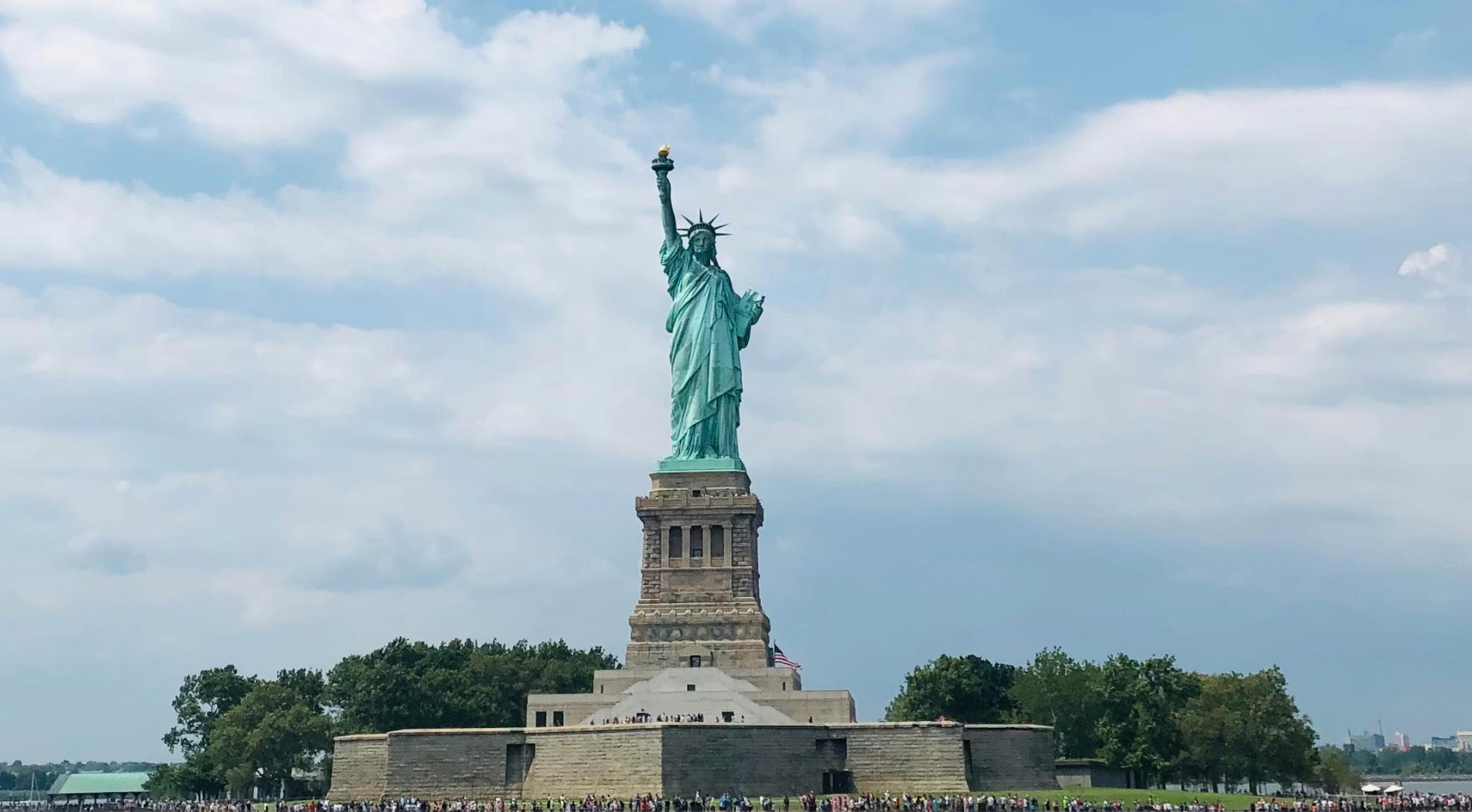
Statue of Liberty
Statue of Liberty

People comparing their healthcare financing options often run into a question with a deceptively short answer: Is Liberty HealthShare insurance? No, it is not. But that single-word answer carries significant weight, and understanding what sits behind it matters far more than the answer itself.

Liberty HealthShare is a non-profit 501(c)(3) Christian medical cost-sharing ministry based in Canton, Ohio. Founded in 1995, the ministry facilitates voluntary sharing of eligible medical expenses among members who share Christian values and a commitment to mutual aid. That structure places it in an entirely different legal and operational category than insurance.

The Legal Difference Is Not Semantic

Health insurance is a regulated financial product. Insurers operate under binding contracts, overseen by state insurance commissioners, that legally obligate them to pay claims meeting policy terms. Policyholders who believe a covered claim was wrongfully denied have legal recourse through state regulatory channels.

Liberty HealthShare functions outside that framework entirely. Voluntary member contributions are assigned to other members with eligible medical expenses that are approved for sharing. Liberty HealthShare facilitates that sharing. No contractual guarantee of payment exists. The ministry states plainly that its sharing programs “do not guarantee or promise that a member’s medical bills will be paid or assigned to others for payment.”

Healthcare sharing ministries are exempt from state insurance regulations precisely because they operate as voluntary member-to-member sharing communities, not as financial products with legally enforceable payment obligations. That exemption reflects a structural difference in how these models are built and governed.

Federal Recognition Under the ACA

Despite not being insurance, Liberty HealthShare holds a meaningful federal designation. The ministry received recognition as an eligible healthcare sharing ministry under the Affordable Care Act in 2014, a status that exempts members from ACA insurance mandates.

That designation creates a third category in American healthcare financing — distinct from being insured and distinct from being uninsured. Members participate in a faith-based sharing community without facing penalties for not carrying insurance. The ACA’s recognition of this category reflects a congressional acknowledgment that healthcare sharing ministries operate according to principles and structures that fall outside the insurance regulatory model.

How the Facilitation Model Works in Practice

“We’re not trying to make a profit on this. Our focus is we facilitate, and that’s it. There’s no other objective on our part. We just want to help our members get the best care possible at the best value,” posts Liberty HealthShare Chief Executive Officer Dorsey Morrow.

That facilitation model shapes member interactions from the beginning. Liberty HealthShare’s Care Navigation team works directly with members to help them understand proposed treatments, question provider charges, and make informed decisions before bills are finalized. Members track their contributions and sharing activity through their personal ShareBox, a secure online portal that shows how monthly shares support others in the community. That degree of financial transparency is uncommon in insurance arrangements, where members rarely see how their premiums are distributed.

Morrow explains that one of the ministry’s core goals is encouraging members to engage actively with their healthcare decisions rather than approaching the system passively: “We want our members to take back that control.”

Six Programs, No Open Enrollment Window

Liberty HealthShare offers six medical cost-sharing programs designed to accommodate different household sizes and budgets, as well as supplemental dental and vision sharing programs. Suggested monthly share amounts for individuals range from $87 to $369, with family options starting at $319 per month. Members can switch between programs or leave without annual commitments.

Enrollment is available year-round, with no qualifying life event required. That open enrollment structure contrasts with insurance models governed by ACA open enrollment periods or employer plan windows, and it reflects the ministry’s status as a non-insurance sharing community rather than a regulated financial product.

What the Distinction Requires of Members

Understanding that Liberty HealthShare is not insurance is not a footnote — it is foundational to making an informed decision about membership. Sharing is voluntary. No guarantee of payment exists. Members who join do so within a community built on shared Christian values, mutual aid, and personal engagement with healthcare decisions.

For those whose values and circumstances fit that model, the ministry has operated for 30 years and facilitated nearly $5 billion in eligible, repriced medical expenses for its members since 2014. For those who need contractual payment guarantees, insurance is the appropriate path. Liberty HealthShare has never claimed otherwise.

More information is available at LibertyHealthShare.org or by calling 855-585-4237.

Bhok Thompson
Bhok Thompsonhttp://www.greenprophet.com
Bhok Thompson is an “eco-tinkerer” who thrives at the intersection of sustainability, business, and cutting-edge technology. With a background in mechanical engineering and a deep fascination with renewable energy, Bhok has dedicated his career to developing innovative solutions that bridge environmental consciousness with profitability. A frequent contributor to Green Prophet, Bhok writes about futuristic green tech, urban sustainability, and the latest trends in eco-friendly startups. His passion for engineering meets his love for business as he mentors young entrepreneurs looking to create scalable, impact-driven companies. Beyond his work, Bhok is an avid collector of vintage mechanical watches, believing they represent an era of precision and craftsmanship that modern technology often overlooks. Reach out: [email protected]

Read More

TRENDING

10 Amazing Facts About the Sidr Tree

Most people in the West have never heard of the Sidr tree. That's strange when you think about it. This tough, thorny desert tree has fed people, bees, birds, and camels for thousands of years. It appears in Islamic tradition. Its honey sells for astonishing prices.

The Christ’s thorn (sidr tree) is also a well-known folk medicine

Christ’s thorn jujube (Ziziphus spina-christi) also known as the sidr tree is a real, identifiable tree native to the Middle East, and it appears—directly or indirectly—in Islam, Judaism, and later Christian tradition. The connections between the three faiths are not theological agreements but overlapping uses, names, and symbolic associations rooted in the same landscape.

In The Dark Review – An Immersive Music Experience in Total Darkness at St Andrew Holborn

In complete darkness, inside the holy space of St Andrew Holborn, listening begins to feel like a form of prayer. With no light and no distraction, sound fills the church and holds the room. For an hour, attention itself becomes the shared act.

Ancient nuns disguised as men: what we learn from their radical faith

In today’s world, sustainability isn’t just about saving the planet—it’s about living mindfully and intentionally. And while extreme self-denial might not be everyone’s cup of tea, the core message here is clear: sometimes, less really is more. Just like these ancient nuns and monks, we can find deeper meaning by living in alignment with nature and prioritizing spiritual growth over material gain.

The Orange Economy: How Religion and AI Are Shaping Innovation

Looking toward the future faith, creativity and technology will often intersect. The pathway from “prophet” to “profit” will not always be clear. However, creativity, at times fueled by faith, will help spur greater creativity where-in new technologies will allow the visionaries of the future to unlock new possibilities for collaboration, innovation, and mutual understanding more quickly than ever.

Yerukim Forms a New Green Economy Where the Money is Really Green

The Yerukim members who pick up the recyclables get to keep the monetary reward, the public earns "green" bills that can be used in shops, and business owners get to be associated with environmentalism.

Choosing Riyadh over Dubai? What Investors Should Know

Saudi Arabia is deploying capital at unmatched scale to catalyze tourism and advanced industry while rewiring its power-and-water backbone. The investable frontier is widening—especially in renewables, grid storage, water efficiency/desal retrofits, and hospitality operating platforms. Prudent investors will insist on phased delivery, enforceable KPIs (energy, water, biodiversity), and RHQ/zone compliance—while pricing political-economy and reputational risks alongside growth upside.

Sell your cooking oil for biodiesel money

Want to make money on old french fry oil? Sell it.

Qatar Alternative Energy Summit Pairs Investors And Innovators

Alternative energy investors and innovators can meet n' greet in Doha, Qatar March 16 and 17.

Here’s How To Implement The Four Pillars Of Employee Engagement

If you throw a party for your work team and they are vegans, don't make it a barbecue. Know the sustainability values of your team to boost moral and retain good people.

Locals From Rishon Fight IKEA

Big Box stores are a pretty new concept in Israel, and thank God that not every Israeli city wants them in their backyard. A word from someone who has see the beautiful farmland around her hometown Newmarket, Ontario stripped and converted into vulgar strip malls of big box shops: they have no place in a healthy and sustainable town or city.

The Jewish National Fund Meets An Inconvenient Truth

According to the JNF, it has transformed thousands of acres of barren land into green forests in Israel. They state that each person emits about 23 tons of carbon per year, estimating that each tree planted can absorb one ton of carbon in its lifetime. That's a whole lot of trees you'd need to be planting. Could so many fit in Israel?

How to quiet noise from construction in your office

Streets need to be resurfaced in New York but the humming and grinding noise is unsettling. Noise is environmental pollution. 

Popular Categories