

Are you a diver that runs a dive shop or a hobby diver that loves the sea and wants to change the world? A researcher of forest ecosystems? A concerned citizen? The Canada and UK-based Ocean Wise and the Kelp Forest Alliance have released a new guidebook to help monitor kelp ecosystems globally.
Kelp forests may seem like just seaweed, but they are foundational for life both underwater and on land. Kelp – also known as dulse – itself is a superfood, but in the water and alive kelp support an astonishing array of biodiversity and provide essential ecosystem services that help mitigate and adapt to the impacts of climate change.
Kelp forests hold significant cultural and existence value for Indigenous peoples and local communities. These underwater forests are vital for the health of our planet, but unfortunately, kelp forests are disappearing at an alarming rate.
Related: how demand for agar is killing algae in Morocco
“Over 50% of kelp forests have declined in the past 50 years due to climate change and ecosystem imbalances. Global efforts to protect and restore these necessary ecosystems have never been more urgent. But to make a compelling case for kelp forest conservation, you must be able to measure their value and the impact of your interventions,” says Carlos Drews, Executive Vice President of Conservation, Ocean Wise.

Ocean conservation has been around for decades but kelp restoration is a relatively new frontier. Still in its discovery phase, kelp restoration research has focused on uncovering the most effective ways to protect and restore kelp forests. But reversing the global loss of kelp requires scalable, innovative, cost-effective, and collaborative efforts. This new handbook hopes to be the the missing link to making this a global effort.
Conservation without proper monitoring and reporting is at best an estimation, say the guide creators. That’s where this guidebook comes in—offering standardized methods to ensure data can be assessed, shared, and compared across projects.

“We spend our hard-earned conservation dollars trying to help kelp forest ecosystems, but we rarely place the same investment in tracking the outcome of those efforts. When we fail to accurately monitor and report on the outcomes of these projects, we do ourselves a disservice,” says Aaron Eager, Program Director, Kelp Forest Alliance.
“We are currently missing opportunities to understand what makes some projects more successful than others. This gap also impedes our understanding of the benefits these ecosystems provide and a result, we are unable to effectively communicate their importance to society. This document will help guide monitoring efforts and give the kelp forest community a common language when comparing data.”
Global kelp restoration efforts include active projects in 13 countries including Canada, Australia, Chile, Denmark, and the United States.

About Ocean Wise
Ocean Wise is a globally focused conservation organization on a mission to restore and protect our ocean. Through research, education, public engagement, and international collaborations, we empower communities to fight three major ocean challenges: ocean pollution, overfishing and climate change.
By equipping and empowering individuals, communities, industries, and governments, we can create a future where people and our oceans can thrive. Ocean Wise is headquartered in Vancouver, British Columbia with staff across Canada and Chile, and operates conservation projects that make national and international impact.
About Kelp Forest Alliance
The Kelp Forest Alliance (KFA) is a global network of scientists, conservationists, and stakeholders dedicated to protecting and restoring 4 million hectares of kelp forests by 2040. We promote research, conservation, education, and restoration efforts worldwide. The alliance offers evidence-based strategies for effective and ethical kelp forest management, advocates for stronger policies, and aims to deepen public awareness and connection to these often-overlooked ecosystems.
Divers play a critical role in saving and restoring kelp forests, which are vital marine ecosystems. These underwater forests support biodiversity, sequester carbon, and protect coastlines. Here’s how divers contribute to the conservation and restoration of kelp forests:
How divers can help preserve kelp forests
One of the primary threats to kelp forests is the overgrazing by sea urchins, particularly in areas where natural predators, like sea otters, have declined. Divers help by:
- Urchin Culling: Divers manually remove overabundant sea urchins, reducing their numbers and allowing kelp to regrow.
- Targeted Removal: They focus on areas where sea urchins are particularly damaging, helping to restore balance in these ecosystems.
Planting and Restoring Kelp
In some areas, kelp populations have declined to the point where natural regrowth is limited. Divers can assist by:
- Replanting Kelp: They collect kelp spores or young plants and replant them in damaged areas to encourage regrowth.
- Seeding Efforts: Divers can attach kelp spores to artificial substrates or rocks to help new kelp beds establish.
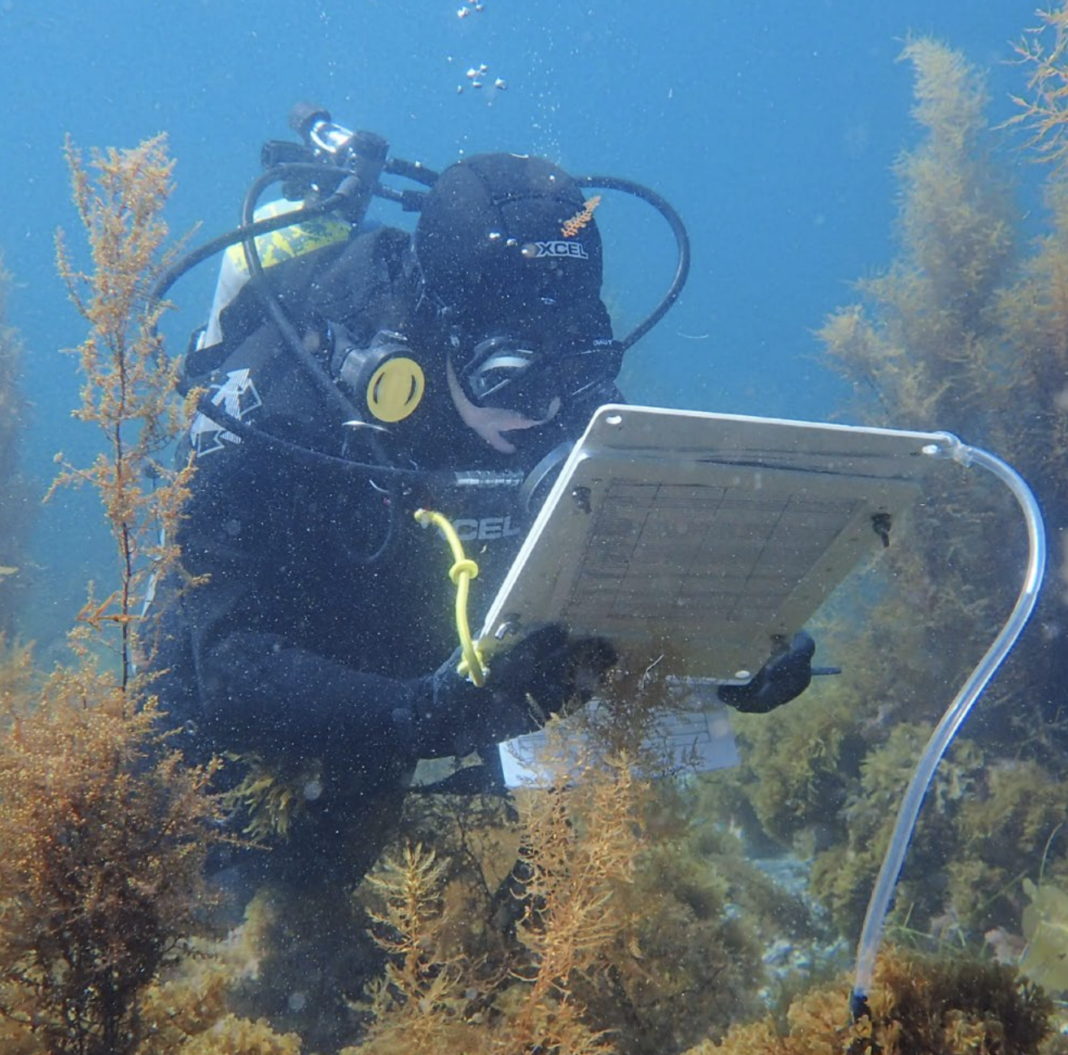
Monitoring and Research
Divers are often involved in scientific research that helps track the health of kelp forests:
- Ecological Surveys: They monitor kelp health, sea urchin populations, and other environmental factors.
- Data Collection: Divers gather data on water quality, temperature, and biodiversity, which can help scientists understand the impacts of climate change and human activity on kelp forests.
Marine Debris Removal
Trash and fishing gear can damage kelp forests by entangling plants and marine animals. Divers contribute by:
- Removing Debris: They collect discarded fishing nets, plastic waste, and other debris that can harm kelp forests.
Read more on diving here: including underwater biking and diving in Egypt’s mysterious underwater city