
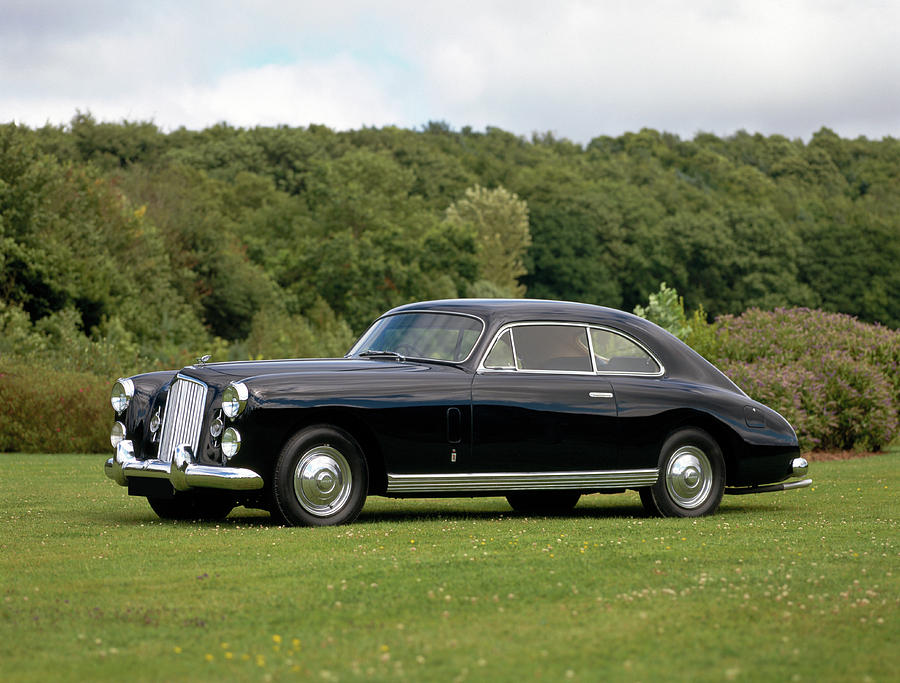
A few summers ago I found myself in a friend’s 1950 Bentley. The car wasn’t electric, back then they never heard the word sustainable. It certainly wasn’t digital. Yet as I sat inside, I couldn’t stop thinking about how luxurious everything about it felt. Not because it was expensive, but because it was craft by humans. Can luxury car developers take a cue from the Old World?
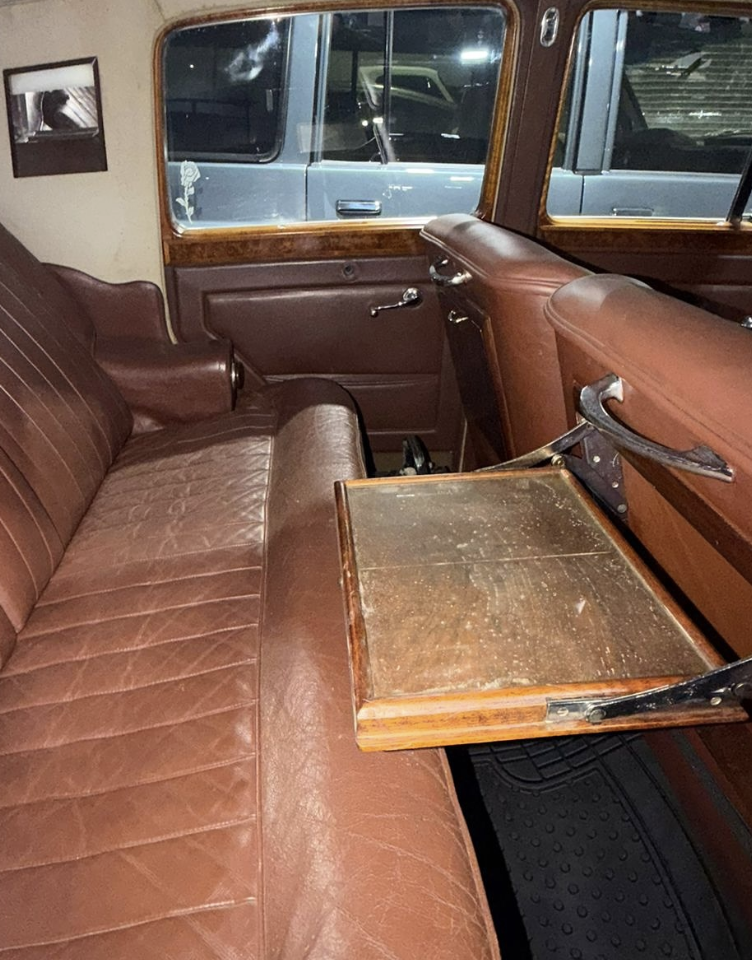
The wooden dashboard was carved rather than manufactured. A folding tray tucked neatly into the rear compartment unfolded to last generations. Perhaps it once held a map, a letter, or a glass of whisky. The polished wood had a warmth no touchscreen could replicate.
Now Ferrari has unveiled a new class of EV and luxury car, the Ferrari Luce, and it’s not meant to replace existing combustion engine cars in the line. But rather create a new class for collectors. At about $650,000 USD this isn’t an every day family car, although your family could fit inside its roomy interior.
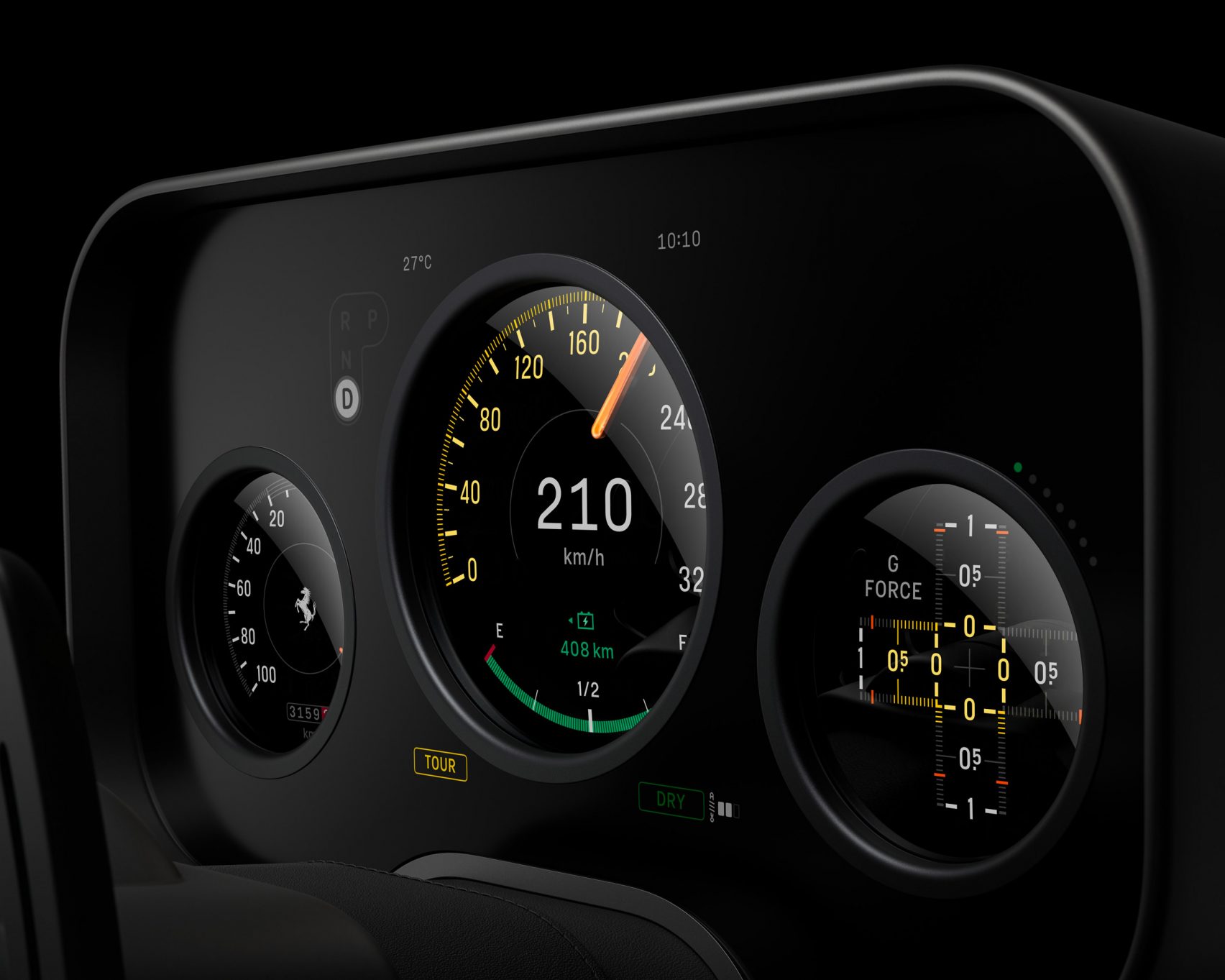
Let’s look inside the Ferrari Luce EV interior, a glimpse into what the new electric Ferrari might become in an age dominated by screens and software. Critics are against its exterior saying it’s too basic.
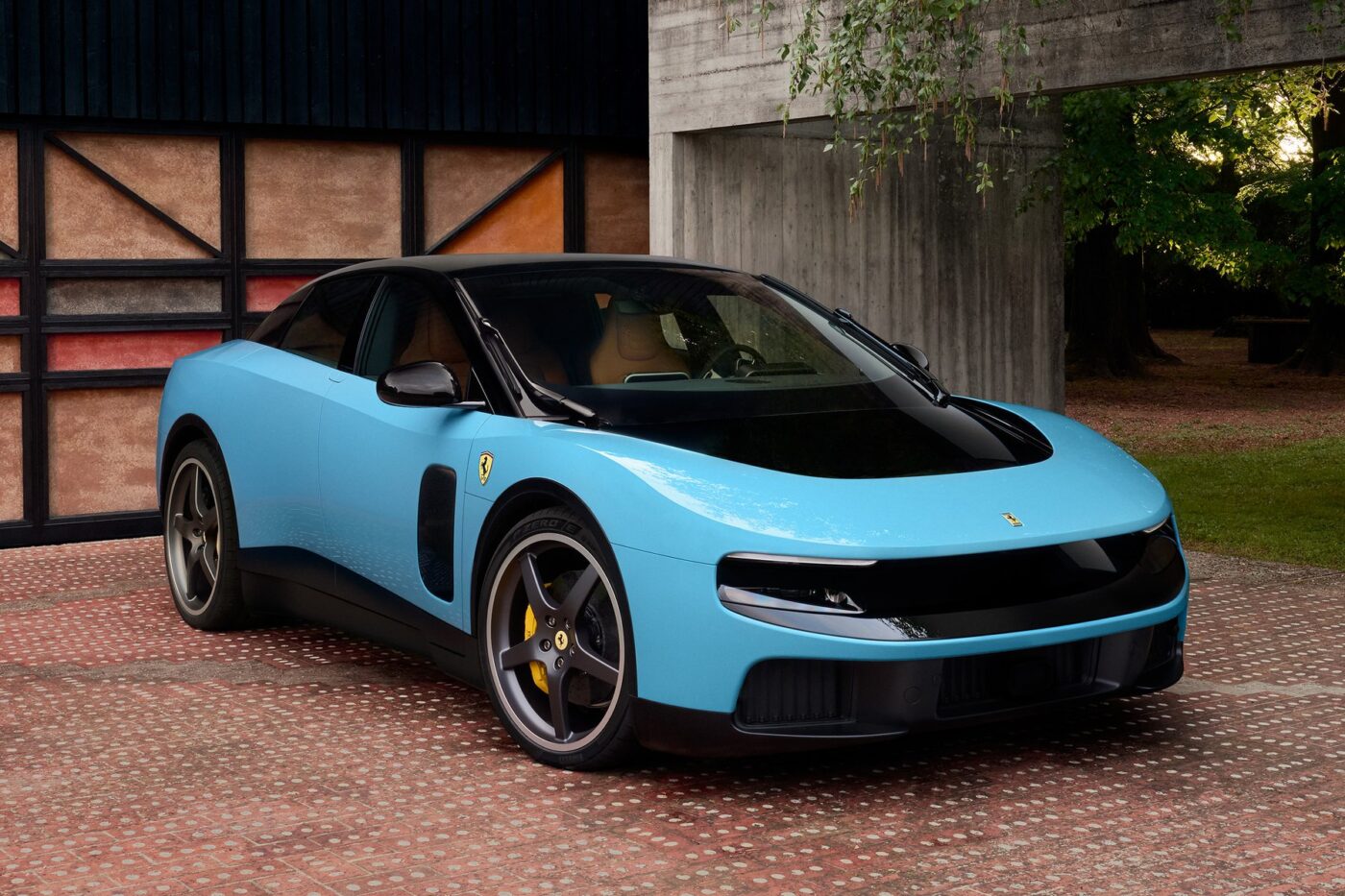
Ferrari’s first electric Ferrari is expected to compete with the world’s most advanced electric vehicles, but what makes the Ferrari Luce EV interesting isn’t its battery pack or acceleration. It’s the interior. For years, luxury automakers have mistaken technology for luxury. Bigger screens and more menus. Lights and projections on the windshield as Mazda did one annoying summer when I rented their best in class car. I actually hate digital things in the cars I drive. There is enough with my phone and Google Maps. Instead of more digital layers i want more buttons and knobs.
The Ferrari Luce EV interior takes a different approach.
(Image credit: Ferrari)
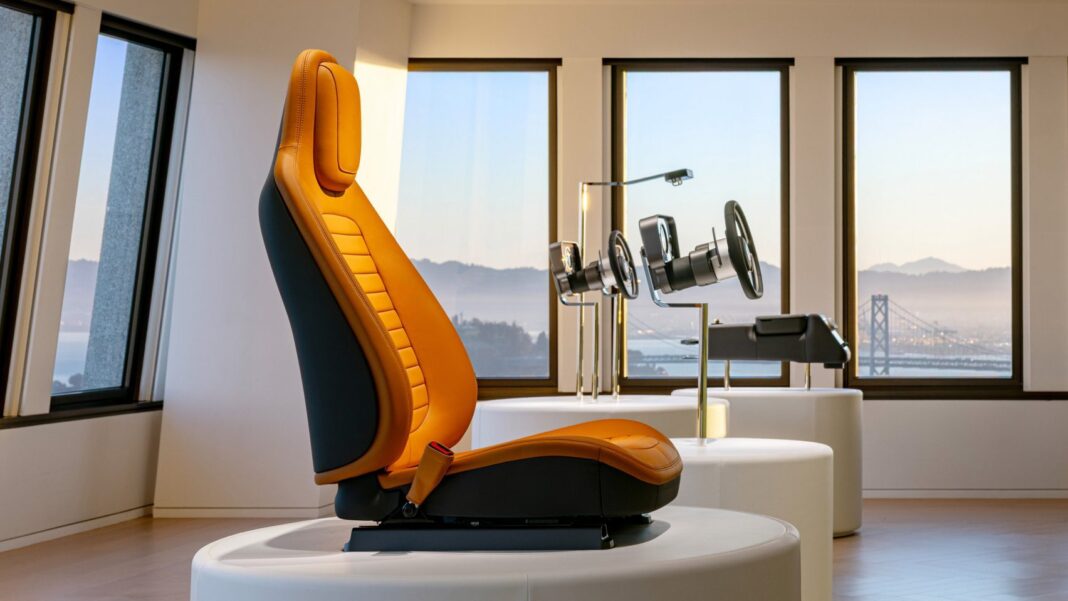
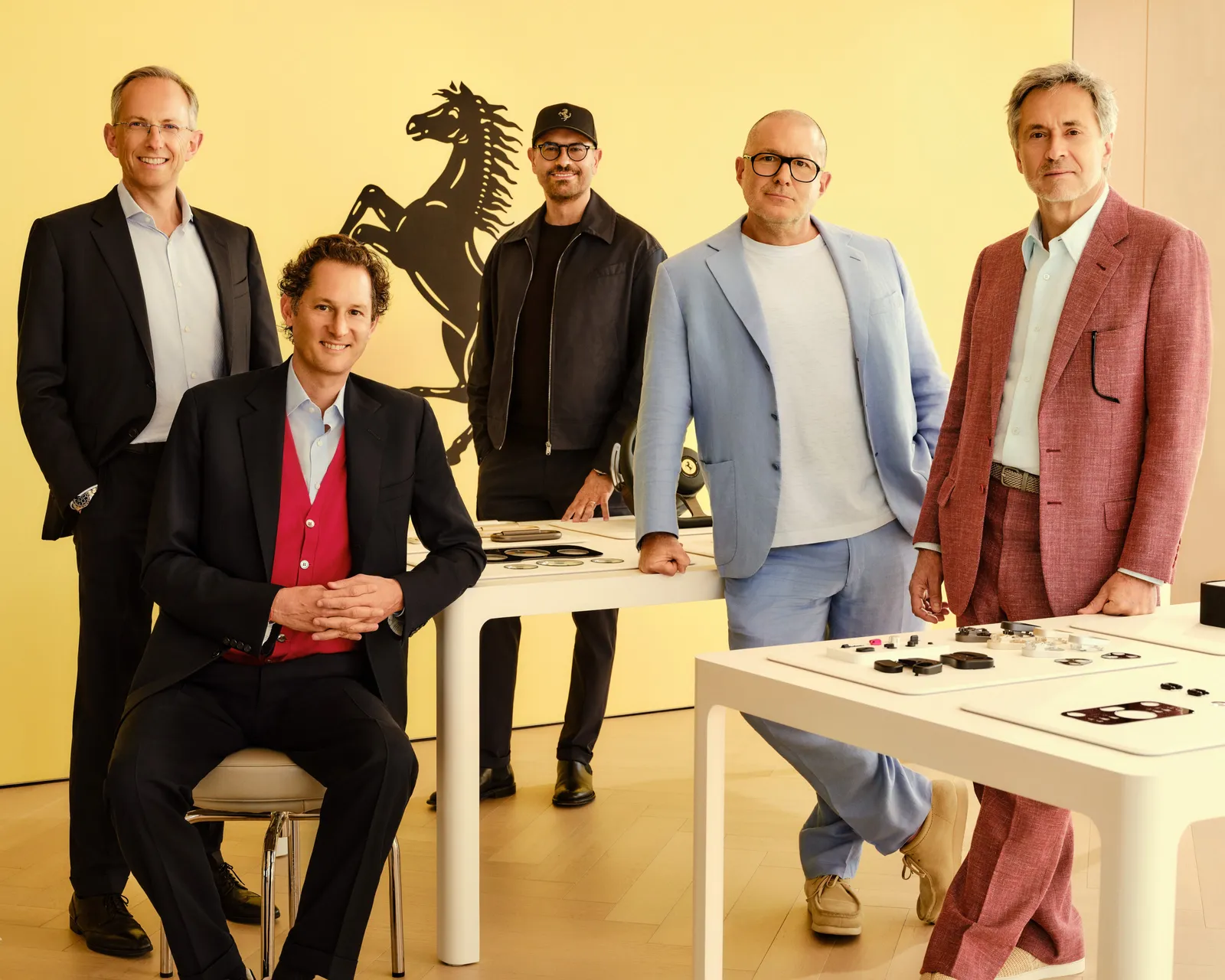
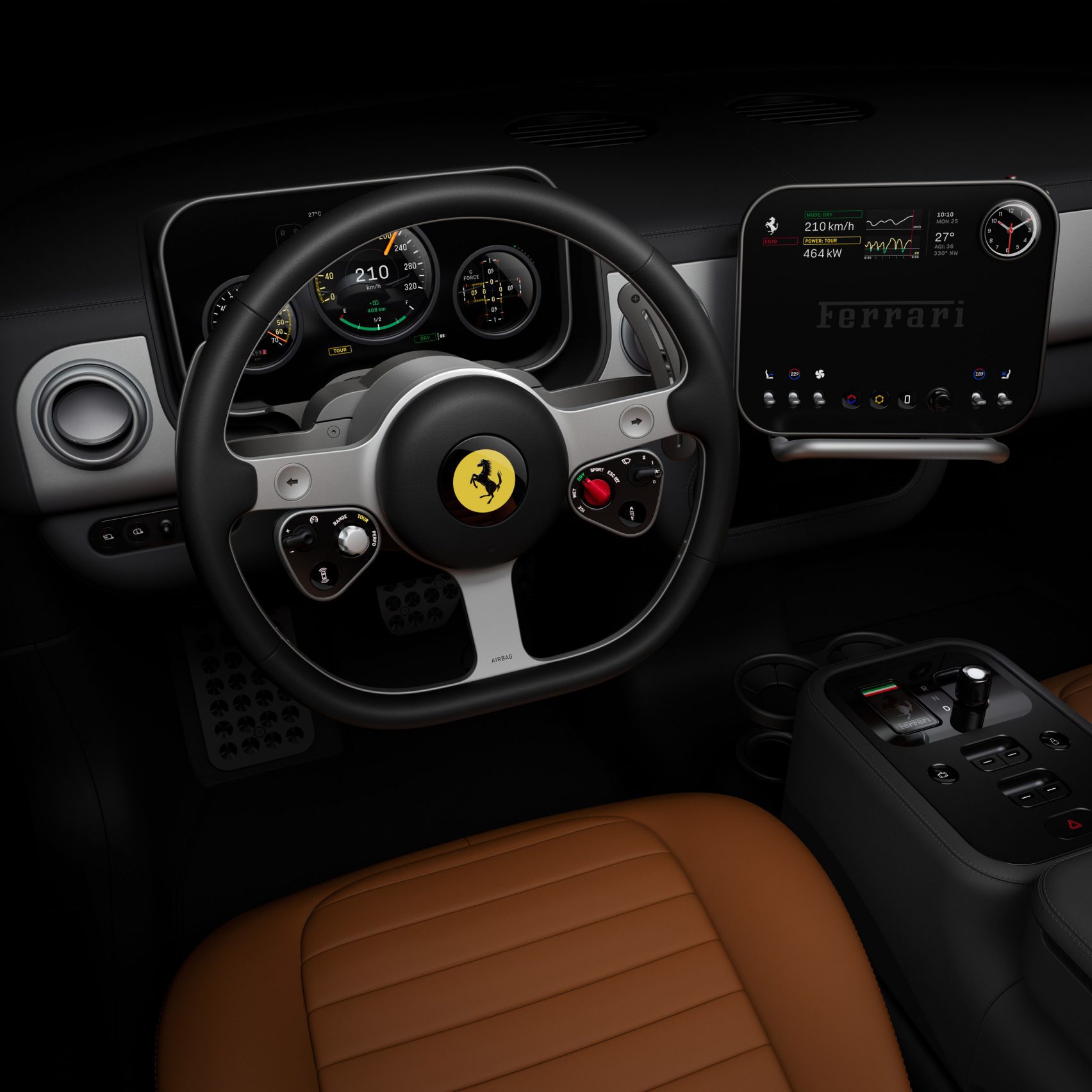
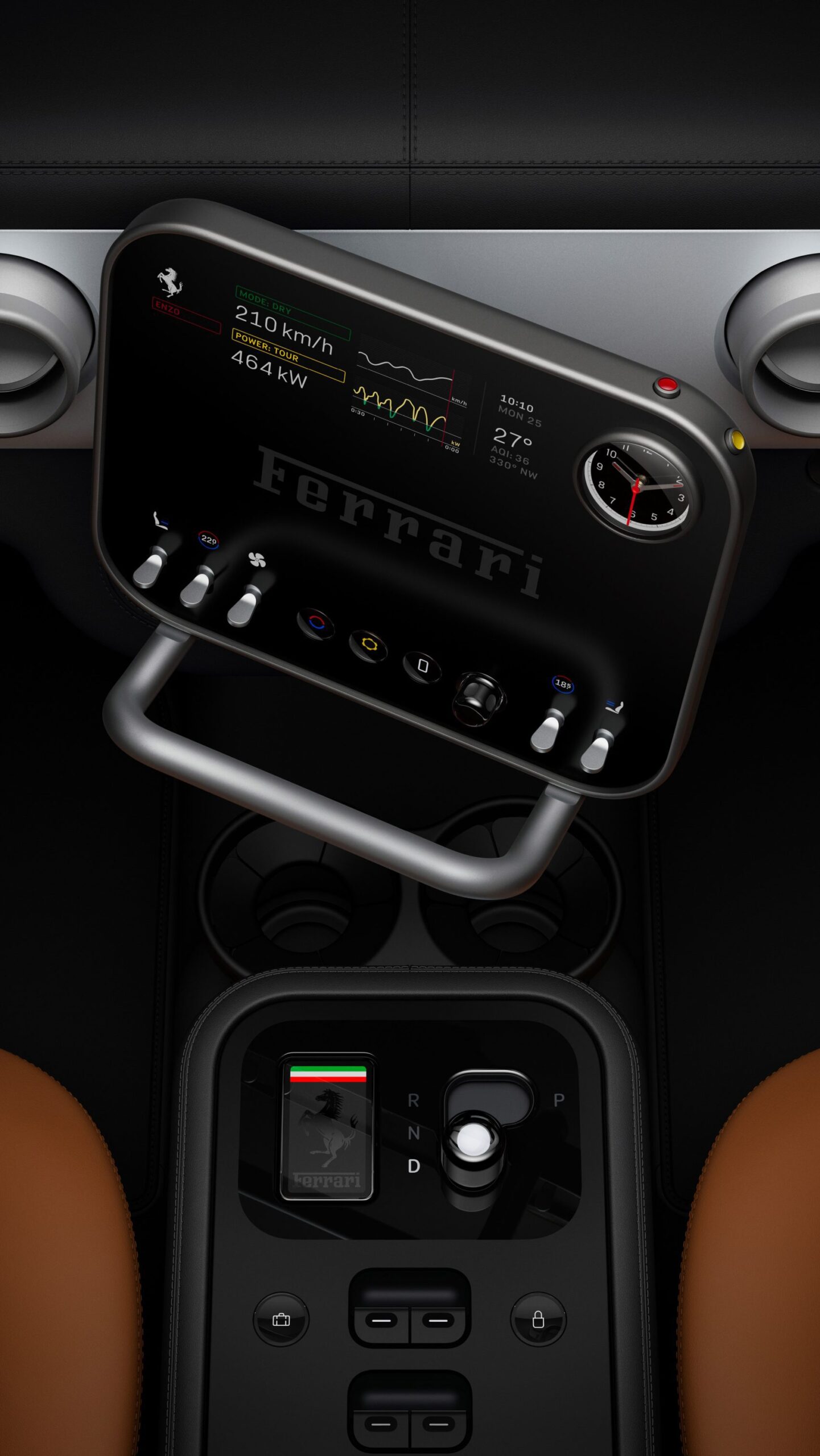
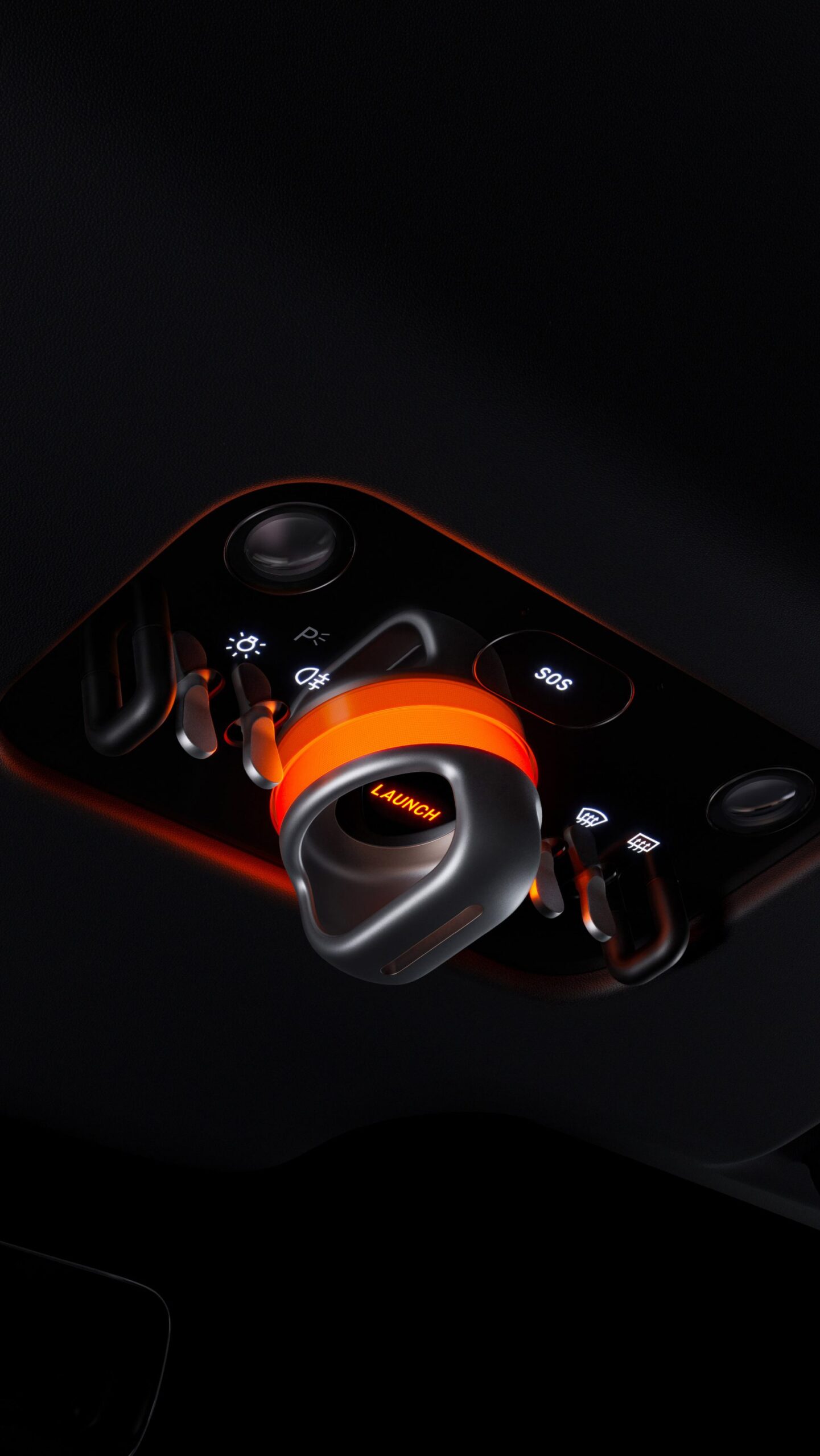
Created with the involvement of Jony Ive and Marc Newson’s LoveFrom design studio, the cabin uses physical switches, rotary controls, machined metal components and tactile surfaces that encourage interaction through touch rather than endless scrolling. We love that.
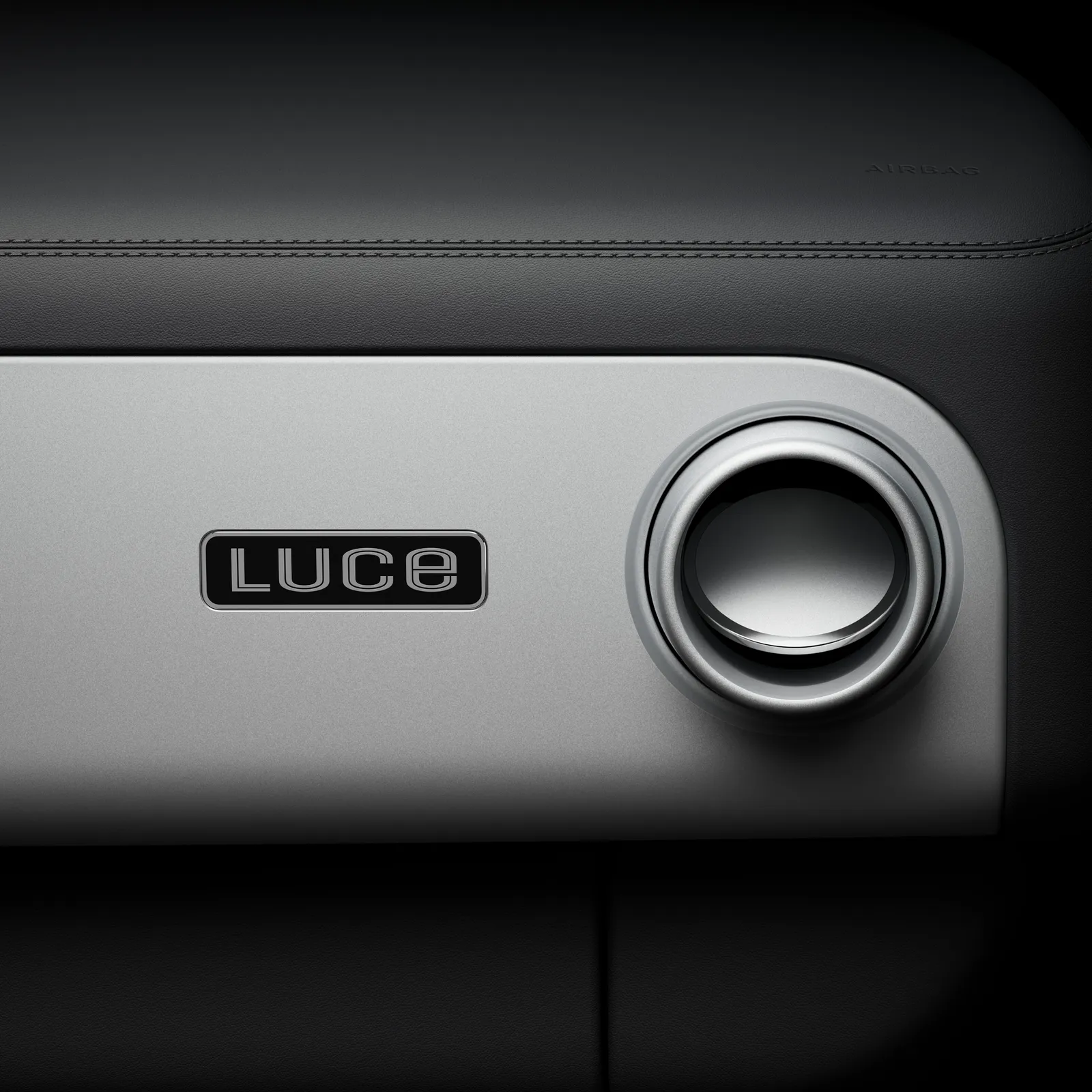
The steering wheel alone consists of 19 precision-machined recycled aluminum parts. Ferrari says many of the controls throughout the cabin also use recycled aluminum instead of plastic. In sustainability terms, that’s a small but meaningful shift. The luxury EV interior acknowledges that premium materials don’t have to come from virgin resources. When we saw the rollout and interest of Emirates luggage made from airplane interiors, we know that upcycled can also be a flex. In a smaller market, Pilsok beetle bags made from upcycled air bags are now a collector’s item.
For Green Prophet readers, this may be the most interesting aspect of the Ferrari electric vehicle. Luxury has always been a sustainability problem.
A sustainable luxury car should not merely use recycled materials but create something people want to keep.
The reason that a 1950 Bentley still exists today isn’t because it was environmentally friendly, it’s because somebody wanted to protect it in their garage and nobody wanted to throw it away.
The same principle applies to architecture, furniture, watches and clothing. Objects survive when they are loved. Ferrari appears to understand this.
The company says inspiration for elements of the Ferrari Luce EV came from classic Ferraris of the 1950s and 1960s, when steering wheels were often crafted from wood and interiors emphasized craftsmanship over electronics. Yet there is still room to go further.
Imagine a future Ferrari Luce EV featuring certified European walnut from responsibly managed forests. Imagine vegetable-tanned leather from small Italian workshops, regenerative wool textiles, natural cork composites, recycled brass details and hand-finished wood surfaces that gain character over time rather than becoming obsolete after a software update.
Electric vehicles offer a unique opportunity to rethink luxury.
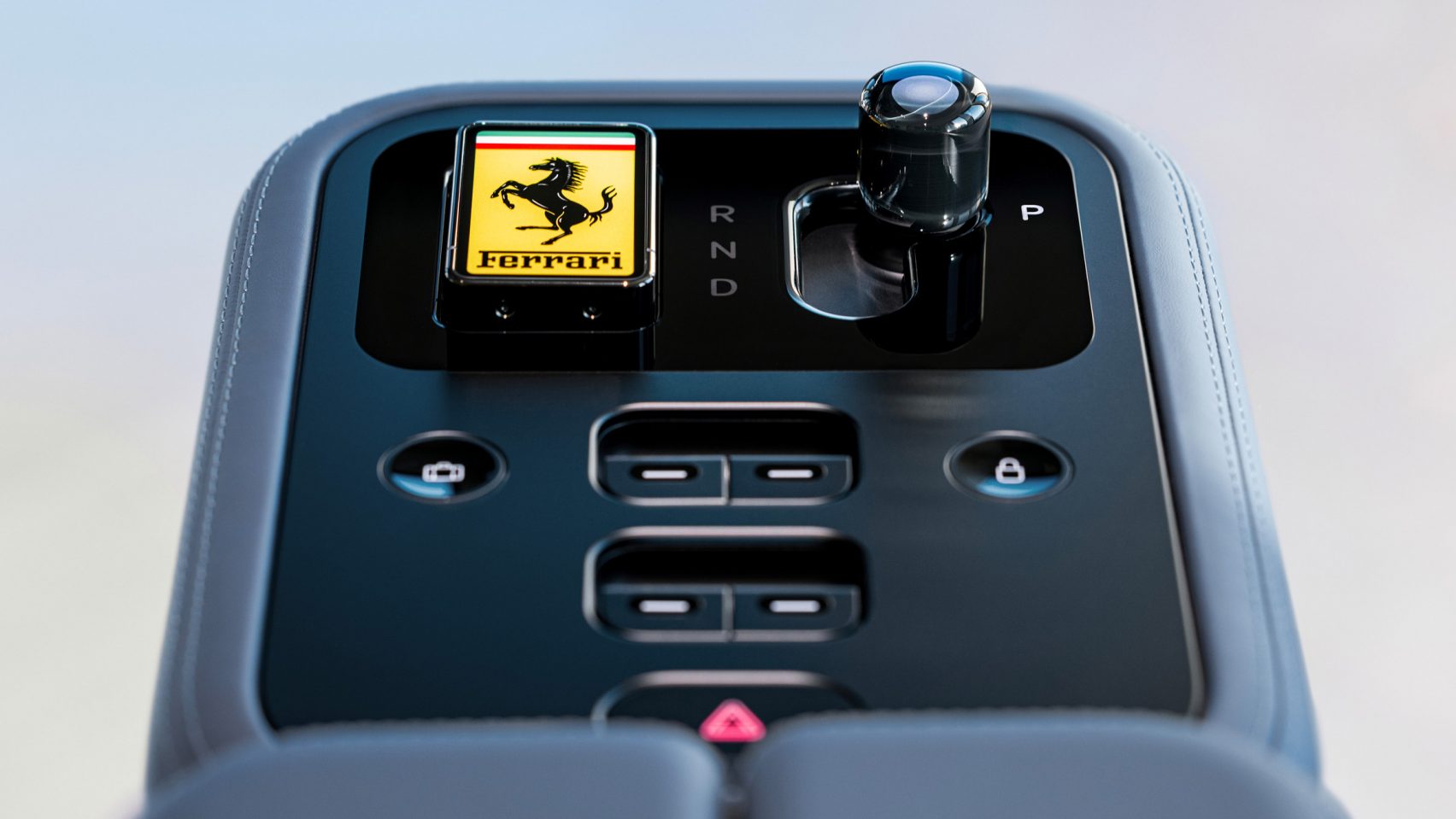
Without the noise of a V12 engine competing for attention, drivers begin noticing subtler details: the grain of wood, the weight of a switch, the texture of fabric, the way afternoon light moves across a dashboard.
Those details matter and since EVs are quiet there is no roar to distract you. The Ferrari Luce EV may not be a fully sustainable luxury car yet, but it points toward something increasingly rare in modern transportation: a machine designed to age gracefully.
The challenge for Ferrari is no longer building a fast electric Ferrari. It’s building an heirloom.
If the new EV line succeeds Ferrari Luce EV interiors may be remembered not as a showcase for technology, but as a reminder that true luxury has always been handmade.