Yemen is starving, Ukraine war is making it worse

Carl-Waldmeier
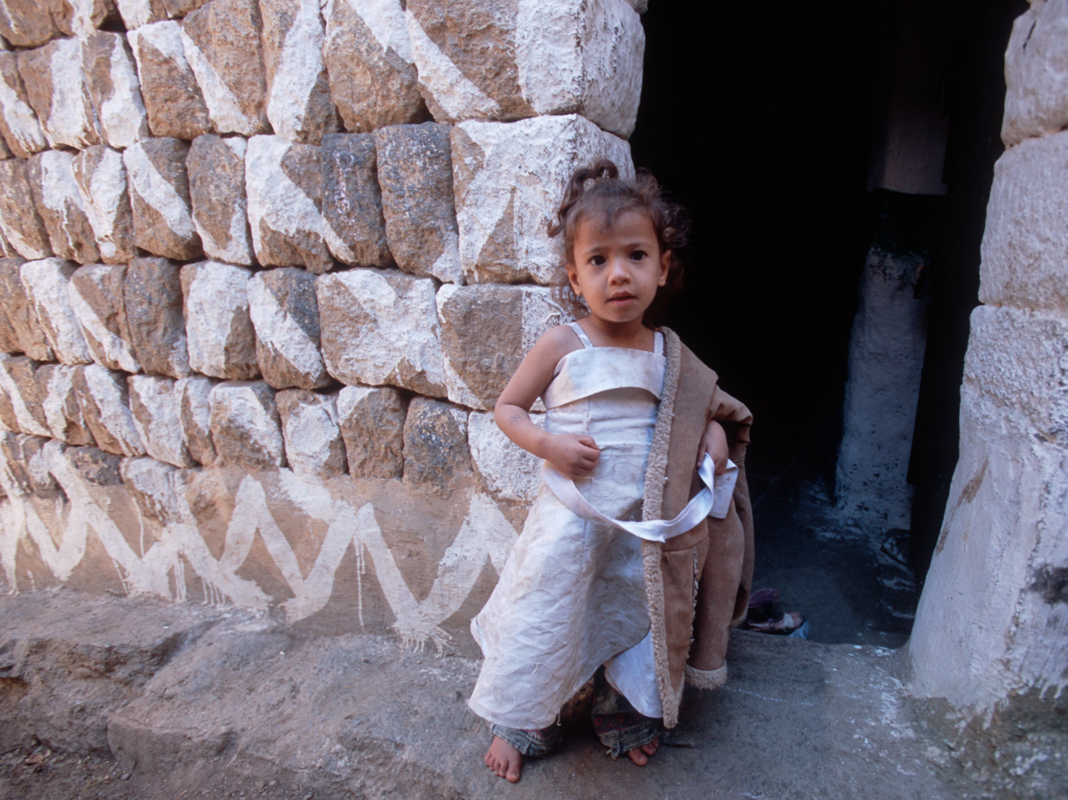
A child in Yemen by Carl Waldmeier, licensed by CC.

Yemen’s already dire hunger crisis is teetering on the edge of outright catastrophe, with 17.4 million people now in need of food assistance and a growing portion of the population coping with emergency levels of hunger, UN agencies tell us.

The humanitarian situation in the country is poised to get even worse between June and December 2022, with the number of people who likely will be unable to meet their minimum food needs in Yemen possibly reaching a record 19 million people in that period, the Food and Agriculture Organization of the United Nations (FAO), the UN World Food Programme  and UNICEF alerted.

At the same time, an additional 1.6 million people in the country are expected to fall into emergency levels of hunger, taking the total to 7.3 million people by the end of the year, the agencies added.

A new report also shows a persistent high level of acute malnutrition among children under the age of five. Across Yemen, 2.2 million children are acutely malnourished, including nearly more than half a million children facing severe acute malnutrition, a life-threatening condition. In addition, around 1.3 million pregnant or nursing mothers are acutely malnourished.

Hunger a product of Middle East conflict

“The resounding takeaway is that we need to act now. We need to sustain the integrated humanitarian response for millions of people, including food and nutrition support, clean water, basic health care, protection and other necessities,” said the Resident and Humanitarian Coordinator for Yemen, David Gressly.
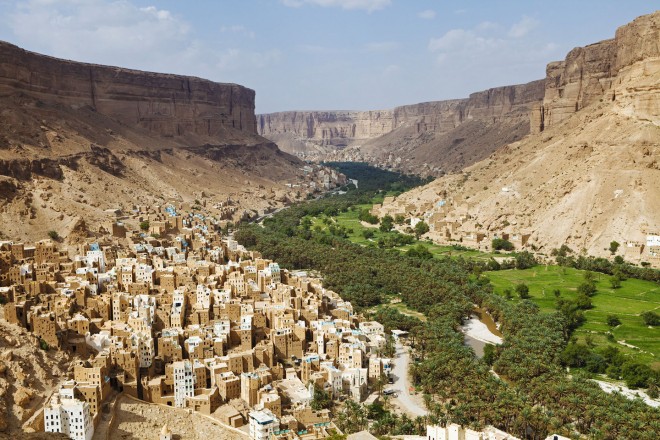
beauty of Yemen

“Peace is required to end the decline, but we can make progress now. The parties to the conflict should lift all restrictions on trade and investment for non-sanctioned commodities. This will help lower food prices and unleash the economy, giving people the dignity of a job and a path to move away from reliance on aid,” he added.

Conflict remains the primary underlying driver of hunger in Yemen. The economic crisis – a by-product of conflict – and the depreciation of the currency have pushed food prices in 2021 to their highest levels since 2015. The Ukraine war is likely to lead to significant import shocks, further driving food prices. Yemen depends almost entirely on food imports with 30 percent of its wheat imports coming from Ukraine.

“Many households in Yemen are deprived of basic food needs due to an overlap of drivers,” said FAO Director-General QU Dongyu. “FAO is working directly with farmers on the ground to foster their self-reliance through a combination of emergency and longer-term livelihood support, to build up their resilience, support local agrifood production, and offset people’s reliance on imports.”
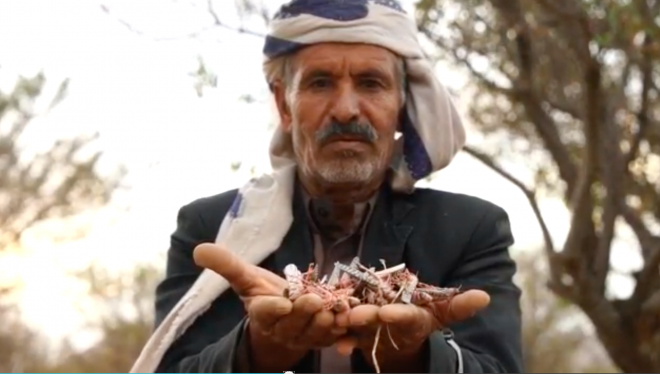
locusts in Yemen

Meanwhile, acute malnutrition among young children and mothers in Yemen has been on the rise. Among the worst hit governorates are Hajjah, Hodeida and Taizz. Children with severe acute malnutrition are at risk of death if they don’t receive therapeutic feeding assistance. 

“More and more children are going to bed hungry in Yemen,” said UNICEF Executive Director Catherine Russell. “This puts them at increased risk of physical and cognitive impairment, and even death. The plight of children in Yemen can no longer be overlooked. Lives are at stake.”

Yemen has been plagued by one of the world’s worst food crises. Parents are often unable to bring their children to treatment facilities because they cannot afford transportation or their own expenses while their children are being assisted.

Save the Children is one organisation you can help. 


Karin Kloosterman
Karin Kloostermanhttp://www.greenprophet.com
Karin Kloosterman is an award-winning journalist, innovation strategist, and founder of Green Prophet, one of the Middle East’s pioneering sustainability platforms. She has ranked in the Top 10 of Verizon innovation competitions, participated in NASA-linked challenges, and spoken worldwide on climate, food security, and future resilience. With an IoT technology patent, features in Canada’s National Post, and leadership inside teams building next-generation agricultural and planetary systems — including Mars-farming concepts — Karin operates at the intersection of storytelling, science, and systems change. She doesn’t report on the future – she helps design it. Reach out directly to [email protected]

Read More

TRENDING

10 Amazing Facts About the Sidr Tree

Most people in the West have never heard of the Sidr tree. That's strange when you think about it. This tough, thorny desert tree has fed people, bees, birds, and camels for thousands of years. It appears in Islamic tradition. Its honey sells for astonishing prices.

Dubai sets up smart feeding stations for abandoned cats

Dubai Municipality has set up 12 AI-powered "Ehsan Stations" to safely and officially feed strays. The city also officially supports Trap-Neuter-Return (TNR) programs. 

Eco organization offices destroyed by Iran missile

Tel Aviv's eco organization, the Heschel Center, was impacted by an Iranian missile.

How does one start prepping?

Faced with an extreme winter storm this year, Americans wonder how to be prepared for catastrophe. Miriam has lived through wars in the Middle East - so she's prepared on giving you a guide to prepping.

Emergency housing and refugee shelters made from mud

Rather than treating displacement as a temporary emergency, this project is reframed as a human condition requiring stability, community, and dignity. By combining vernacular wisdom with adaptable modular planning, the project offers a model for refugee housing that is scalable, low-carbon, and deeply respectful of local identity. For Somalia’s displaced families, a mud-brick home may be the most modern solution of all.

Yerukim Forms a New Green Economy Where the Money is Really Green

The Yerukim members who pick up the recyclables get to keep the monetary reward, the public earns "green" bills that can be used in shops, and business owners get to be associated with environmentalism.

Choosing Riyadh over Dubai? What Investors Should Know

Saudi Arabia is deploying capital at unmatched scale to catalyze tourism and advanced industry while rewiring its power-and-water backbone. The investable frontier is widening—especially in renewables, grid storage, water efficiency/desal retrofits, and hospitality operating platforms. Prudent investors will insist on phased delivery, enforceable KPIs (energy, water, biodiversity), and RHQ/zone compliance—while pricing political-economy and reputational risks alongside growth upside.

Sell your cooking oil for biodiesel money

Want to make money on old french fry oil? Sell it.

Qatar Alternative Energy Summit Pairs Investors And Innovators

Alternative energy investors and innovators can meet n' greet in Doha, Qatar March 16 and 17.

Here’s How To Implement The Four Pillars Of Employee Engagement

If you throw a party for your work team and they are vegans, don't make it a barbecue. Know the sustainability values of your team to boost moral and retain good people.

Locals From Rishon Fight IKEA

Big Box stores are a pretty new concept in Israel, and thank God that not every Israeli city wants them in their backyard. A word from someone who has see the beautiful farmland around her hometown Newmarket, Ontario stripped and converted into vulgar strip malls of big box shops: they have no place in a healthy and sustainable town or city.

The Jewish National Fund Meets An Inconvenient Truth

According to the JNF, it has transformed thousands of acres of barren land into green forests in Israel. They state that each person emits about 23 tons of carbon per year, estimating that each tree planted can absorb one ton of carbon in its lifetime. That's a whole lot of trees you'd need to be planting. Could so many fit in Israel?

How to quiet noise from construction in your office

Streets need to be resurfaced in New York but the humming and grinding noise is unsettling. Noise is environmental pollution. 

Popular Categories