Anti-virals freshen up a woman’s eggs for IVF


woman nursing or breastfeeding babyStarting a family at 40? This news might not help you but may be useful for your younger sister. Throughout much of the world, increasing numbers of women are delaying having their first child until they are in their late thirties, and even into their forties. By 50 when a woman has built her career it’s usually too late, at least with her own eggs if she hasn’t frozen them 20 years before.

Even by late 30s and early 40s, a woman’s eggs are rapidly deteriorating and, even with IVF, their prospects of conception are far from guaranteed.

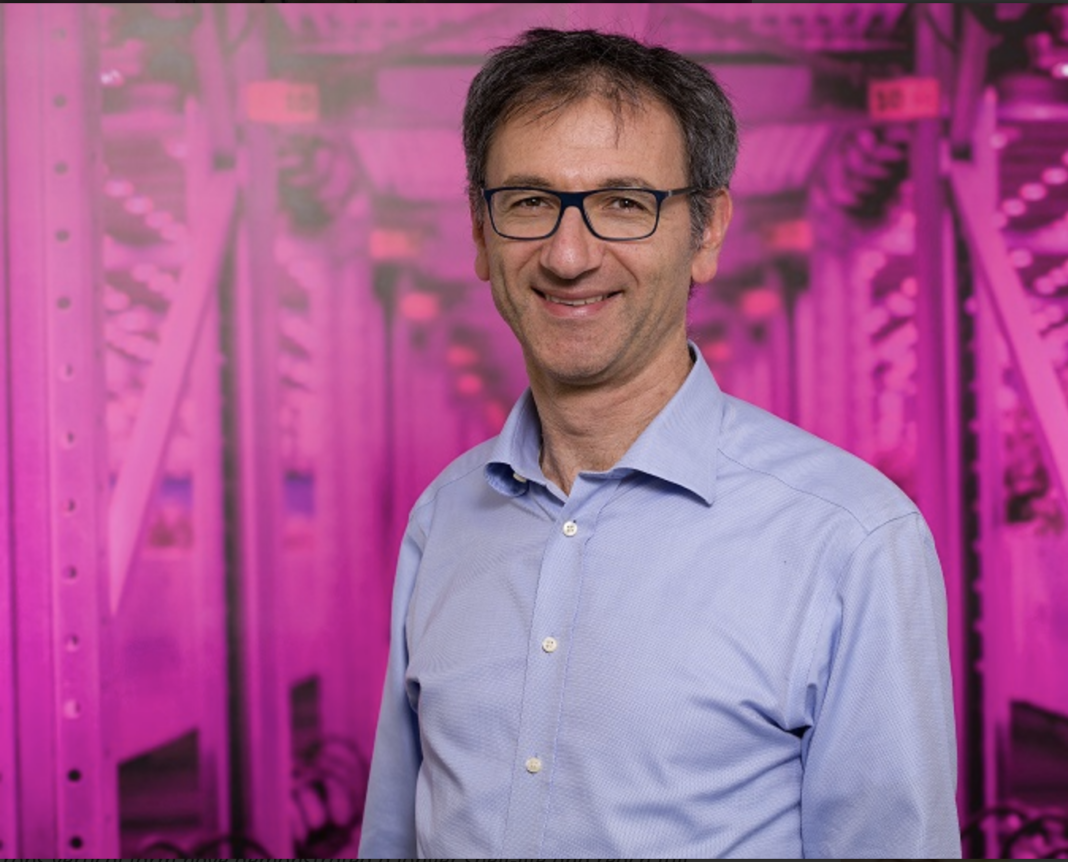
Reversing that deterioration is the ultimate goal of molecular biologist Dr. Michael Klutstein, head of the Chromatin and Aging Research Lab at the Hebrew University of Jerusalem. This possibility has now come one step closer with recent research from his lab, carried out by PhD student Peera Wasserzug-Pash in collaboration with clinicians from Hadassah Medical Center and Shaare Zedek hospitals.  Their findings were published in Aging Cell.

What’s the approach? In humans, egg cells begin to accumulate damage to their genetic material when a woman is relatively young. Often by the time she is in her late-thirties, her eggs have accumulated so much damage to the DNA that they are unable to mature and be fertilized. That’s when they turn to IVF and for some the eggs may already be in a state of damage that they can’t be used. 

Could there be a way to freshen the eggs up?

Dr. Klutstein’s team successfully identified one of the ageing processes that prevents the successful maturation of an egg cell.  Most importantly among them is the loss of the regulation processes that normally stop the damaging parts of DNA from becoming active. 

It is in many ways a strange idea to think about: parts of our DNA contain sections of genetic material that can be damaging. In fact, about half of our genome is made of virus-like sequences or fragments of viruses, which can cause considerable damage to the DNA if they are allowed to be activated through expression. 

This idea has been studied extensively, and was discovered by Barbara McClintock who received the 1983 Nobel Prize for her work on this topic.

It is the ageing process that causes the failure of the system to keep these damaging elements repressed and inactive.  Klutstein and his team’s research, using both mouse and human egg cells, not only identified the details of these processes but showed how they are interrelated and ultimately prevent an egg cell from maturing. 

Could egg ageing be reversed?

To confirm their findings, the team then used chemicals that mimic the actual processes that stop repression of sections of the egg cell’s DNA and liberate the DNA-damaging viruses.  Reproducing the ageing processes artificially enabled the team to link the processes of loss of genomic regulation and the expression of damaging elements in ageing egg cells.

The final stage of their research tested ways to reverse the destructive ageing processes at work in an egg cell.  If viruses or parts of viruses were released and activated in ageing eggs, then perhaps anti-viral drugs could prevent this process and the resulting damage.  

In their paper, the researchers showed that anti-viral drugs did indeed reverse the process in mouse egg cells and returned to their former youthful selves.

There has also been similar success using genetic manipulation to insert two genes into the mouse egg cell DNA – the implanted genes produce enzymes which prevent the chain of events that leads to the activation of the damaging parts of the DNA. 

“Within a decade, I hope we will be able to increase fertility among older women using anti-viral drugs,” shared Klutstein. 

One researcher I interviewed in the past suggested the notion that being pregnant itself is like drinking from the fountain of youth. So perhaps we women could push living well even further by having babies of our own in our 50s and 60s. 

Karin Kloosterman
Karin Kloostermanhttp://www.greenprophet.com
Karin Kloosterman is an award-winning journalist, innovation strategist, and founder of Green Prophet, one of the Middle East’s pioneering sustainability platforms. She has ranked in the Top 10 of Verizon innovation competitions, participated in NASA-linked challenges, and spoken worldwide on climate, food security, and future resilience. With an IoT technology patent, features in Canada’s National Post, and leadership inside teams building next-generation agricultural and planetary systems — including Mars-farming concepts — Karin operates at the intersection of storytelling, science, and systems change. She doesn’t report on the future – she helps design it. Reach out directly to [email protected]

Read More

TRENDING

Are the Great Lakes polluted?

The Great Lakes may look pristine, but a new cleanup report reveals a growing tide of plastic pollution beneath the surface. From cigarette butts and food wrappers to tiny plastic fragments and discarded nicotine pouches, researchers are finding evidence that everyday consumer waste is making its way into North America's largest freshwater ecosystem. New technologies, including Canada's first BeBot beach-cleaning robot, are helping scientists understand how plastic travels through lakes, shorelines and stormwater systems before breaking down into microplastics.

What Makes a Hair Care Review Trustworthy?

Looking for natural hair care reviews?

Can a one trillion-Dollar SpaceX IPO change life on earth?

A SpaceX IPO could become one of the most consequential financial events of the century, creating thousands of millionaires and fueling investment across the New Space economy. From orbital robotics and African space programs to launch infrastructure and satellite networks, the ripple effects may extend far beyond Earth—while forcing investors to reconsider whether generative AI remains the most compelling technology bet of the decade.

Anthropic, Google and Stripe put nearly $1 Billion on carbon removal

A coalition led by Frontier, backed by Stripe, Google, Salesforce and newly joined AI company Anthropic, has committed an additional $915 million to remove carbon dioxide from the atmosphere. The pledge adds to a previous $1 billion commitment and brings Frontier's total buying power to nearly $2 billion.

Bathroom dad Tyler Brodsky shows us why Americans need more common sense

Oklahoma father Tyler Brodsky became the center of a national debate after accompanying his young daughters into a women's restroom during a road trip. For many parents, the story is less about politics and more about a simple question: how do you help your children feel safe when public bathrooms often fail families?

Yerukim Forms a New Green Economy Where the Money is Really Green

The Yerukim members who pick up the recyclables get to keep the monetary reward, the public earns "green" bills that can be used in shops, and business owners get to be associated with environmentalism.

Choosing Riyadh over Dubai? What Investors Should Know

Saudi Arabia is deploying capital at unmatched scale to catalyze tourism and advanced industry while rewiring its power-and-water backbone. The investable frontier is widening—especially in renewables, grid storage, water efficiency/desal retrofits, and hospitality operating platforms. Prudent investors will insist on phased delivery, enforceable KPIs (energy, water, biodiversity), and RHQ/zone compliance—while pricing political-economy and reputational risks alongside growth upside.

Sell your cooking oil for biodiesel money

Want to make money on old french fry oil? Sell it.

Qatar Alternative Energy Summit Pairs Investors And Innovators

Alternative energy investors and innovators can meet n' greet in Doha, Qatar March 16 and 17.

Here’s How To Implement The Four Pillars Of Employee Engagement

If you throw a party for your work team and they are vegans, don't make it a barbecue. Know the sustainability values of your team to boost moral and retain good people.

Locals From Rishon Fight IKEA

Big Box stores are a pretty new concept in Israel, and thank God that not every Israeli city wants them in their backyard. A word from someone who has see the beautiful farmland around her hometown Newmarket, Ontario stripped and converted into vulgar strip malls of big box shops: they have no place in a healthy and sustainable town or city.

The Jewish National Fund Meets An Inconvenient Truth

According to the JNF, it has transformed thousands of acres of barren land into green forests in Israel. They state that each person emits about 23 tons of carbon per year, estimating that each tree planted can absorb one ton of carbon in its lifetime. That's a whole lot of trees you'd need to be planting. Could so many fit in Israel?

How to quiet noise from construction in your office

Streets need to be resurfaced in New York but the humming and grinding noise is unsettling. Noise is environmental pollution. 

Popular Categories