


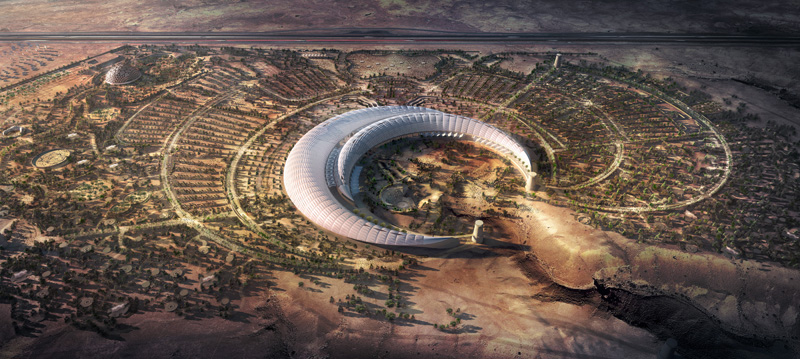
 Saudi Arabia is building the world’s largest botanical gardens on nearly 2.5 million square meters of desert land near Riyadh. A stellar environmental initiative to educate the public on climate change, or a tourism-boosting novelty? However you dice it, it’s amazing.
The enormous facility – five times larger than the UK’s Eden Project – focuses on the history of local plants in the Arabian Peninsula, then peers forward to a more sustainable future (it will use renewable energy for power and plant irrigation).
King Abdullah International Gardens (KAIG) is an enormous desert park; 150 hectares of the 160 hectare site will be planted with indigenous species, mostly contained within two giant domes – crescent-shaped structures that resemble a swirling galaxy.
Appropriate imagery for gardens that look back to the origins of life on earth – KAIG will contain a detailed time line that portrays the great paleobotanical ages that have swept across the region.
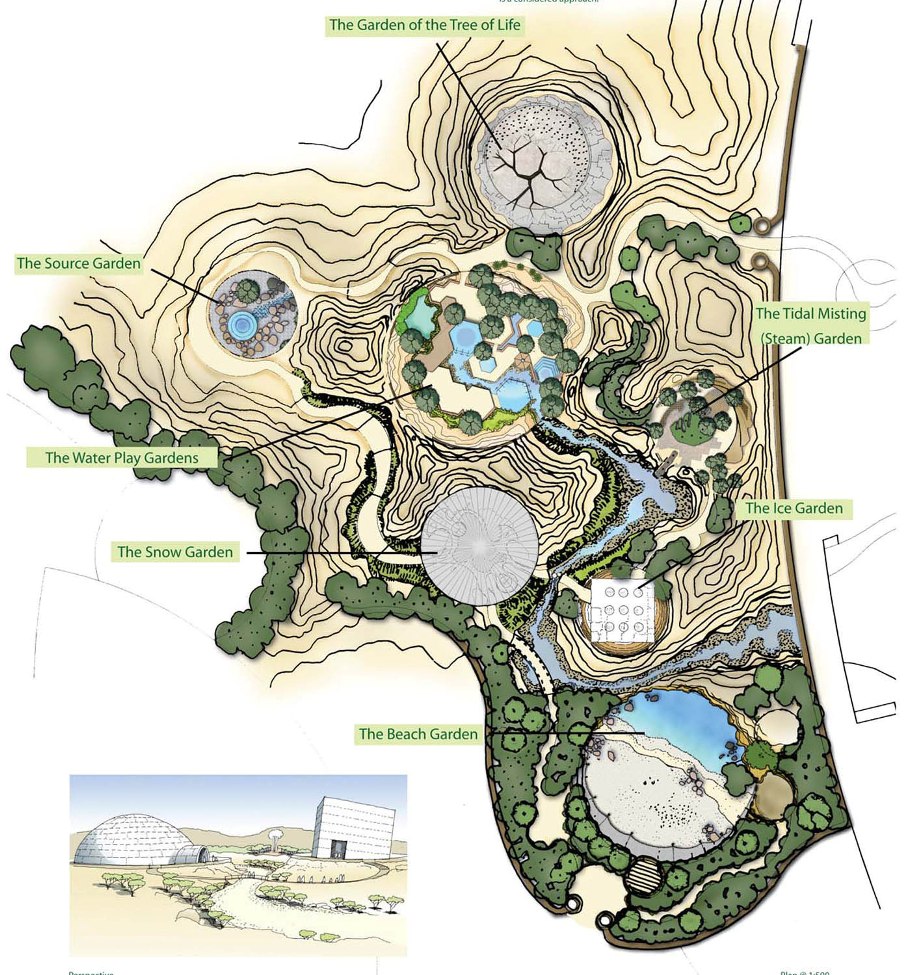 Siteworks began in 2008. The final project includes several botanical gardens, split in two sections. One will display historical plant evolution in the Arabian Peninsula, including a museum of animals contemporary with those times. This section will be fully contained under the domes.
An open-air section will contain indigenous plants current to today, a desert park, rock gardens, and a garden featuring different styles of landscaping from across the world.
The project also includes a flower garden, a physics garden, geological park, and separate sections for birds, fish, butterflies and reptiles.
Irrigation will use 100% recycled greywater obtained by treated sewage effluent generated on site. Renewable energy will fully power the place, 93% of the landscaping materials will be sourced from the original site (soil, rock, stone, gravel, soil), and waste will be recycled.
Visitor and worker transport will be restricted to electric vehicles charged from the on-site solar array.
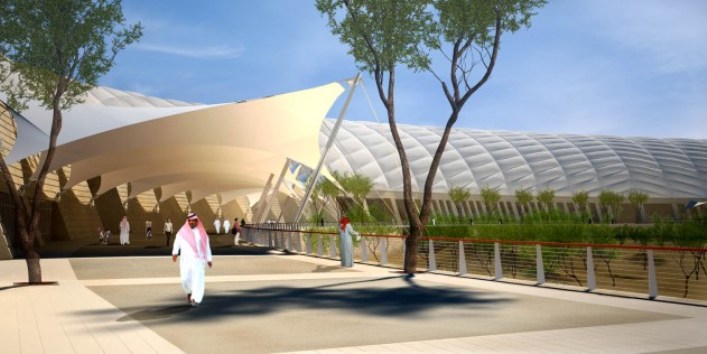 Designed by UK-based planning and design consultants Barton Willmore, KAIG aims to become a world-leader in the study of climate change. Emphasis has been placed on special parks for children where they can interact with different environmental ecosystems.
While the project will include research institutes, it also houses a water park, theater, restaurants, mosques, camping areas, gift shops, and…a snow park?
A stellar environmental initiative or a tourism-boosting novelty? Like I said, however you dice it, it’s amazing.
Images of KAIG from Barton Willmore


Research scholar working for Plant ecology and environmental pollution having more than 70 publication.
[…] Email […]