“In the midst of uncertain time, renewable energy remains consistent and steadfast in its expansion,” said Francesco La Camera, IRENA’s Director-General. “A more decentralised energy system, with a growing share of renewables and more market players, is structurally more resilient.”
Health insurance is a regulated financial product. Insurers operate under binding contracts, overseen by state insurance commissioners, that legally obligate them to pay claims meeting policy terms. Policyholders who believe a covered claim was wrongfully denied have legal recourse through state regulatory channels.
The New Zealand Merino Company, now rebranded as Zentera, has quietly removed the phrase “world’s leading ethical wool brand” from its website, a notable change that comes after a disturbing investigation by PETA Asia-Pacific into the company’s ZQ-certified wool supply chain, PETA reports to Green Prophet.
Somehow vegetables with short seasons excite the imagination and appetite more sharply than produce that’s available all year around. Good Middle Eastern cooks have many recipes for delicate fava beans, and this turmeric-fragrant soup is one.
“In the midst of uncertain time, renewable energy remains consistent and steadfast in its expansion,” said Francesco La Camera, IRENA’s Director-General. “A more decentralised energy system, with a growing share of renewables and more market players, is structurally more resilient.”
Health insurance is a regulated financial product. Insurers operate under binding contracts, overseen by state insurance commissioners, that legally obligate them to pay claims meeting policy terms. Policyholders who believe a covered claim was wrongfully denied have legal recourse through state regulatory channels.
The New Zealand Merino Company, now rebranded as Zentera, has quietly removed the phrase “world’s leading ethical wool brand” from its website, a notable change that comes after a disturbing investigation by PETA Asia-Pacific into the company’s ZQ-certified wool supply chain, PETA reports to Green Prophet.
Somehow vegetables with short seasons excite the imagination and appetite more sharply than produce that’s available all year around. Good Middle Eastern cooks have many recipes for delicate fava beans, and this turmeric-fragrant soup is one.
“In the midst of uncertain time, renewable energy remains consistent and steadfast in its expansion,” said Francesco La Camera, IRENA’s Director-General. “A more decentralised energy system, with a growing share of renewables and more market players, is structurally more resilient.”
Health insurance is a regulated financial product. Insurers operate under binding contracts, overseen by state insurance commissioners, that legally obligate them to pay claims meeting policy terms. Policyholders who believe a covered claim was wrongfully denied have legal recourse through state regulatory channels.
The New Zealand Merino Company, now rebranded as Zentera, has quietly removed the phrase “world’s leading ethical wool brand” from its website, a notable change that comes after a disturbing investigation by PETA Asia-Pacific into the company’s ZQ-certified wool supply chain, PETA reports to Green Prophet.
Somehow vegetables with short seasons excite the imagination and appetite more sharply than produce that’s available all year around. Good Middle Eastern cooks have many recipes for delicate fava beans, and this turmeric-fragrant soup is one.
“In the midst of uncertain time, renewable energy remains consistent and steadfast in its expansion,” said Francesco La Camera, IRENA’s Director-General. “A more decentralised energy system, with a growing share of renewables and more market players, is structurally more resilient.”
Health insurance is a regulated financial product. Insurers operate under binding contracts, overseen by state insurance commissioners, that legally obligate them to pay claims meeting policy terms. Policyholders who believe a covered claim was wrongfully denied have legal recourse through state regulatory channels.
The New Zealand Merino Company, now rebranded as Zentera, has quietly removed the phrase “world’s leading ethical wool brand” from its website, a notable change that comes after a disturbing investigation by PETA Asia-Pacific into the company’s ZQ-certified wool supply chain, PETA reports to Green Prophet.
Somehow vegetables with short seasons excite the imagination and appetite more sharply than produce that’s available all year around. Good Middle Eastern cooks have many recipes for delicate fava beans, and this turmeric-fragrant soup is one.
“In the midst of uncertain time, renewable energy remains consistent and steadfast in its expansion,” said Francesco La Camera, IRENA’s Director-General. “A more decentralised energy system, with a growing share of renewables and more market players, is structurally more resilient.”
Health insurance is a regulated financial product. Insurers operate under binding contracts, overseen by state insurance commissioners, that legally obligate them to pay claims meeting policy terms. Policyholders who believe a covered claim was wrongfully denied have legal recourse through state regulatory channels.
The New Zealand Merino Company, now rebranded as Zentera, has quietly removed the phrase “world’s leading ethical wool brand” from its website, a notable change that comes after a disturbing investigation by PETA Asia-Pacific into the company’s ZQ-certified wool supply chain, PETA reports to Green Prophet.
Somehow vegetables with short seasons excite the imagination and appetite more sharply than produce that’s available all year around. Good Middle Eastern cooks have many recipes for delicate fava beans, and this turmeric-fragrant soup is one.
“In the midst of uncertain time, renewable energy remains consistent and steadfast in its expansion,” said Francesco La Camera, IRENA’s Director-General. “A more decentralised energy system, with a growing share of renewables and more market players, is structurally more resilient.”
Health insurance is a regulated financial product. Insurers operate under binding contracts, overseen by state insurance commissioners, that legally obligate them to pay claims meeting policy terms. Policyholders who believe a covered claim was wrongfully denied have legal recourse through state regulatory channels.
The New Zealand Merino Company, now rebranded as Zentera, has quietly removed the phrase “world’s leading ethical wool brand” from its website, a notable change that comes after a disturbing investigation by PETA Asia-Pacific into the company’s ZQ-certified wool supply chain, PETA reports to Green Prophet.
Somehow vegetables with short seasons excite the imagination and appetite more sharply than produce that’s available all year around. Good Middle Eastern cooks have many recipes for delicate fava beans, and this turmeric-fragrant soup is one.
“In the midst of uncertain time, renewable energy remains consistent and steadfast in its expansion,” said Francesco La Camera, IRENA’s Director-General. “A more decentralised energy system, with a growing share of renewables and more market players, is structurally more resilient.”
Health insurance is a regulated financial product. Insurers operate under binding contracts, overseen by state insurance commissioners, that legally obligate them to pay claims meeting policy terms. Policyholders who believe a covered claim was wrongfully denied have legal recourse through state regulatory channels.
The New Zealand Merino Company, now rebranded as Zentera, has quietly removed the phrase “world’s leading ethical wool brand” from its website, a notable change that comes after a disturbing investigation by PETA Asia-Pacific into the company’s ZQ-certified wool supply chain, PETA reports to Green Prophet.
Somehow vegetables with short seasons excite the imagination and appetite more sharply than produce that’s available all year around. Good Middle Eastern cooks have many recipes for delicate fava beans, and this turmeric-fragrant soup is one.
“In the midst of uncertain time, renewable energy remains consistent and steadfast in its expansion,” said Francesco La Camera, IRENA’s Director-General. “A more decentralised energy system, with a growing share of renewables and more market players, is structurally more resilient.”
Health insurance is a regulated financial product. Insurers operate under binding contracts, overseen by state insurance commissioners, that legally obligate them to pay claims meeting policy terms. Policyholders who believe a covered claim was wrongfully denied have legal recourse through state regulatory channels.
The New Zealand Merino Company, now rebranded as Zentera, has quietly removed the phrase “world’s leading ethical wool brand” from its website, a notable change that comes after a disturbing investigation by PETA Asia-Pacific into the company’s ZQ-certified wool supply chain, PETA reports to Green Prophet.
Somehow vegetables with short seasons excite the imagination and appetite more sharply than produce that’s available all year around. Good Middle Eastern cooks have many recipes for delicate fava beans, and this turmeric-fragrant soup is one.
Climate research and advocacy organization Action for the Climate Emergency (ACE) has rebranded as GoodPower, a shift timed with Climate Week NYC. The move reflects the group’s ambition to confront rising energy costs and climate impacts while accelerating the global transition to renewable power.
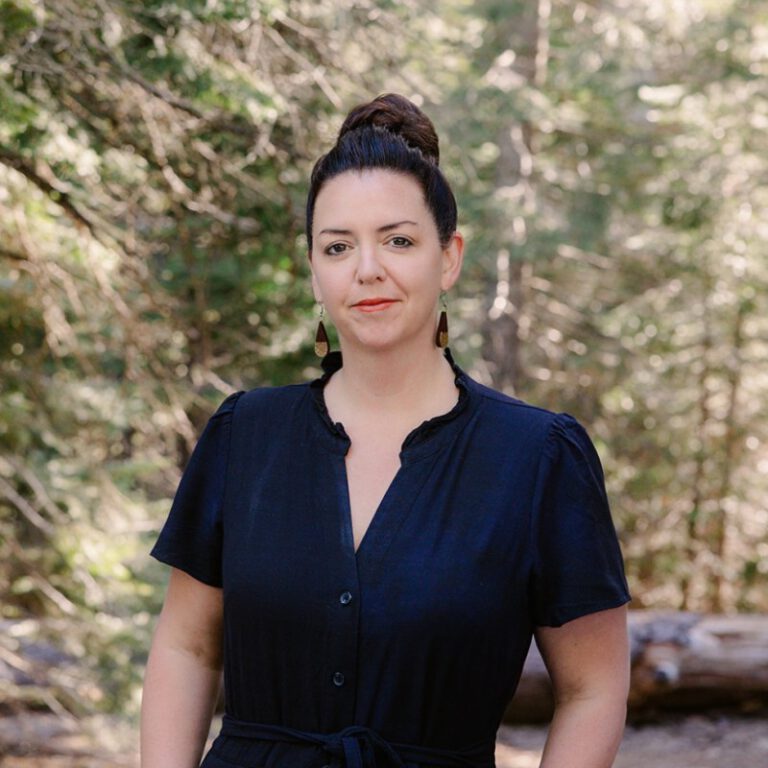
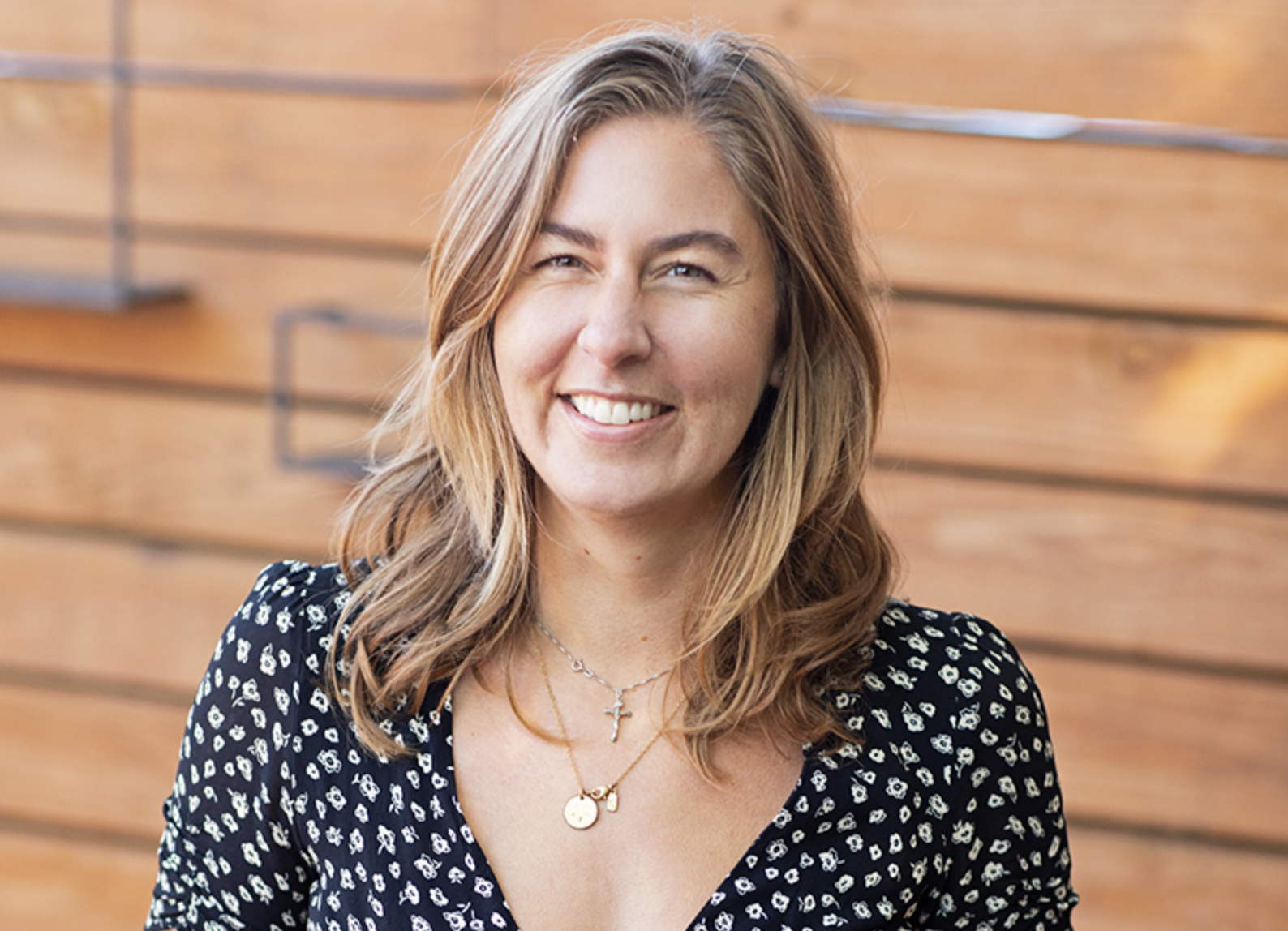
Led by CEO Leah Qusba (pictured above), GoodPower combines grassroots organizing, empirical research, and digital communications to engage everyday people around the economic and social benefits of decarbonization. The organization’s work is rooted in the idea that renewable energy is not only vital for addressing the climate crisis but also essential for reducing household energy costs, creating jobs, and strengthening economic security.
The relaunch comes at a moment when energy costs are surging in the United States and globally. US electricity prices have risen more than 30 percent since 2020, driven in part by the growing energy demands of artificial intelligence and data centers. Families also face compounding financial pressures from extreme weather events, rising insurance premiums, and broader economic instability. This Green Prophet article here explores how AI can help improve grid stability.
GoodPower argues that solutions already exist. Renewable power is now the most affordable and fastest to deploy worldwide, while complementary technologies such as electric vehicles and regenerative agriculture offer additional benefits for communities and economies.
A Record of Impact
The organization has built its platform over 17 years of work as ACE. Among its achievements:
Delivering more than 3 billion ads, videos, and organic impressions to key audiences.
Building a network of 1.4 million climate advocates.
Helping secure local support for 6 GW of renewable energy projects now moving into construction.
Running more than 115 research trials through its Good Data Lab.
Registering over 350,000 under-represented voters since 2020.
Expanding international operations to Brazil, Canada, South Africa, and the UK.
This history, Qusba said, positions GoodPower to address both the climate crisis and the economic pressures facing households worldwide.
Strategic Vision
Ivanpah, solar-thermal energy plant in California
GoodPower’s new identity is paired with its 2030 Strategic Plan, “Upward Spiral.” The plan calls for scaling proven programs, investing in breakthrough technologies, and deepening work in communications, research, and grassroots field organizing. A key emphasis will be the use of AI and other tools to reach broader audiences and accelerate adoption of clean energy solutions. (Related: The UN is building a coalition to explore how AI can save the planet).
GoodPower’s relaunch has drawn praise from funders and partners. Joel Clement of the Lemelson Foundation called the rebrand “deeply aligned with what this moment demands.” Funders including the William and Flora Hewlett Foundation and the MacArthur Foundation highlighted GoodPower’s evidence-based methods and ability to reach new audiences with creative, research-backed strategies.
With a redefined mission and an expanded toolkit, GoodPower aims to build the cultural and political momentum needed to accelerate the renewable energy transition. The organization frames its work as unlocking a better economy — one with millions of new jobs, lower bills, healthier communities (why was Ivanpah shut down?), and a more secure energy system.
Hakan Çalhanoğlu supporting reforestation with Hakan in Kuşadası
Football star Hakan Çalhanoğlu and his wife Sinem announced the creation of the Çalhanoğlu Forest, in partnership with My Lovely Planet (MLP), a Web3 mobile game that transforms gameplay into real-world tree planting.
Turkey is a natural paradise. Sailing along the Aegean and Mediterranean coasts reveals miles of untouched beaches, wild mountains, and fragrant forests. It is hard to believe such beauty still exists in a world where development and fire threaten our last remaining carbon sinks.
And thanks to a new initiative hosted by a football star and an online game, Turkey is about to get a lot more trees.
Last year, Green Prophet highlighted the inspiring story of Şehmus Erginoglu, a man in his 70s who spent 30 years planting 11,000 trees on a wasteland in his hometown of Mardin. His devotion transformed barren land into a living forest (read that story here). Like the French allegory The Man Who Planted Trees, Erginoglu proved that one person’s commitment can heal landscapes for future generations.
Sehmus Erginoglu poses with photo of trees he helped restore. (All pictures by Murat Bayram/MEE)
Today, football legend Hakan Çalhanoğlu is expanding this tradition of ecological heroism—through gaming online and in the real world.
A Forest Born from Football and Gaming
On September 18, 2025, international football star Hakan Çalhanoğlu and his wife Sinem announced the creation of the Çalhanoğlu Forest, in partnership with My Lovely Planet (MLP), a Web3 mobile game that transforms gameplay into real-world tree planting.
“Football has given me so much, and now I want to give something back, not just to my country, but to the world,” said Çalhanoğlu. “With My Lovely Planet, fans can have fun and directly join me in bringing impact while enjoying the game. Together, we can make gaming meaningful.”
MLP has already planted 380,000 trees worldwide. Built by the gaming veterans behind Candy Crush, Royal Match, and Fortnite, and selected by Google’s #WeArePlay program, the game proves that the hours people spend swiping screens can translate into ecological recovery.
“We’re building more than a game. We’re building a movement where entertainment fuels real-world action,” said Clément Le Bras, Founder and CEO of My Lovely Planet. “The Kuşadası project is just the beginning – and partnering with Hakan allows us to inspire millions of fans to make a difference, one download at a time.”
Healing After the Fires
Land after the fires: My Lovely Planet play-to-restore app for ecological reforestation
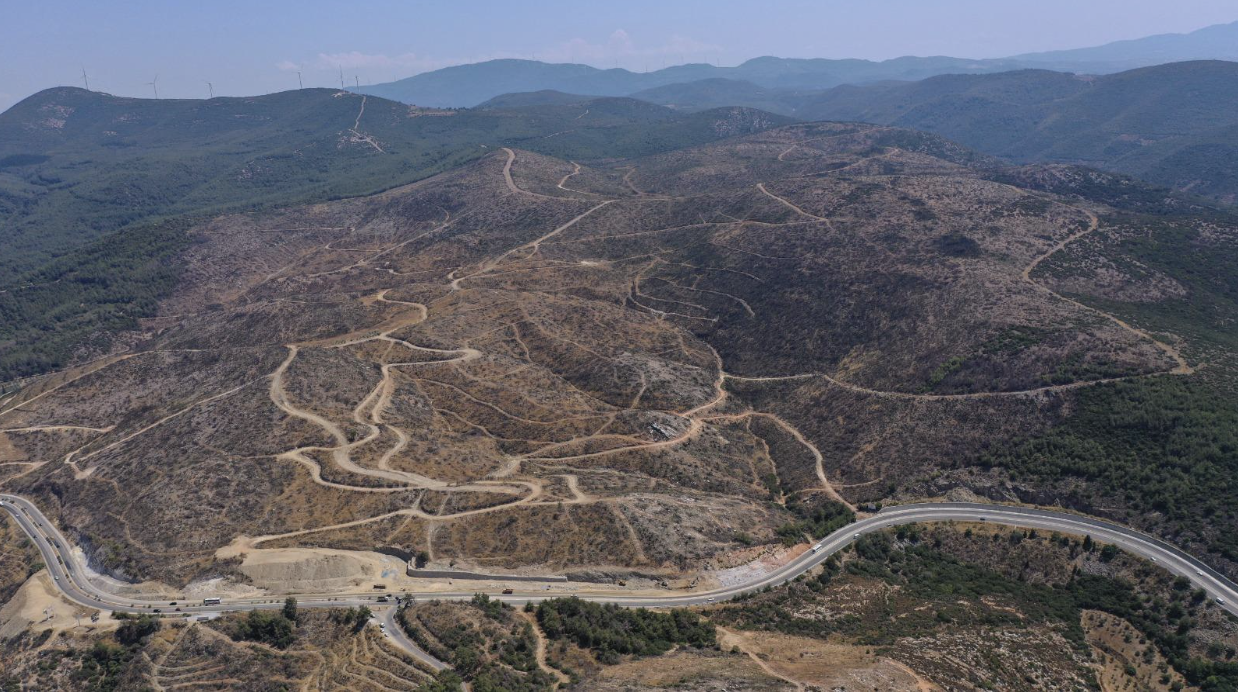
The Çalhanoğlu Forest will take root in Kuşadası, Aydın Province, an area devastated by wildfires June, 2024. Like in Europe, Los Angeles, and Canada, Turkey has suffered massive losses from climate change–driven fires. Rebuilding these landscapes requires urgent cooperation and long-term monitoring.
The initiative’s first phase will plant 10,000 saplings, covering an area equivalent to 50 football fields. This reforestation effort is financed by Çalhanoğlu himself. Native species—Turkish pine (Pinus brutia), oak (Quercus spp.), and select fruit/value trees—will ensure resilience against future droughts and fires.
But Phase 1 is only the beginning. Because planting trees and taking care of them requires a village. Coldplay figured this out after they planted mango trees that later died.
In Phase 2, gamers worldwide can download My Lovely Planet, play, and directly contribute to planting more trees alongside Hakan and Sinem. Each in-game action unlocks a real-world tree, grown under the supervision of the Turkish Tohum Association (Tohum Eğitim Kültür ve Doğa Derneği).
This system of play-to-restore means ecological recovery is no longer limited to philanthropists or governments—it becomes a collective, gamified mission accessible to anyone with a smartphone.
MLP’s approach is simple but radical: entertainment should have an ecological consequence. Every swipe, match, or level passed results in tangible reforestation.
This concept mirrors earlier environmental movements where people were encouraged to plant a tree for every child born, or every wedding celebrated. I planted a fig tree when I got married and an olive tree when my daughter was born – but that’s just a few trees. MLP scales it for the digital generation: trees for every download, every victory, every hour of fun.
By embedding reforestation into daily play, the initiative bypasses the apathy often felt toward distant environmental problems. Climate action becomes seamless, enjoyable, and habitual.
Legacy, Literature, and Lessons
The Man Who Planted Trees was made into a short film
As a teenager in Canada, I remember reading The Man Who Planted Trees (L’homme qui plantait des arbres) by French author Jean Giono. It told the story of Elzéard Bouffier, a shepherd who spent decades reforesting a barren valley in Provence. Though fictional, the story inspired countless people to believe in the quiet power of persistence. There is also the story of Miss Rumphius, popular today as a children’s book about a woman who dedicated her life to planting lupine seeds.
Today, Çalhanoğlu’s project echoes that message—while updating it for the digital age. Instead of one shepherd or one man from Mardin planting alone, millions can now plant together with their thumbs. The symbolism is powerful: a footballer, known for precision and endurance, redirecting the energy of his fans toward something larger than sport.
The Çalhanoğlu Forest also demonstrates how global cooperation can emerge in unexpected forms. It links international sport, tech innovation, grassroots NGOs, and climate resilience into a single story of hope.
In a world increasingly defined by division, here is a chance to unite over something universal: the need for shade, clean air, and forests for our children. So, plant a tree. Play a game. And make Miss Rumphius proud.
Al Gore warned in An Inconvenient Truth: “We are witnessing a collision between our civilization and the Earth.” In Brussels, President Ursula von der Leyen often echoes that urgency. But behind the podium, a series of fresh EU moves points the other way—toward loosening rules, delaying targets, and giving industry more “breathing space.” It’s the kind of slow-turn that watchdogs call corporate or climate capture.
A new peer-reviewed paper in Environmental Science & Technology Letters synthesizes decades of evidence on how powerful sectors shape the institutions meant to regulate them. The authors—led by Prof. Alex Ford—warn that such influence will obstruct progress on the UN’s “triple planetary crisis” of climate change, biodiversity loss, and chemical pollution. Their description of subtle, systemic steering reads like a checklist for Europe’s latest policy pivots.
In June, the Commission hit the brakes on the flagship anti-greenwashing law—the Green Claims Directive—saying the file had become too burdensome for small firms and signaling it could be shelved. That pause/withdrawal would weaken proof requirements for “carbon-neutral,” “biodegradable,” and similar claims—an own goal for consumer trust.
Through the summer, the executive also opened the door to further “simplifications” of environmental law after waves of industry criticism—reducing the scope of corporate sustainability reporting and easing due-diligence expectations in supply chains, while entertaining calls to soften other green files. The EU Ombudsman is reviewing whether these weakenings advanced without adequate public input.
Member states, for their part, are pressing to dilute or delay other pillars. A majority have pushed for more changes to the EU’s anti-deforestation law before its rollout, arguing producers can’t meet requirements—despite the law being a world-first attempt to curb imported forest loss. And as the New York Climate Week conversations ramp up, the bloc is struggling to agree the 2040 climate target—diplomats say a deal has slipped, risking credibility just as the world compares notes on ambition. Another failing of a mammoth EU organization not able to stand for anything in unity?
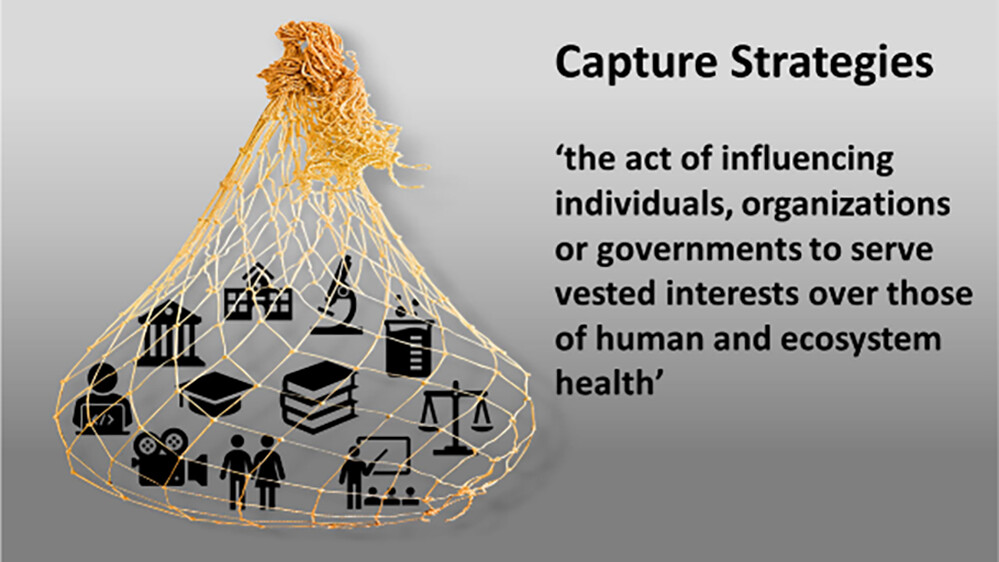
None of this proves intent to stall climate action. But the pattern—weakening consumer protections against greenwashing, trimming corporate accountability, softening land-use safeguards, and hesitating on the next-decade target—mirrors the “tactics of delay” described in the capture literature. As the new study notes, influence is often quiet and procedural, not headline-grabbing.
Climate Week exists to turn targets into timelines and timelines into budgets. If the EU wants to model leadership, the path is straightforward: restore a strong Green Claims law with independent verification; close loopholes in supply-chain due diligence instead of widening them; protect the integrity of the anti-deforestation regime; and lock in a science-based 2040 goal that keeps 1.5°C within reach.
Plenty of European and American architects are piling on to say that Neom, in Saudi Arabia is a sustainable idea. They make a fortune doing it.
Al Gore warned in An Inconvenient Truth: “We are witnessing a collision between our civilization and the Earth.” That collision is fueled not just by carbon but by entrenched interests that benefit from the status quo. A new study in Environmental Science & Technology Letters shows how corporate capture—the ability of industries to shape the very institutions meant to regulate them—remains one of the greatest obstacles to solving the climate crisis.
First studied in the 1940s, corporate capture has been documented across sectors from fossil fuels and chemicals to food, tobacco, and pharmaceuticals. The new research, led by Professor Alex Ford of the University of Portsmouth and the International Panel on Chemical Pollution, warns that without reform, capture will obstruct efforts to address what the UN calls the triple planetary crises: climate change, biodiversity loss, and chemical pollution.
Ford describes a subtle but systemic web of influence: those tasked with protecting people and the planet can become entangled—sometimes unknowingly—in a web where funding, data, and decision-making are steered by vested interests. These strategies do not always look like outright corruption; they are often subtle, systemic, and deeply embedded.
A new study led by the International Panel on Chemical Pollution (IPCP) has investigated how corporate industries influence individuals, organisations or governments to not act in the best interest of the environment and human health.
Examples range from “Frackademia,” where universities accept fossil fuel research dollars, to pesticide companies sponsoring scientific conferences, and museums criticized for partnering with oil companies. Adam Werbach, once the youngest-ever president of the Sierra Club, famously left mainstream activism to work with Walmart in the 2000s. His shift illustrated how corporate partnerships—even well-intentioned ones—can blur lines between advocacy and business interest.
In 2011, the MIT Energy Initiative (MITEI) released The Future of Natural Gas, which stated that “natural gas provides a cost-effective bridge to a low-carbon future” and supported the exporting of liquified natural gas. A major sponsor of the report was the American Clean Skies Foundation, founded and chaired by Aubrey McClendon, CEO of the nation’s No. 2 gas producer Chesapeake Energy.
It is common for the New York Times, a prominently left-wing, liberal newspaper, to accept full page ads on how Saudi Arabia and Saudi Aramco are leading the renewable energy transition, while Aramco is the largest oil and gas producer in the world.
Jeanne Mortimer, the Dianne Fossey of sea turtles. She changed everything in the Seychelles.
And in the Seychelles, Green Prophet has reported how even conservation groups meant to safeguard biodiversity, such as those monitoring Assomption Island near Aldabra Atoll, were appointed by the government itself. This raises a structural conflict of interest: when the very institutions charged with protecting nature are chosen by political actors who also approve destructive resort developments, their independence is compromised.
The study catalogues the recurring tactics industries use: watering down environmental laws, suppressing or delaying critical research, funding NGOs or cultural institutions to soften messaging, and using media platforms to amplify denial or disinformation.
Not all ties to industry are damaging, the authors note. The private sector has played an important role in developing innovative technologies and supporting environmental initiatives. But involvement must be transparent, accountable, and free from conflicts of interest that undermine wellbeing.
The IPCP researchers recommend stronger conflict-of-interest policies, transparent disclosure of funding, and training for students in environmental sciences to spot disinformation and influence tactics.
“This isn’t about vilifying industry,” Ford emphasizes. “It’s about recognising that commercial interests don’t always align with public or planetary health.”
From ExxonMobil’s climate deception lawsuits to Big Oil’s deepening carbon capture investments, the evidence is clear: industries are still shaping the rules of the game. And as Gore reminded us nearly twenty years ago, the stakes could not be higher: “We are facing a planetary emergency—a threat to the survival of our civilization.”
Motived to change the world? Head to New York Climate Week in 3 days to get the ball rolling.
Tens of thousands of people from across the world will gather in New York City this month for Climate Week NYC, the largest annual climate event of its kind
Every September, New York City becomes the climate capital of the world. It’s like Davos for people who want to see a change in climate change. Climate Week NYC (September 22 to 28, 2025) brings together thousands of leaders, innovators, and citizens to talk about decarbonization, finance, and future technologies. On paper, it can sound like a policy nerd’s dream — or a regular person’s, yawn, snoozefest.
But here’s the truth: Climate Week doesn’t have to be boring. The official program is packed with hundreds of events — everything from the MIT Climate Innovation Showcase to sustainable food tastings and startup expos. And if the talks feel too heavy, you can make your own Climate Week fun by joining community events, exploring the city differently, or even organizing something yourself.
Here are five confirmed happenings and DIY ideas to help you enjoy Climate Week without obsessing about greenhouse gas numbers — while still making changes in your lifestyle and business.
Check Out a Startup Showcase (Confirmed)
Copper is a new kind of stove that performs like a gas stovetop, but without the dangerous gas
Dozens of startups are opening their doors during Climate Week. The MIT Climate Innovation Showcase is one highlight, bringing together researchers and entrepreneurs with bold new ideas. From AI-powered recycling tools to solar paints, you’ll see where the future is heading — and maybe even find a business partner.
Taste the Future of Food (Confirmed + DIY)
A steak grown in the lab made by Aleph Farms. It is meat grown in a lab, without animal suffering.
Climate-friendly cuisine is big this year. Expect pop-ups and panels on regenerative agriculture, plant-based proteins, and sustainable supply chains. If you don’t make it to a scheduled tasting, create your own: cook a kelp-based recipe, try mushroom jerky, or host a potluck where everyone brings a low-carbon dish. Food is culture — and change can be delicious.
If you don’t find what you are looking for –– why not create your own pop-ups of “climate-friendly cuisine”?
Make It a Bike Week (DIY)
The ZUV Tricycle Is Quite Ugly, but It Still Puts Your e-Bike to Shame
While Climate Week’s official calendar doesn’t list big group rides, you can turn the week into your own climate-positive bike festival. Ride to events instead of taking cabs, invite colleagues for a “climate commute,” or join existing NYC cycling groups. It’s fun, healthy, and reminds you that personal choices add up. Visit the NY Cycle Club for events and ideas.
Join a Community Event
Beyond the corporate panels, dozens of community-led meetups are scheduled — from art shows to urban gardening talks. Check the Climate Week NYC events calendar for free or low-cost events across the boroughs. And if you don’t find one that excites you, create your own “block party” — invite neighbors, spin music, and share sustainable hacks and crafts on your street.
Central Park walks, rooftop gardens, and urban farming tours pop up around Climate Week — though not always officially listed. Even if you can’t find an organized outing, make one yourself: bird-watch in Central Park, visit a community garden, or take a kayak out on the Hudson.
Sometimes the best climate inspiration comes from remembering what we’re fighting for.
Climate Week isn’t just for CEOs and policymakers. It’s a chance for anyone to plug in, whether you’re attending an official showcase or just biking to work with a few friends. Fun and climate action aren’t opposites — they feed each other. And when you connect with community, food, music, or nature, you realize: this is what the future can look like.
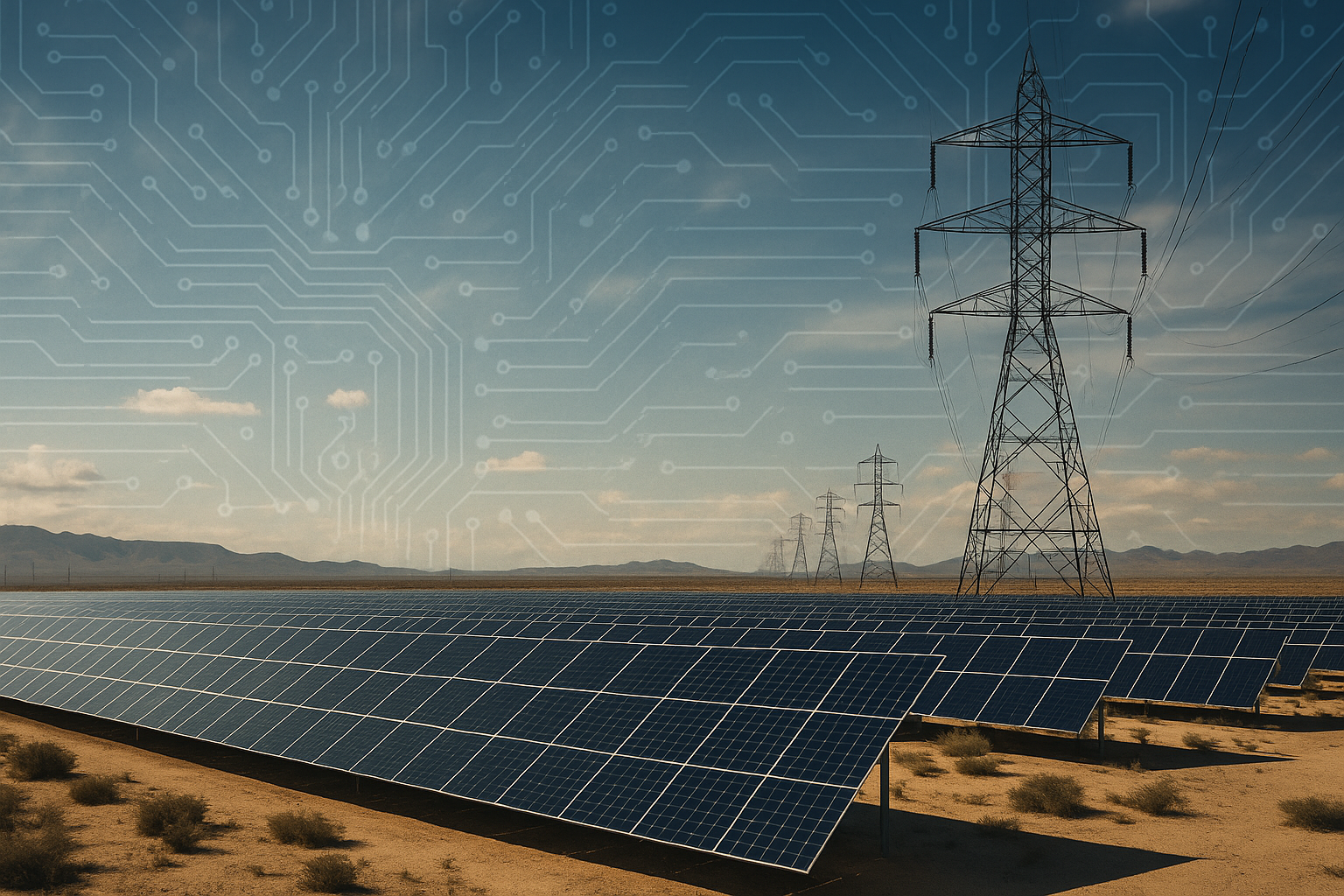
AI could be the key to protecting our solar-powered future — making grids smarter, safer, and resilient against blackouts and cyberattacks.
Elon Musk has been saying it for years and it’s something that solar power pioneers already know: the sun has enough energy to power all of our energy needs. The problem is limited not only by making sure that people get the technology to harvest the sun on solar panels, but in cities and urban centers one of the biggest issues is storage and what to do with a surplus of energy when the sun shines? Consumers and businesses, when they can, typically shoot back the energy to the grid where they earn money or credits for what they’ve contributed.
But electricity grids can’t always handle excessive or varying amounts of energy. It’s a complicated switchboard that can be overloaded during extreme heat waves when everyone turns on their air conditioners. Energy managers want to make the grids most efficient and mixed with the least carbon intensive energy sources, but how? And what about cyber attacks that can bring down an entire nation’s power like what happened in Spain and Portugal this year. A team of scientists say they can predict attacks and blackouts, making the grid more resilient –– and they are using AI.
Researchers at Sandia National Laboratories have developed brain-inspired AI algorithms that detect physical problems, cyberattacks and both at the same time within the grid. And this neural-network AI can run on inexpensive single-board computers or existing smart grid devices.
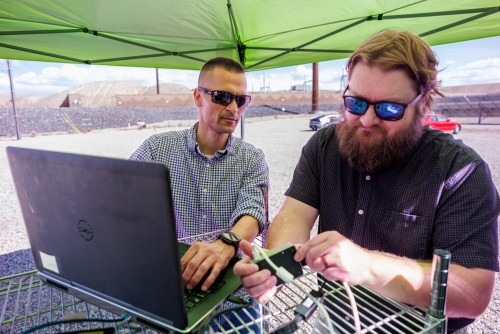
Sandia National Laboratories cybersecurity expert Adrian Chavez, left, and computer scientist Logan Blakely work to integrate a single-board computer with their neural-network AI into the Public Service Company of New Mexico’s test site. This code monitors the grid for cyberattacks and physical issues.
“As more disturbances occur, whether from extreme weather or from cyberattacks, the most important thing is that operators maintain the function and reliability of the grid,” said Shamina Hossain-McKenzie, a cybersecurity expert and leader of the project. “Our technology will allow the operators to detect any issues faster so that they can mitigate them faster with AI.”
The importance of cyber-physical protection
Solar energy installation in Californian desert
As the United States adds more smart controls and devices to the grid, it becomes more flexible and autonomous but also more vulnerable to cyberattacks and cyber-physical attacks. Cyber-physical attacks use communications networks or other cyber systems to disrupt or control a physical system such as the electric grid. Potentially vulnerable equipment includes smart inverters that turn the direct current produced by solar panels and wind turbines into the alternating current used by the grid, and network switches that provide secure communication for grid operators, said Adrian Chavez, a cybersecurity expert involved in the project.
Because the neural network can run on single-board computers, or existing smart grid devices, it can protect older equipment as well as the latest equipment that lack only cyber-physical coordination, Hossain-McKenzie said.
“To make the technology more accessible and feasible to deploy, we wanted to make sure our solution was scalable, portable and cost-efficient,” Chavez said.
The package of code works at the local, enclave and global levels. At the local level, the code monitors for abnormalities at the specific device where it is installed. At the enclave level, devices in the same network share data and alerts to provide the operator with better information on whether the issue is localized or happening in multiple places, Hossain-McKenzie said.
Several single-board computers with Sandia National Laboratories’ neural-network AI connected into the Public Service Company of New Mexico’s test site. The Sandia researchers are testing how well the code can detect cyberattacks and physical issues in the real world.
At the global level, only results and alerts are shared between systems owned by different operators. That way operators can get early alerts of cyberattacks or physical issues their neighbors are seeing but protect proprietary information.
The Sandia team collaborated with experts at Texas A&M University to create secure communication methods, particularly between grids owned by different companies, Hossain-McKenzie said.
The biggest challenge in detecting cyber-physical attacks, or if we go further to predicting major power outages from over-use, is combining the constant stream of physical data with intermittent packets of cyber data, said Logan Blakely, a computer science expert who led development of the AI components.
Physical data such as the frequency, voltage and current of the grid is reported 60 times a second, while cyber data such as other traffic on the network is more sporadic, Blakely said. The team used data fusion to extract the important signals in the two different kinds of data.
Then the team used an autoencoder neural network, which classifies the combined data to determine whether it fits with the pattern of normal behavior or if there are abnormalities with the cyber data, physical data or both, Hossain-McKenzie said. For example, an increase in network traffic could indicate a denial-of-service attack while a false-data-injection attack could include atypical physical and cyber data, Chavez said.
Unlike many other kinds of AI, autoencoder neural networks do not need to be trained on data labeled with every type of issue that may show up, Blakely said. Instead, the network only needs copious amounts of data from normal operations for training.
The use of an autoencoder neural network makes the package pretty much plug and play, Hossain-McKenzie added.
Once the team constructed the autoencoder neural network, they put it to the test in three different ways.
First, they tested the autoencoder in an emulation environment, which includes computer models of the communication-and-control system used to monitor the grid and a physics-based model of the grid itself, Hossain-McKenzie said. The team used this environment to model a variety of cyberattacks or physical disruptions, and to provide normal operational data for the AI to train on.
Then the team incorporated the autoencoder onto single-board computer prototypes that were tested in a hardware-in-the-loop environment, Hossain-McKenzie said. In hardware-in-the-loop testing, researchers connect a real piece of hardware to software that simulates various attack scenarios or disruptions. When the autoencoder is on a single-board computer, it can read the data and implement the algorithms faster than a virtual implementation of the autoencoder can in an emulation environment, Chavez said. Generally, hardware implementations are a hundred or thousand times faster than software implementations, he added.
The team is working with Sierra Nevada Corporation to test how Sandia’s autoencoder AI works on the company’s existing cybersecurity device called Binary Armor, Hossain-McKenzie said.
“This will give a really great proof-of-concept on how the technology can be flexibly implemented on an existing grid security ecosystem,” she said.
The team is testing both formats — single-board prototypes interfaced with the grid and the AI package on existing devices — in the real world at the Public Service Company of New Mexico’s Prosperity solar farm as part of a Cooperative Research and Development Agreement, Hossain-McKenzie said. These tests began last summer, Chavez said.
“There’s nothing like going to an actual field site,” Chavez said. “Having the ability to see realistic traffic is a really great way to get a ground-truth of how this technology performs in the real world.”
The team also worked with PNM early in the project, to learn what AI design might be most useful for grid operators. It was during conversations with PNM staff that the Sandia team identified the need to connect cyber-defenders with system operators rapidly and automatically.
Robert Redford, actor, director, and lifelong environmentalist, leaves behind a legacy of art in service of the Eart
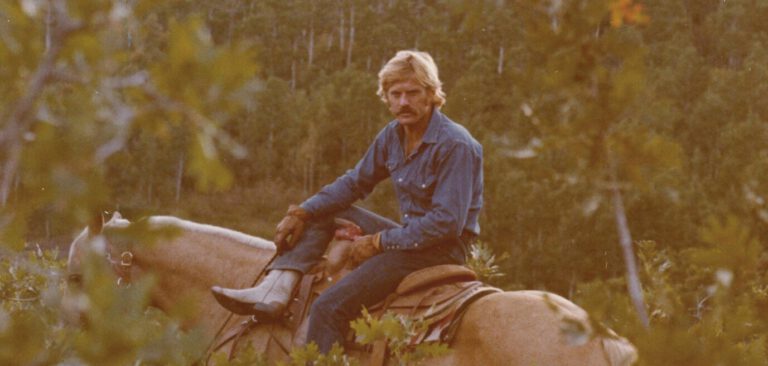
Robert Redford — Oscar-winning director, founder of the Sundance Institute, and one of America’s most loved actors and influential environmental advocates — died on September 16, 2025, at his home in Utah. He was 89. News of his death was confirmed by multiple outlets. Redford leveraged his worldwide fame to protect wild lands, accelerate climate action, and fund storytelling that moves people to care about the planet. In short, a true Green Prophet.
Below are five of his biggest environmental causes and achievements—each documented by reliable sources.
Longtime NRDC trustee and voice for climate action
Redford served for decades as a trustee of the Natural Resources Defense Council (NRDC), using that platform to press for clean energy, clean air, and conservation. He opened NRDC’s groundbreaking “green” headquarters in 2003 and addressed UN climate ministers in 2015, urging faster action. He received multiple conservation honors, including the Audubon Medal (1989). The film above was produced and screened for the UN event.
Co-founding The Redford Center to fund impact storytelling
In 2005, Redford and his son James co-founded The Redford Center, a nonprofit that produces and funds films and campaigns to drive environmental progress. The Center’s short “Robert Redford’s Environmental Legacy” premiered during the Paris COP21 events, highlighting his belief that art and nature together can change the world.
Protecting Utah’s public lands and sacred places (Bears Ears)
Redford was a fierce defender of the American West, partnering with Tribes and local communities to safeguard Bears Ears and other landscapes. He publicly urged federal leaders to designate and then protect Bears Ears National Monument.
Early, effective opposition to a Utah coal plant
In the 1970s to 80s, Redford helped lead opposition to a coal-fired power plant proposal near his Sundance home and in the Kaiparowits region. The fight became a defining early win for conservationists—so prominent that some locals burned him in effigy.
Elevating independent voices through Sundance
By founding the Sundance Institute and Festival (1981), Redford created the world’s most influential incubator for independent film—amplifying environmental narratives and careers that changed culture. His broader public service was recognized with the U.S. Presidential Medal of Freedom in 2016.
Across five decades, Redford fused art, advocacy, and institution-building: NRDC trustee and national climate voice; co-founder of an environmental media nonprofit; steadfast defender of public lands; an early, successful opponent of local coal development; and creator of Sundance, which gave countless environmental stories a stage. These contributions sit alongside his film achievements (Ordinary People, A River Runs Through It, All the President’s Men) and national honors. May more people be inspired by legends like Redford and may his family be comforted in this difficult time.
Scientists at the University of Chicago have found that zeaxanthin, a plant-derived carotenoid best known for keeping our eyes sharp, may also act as an immune-boosting compound that helps the body fight cancer. The new study, published in Cell Reports Medicine, shows that zeaxanthin strengthens cancer-fighting immune cells and may even improve the success of modern immunotherapies.
“We were surprised to find that zeaxanthin, already known for its role in eye health, has a completely new function in boosting anti-tumor immunity,” said Jing Chen, PhD, senior author of the study.
This discovery adds one more reason to eat your greens (and your oranges and reds too). Zeaxanthin is found in spinach, kale, and orange peppers—but the way we cook and combine these vegetables can make them even more delicious and bioavailable.
Foods Rich in Zeaxanthin
Orange peppers – one of the richest sources.
Kale and spinach – leafy greens with a high concentration.
Corn and egg yolks – also reliable sources.
When eaten regularly, these foods don’t just protect your eyes from age-related macular degeneration; they may now also help prime your immune system against cancer.
Recipe Ideas for Daily Protection
Muhammara (Red Pepper and Walnut Dip)
This classic Levantine dip uses roasted red peppers—packed with carotenoids like zeaxanthin—blended with walnuts, pomegranate molasses, and spices. It’s a vibrant, smoky spread you can enjoy with fresh bread or veggies.
If you love Turkish food and crave its flavors at home, you’ll soon find yourself stirring up the Turkish pantry staple, spicy red pepper paste. It’s a basic flavoring ingredient for many dishes in southern Turkish cuisine. There are no tomatoes in the paste; its deep red color comes from slow-cooking red bell peppers and chilies. The ingredients are simple, but the finished paste gives your food spicy complexity. Get the recipe here.
Zeaxanthin is already sold as an over-the-counter supplement, but getting it from food is safer and more enjoyable. Unlike synthetic pills, food provides a synergistic mix of vitamins, fibers, and bioactive compounds. As Chen explains, this discovery is still in the early stages, but it “opens a new field of nutritional immunology” where everyday food choices can directly influence the immune system. While clinical trials are still needed, the takeaway is simple: put more orange peppers, leafy greens, and corn on your plate.
Your eyes will thank you now, and your immune system may thank you later.
Most bacteria in soil cannot be cultured in the lab, and that has long been a barrier for science. Yet the soil beneath our feet is the world’s largest reservoir of microbial diversity, a hidden ecosystem that could hold cures for drug-resistant infections, insights into climate, and new tools for sustainable farming. This makes sense considering the “healing” feeling when you are out in nature, in the forest, feet in the soil.
A new study in Nature Biotechnology may change the way we access that treasure trove.
Researchers at Rockefeller University have developed a way to extract very large DNA fragments directly from soil, sidestepping the need to grow bacteria in petri dishes. From a single forest soil sample, the team generated hundreds of complete bacterial genomes never seen before, and identified two new antibiotic leads. This could lead to a quick amplification of new leads to powerful and life-saving antibiotics.
“We finally have the technology to see the microbial world that have been previously inaccessible to humans,” says Sean F. Brady, head of Rockefeller’s Laboratory of Genetically Encoded Small Molecules. “And we’re not just seeing this information; we’re already turning it into potentially useful antibiotics. This is just the tip of the spear.”
Soil samples
The method, which pairs soil DNA extraction with long-read nanopore sequencing, allows scientists to recover continuous stretches of DNA tens of thousands of base pairs long. “It’s easier to assemble a whole genome out of bigger pieces of DNA, rather than the millions of tiny snippets that were available before,” Brady adds. “And that makes a dramatic difference in your confidence in your results.”
Using their approach, the researchers discovered two promising molecules. One, erutacidin, disrupts bacterial membranes through a novel mechanism and is effective against resistant pathogens. The other, trigintamicin, acts on a rare target called ClpX, a protein-unfolding motor. Brady describes the overall strategy as simple but transformative: “Isolate big DNA, sequence it, and computationally convert it into something useful.”
Soil in the News: Why It Matters Now
Soil health is making headlines worldwide. A Guardian investigation in late August showed how regenerative farmers are looking at soil microbes under microscopes to improve yields without chemicals. In Israel, regenerative agriculture pilots are testing methods to restore soil biodiversity under real farm conditions. Meanwhile, mega-fires across the Mediterranean this summer highlighted how degraded soils struggle to retain water and recover from climate shocks.
Soil microbes are not just about crops. They underpin global carbon cycles, water retention, and climate stability. As this study shows, they may also be humanity’s best source of new medicines. If foresters like in Canada keep pouring chemicals like glyphosate weed killers on forests, how can we expect the soil to thrive?
For regenerative agriculture, the lesson is clear: as Woody Harrelson says preserving soil biodiversity preserves opportunity. Degraded soils lose microbial richness, shrinking both ecosystem function and the chance to discover new bioactive molecules. Practices like cover cropping, composting, and reduced tillage foster microbial life, keeping the “dark matter” of the soil alive and accessible.
“All over the world there’s this hidden ecosystem of microbes that could have dramatic effects on our lives,” Brady notes. The Rockefeller team’s discovery makes that invisible world visible — but keeping it healthy is a job for all of us.
‘As a long-term survivor, I care deeply about the HIV community, and I am thankful for the opportunity to participate and provide this Last Gift to my people.’ Tony Bennett (above, surrounded by his partner Blake and a cousin) was the first to take part in The Last Gift.
In the global effort to cure HIV, one of the biggest scientific barriers is locating the virus’s reservoirs — hidden sites in the body where HIV can lie dormant, invisible to antiretroviral therapy (ART). The Last Gift Study, conducted by UC San Diego and collaborators, offers a novel way forward. Terminally ill people living with HIV consent to rapid autopsies within hours of their death, allowing researchers to map in unprecedented detail where HIV hides.
The study has conducted 42 rapid autopsies so far. These autopsies allow scientists to sample various tissues soon after death, before decomposition obscures anatomical details or viral localization. Researchers have identified HIV reservoirs in jejunum, lymph nodes, the male genital tract, among other places.
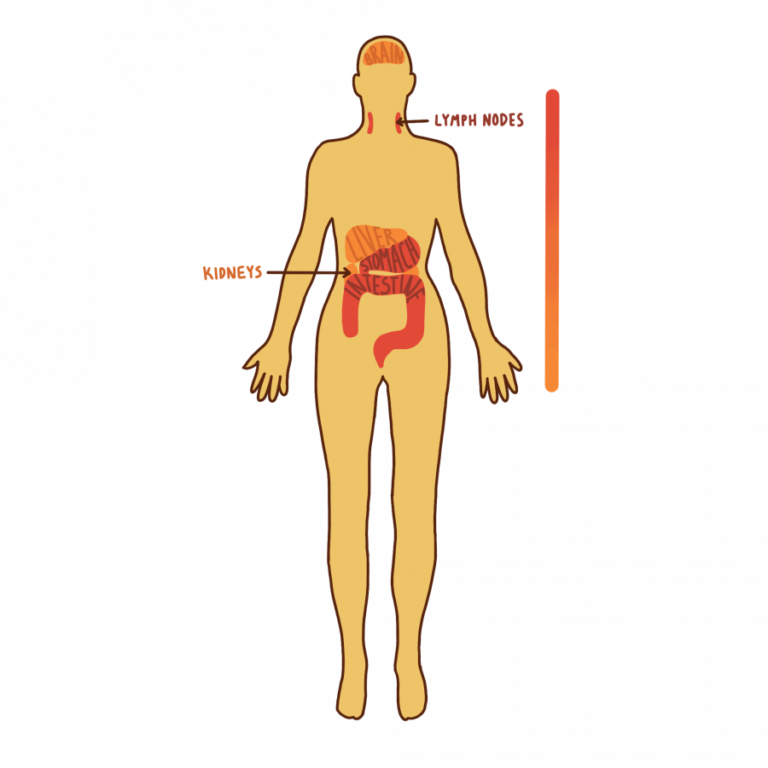
Heat diagram of the body organs with the relative abundances of HIV virions. Red compartments (stomach, intestines, lymph nodes) indicate higher levels of HIV, while orange compartments (liver, brain, and kidney) have less viral load.
Participants are usually on ART before death. The data allow comparison between what ART suppresses in the living and what is still detectable in tissues post-mortem.
Testimonies from participants show powerful motivations: altruism, leaving a legacy, belief in scientific progress. For example, in Positively Aware, a participant “My death will not be in vain. It will allow me to leave a positive legacy and inspire others to give back.” (positivelyaware.com)
So far, the study is offering insights that are otherwise nearly impossible — especially about HIV reservoirs in less accessible tissues (brain, gut, lymphoid tissue, genital tract). These insights are crucial for designing cure strategies that truly address latent virus, not just what’s visible in blood.
Ethical and Social Concerns
Despite its scientific promise, the Last Gift Study raises several ethical questions:
Consent around end of life: Are people who are terminally ill fully able to understand and consent to what donating their body will entail, especially the autopsy within hours after death? Critics argue that emotional state, pain, grief, or diminished capacity may interfere.
Translatability: Even if HIV reservoirs are mapped, will that lead to therapies that can reach them safely, or in all populations?
Community engagement and oversight: The study has a community advisory board, which helps ensure the voices of people with HIV are included. But vigilance is needed to maintain transparency.
Body donation is a sensitive topic. Public and media reports in recent years have exposed abuses and misuses in the world of body (cadaver) donation, which risk undermining trust. A few examples:
Reuters reported how Science Care, a U.S. company, earned over $27 million annually recruiting body donors “through hospices, clergy and online ads,” and then selling or distributing body parts for profit. For many donors or next of kin, the possibility that donated bodies are being used in profit-making operations is very disturbing.
When people hesitate to donate their body for science — whether because of religious beliefs, cultural taboos, fear of misuse, or simply distrust — studies like Last Gift may find it harder to enroll participants. This could slow or even stall progress in cure research.
Green Prophet Past Coverage & Related Concerns
Green Prophet has covered similar issues of medical ethics, public health, and trust in science. Some previous articles that readers may consult:
As the light gets lower and the days grow shorter, sunglasses become less of a summer fling and more of an everyday essential. When the world was more naive, entrepreneurs made sustainable shades out of wood. Now the The Avantguard—a woman-owned luxury eyewear brand founded by entrepreneur and philanthropist Faiza Seth—is betting that the accessory you reach for most should also be the one you feel best about. Its new Autumn/Winter Edit shows how eco-luxury can be more than a mood board: it can be a measurable design choice.
Materials with intent. Instead of relying on virgin, petroleum-based plastics, The Avantguard frames are crafted from biodegradable, recycled, and plant-based acetates. The goal: cut fossil inputs, keep the hand-feel and durability luxury frames demand, and design from the start for lower impact.
Every pair ships with UV400 lenses for full-spectrum UV defense and blue-light protection—a detail that traces back to Seth’s personal experience with early-stage cataracts and her desire to blend medical prudence with everyday elegance. Circular by design. Beyond the frames, the brand leans into plastic-free, recyclable, and reusable packaging and a partnership with AirRobe, which makes it easy to resell or rehome glasses for a second life. That’s a practical nudge toward longevity and waste reduction.
Luxury that lasts. The collection favors timeless silhouettes over trend churn—an underrated sustainability lever. As Seth puts it: “For me, it’s about buying better, buying less, and investing in products that stand the test of time.”
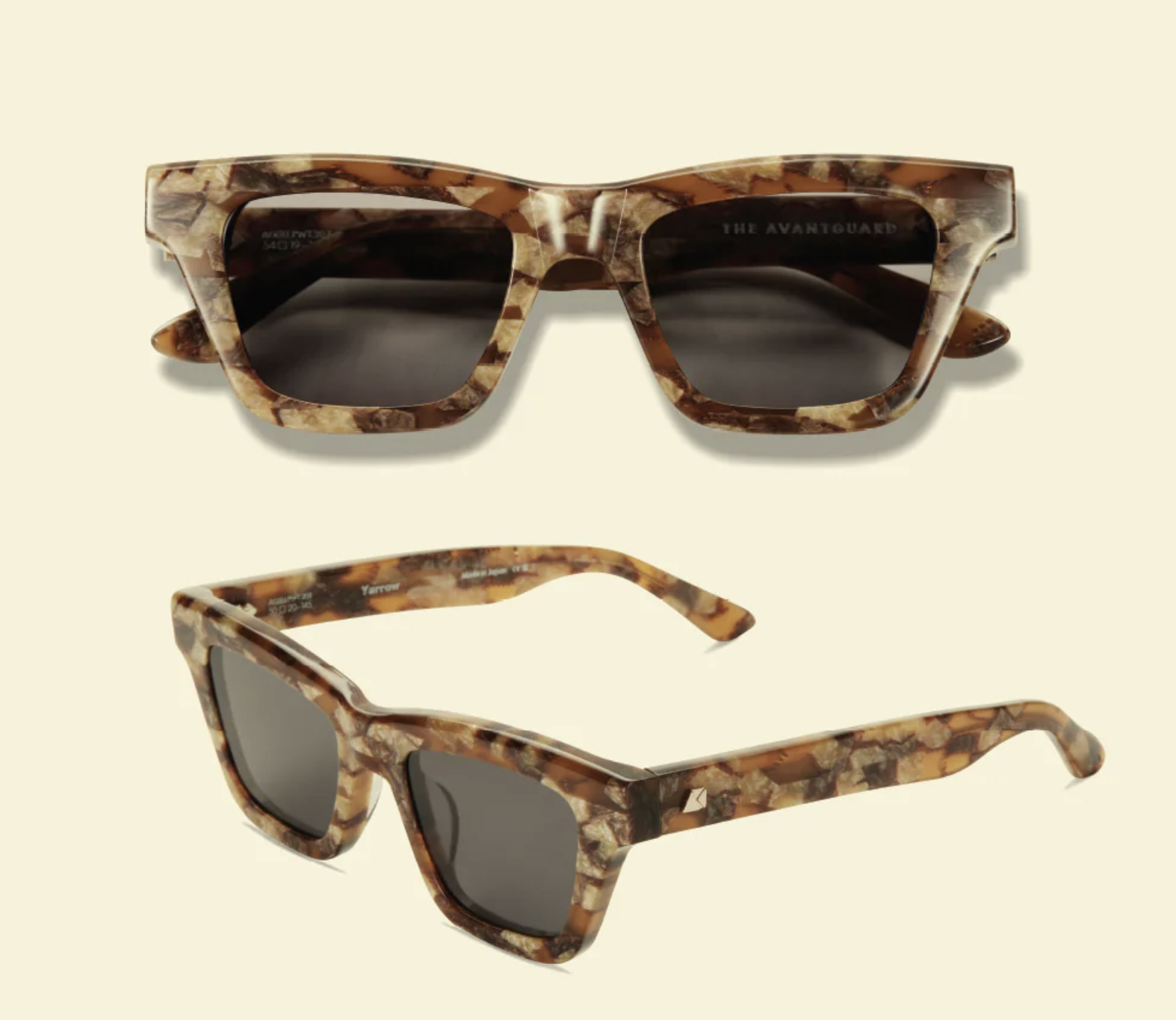
From rich tortoiseshells to smoky, translucent hues, the palette channels changing light, bark, loam, and sky—frames that feel at home on a forest walk or a weekday commute.
Why this qualifies as a sustainable idea (not just sustainable styling)
Yarrow glasses
Material substitution: shifting from conventional plastics to plant-based/biodegradable and recycled acetates reduces dependence on virgin petrochemistry. Use-phase health benefit: UV400 + blue-light filtering supports long, frequent wear—extending product life by making the functional case for sunglasses year-round. System thinking: circular pathways (resale/rehome) and low-waste packaging mean the sustainability story doesn’t stop at checkout. Durability and design for keeps: classic silhouettes curb the “buy-discard-repeat” loop that dominates accessories.
The Avantguard’s Autumn/Winter Edit doesn’t treat sustainability as a seasonal color; it treats it as a product requirement—materials, packaging, and circularity all pulling in the same direction. If eco-luxury is to mean anything in 2025, it should look a lot like this: fewer, better things that protect your eyes, respect the planet, and still feel beautiful in the hand.
Editor’s note: we will update readers after hands-on testing of a pair from the Autumn Edit.
“The inflation crisis was caused by massive overspending and escalating energy prices, and that is why today I will also declare a national energy emergency. We will drill, baby, drill. America will be a manufacturing nation once again, and we have something that no other manufacturing nation will ever have — the largest amount of oil and gas of any country on earth — and we are going to use it.”
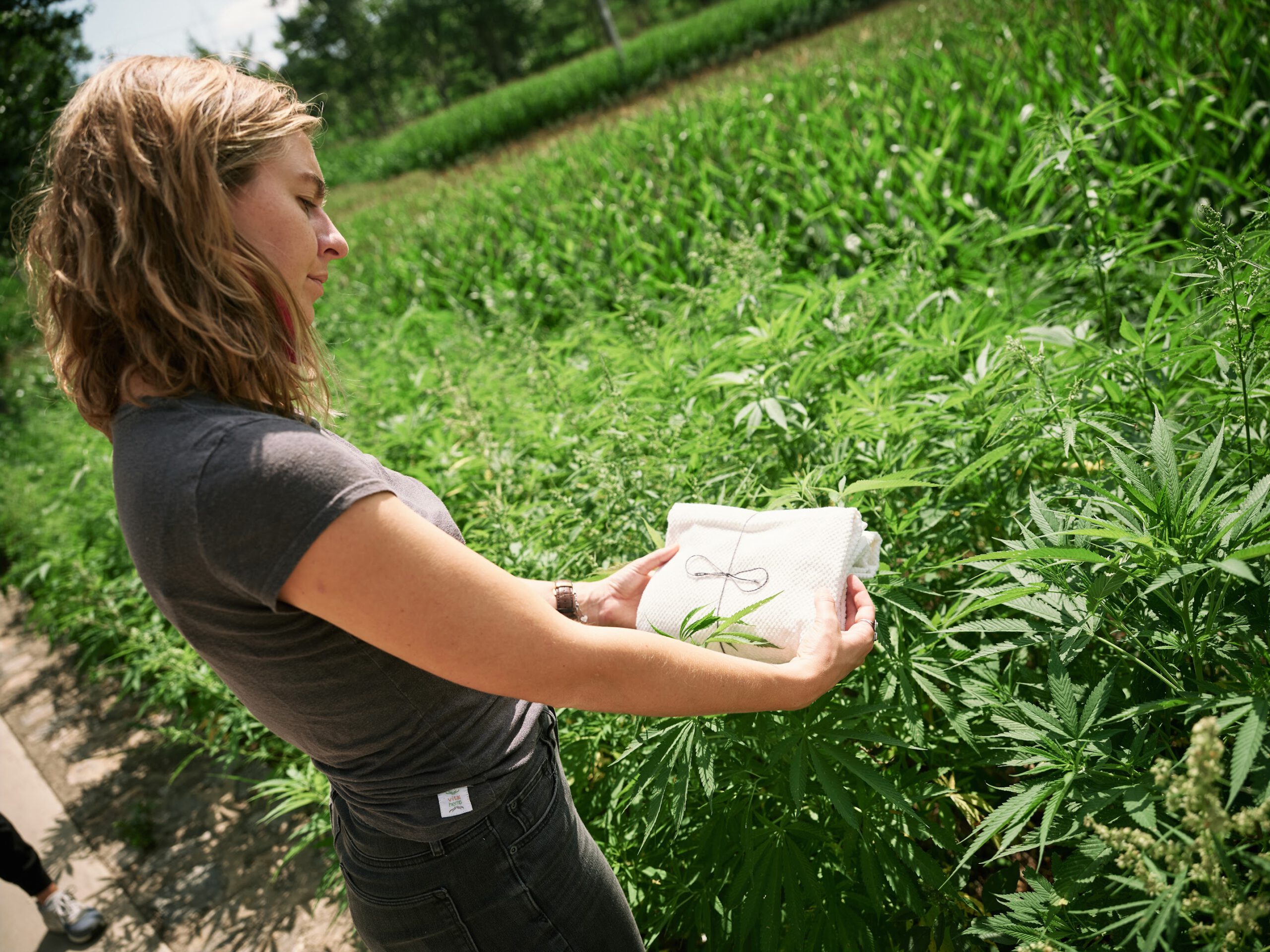
This excerpt from Donald Trump’s Inaugural Address on January 20, 2025, amplified the fire already lit in me to double down on my company’s commitment to hemp and the natural fiber industry. Anact, a premier producer of hemp and cotton towels, is putting the brakes on fossil fuels in the textile industry and is, instead, fueling the growth of renewable supply chains.
While human consumption of fossil fuels for expendable energy—whether in the form of oil and gas, natural gas, or coal—constitutes the largest category of fossil fuel products in the US, there is one category that often slips under the radar of public consciousness: the use of petroleum-derived synthetic fibers in textiles.
Reimagining the Textile Industry
Hemp towels
Despite this cognitive dissociation, there is no beating around the math (or hemp stalk) any longer. The textile industry is one of the biggest contributors to the climate crisis, and is largely driven by the petroleum industry, as synthetic petroleum-derived textiles are cheap to produce as a byproduct of fossil fuel extraction.The fossil fuel industry’s depletion and contamination of natural resources like water, and the increased incidents of climate-driven, supply chain-disrupting, catastrophic weather incidents has created a critical problem that we need to collectively address.
However, there is a positive path forward. Currently, the global hemp fiber market is experiencing remarkable expansion, expected to reach more than $30 billion in less than 10 years. The textile industry is the main driver of this market expansion, according to a recent global market research report, presenting consumers and businesses a viable sustainable alternative to petroleum-derived fiber.
From financial investors to climate activists, we need all hands on deck, while not letting perfection be the enemy of good. The textile industry is one in which 80 percent of textile workers are women and where the buying power is made up mostly of women. By redirecting the capital, energy, and conviction that is needed to usher in industries like hemp textiles, instead of bending over backwards for the oil industry, we have the opportunity to reduce harm and generate value, today and for future generations.
Hemp Offers A Solution: Decarbonizing the Textile Supply Chain
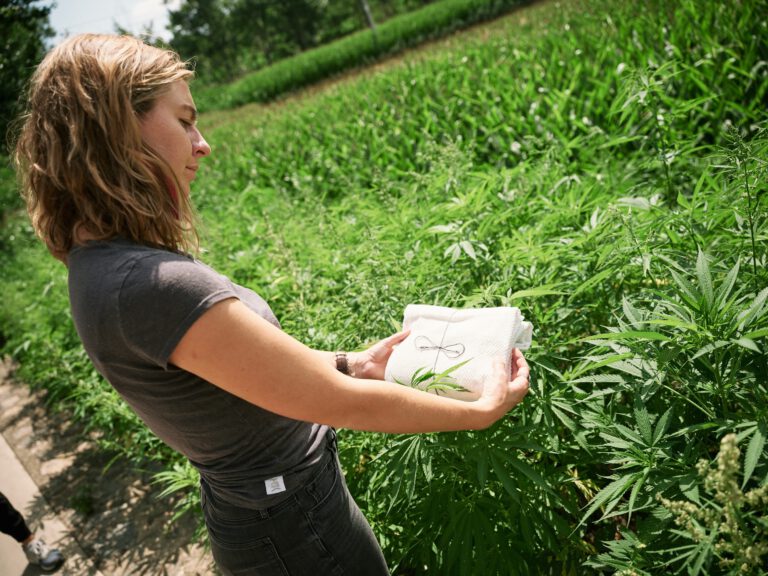
Hemp is an industrial fiber crop better compared to flax (grown for food and linen), that can grow up to ten feet tall and uses little water to cultivate. It was grown by the Romans, used by Henry Ford to create automobile prototypes, and was the textile fiber of choice for Betsy Ross to sew the American flag, to name just a few of hemp’s applications. At Anact, we love hemp because it’s incredibly durable, resists the growth of bacteria, and is very breathable. Hemp is also one of the fastest growing biomasses in the world: when you grow one acre of hemp compared to one acre of conventional cotton, you get two-to-three times the yield at a fraction of the cost, which saves money and resources while increasing profit margins.
Hemp was made illegal in 1937 in the US under the Marijuana Tax Act and re-legalized for commercial use in 2018 under the Farm Act. Hemp is more sustainable than popularized bamboo textiles because bamboo fiber requires a chemical solvent to turn it into a yarn, thereby making it synthetic.
Our focus on re-introducing hemp as a major economic contributor to the food, fiber, and fuel industries is not only because of its fantastic performance features and increased profit margins, but also because hemp sequesters carbon at rates similar to a young forest, but with a far shorter growth cycle. Hemp offers a solution rather than a compromise.
* Please note that I do think there is value in the recycled synthetic industry but due to the increasing temperatures and rising sea levels, the prioritization of investment in regenerative agriculture industries takes precedence at Anact.
By investing in alternative textile crops like hemp, we can have the following impact:
We have the opportunity at Anact, as a nimble and emerging brand, to set the standard for how things should be. This is the beauty of being a start-up in an industry that has great potential to impact sustainability with hemp and regenerative practices. We are creating an ecosystem that is value-added for farmers, employees, customers, banks, and more, which will only be made possible with capital investment and supportive policy.
Anact has successfully helped pass legislation to grow hemp in Florida, pitched the opportunity that hemp presents to various investment partners, and built a small but mighty group of angel investors, employees, customers, and advisors who believe in the vision and opportunity in front of us.
In addition to the harmful lessons we’ve learned from fossil fuels, Trump’s current tariff war is providing consumers a baseline education on supply chains and the global product manufacturing landscape. It’s spotlighting how underpriced many products have been for too long. It’s finally catching the attention of the investment communities, whose hyper-fixation on investing in AI and tech-based startups have prevented them from paying attention to other industries and solving real world problems like the textile industry, which is valued at $2 trillion and is a space ripe for disruption. As the Founder and CEO of Anact, I believe that there has never been a better time (especially for women) to lead and reimagine the textile industry. It’s our only option.
Brianna Kilcullen is the founder and CEO of Anact, a producer of sustainable towels made from hemp and organic cotton. Brianna is a symbol of how small choices can spark systemic change, and is a leading voice advocating for regenerative, localized manufacturing and the opportunity of hemp to revolutionize the textile supply chain. Her mission is to challenge the outdated systems of the industry and inspire others to act by creating products, policies, and partnerships that prioritize people and the planet. Prior to starting Anact, Brianna worked in the apparel industry for prAna, a subsidiary of Columbia Sportswear and Under Armour. She is a proud citizen in the US and Ireland, and has traveled to more than 40 countries, working in factories on almost every continent. Brianna has appeared on numerous podcasts and in online publications like Politico. Brianna has authored opinion pieces and writes her own blog.
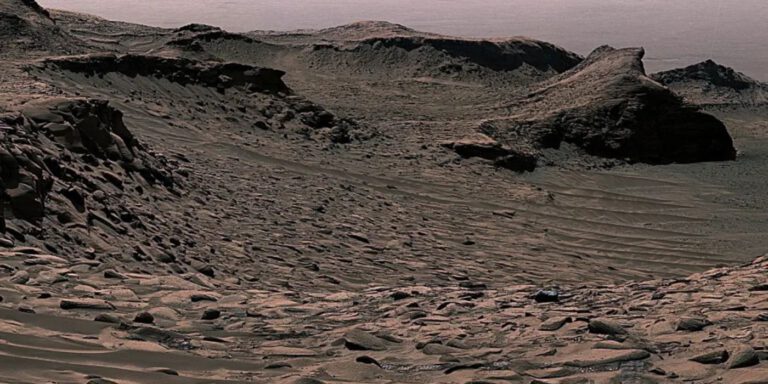
NASA’s Perseverance rover has spent three years exploring the floor of Jezero Crater, just north of the Martian equator, and the results are sparking new questions about life’s potential beyond Earth. A joint analysis by SETI Institute Senior Research Scientist Janice Bishop and University of Massachusetts Engineering Professor Mario Parente, published in Nature News & Views, reveals evidence of ancient chemical reactions that could have created energy-rich environments on early Mars.
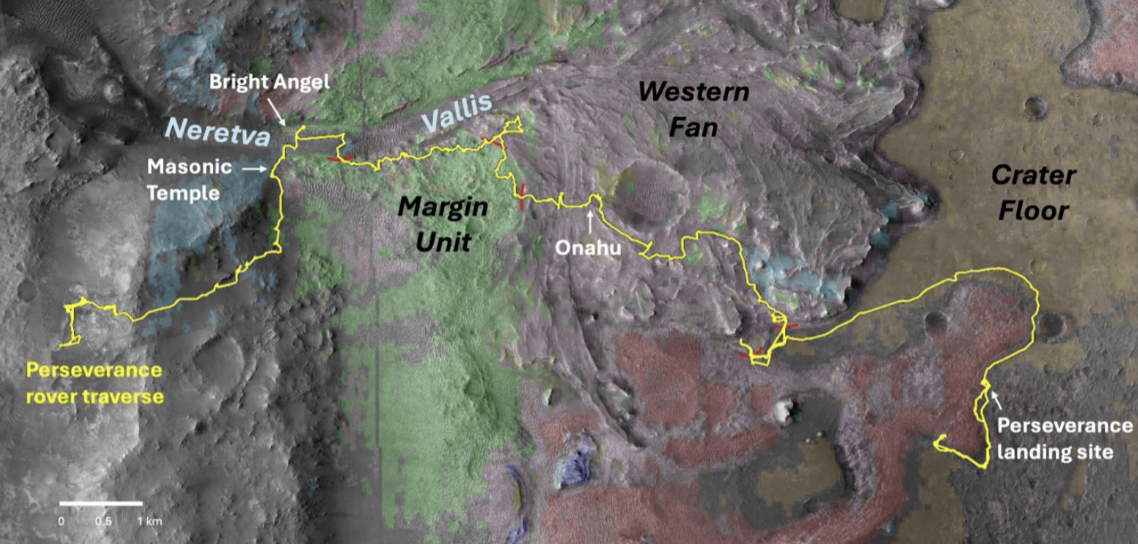
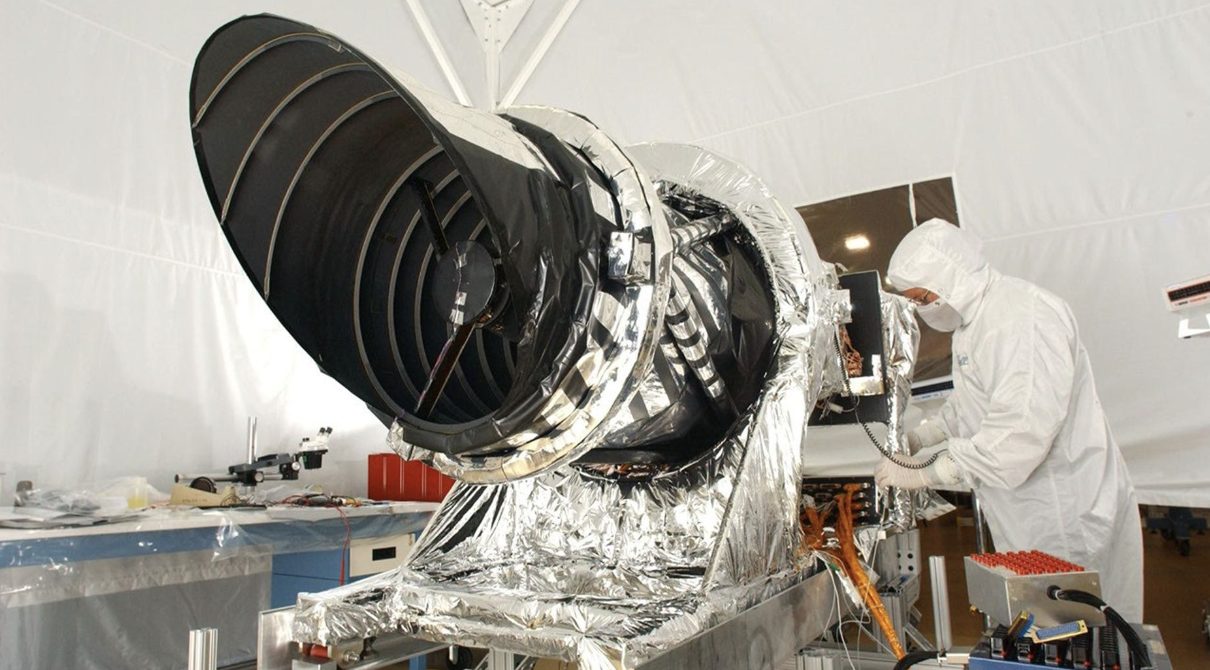
Using hyperspectral images from the CRISM spectrometer aboard the Mars Reconnaissance Orbiter, Bishop and Parente produced a high-resolution mineral map of Jezero Crater showing deposits of clays and carbonates — minerals that form in the presence of water. “Coordinating mineral detections from orbit at Mars with in situ detections by the Perseverance rover gives us a detailed look at ancient chemical reactions for a few small areas and a broader view across kilometers of the surface,” said Bishop.
Martian chemistry mapped by the Rover
Clues in the Minerals
On its traverse from the landing site toward the crater’s western delta, Perseverance confirmed the presence of smectite clays and carbonates first spotted from orbit. More surprisingly, at sites named Bright Angel and Masonic Temple, it discovered tiny green-toned nodules of iron phosphate and iron sulfide embedded in clay-rich mudstone. On Earth, phosphates are essential to life, and such minerals can form through interactions between water, minerals, and organic matter.
“My group observed redox reactions in lab experiments where ferrihydrite containing oxidized iron was heated with organic compounds, including amino acids, to produce the mineral magnetite containing reduced iron,” Bishop explained. These “redox reactions” — transfers of electrons between minerals — can create energy that, on Earth, some microorganisms exploit for survival.
Raman data from Perseverance’s SHERLOC instrument suggest that the reduced minerals in Jezero’s mudstones appear more abundant in areas with higher concentrations of organic compounds. While not proof of life, this link hints at chemical pathways that could have supported microbial metabolism billions of years ago.
Signs of Change Over Time
HiRise NASA telescope
The phosphate mineral vivianite, identified in the greenish nodules, was also found at a site called Onahu — but there it appears oxidized, or “rusted,” indicating environmental shifts in Mars’ history. Similar alternations in iron chemistry have been tied to changing habitability conditions on Earth.
Perseverance’s findings parallel discoveries in extreme environments here, such as Antarctic subglacial lakes, where microbes alter minerals in oxygen-poor water. “While there is no evidence for microbes on Mars today, if life once existed there, similar processes could have reduced sulfate minerals to sulfides in an ancient lake at Jezero crater,” Bishop said.
Parente’s work on CRISM data correction has removed distortions from Martian atmospheric effects and instrument quirks, allowing detection of subtle mineral “fingerprints” once lost in the noise. Using AI, his team created the most accurate mineral maps of Mars to date, pinpointing small outcrops and revealing mineral diversity that earlier surveys missed.
“By extracting the atmosphere’s imprint directly from the image itself, our technique yields cleaner surface spectra,” said Parente. “With CRISM data now clarified, subtle mineral features can be detected with greater confidence.”
Life, or Just Chemistry?
NASA has been growing potatoes in Mars-like conditions since the 80s using hydroponics. Plants also grow on international space stations. This new space suit could work in Peeponics, growing food from urine.
On Earth, similar mineral–organic interactions can be biological or abiotic. In Jezero Crater, the long geological timescales suggest the reduced vivianite and sulfides may have formed without biology — but organic compounds could still have driven the chemistry.
“Sulfur isotope analyses were used on Antarctic sediments to determine a biologic origin of the tiny sulfide crystals in anoxic water,” Bishop noted. Comparable tests on Mars samples, once returned to Earth, could help answer whether ancient Martian chemistry was purely geological — or something more.
The presence of clays, carbonates, phosphates, and organics together paints a picture of an ancient Mars where water was abundant and redox chemistry was active — two key ingredients for habitability. Whether this points to past life or not, the chemistry uncovered offers new insight into how planets evolve and how life might arise elsewhere.
Jenny Cawson, 36, and her husband Tariq Sinada, 49, from Devon, are among the people who died on a diving excursion in the Red Sea.
New investigative findings from German magazine stern and broadcaster RTL confirm what Green Prophet reported on last year: Egypt’s luxury liveaboard dive boat industry has systemic safety problems that put lives at risk. Their joint undercover investigation into the sinking of the Sea Story in November 2024 — a disaster that killed 11 people — reveals a chain of failures by the captain, operator, and authorities.
On November 25, 2024, the Sea Story capsized and sank in the Red Sea with 30 divers and 15 crew aboard. Among the dead were three Germans, two Britons, two Poles, one Slovak, and three Egyptians. Initial official statements blamed a “giant wave,” but stern and RTL’s review of Egyptian prosecutor files found that waves were only about two metres high — far from extreme conditions. One survivor we spoke with said the sea was not rough when the boast started listing and sinking.
Dive Pro Liveaboard has lost 2 boats this year. Sea Story tipped and sank a couple weeks ago. 11 tourists are dead, plus a number of crew.
According to the Hurghada public prosecutor, the vessel should never have left port. The captain lacked the required operating licence, and the company, Dive Pro Liveaboards, had no authorisation to run the ship on the high seas. People we spoke with said that the captain wasn’t driving the boat, it was the cook and he was stoned.
Despite this, military forces at the port reportedly approved the voyage. Investigators also documented serious structural stability deficiencies in the vessel’s design.
Michael Miles rescue from the Egyptian dive boat Sea Story
To investigate wider industry standards, stern and RTL sent undercover reporters onto 17 liveaboard vessels across three Egyptian ports. Their findings — confirmed by international marine safety experts — were damning:
All vessels had safety deficiencies; most were serious or very serious.
Life jackets were often unsuitable; life rafts were inadequate.
Many lower decks lacked proper bulkheads; some ships had missing or inaccessible emergency exits.
Navigation and communication equipment was missing on some boats.
Unsafe practices, such as smoking in the engine room while the diesel engine was running, were observed.
Marine engineer Mick Uberti of Maritime Survey International, who reviewed the findings, said these results match his company’s inspections over the past two years — all eight ships they examined in Egypt were “in poor condition.” The UK’s Marine Accident Investigation Branch (MAIB) has also concluded that many Red Sea dive safari ships are “poorly constructed.”
Pattern of Accidents
Interior cabin, Sea Story
Green Prophet has tracked a troubling pattern of incidents in the region. In our follow-up report on the rescue site, survivors described missing safety drills and inadequate emergency preparation. Other industry accidents — from dive boat fires to groundings — suggest the Sea Story tragedy is part of a wider safety crisis in Egypt.
In the past three years alone, more than half of the world’s liveaboard dive boats that have run aground, burned, or sunk were operating off Egypt’s Red Sea coast — one of the most popular destinations for European dive tourism.
Unanswered Questions
The stern and RTL investigation raises urgent questions for Egyptian regulators:
Why were licensing and vessel classification rules ignored?
What inspections — if any — did the Sea Story pass before departure?
Were official weather advisories ignored?
What mechanisms ensure safety compliance for operators?
Until these questions are answered and meaningful reforms are made, divers and tourists face unacceptable risks in Egyptian waters. Dive at your own risk.
The full stern and RTL documentary, “Death Trap Red Sea – Journey into Disaster”, will be available from September 11, 6:45 p.m. CET on stern.de and RTL+.
A new peer-reviewed study in Science connects long-term exposure to fine particulate matter (PM2.5) with higher risk of Lewy body dementia (LBD) in a dataset of 56.5 million US Medicare records, and backs it up with animal experiments that show PM2.5 triggers toxic α-synuclein clumps — the protein aggregates that define LBD.
Crucially, the study clarifies how pollution interacts with brain biology: only mice capable of producing α-synuclein developed dementia-like brain damage after PM2.5 exposure — a mechanistic clue echoed by a Johns Hopkins release and Columbia Mailman overview. As Nature reports, PM2.5 doesn’t necessarily cause LBD from scratch — it can accelerate the development in people already genetically predisposed, notes clinician-neuroscientist Hui Chen (University of Technology Sydney – Nature).
Why millennials should care
PM2.5 is small enough to reach the bloodstream and brain, with established risks for heart and lung disease — and growing evidence for cognitive harm and dementia. See U.S. EPA: PM Basics, EPA: Health Effects, WHO: Air Pollution & Health, and a Harvard meta-analysis on pollution-dementia links (Harvard T.H. Chan School). Policy matters, fast: cutting fossil pollution saves lives and money within years — co-benefits quantified in recent modeling for the US and globally.
Eco Action steps that actually help
Drive electric, support clean transit
Vlakfest on a train in Europe
Tailpipe emissions are a prime PM2.5 source; electrifying cars, buses, and freight slashes exposure. EPA and NIH summarize health benefits; U.S. rules are tightening PM standards. From the region: EV adoption and smarter policy can reduce urban smog and climate pollution.
Time in nature is linked with lower stress and improved cognition; experimental work shows 90-minute nature walks reduce rumination and dampen maladaptive neural activity.
Green Prophet has been tracking microplastics and brain health — with reports of dramatically higher microplastic loads in dementia-diagnosed brains. 5× more microplastics in dementia brains; Microplastics in the brain. These findings complement air-pollution research and reinforce a simple takeaway: cleaner air, cleaner materials, healthier brains.