Ursula’s EU at Climate Week with big speeches, quiet rollbacks—and a whiff of climate capture

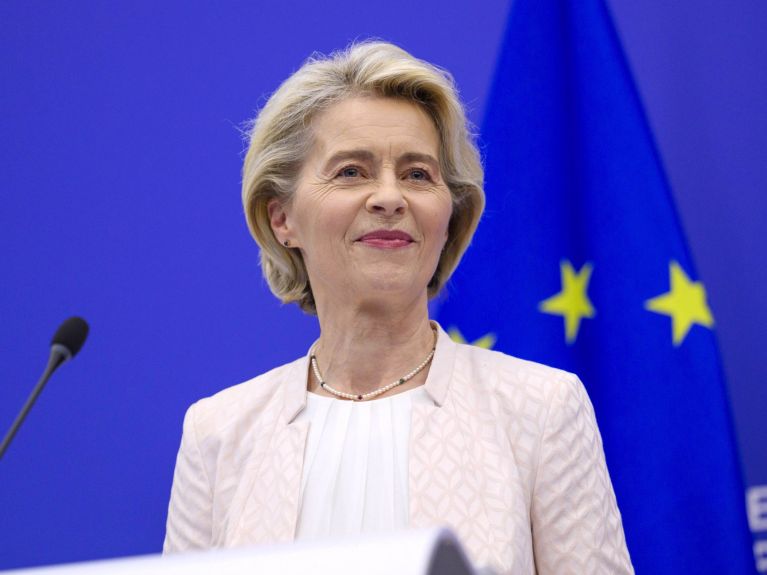
President of EU Commission Ursula von der Leyen

Al Gore warned in An Inconvenient Truth: “We are witnessing a collision between our civilization and the Earth.” In Brussels, President Ursula von der Leyen often echoes that urgency. But behind the podium, a series of fresh EU moves points the other way—toward loosening rules, delaying targets, and giving industry more “breathing space.” It’s the kind of slow-turn that watchdogs call corporate or climate capture.

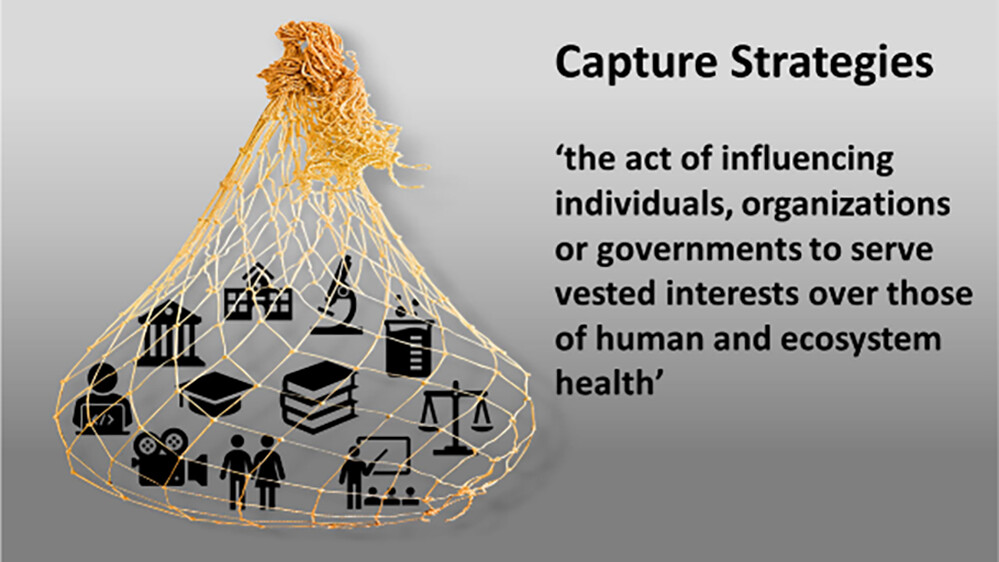
A new peer-reviewed paper in Environmental Science & Technology Letters synthesizes decades of evidence on how powerful sectors shape the institutions meant to regulate them. The authors—led by Prof. Alex Ford—warn that such influence will obstruct progress on the UN’s “triple planetary crisis” of climate change, biodiversity loss, and chemical pollution. Their description of subtle, systemic steering reads like a checklist for Europe’s latest policy pivots.

In June, the Commission hit the brakes on the flagship anti-greenwashing law—the Green Claims Directive—saying the file had become too burdensome for small firms and signaling it could be shelved. That pause/withdrawal would weaken proof requirements for “carbon-neutral,” “biodegradable,” and similar claims—an own goal for consumer trust.

Through the summer, the executive also opened the door to further “simplifications” of environmental law after waves of industry criticism—reducing the scope of corporate sustainability reporting and easing due-diligence expectations in supply chains, while entertaining calls to soften other green files. The EU Ombudsman is reviewing whether these weakenings advanced without adequate public input.

Member states, for their part, are pressing to dilute or delay other pillars. A majority have pushed for more changes to the EU’s anti-deforestation law before its rollout, arguing producers can’t meet requirements—despite the law being a world-first attempt to curb imported forest loss. And as the New York Climate Week conversations ramp up, the bloc is struggling to agree the 2040 climate target—diplomats say a deal has slipped, risking credibility just as the world compares notes on ambition. Another failing of a mammoth EU organization not able to stand for anything in unity?

None of this proves intent to stall climate action. But the pattern—weakening consumer protections against greenwashing, trimming corporate accountability, softening land-use safeguards, and hesitating on the next-decade target—mirrors the “tactics of delay” described in the capture literature. As the new study notes, influence is often quiet and procedural, not headline-grabbing.

Climate Week exists to turn targets into timelines and timelines into budgets. If the EU wants to model leadership, the path is straightforward: restore a strong Green Claims law with independent verification; close loopholes in supply-chain due diligence instead of widening them; protect the integrity of the anti-deforestation regime; and lock in a science-based 2040 goal that keeps 1.5°C within reach.

Read More

LEAVE A REPLY

Please enter your comment!
Please enter your name here

TRENDING

5 projects to help kickstart your company’s sustainability journey 

True progress happens when environmental ambition meets action. Decarbonizing efficiently is possible for any business in any sector, but actually getting started can sometimes feel daunting.   The trick? It’s to start small and build momentum. Here are five potential projects to help you get started.  

Hormuz 2026 Conflict Poses an Energy and Food Security Dilemma in a Warming World

As tensions rise in one of the world’s most critical maritime chokepoints, the ripple effects go far beyond oil—touching food systems, climate pressures, and regional stability

Climate change traced in sea turtle shells

It's sea turtles which may in the end save islands in the Seychelles. They may also better help us understand climate change. Like rings on a tree, scientists have found a way to read sea turtle shells and how they are impacted by climate change tells a story. 

We’ve lived through the past 11 of the hottest years on record

Have we forgotten about global warming when the world...

EU startup aiming to generate energy on moon villages

Stepping up to democratize the moon is an EU-funded company, Deep Space Energy, which has just raised more than $1 million USD as a seed fund to help it create energy generators on the moon.

How to quiet noise from construction in your office

Streets need to be resurfaced in New York but the humming and grinding noise is unsettling. Noise is environmental pollution. 

EarthX and a blueprint for sustainable investing

Trammell S. Crow, a Dallas-based businessman and father of four, is focusing his efforts on impact investing, and media that focuses on saving the planet through EarthX.

Mining Afghanistan’s Mineral Discoveries Similar to Avatar

Now that American forces in Afghanistan are commemorating the longest period of any war that America has been involved in, including the 1965-73 Vietnam War, the recent discoveries of large and extremely valuable mineral and metal deposits may finally bring to light a reason to continue the presence of US fighting forces in this war torn and backward country.

From Pilot Plant to Global Stage: How Aduro Clean Technologies’ 2026 Expansion Signals a Turning Point for Chemical Recycling Investors Like Yazan Al Homsi

The company's Next Generation Process (NGP) Pilot Plant in London, Ontario, has officially moved into initial operating campaigns, generating the kind of structured, repeatable data that separates laboratory promise from commercial viability.

Nobul’s Regan McGee on Shareholder Value: “Complacency Is the Silent Killer” 

Why the governance framework designed to protect shareholders so...

Should You Invest in the Private Market?

startustartup Unlike public stock exchanges, which offer daily trading, strict...

How to build a 100-year-company

Kongō Gumi is a Japanese construction company, purportedly founded in 578 A.D., making it the world's oldest documented company. What can we learn about building sustainable businesses from them?

How AI Helps SaaS Companies Reduce Repetitive Customer Support Work

SaaS products are designed for large numbers of users with different levels of experience, and also in renewable energy.

Popular Categories