Extreme Heat Is Testing Israel’s Energy System

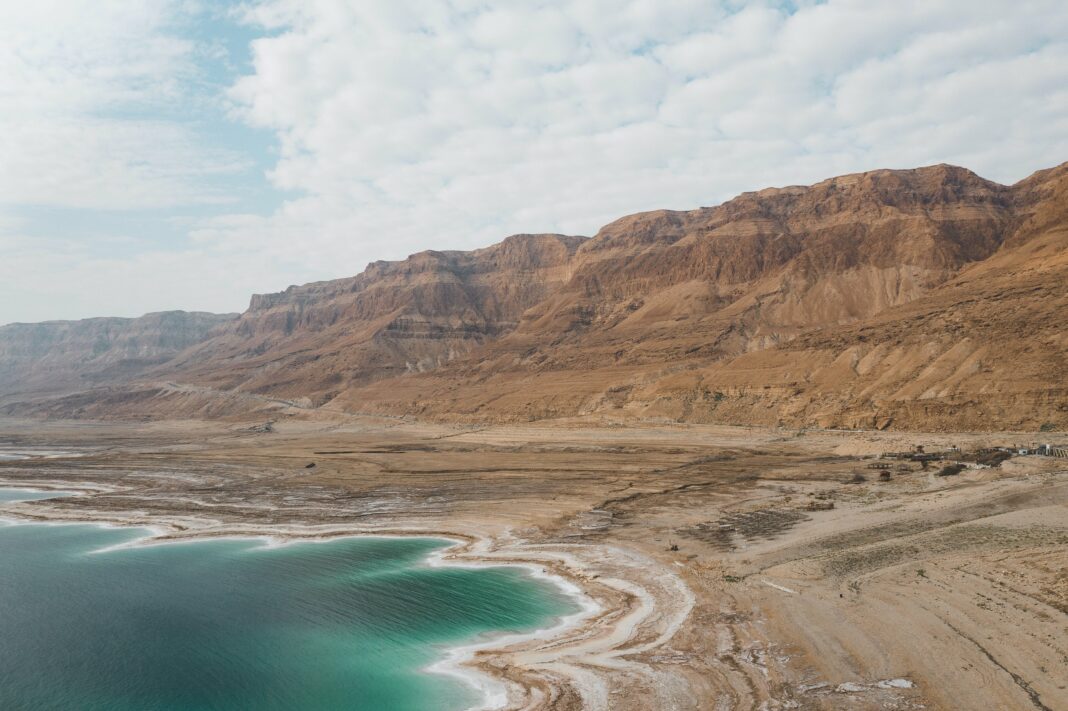
Solar power plant in the Negev

This August, Israel is facing one of the most punishing heat waves in recent history-exactly the kind of event that climate scientists have warned will grow more intense and common in the Middle East. Forecasters predict that temperatures will rise to 8-10 degrees Celsius, above early-August averages. In Jerusalem, the temperature will surge from a pleasant 29°C to a blistering 40°C. Additionally, the Jordan Valley will have temperatures as high as 50°C. The heat is expected to last around a week.


Israel’s public health system, water infrastructure, and power grid operators the heat is a high-pressure test. Demand for all of the aforementioned services soars during times of high heat. Israel will be tested to see if their energy, water, health, and other essential services can keep up with the high temperatures and the demand that comes from it. 


The Middle East has proven to be at the epicenter of global warming and climate change. It warms much faster than the global average. The increase in multi-day heat events proves this fact. Israeli authorities have sent out messages this week urging stronger precautions. Hydration, staying inside, and providing extra care for vulnerable groups are just some of the ways to help against this major public-safety hazard
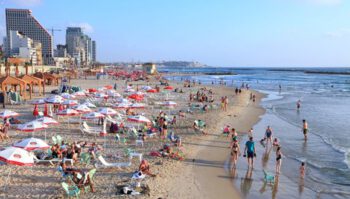
Israelis enjoying the beaches of Tel-Aviv

The heat also compounds other environmental pressures. In Eastern Israel, near the Dead Sea and Jordan valley, high temperatures drive water demand. 


One silver lining, which is also one of the causes of the heat wave, is that Israel has an abundance of strong sunlight. Solar farms and rooftop panels help provide the power grid with low-cost electricity and energy. The government and people of Israel have bought into the solar energy wave. According to the Energy Ministry, approximately 15% of electricity in Israel is solar, and the target is to get to 30% by 2030. 

See Related Article: Yosef Abramowitz: The Israeli Bringing the Sun to the World’s Darkest Places

While solar energy helps provide an abundance of energy, especially during a heat wave, energy demand grows in the evening as the sun sets. Energy storage is the solution. Private companies, homes, and the government have invested in storage. Increased storage leads to increased energy reserves, which allows the grid to handle more stress, for example, more air conditioning units being turned on during a heat wave.


When a heat wave hits, it exposes weak links across a country’s whole system. Traditional energy infrastructure does not function to its best capabilities under the stress of extreme heat. That is why Israel has invested more in solar energy. However, with this increase comes more storage, panels, and other energy-related projects. These new developments are not only more cost-effective in the long term, but they can also be potentially life-saving during emergencies. 


With high heat periods comes an increase in water demand. However, at the same time, reservoirs and water sources are put under stress due to increased evaporation. In a time of consistent global warming and existing water pressures, a heat wave is an added emergency for water. 

See Related Article: Sea of Galilee still critical water levels, despite winter rain

The ecosystem is also affected. Specifically, the marine ecosystem of Israel. In Eilat, the corals are known to be resistant. Even the resilience of the coral cannot help during a time of heat waves. This affects marine life and, therefore, humans who use the ocean as a natural resource. 


Israel’s upcoming heat wave is an example of why countries need increased climate readiness. With more storage and increased use of solar power, Israel is more prepared to face this extreme weather. 

Max Izaks
Max Izaks
Max Izaks is an environmental studies student at the University of Colorado Boulder. His academic work focuses on climate policy, environmental justice, and urban sustainability, with a particular interest in the intersection of environmental policy, justice, and law. Max has participated in educational and cultural programs abroad, including a specialized educational trip to Israel, where he broadened his professional experience. Max brings a global perspective and a commitment to finding and communicating environmental challenges and solutions. Reach out directly to [email protected]

Read More

TRENDING

Hormuz 2026 Conflict Poses an Energy and Food Security Dilemma in a Warming World

As tensions rise in one of the world’s most critical maritime chokepoints, the ripple effects go far beyond oil—touching food systems, climate pressures, and regional stability

Climate change traced in sea turtle shells

It's sea turtles which may in the end save islands in the Seychelles. They may also better help us understand climate change. Like rings on a tree, scientists have found a way to read sea turtle shells and how they are impacted by climate change tells a story. 

We’ve lived through the past 11 of the hottest years on record

Have we forgotten about global warming when the world...

Eco organization offices destroyed by Iran missile

Tel Aviv's eco organization, the Heschel Center, was impacted by an Iranian missile.

What are AWG air-water generators, and why they aren’t a golden-bullet solution (yet)

Atmospheric water generators (AWGs) sound like magic: machines that can pull drinking water out of air. The idea is mentioned in the Bible, where the elders would pray for water collected as dew on plants and the catch on turning this into a machine is in the physics. To turn invisible vapor into liquid, you must remove heat, especially the latent heat of condensation.

EarthX and a blueprint for sustainable investing

Trammell S. Crow, a Dallas-based businessman and father of four, is focusing his efforts on impact investing, and media that focuses on saving the planet through EarthX.

Mining Afghanistan’s Mineral Discoveries Similar to Avatar

Now that American forces in Afghanistan are commemorating the longest period of any war that America has been involved in, including the 1965-73 Vietnam War, the recent discoveries of large and extremely valuable mineral and metal deposits may finally bring to light a reason to continue the presence of US fighting forces in this war torn and backward country.

From Pilot Plant to Global Stage: How Aduro Clean Technologies’ 2026 Expansion Signals a Turning Point for Chemical Recycling Investors Like Yazan Al Homsi

The company's Next Generation Process (NGP) Pilot Plant in London, Ontario, has officially moved into initial operating campaigns, generating the kind of structured, repeatable data that separates laboratory promise from commercial viability.

Nobul’s Regan McGee on Shareholder Value: “Complacency Is the Silent Killer” 

Why the governance framework designed to protect shareholders so...

Should You Invest in the Private Market?

startustartup Unlike public stock exchanges, which offer daily trading, strict...

How to build a 100-year-company

Kongō Gumi is a Japanese construction company, purportedly founded in 578 A.D., making it the world's oldest documented company. What can we learn about building sustainable businesses from them?

How AI Helps SaaS Companies Reduce Repetitive Customer Support Work

SaaS products are designed for large numbers of users with different levels of experience, and also in renewable energy.

Pulling Water from the Air

Faced with water shortage in Amman, Laurie digs up...

Popular Categories