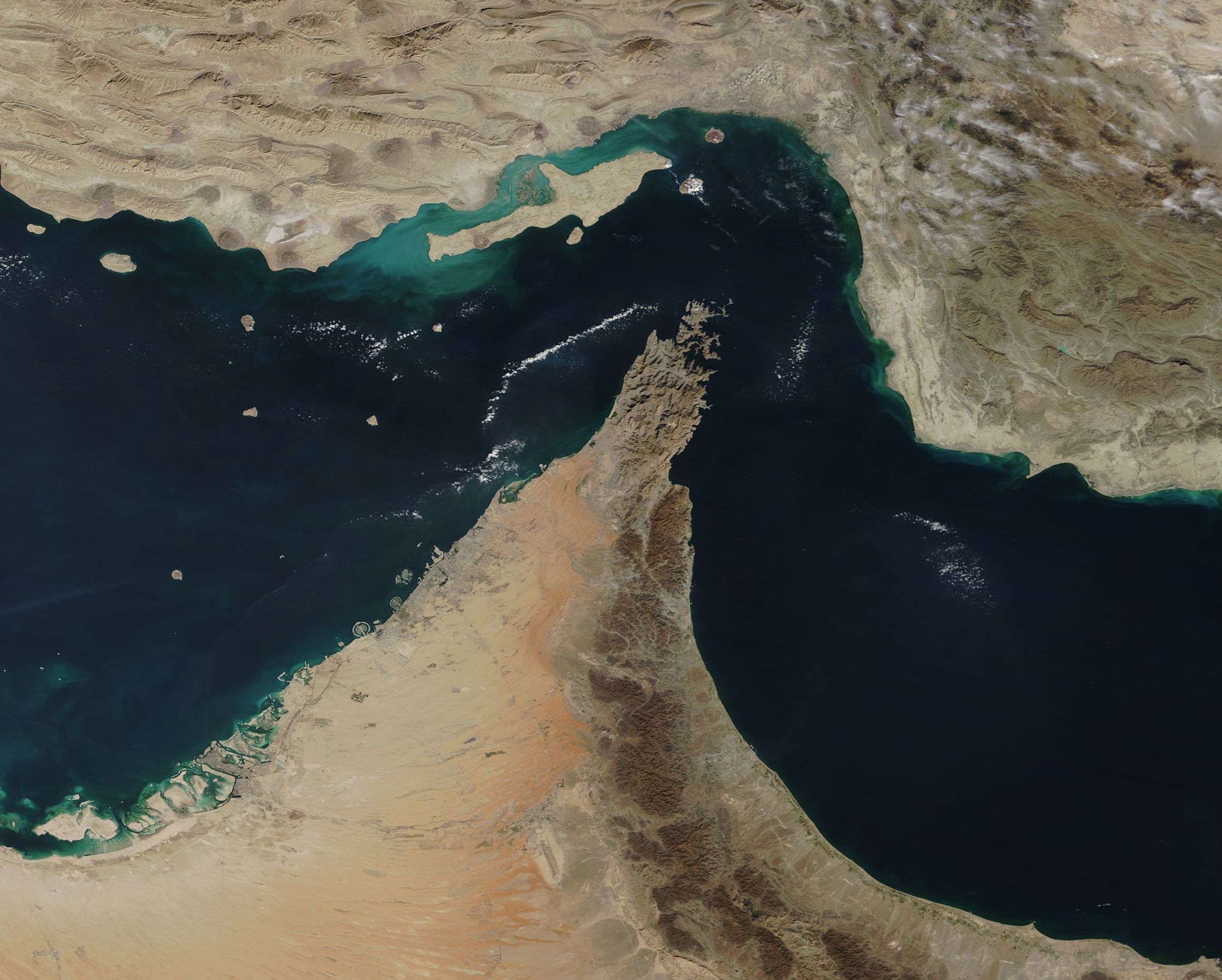
The recent rise in Abu Dhabi-listed energy stocks reflects growing investor confidence in the UAE’s increased strategic flexibility following its exit from OPEC, according to Sam North, Market Analyst at eToro. Iran has blocked oil exports so the UAE has gone around the OPEC block to make a clean exit and ship oil via its own pipeline.
Despite a month or so of missiles and expats fleeing Dubai and Abu Dhabi, confidence in the Emiratis is back. North explained that markets are not pricing in an immediate surge in oil production, but rather a longer-term shift in optionality. “The move is being interpreted as a structural change that allows the UAE to monetise its expanded production capacity more efficiently,” he said. “This creates a clearer growth narrative across upstream activity, drilling, infrastructure, gas processing and dividend potential.”
He cautioned that higher output is not guaranteed in the near term. “Production cannot simply ramp up overnight. Logistics, regional security risks and the broader oil price reaction remain critical constraints. If additional supply materially lowers crude prices, it could offset gains from higher volumes,” he added.
While the UAE’s departure raises questions about OPEC’s long-term cohesion, eToro noted, markets are not yet pricing in a full breakdown of the cartel’s pricing power. Instead, North noted a gradual shift. “This is more than a short-term disruption, but it is not the end of OPEC. The real risk is fragmentation over time if members prioritise individual revenue over collective discipline.”
Investors are increasingly monitoring key indicators to assess whether market control is shifting. These include compliance levels among remaining OPEC+ members, rising supply from non-OPEC producers such as the US, Brazil and Guyana, as well as inventory builds and oil futures pricing trends.
“OPEC’s influence is ultimately measured by whether its decisions continue to move physical barrels and prices, not by official statements,” North said.
Despite expectations of increased supply, oil prices remain supported by geopolitical tensions, particularly around the Strait of Hormuz. Brent crude trading near elevated levels reflects this balance between supply expectations and risk premiums.
“The UAE’s potential output acts more as a stabilising force preventing extreme price spikes, rather than driving a sustained sell-off,” North noted. “Around a quarter of global seaborne oil passes through Hormuz, so any disruption continues to embed a premium in prices.”
Energy equities are responding unevenly to the evolving landscape. Companies with direct exposure to UAE production growth and infrastructure are benefiting from increased activity expectations, while global oil majors face a more mixed outlook.
“Higher volumes support services and investment, but a weaker OPEC framework could lower long-term price floors,” North said. “Investors are rewarding firms tied to UAE expansion while becoming more selective toward producers reliant on high crude prices.”
Lower oil prices, if sustained, could provide support to global equity markets, particularly in oil-importing economies such as India. Cheaper crude typically improves trade balances, reduces inflationary pressure and supports consumer demand.
At a macro level, increased supply could help ease global inflation, though central bank responses will remain cautious. “Lower energy costs are disinflationary, but policymakers will look for sustained trends and broader indicators such as wages and core inflation before adjusting rates,” North said.