

An American startup wants to use giant mirrors in space to illuminate Earth after dark. Its latest demonstration near Mount Whitney has raised questions about wildlife, light pollution and who gets to control the night.
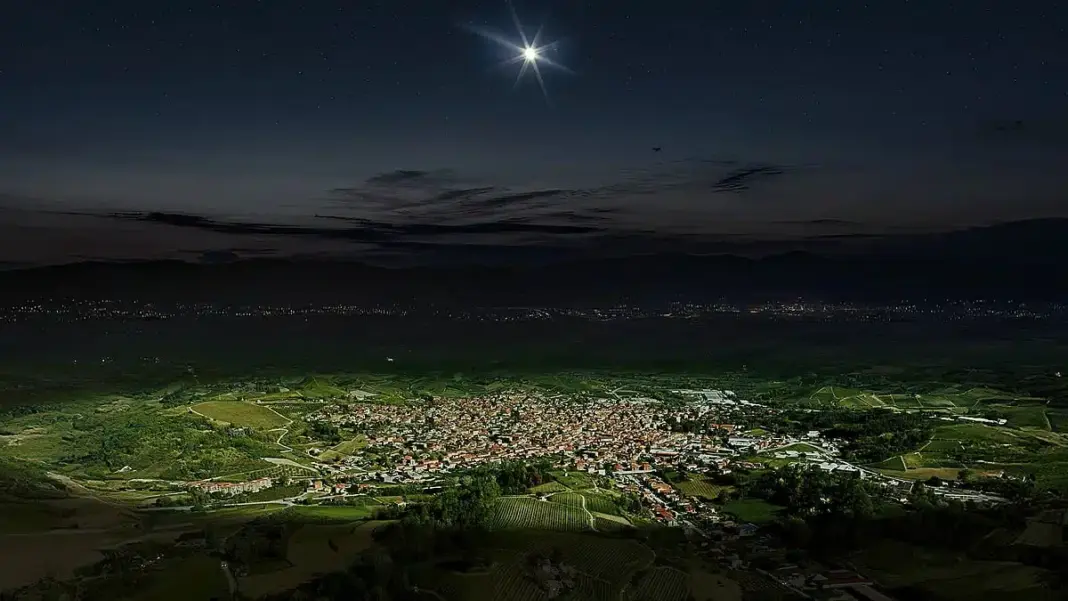
Residents near Lone Pine, California, were startled earlier this month when powerful beams of light appeared to shine down from the mountains near Mount Whitney, illuminating the desert landscape below. We’ve seen light being reflected to Italian villages in the shadow of mountains but this is something entirely new.
The mysterious lights were part of a demonstration by Reflect Orbital, an American startup developing technology to reflect sunlight from space back onto Earth at night. For the test, conducted in October 2026, the company positioned powerful, generator-operated spotlights along Horseshoe Meadows Road in California’s Sierra Nevada mountains.
The lights were directed toward the desert below to simulate the illumination that Reflect Orbital hopes to deliver using enormous mirrors mounted on satellites. The demonstration was conducted with mountain search-and-rescue teams to explore whether artificial illumination could help emergency responders find missing people and conduct operations in darkness.
But the project is attracting criticism from astronomers and environmental organizations concerned that humanity may soon be able to interfere with one of nature’s most fundamental cycles: the transition between day and night. Don’t we have enough light pollution with city lights and Starlink’s strgins of satellites?
What is Reflect Orbital?
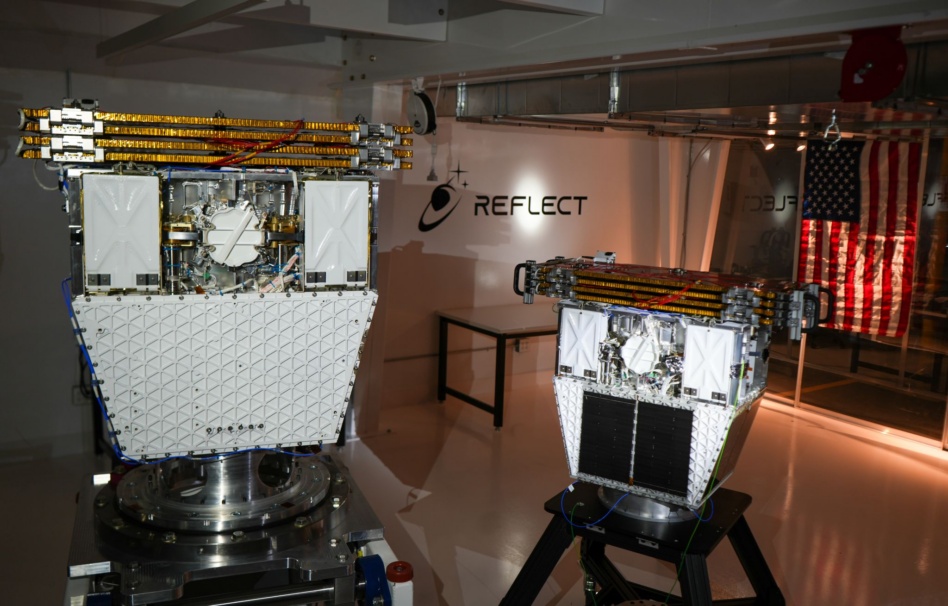
Reflect Orbital is a California-based technology company developing what it describes as sunlight on demand. Its proposed system would use satellites equipped with large reflective surfaces to redirect sunlight toward selected locations on Earth after sunset.
The company envisions applications ranging from nighttime construction and emergency rescue operations to agriculture and renewable energy generation. One of its more ambitious proposals involves extending the operating hours of solar farms by directing sunlight toward photovoltaic panels after dark. Now this is interesting!
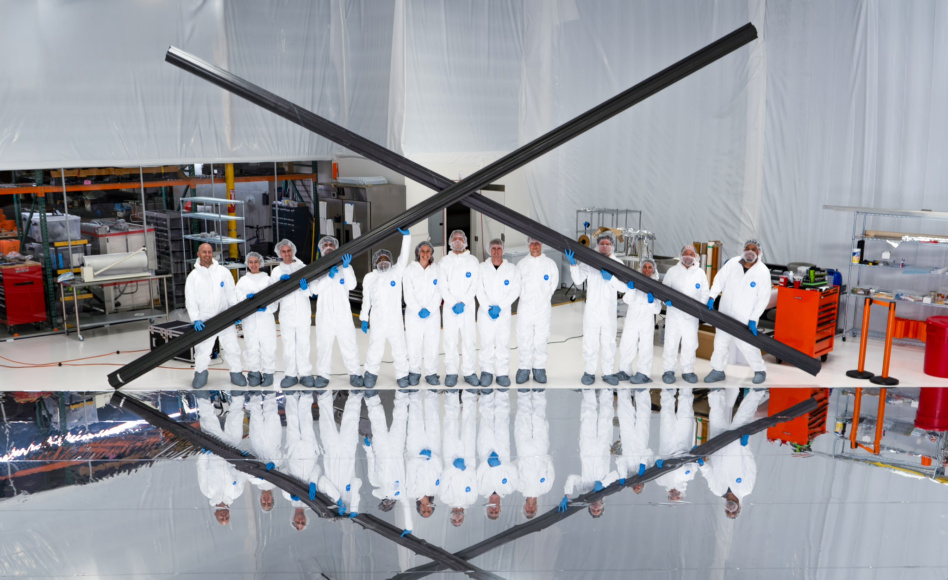
In July 2026, the US Federal Communications Commission approved Reflect Orbital’s application to launch a single demonstration satellite known as Eärendil-1. The satellite, planned for 2027, would deploy a mirror measuring approximately 18 metres across to test the feasibility of reflecting sunlight onto Earth from orbit.
Reflect Orbital has much larger ambitions. The company has outlined plans for a constellation of up to 50,000 reflective satellites over the coming decade. Such a system could fundamentally change the appearance of the night sky.
Can artificial sunlight help rescue teams?
During the California demonstration, search-and-rescue volunteers tested activities including searching terrain and transporting equipment under the artificial illumination. The results suggested that additional light could improve visibility during certain nighttime emergencies.
However, rescuers interviewed by the San Francisco Chronicle indicated that the technology would not necessarily transform routine rescue operations. Its greatest potential might be during major disasters, when large areas require illumination and conventional infrastructure is unavailable.
The demonstration also exposed a practical concern. Some residents said they were unaware of the experiment and initially believed the intense lights might indicate an emergency in the mountains.
The exercise used terrestrial spotlights, not satellite mirrors. Whether an orbital system could deliver comparable illumination reliably, economically and without unacceptable environmental consequences remains to be established.
And we wonder: What happens to forests and wildlife when night becomes day?
For billions of years, Earth’s ecosystems have evolved around predictable cycles of sunlight and darkness. Birds rely on natural light patterns for migration and navigation. Nocturnal mammals use darkness to hunt and avoid predators. Insects, including important pollinators, depend on nighttime conditions for feeding and reproduction.
Artificial lighting already disrupts many of these relationships. Reflecting sunlight from space introduces another potential source of disturbance, particularly if large satellite constellations make nighttime illumination available across extensive areas.
DarkSky International, an organization dedicated to protecting naturally dark environments, has opposed Reflect Orbital’s plans. In August 2026, DarkSky and allied organizations asked the FCC to reconsider its approval of the company’s demonstration satellite, citing concerns about environmental impacts and the absence of a comprehensive review.
Astronomers are equally concerned. A 2026 study by researchers Miroslav Kocifaj, Gáspár Bakos and František Kundracik examined the potential light pollution caused by Reflect Orbital’s proposed mirrors.
Their calculations suggest that light from a full-scale operational mirror could brighten the sky far beyond the area being illuminated. Under certain conditions, the resulting glow could affect observers tens of kilometres away.
These are modelling results, not measurements from an operational Reflect Orbital satellite.
Is nighttime solar power really green? Reflect Orbital argues that reflected sunlight could increase the output of solar installations and potentially reduce dependence on fossil fuels. But the environmental calculation is more complicated than simply producing additional renewable electricity.
Large satellite constellations require launches, materials and eventual disposal. Their reflected light could also affect ecological systems and astronomical observations far beyond the intended customers.
There are still unresolved questions about the energy that an orbital mirror could realistically deliver to solar panels, how many satellites would be needed to provide continuous illumination and whether the electricity produced would justify the cost.
Reflect Orbital says it is engaging with scientists, regulators and other stakeholders. The company has also indicated that it intends to avoid sensitive locations, including astronomical observatories, national parks and important wildlife habitats.