 Finding the right support for a teenager facing emotional, behavioral, or mental health challenges can feel overwhelming. Families in Phoenix have access to structured group homes and treatment programs that focus on stability, guidance, and personal growth. Knowing which options provide the right balance of care and structure helps families make informed decisions during a difficult time.
This article highlights several trusted programs in Phoenix and its surrounding areas that specialize in supporting teens aged 12-17. Each option offers a distinct approach, ranging from residential treatment and therapeutic schools to alternatives that emphasize individualized guidance. By exploring these options, families can gain a better understanding of the type of environment that may best support long-term progress.
Avery’s House – specialized care for troubled youth ages 12-17 with mental health support
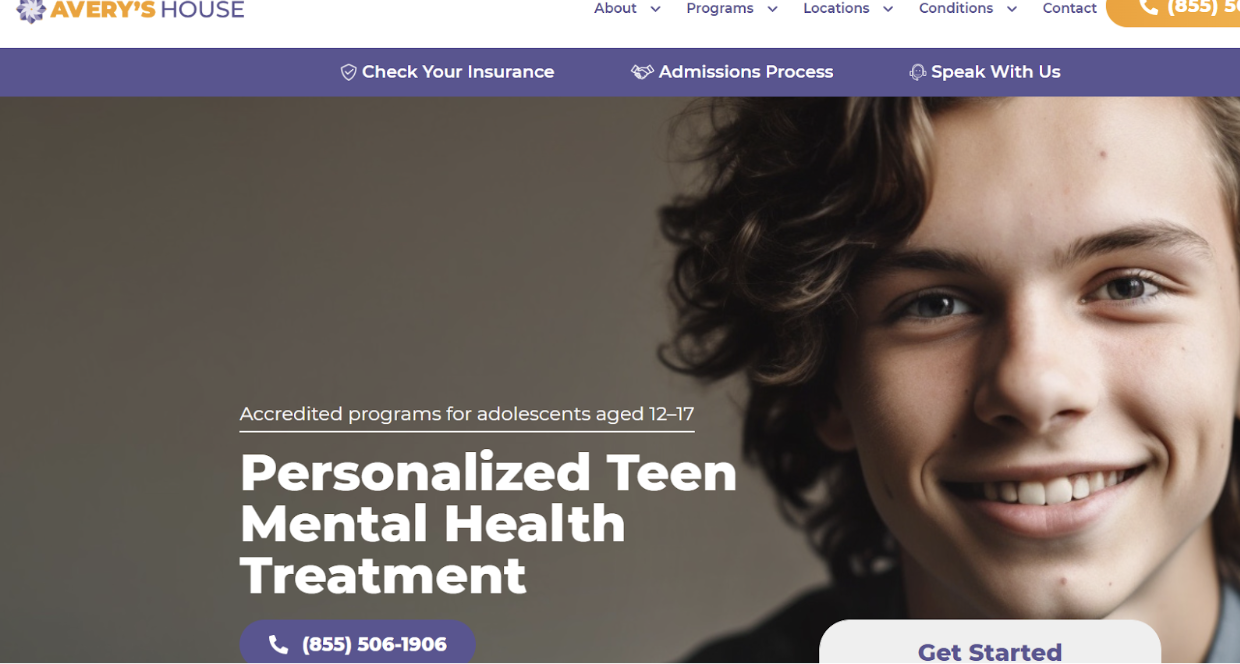
Avery’s House provides a structured and supportive setting for adolescents who need help with emotional and behavioral challenges. The program focuses on teens between the ages of 12 and 17 who may be struggling with issues such as depression, anxiety, ADHD, trauma, or substance use.
Unlike traditional group homes, the facility emphasizes individualized care plans. Licensed professionals guide each teen through treatment that addresses both mental health and daily life skills. This approach helps young people build coping strategies that support long-term stability.
Families looking at teen group homes in Phoenix often consider Avery’s House as a better alternative compared with other group homes.
The environment combines therapeutic support with a safe space where youth can work on personal growth.
In addition to residential treatment, Avery’s House also provides outpatient options.
These include day treatment and intensive outpatient programs, giving families flexibility based on the level of care their teen requires.
Turning Winds – residential treatment with CBT, DBT, and life skills for teens
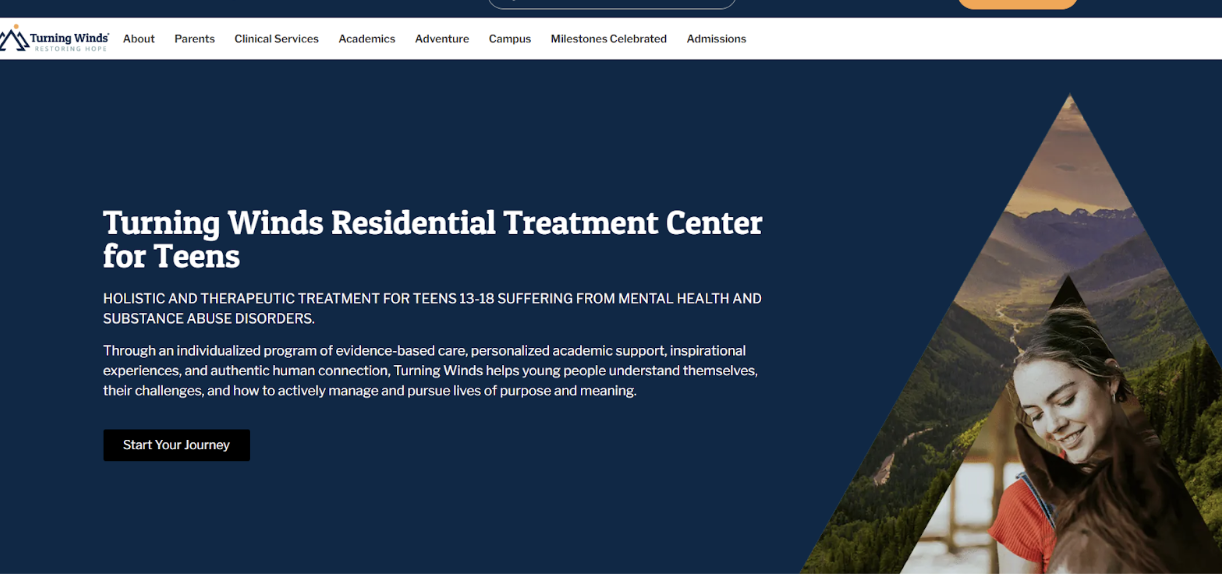
Turning Winds is a residential treatment center located in Montana that serves teens from across the country, including Phoenix. It provides structured care for adolescents dealing with mental health challenges, behavioral struggles, and substance use concerns.
The program uses evidence-based therapies such as Cognitive Behavioral Therapy (CBT) and Dialectical Behavior Therapy (DBT). These approaches help teens build healthier coping skills, improve emotional regulation, and address negative thought patterns.
In addition to therapy, Turning Winds emphasizes life skills development. Teens learn responsibility, problem-solving, and communication skills that support long-term growth. Academic support is also available to help students stay on track with their education.
The center combines clinical treatment with experiential learning. Activities in nature and group settings encourage teamwork, resilience, and personal responsibility. This blend of therapy, academics, and skill-building creates a structured environment that helps teens work toward stability and healthier habits.
Modern Recovery Services – an alternative to traditional group homes with guidance
Modern Recovery Services provides an option for teens who need more than the basic care provided in traditional group homes. The program focuses on structured mental health support and consistent guidance to help adolescents manage emotional and behavioral challenges.
They provide therapy and counseling that address common issues such as anxiety, depression, and stress. Teens receive personalized attention in a supportive setting, which can help them build coping skills and healthier routines.
Unlike standard group homes that mainly provide housing and supervision, Modern Recovery Services emphasizes treatment and long-term progress. Their approach combines therapy, family involvement, and ongoing support to create a more complete care model.
Programs also include virtual options, allowing teens to access care from home when in-person treatment is not possible. This flexibility helps families stay engaged while guaranteeing that teens receive consistent support for their mental health needs.
Liahona Academy – therapeutic boarding school combining education and treatment
Liahona Academy is a residential treatment center in Southern Utah that serves boys between the ages of 12 and 17. Families often consider it when local therapy or outpatient programs are not enough to address serious behavioral or emotional struggles.
The program combines structured education with therapeutic support. Students continue their schooling while also participating in counseling and skill-building activities created to address issues such as defiance, anxiety, depression, and poor peer choices.
Staff at Liahona work with each student to promote accountability and healthier decision-making. The approach emphasizes both guidance and discipline in a controlled setting, helping boys understand the results of their choices.
In addition to therapy, the school environment allows students to keep up with academics. This balance of treatment and education is intended to prepare them for a more stable return to family, school, and community life.
Restore Troubled Teens – consultation and advocacy for personalized group home placement
Restore Troubled Teens acts as a consultation and advocacy service for families seeking the right group home placement. It connects parents with programs that match their child’s behavioral and emotional needs.
The organization works with a network of residential treatment centers, therapeutic boarding schools, and group homes. This allows families to explore different care options rather than relying on a single program.
Parents often reach out when a teen faces issues such as depression, anxiety, substance use, or defiance. Restore Troubled Teens helps guide them toward facilities that provide structure, therapy, and academic support.
By focusing on individual needs, the service aims to reduce the stress of choosing a program. Families receive guidance on placement options that balance safety, therapeutic care, and education.
This approach gives parents a clearer path when navigating the many treatment choices available for struggling teens. It emphasizes matching the right program to the right child.
Conclusion
Teen group homes in Phoenix provide structured environments where adolescents can receive support for behavioral and mental health needs. These programs vary in focus, with some emphasizing basic care and others providing therapeutic services and professional guidance.
Families often weigh factors such as location, level of care, and cost when choosing the right option. Monthly rates typically range from $3,500–$4,500, with specialized care reaching $5,000–$6,000.
The best choice depends on the individual needs of the teen, whether that involves a traditional group home or a more specialized residential treatment setting.