
In 2024 sustainability is more than just a buzzword to make businesses and consumers feel good about themselves. It is a crucial transition to protect the future of our planet for future generations. For too long humanity has short-sightedly burned through resources, then disposed of waste with an “out of sight, out of mind” attitude. The resources of our planet are finite and, while substantial damage has already been done, our growing understanding has at least improved our environmental consciousness and encouraged a move towards more sustainable practices.
In recent years, the undeniable impact of climate change has been felt across the globe, with extreme weather on an unprecedented level and scientific studies suggesting that we have surpassed almost every protective boundary to ensure Earth remains safe and habitable for humanity. We are at a tipping point for our planet and improvements to sustainability are now more vital than ever before!
For decades recycling has been championed as the central solution to reducing waste and increasing sustainability but, more recently, priorities have shifted towards increasing products’ reusability. This isn’t just a trend; it’s a fundamental change in our approach to sustainability, with the potential to drastically reduce our reliance on manufacturing.
There are numerous benefits to reusability over recyclability.
-
Reduces reliance on virgin materials
Reusable products minimise the need for recurrent manufacturing, reducing the consumption of virgin raw materials and energy.
While recycling does play a part in decreasing the manufacture of products from scratch, it still requires energy-intensive reprocessing as well as the use of catalytic materials.
Each reuse of a reusable product avoids the need for it to be manufactured again from scratch.
-
Limits environmental impact
The continuing recovery and reprocessing of recyclable materials contributes to pollution, greenhouse gas emissions and energy consumption. According to a recent Greenpeace report, the plastic recycling process can produce toxic chemicals that then make their way into the recycled plastic.
Reusable products have a much longer lifespan, which eases the environmental impact associated with continual reprocessing and remanufacturing. Each time a product is reused is another incidence of recycling or remanufacturing avoided.
-
Avoids toxic chemicals
According to the damning Greenpeace report, recycled plastics have a high level of toxicity due to chemicals like flame retardants, carcinogens and environmental pollutants, as well as numerous chemicals that can alter the body’s natural hormone levels.
The report concluded that recycling increases the toxicity of plastics and threatens the health and wellbeing of consumers, communities and recycling sector workers.
While there’s no guarantee that reusable plastic containers can’t contain similar chemicals, using, for example, reusable glass or metal bottles will avoid being exposed to recycled plastics and potentially toxic chemicals.
-
Avoids the complexities of recycling
Many supposedly recyclable products pose major challenges in the recycling process based on either contamination or a lack of necessary infrastructure.
Reusable products, on the other hand, offer a much more straightforward and effective way to reduce waste without relying on complex and expensive recycling systems.
-
Empowers consumers to “do their part”
Our society has historically been plagued by an attitude of “out of sight, out of mind” when it comes to waste. Waste materials are put into a bin and never seen again and unfortunately, this also applies to recycling.
Because recycling relies on unseen systems and processes, consumers do not have much personal involvement or investment. Whether their glass bottle goes in the waste bin or the recycling bin is largely inconsequential for the consumer and this separation does little to encourage recycling.
Reusable products empower consumers to actively control their choices and be part of the solution rather than the problem.
-
Educates the masses
Emphasising reusability can encourage a society-wide shift towards sustainable living.
For example, encouraging the public to use, wash and reuse their own sustainable coffee cup is more likely to have a lasting impact than simply asking them to dispose of their paper cup in a different bin.
Encouraging reusability educates individuals about the environmental consequences of their choices, allows them to take a more active role in sustainable living and fosters a mindset that prioritises long-term environmental health over short-term convenience.
-
Increases quality of products
Recyclable products, much like their unrecyclable counterparts, are designed to be used for a relatively short time before being disposed of.
Reusable items are manufactured with better quality materials that are designed to withstand repeated use, cleaning and long-term wear and tear. This, in turn, provides a higher quality user experience for consumers.
-
Reduces long-term cost of products
While disposable products (even those that are recyclable) may have a lower upfront cost, the continuous need for replacements can quickly accumulate expenses.
Quality reusable products, with proper care, prove to be much more economical over time as they are replaced less frequently, which can lead to long-term cost savings for consumers and businesses alike.
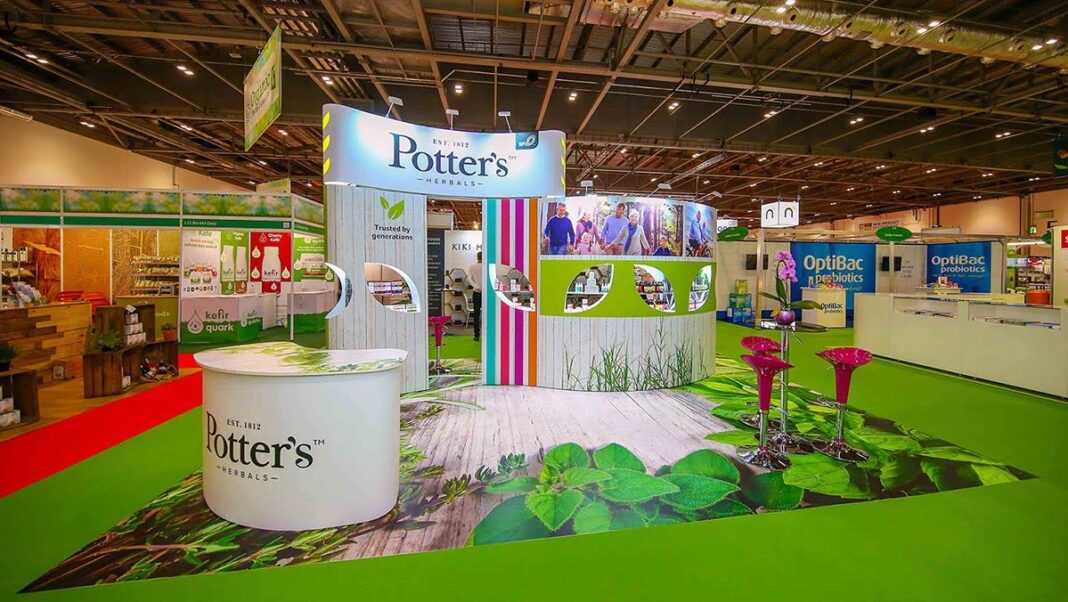
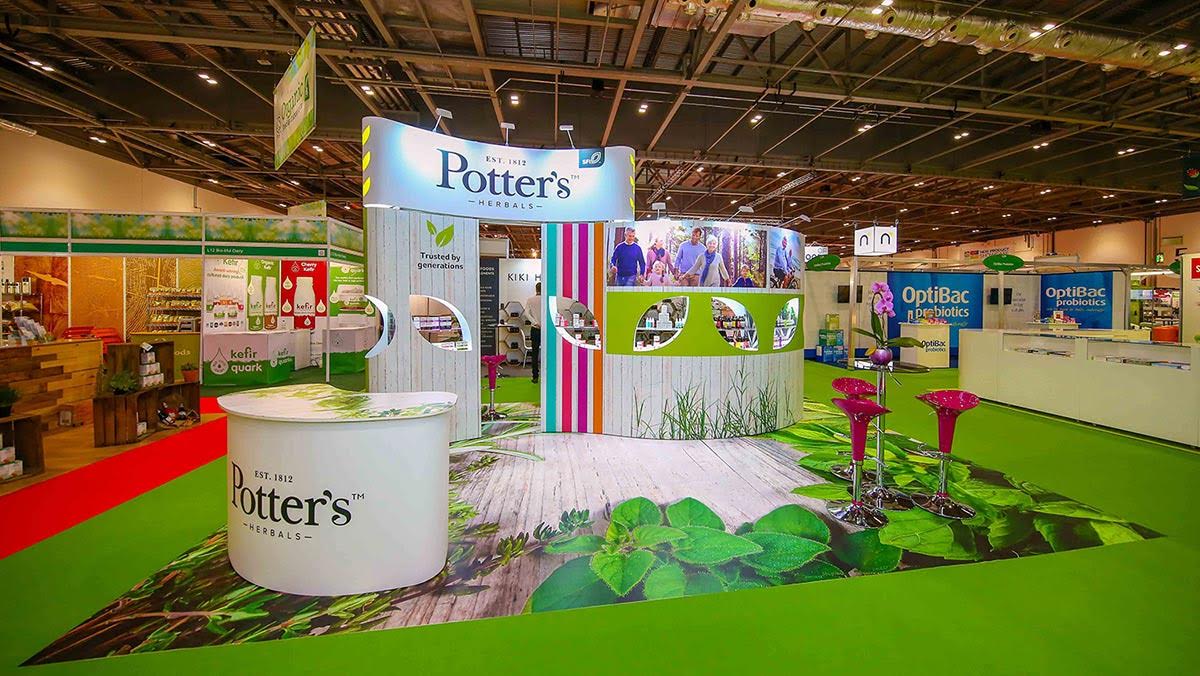
UK-based trade show contractor Quadrant2Design provide a reusable, modular trade show booth system that allows customers to save up to 70% on repeat exhibiting. Operations Director Ross Pike said “Recyclable stands were a step in the right direction for a historically wasteful industry but Quadrant2Design have taken it one step further. It is the ongoing reusability of our stands, regardless of stand space or layout, which offers our customers true sustainability and cost-efficiency.”
-
Supports the Circular Economy
Reusability aligns more closely with the concept of a circular economy, where products are designed to be used, reused and repurposed, instead of disposed of after a single use.
This approach contributes to creating a closed-loop system, minimising waste and maximising resource efficiency.
While recycling remains an important component of sustainable practices, an emphasis must be placed on reusability to reduce the need for constant remanufacturing.
Conclusion
The shift towards reusability over recyclability represents a fundamental change in our approach to sustainability, offering a myriad of benefits that extend beyond just environmental conservation.
From reducing reliance on virgin resources and limiting environmental impact, to empowering consumers, avoiding toxic chemicals and supporting the Circular Economy, the advantages of choosing reusable products are substantial.
Not only do reusable items contribute to long-term cost savings and product quality, but they also serve as powerful tools for educating and fostering societal shifts towards sustainable living. As we navigate the critical juncture our planet faces, prioritising reusability emerges as a decisive step towards a more responsible and enduring future.