Imaginedairy engineers milk without the cow

Cultured meat is meat produced by in vitro cell culture of animal cells, instead of from slaughtered animals. It is a form of cellular agriculture. This is different from meat alternatives made from plants because in cultured meat, original meat cells were used from a real life cow. This has been going on for a decade or so with limited commercial success.

Memphis Meat, Mosa Meat and Aleph Farms are a few companies looking to break through. They offer meaty competition to Beyond Meat and the lab-grown plant-based “meat” burgers satisfying vegetarians everywhere.

And if it can be done for meat, entrepreneurs are hoping a cruelty-free dairy product should be done too. Vegans want it, the question is how can they drink a real milk milkshake or cheesecake while preventing animal cruelty?

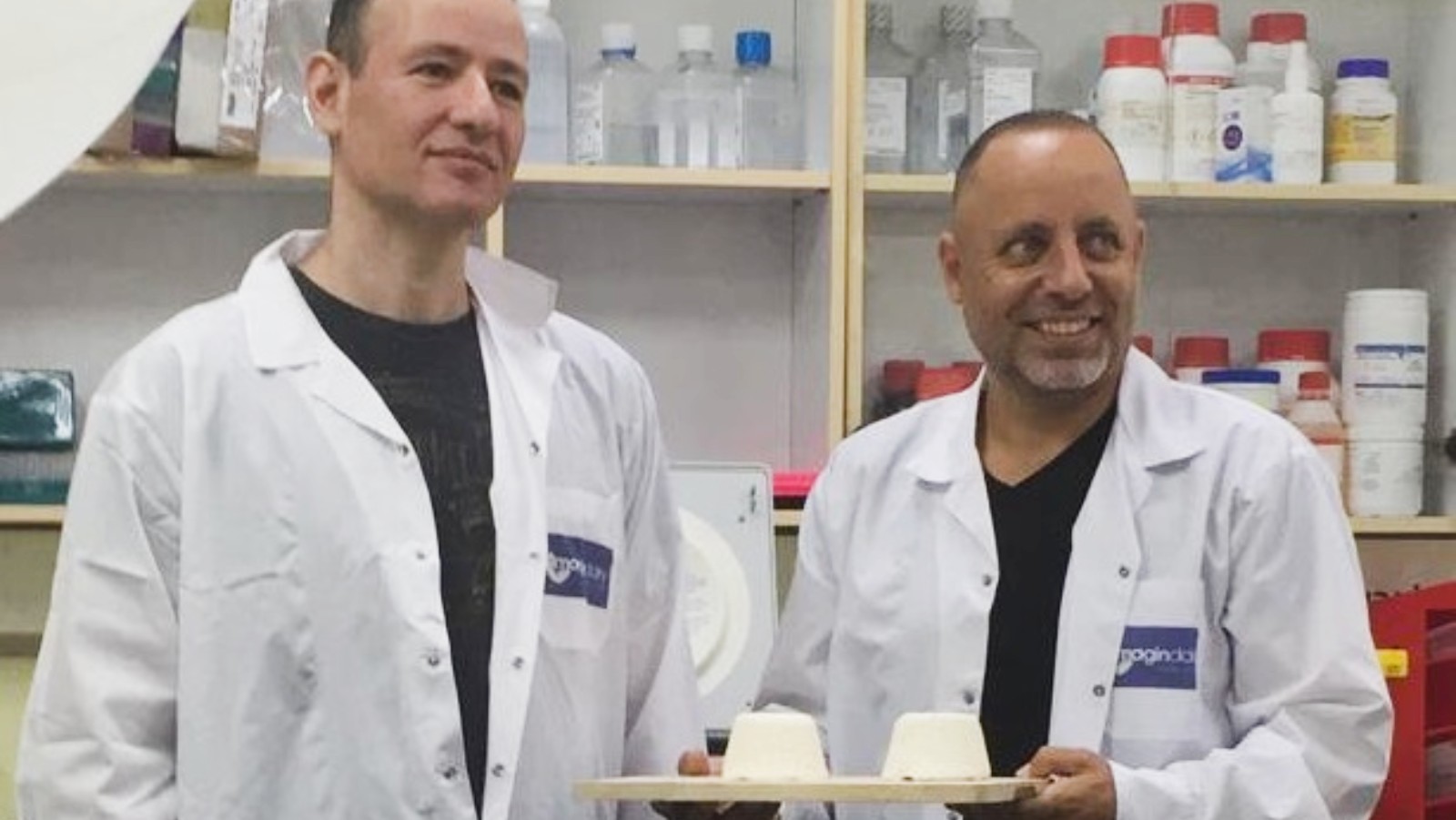
The Israeli start-up Imagindairy is milking new technology to leave the cow out of the dairy equation. The company is creating true milk proteins that are indistinguishable from the real thing via a natural process using fermentation. 
Recreating Casein and Whey

Imagindairy recreates nature-identical, animal-free versions of whey and casein proteins that can be used to produce dairy analogs. They have the flavor and texture – and, importantly, the functionality and nutritional value – of their animal-based counterparts. They also are lactose-free, serving consumers with lactose intolerance or sensitivity. At the same time, the company lowers the burden of dairy livestock on the environment.

“The unique protein structure of dairy milk is what provides its characteristic texture, flavor, and nutritional value. Whey is a key source of highly biologically available protein,” says explains Eyal Afergan CEO of Imagindairy. 

Awarding the full, guilt-free dairy experience 

In response to growing awareness of animal welfare and the environmental impact of animal farming, supermarket shelves have become buoyant with alternative plant-based milk and dairy analogs. There has been almond milk, but almond milk is hurting the bees. There is also oat milk, but that’s full of pesticides. And plant-based dairy alternatives fall short of meeting consumers’ taste demands. 

imaginedairy lab milk

There is no details on “what” the raw materials are for recreating the cow milk in the lab. Because at one point plant-based ingredients will be needed for the process. How will they be sourced? Will they be organic? Will they use wheat or rye or plants grown with pesticides? Questions we will want to know the answers to.

“Our vision was to deliver an animal-free version of the primary dairy proteins — whey and casein — that can allow product makers to match real dairy products in terms of protein concentration, nutrient profile, and the full sensory experiences of the animal-derived versions,” says Afergan. “I look forward to being able to give my kids such treats as a cup of nutritious, tasty milk or creamy yogurt without the hard impact on animals or on the environment they must inherit.”

Imagindairy’s technology can be readily integrated into existing dairy food production facilities. The start-up already raised US$1.5M in seed funding, led by The Kitchen FoodTech hub, with contributions from the Israeli Innovative Authority, CPT Capital, New Crop Capital, and Entrée Capital, and will soon enter its A-round funding series.


Karin Kloosterman
Karin Kloostermanhttp://www.greenprophet.com
Karin Kloosterman is an award-winning journalist, innovation strategist, and founder of Green Prophet, one of the Middle East’s pioneering sustainability platforms. She has ranked in the Top 10 of Verizon innovation competitions, participated in NASA-linked challenges, and spoken worldwide on climate, food security, and future resilience. With an IoT technology patent, features in Canada’s National Post, and leadership inside teams building next-generation agricultural and planetary systems — including Mars-farming concepts — Karin operates at the intersection of storytelling, science, and systems change. She doesn’t report on the future – she helps design it. Reach out directly to [email protected]

Read More

TRENDING

Starbucks punishes people for drinking plant milk charging them 6X times the cost

Why are coffee drinkers paying extra for plant milk? A Quebec lawsuit against Starbucks, Tim Hortons and Second Cup questions the surcharge.

Remilk makes cloned milk so cows don’t need to suffer and it’s hormone-free

This week, Israel’s precision-fermentation milk from Remilk is finally appearing on supermarket shelves. Staff members have been posting photos in Hebrew, smiling, tasting, and clearly enjoying the moment — not because it’s science fiction, but because it tastes like the real thing.

Six “Green” Reasons To Drink Camel’s Milk

With 5 times the amount of Vitamin C in camel's milk, and full of iron, camel's milk needs no nutritional help. It has a shelf life of 5 days before pasteurization, after which it will survive for up to 3 weeks. Camel's milk is just as versatile as other milk, used as it is to produce low-fat varieties of cheese, chocolate, and a fermented delicacy that is used in areas that lack refrigeration.

Lab-grown meat telling convenient lies about carbon footprint?

In a preprint, not yet peer-reviewed, researchers at the University of California, Davis, have found that lab-grown or “cultivated” meat’s environmental impact is likely to be “orders of magnitude” higher than retail beef based on current and near-term production methods.

Is lab meat kosher?

This story is about the cultivated meat industry, the environmental impacts, and what the Jewish community is thinking on this revolutionary discovery

Yerukim Forms a New Green Economy Where the Money is Really Green

The Yerukim members who pick up the recyclables get to keep the monetary reward, the public earns "green" bills that can be used in shops, and business owners get to be associated with environmentalism.

Choosing Riyadh over Dubai? What Investors Should Know

Saudi Arabia is deploying capital at unmatched scale to catalyze tourism and advanced industry while rewiring its power-and-water backbone. The investable frontier is widening—especially in renewables, grid storage, water efficiency/desal retrofits, and hospitality operating platforms. Prudent investors will insist on phased delivery, enforceable KPIs (energy, water, biodiversity), and RHQ/zone compliance—while pricing political-economy and reputational risks alongside growth upside.

Sell your cooking oil for biodiesel money

Want to make money on old french fry oil? Sell it.

Qatar Alternative Energy Summit Pairs Investors And Innovators

Alternative energy investors and innovators can meet n' greet in Doha, Qatar March 16 and 17.

Here’s How To Implement The Four Pillars Of Employee Engagement

If you throw a party for your work team and they are vegans, don't make it a barbecue. Know the sustainability values of your team to boost moral and retain good people.

Locals From Rishon Fight IKEA

Big Box stores are a pretty new concept in Israel, and thank God that not every Israeli city wants them in their backyard. A word from someone who has see the beautiful farmland around her hometown Newmarket, Ontario stripped and converted into vulgar strip malls of big box shops: they have no place in a healthy and sustainable town or city.

The Jewish National Fund Meets An Inconvenient Truth

According to the JNF, it has transformed thousands of acres of barren land into green forests in Israel. They state that each person emits about 23 tons of carbon per year, estimating that each tree planted can absorb one ton of carbon in its lifetime. That's a whole lot of trees you'd need to be planting. Could so many fit in Israel?

How to quiet noise from construction in your office

Streets need to be resurfaced in New York but the humming and grinding noise is unsettling. Noise is environmental pollution. 

Popular Categories