Israeli air purifier could bring Japan’s karaoke back to life

Aura Air signs $30 million deal to supply Japanese market with air purifying system, which has proven to be 99.99% effective in killing COVID-19 

An air filtration and disinfection system developed in Israel that kills viruses could bring Japan’s ailing karaoke industry back to life.

Tel Aviv-based startup Aura Air has signed a $30 million deal with Japanese distributor J-TEC to supply the Japanese market with its advanced technology, which is specially designed to purify air in closed spaces. The company’s system has proven to be 99.99% effective at eliminating COVID-19 particles, among other pathogens.

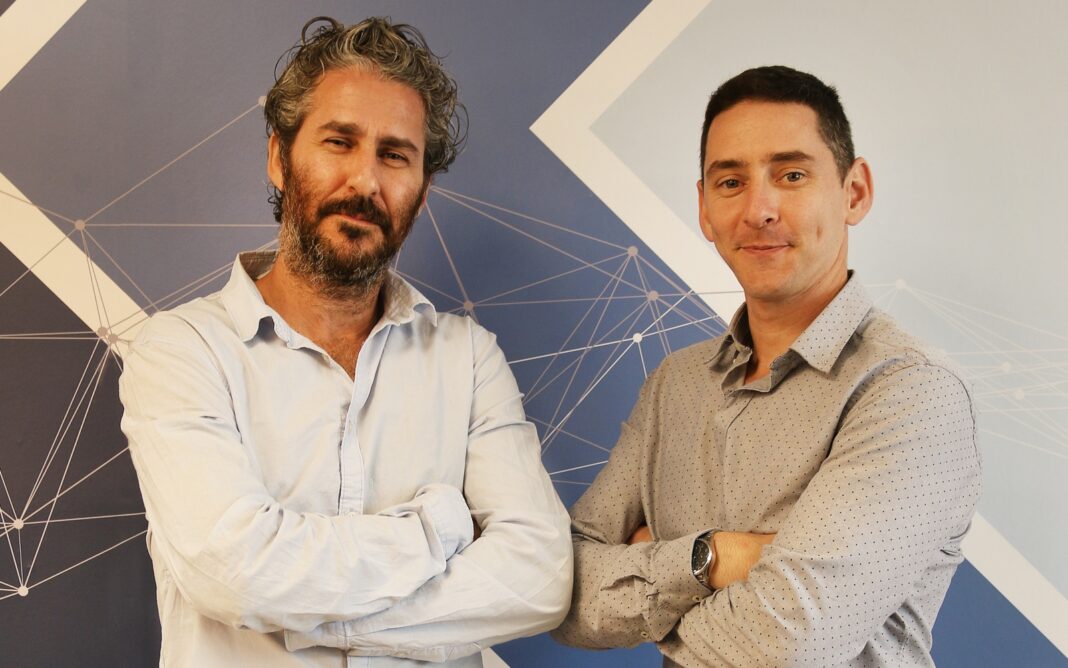
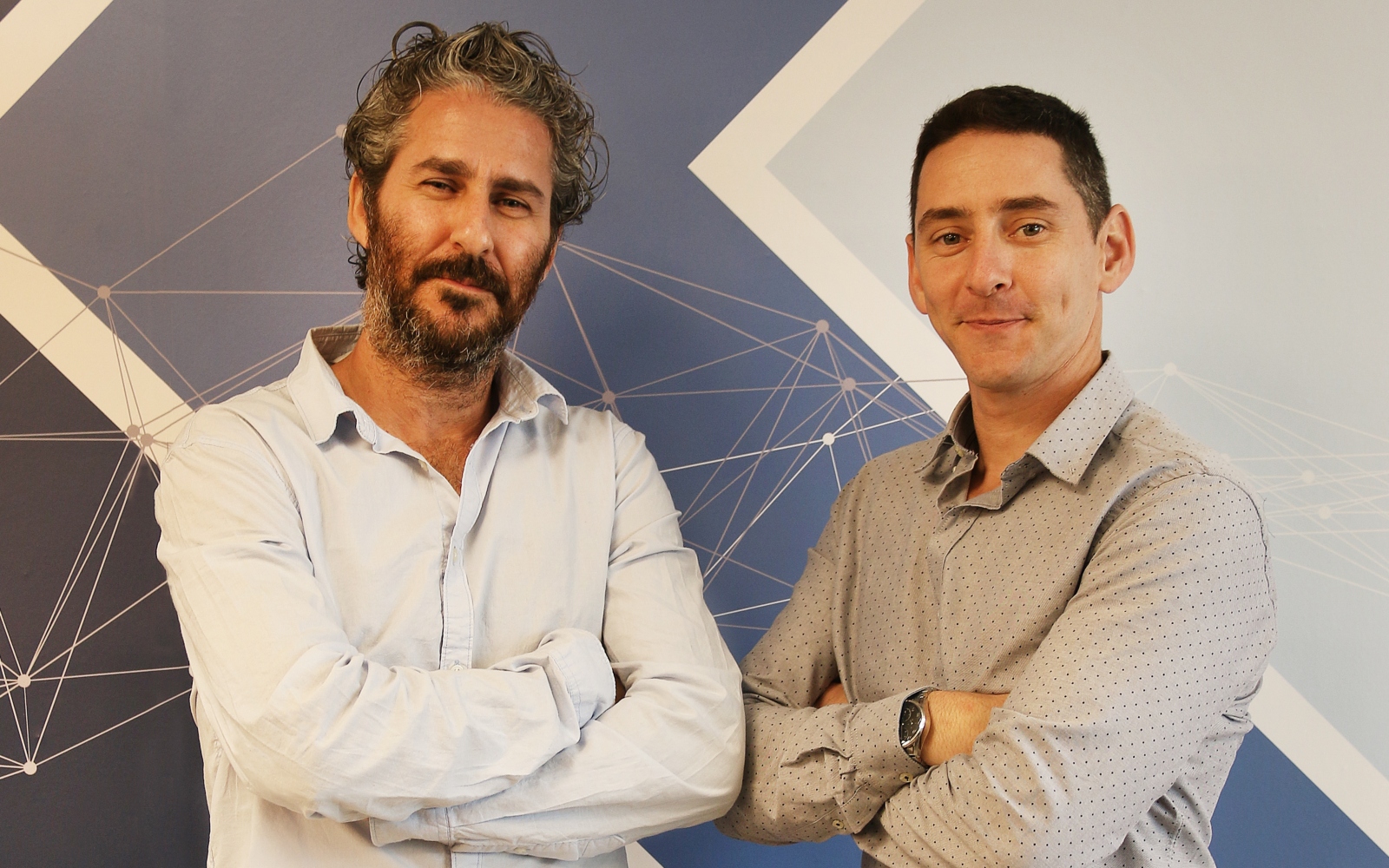
Oren Eliyasov, business development director at Aura Air, told The Media Line that the agreement with J-TEC includes the Japan Karaoke Box Association and other major clients in Japan, such as SMBC Trust Bank and JTB Corporation, one of the largest travel agencies in the country.

“The karaoke association says that there are 100,000 [karaoke] rooms all over Japan,” Eliyasov said. “Currently, most of them are closed due to the coronavirus pandemic.”

Karaoke, which means “empty orchestra” in Japanese, was developed in the Land of the Rising Sun in the 1970s and quickly spread around the world as a popular form of entertainment. In Japan, it has long been a favorite outing for groups of friends and families.
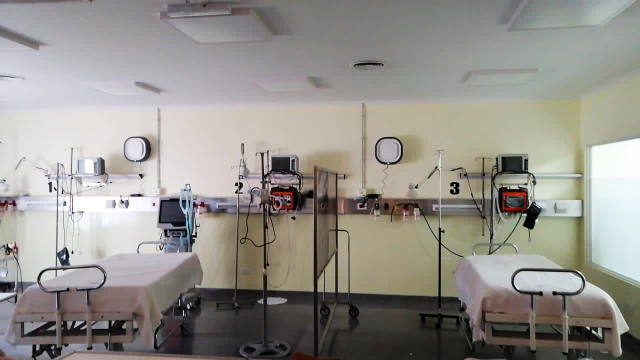
aura air in a hospital

Since the COVID-19 pandemic, however, many karaoke bars in the country have reduced operations or shut down entirely as the industry struggles to stay alive. Karaoke nights generally take place in small crowded rooms, an ideal setting for spreading the novel coronavirus.

Aura Air’s device monitors air quality 24/7 and constantly purifies it, Eliyasov said.

“Basically, we found out that we’re capable of reducing the coronavirus by 99.99%, which gives a lot of confidence to clients and those who would come and sing in the karaoke rooms,” he explained.

Aura Air uses a combination of four filters to completely change the air in a standard-sized room every 2.5 hours. It has a pre-filter to catch large particles and dust, a patented multilayered HEPA filter that includes a carbon-infused fabric, UVC LED lighting to neutralize bacteria and viruses, and a Sterionizer device that produces positive and negative ions to purify air.

Piloted to clean Covid-19 air in hospitals

Founded more than three years ago, the startup recently completed a month-long pilot of its system in Sheba Medical Center at Tel Hashomer in Israel, and also installed its technology in the reception halls of the King of Spain’s Zarzuela Pala.

According to Aviad Shnaiderman, co-founder and CEO of Aura Air, the system is already in use in more than 50 countries, in their hospitals, clinics, educational institutions and public transportation.

“We conducted several clinical tests in hospitals, labs and in universities in Israel,” Shnaiderman told The Media Line. “We proved that we are able to destroy a lot of viruses, bacteria and fungi.”

The COVID-19 pandemic has helped to accelerate Aura Air’s sales worldwide.

“The coronavirus helped us to educate and raise awareness of indoor air quality,” he said. “It did a fast-forward for everything that we believe in and that we claim.”

Measures pollutants real time 

What distinguishes the company’s system from others on the market, Shnaiderman added, is that it provides a measurement of pollutants in real-time and that it uses a unique process to filter and disinfect the air.

“It’s an IoT (internet of things) product for smart homes and smart buildings,” he said, explaining: “It connects to the internet, mobile phones and other smart devices and applications.”

The startup’s recent entry into the Japanese market also has a personal story behind it.

“I was traveling in Japan two years ago and had a girlfriend there, which led me to learn Japanese so that I could communicate with her parents,” Eliyasov said. “This led to me falling in love with the culture, people and language over there.”

While the relationship did not last, it did lead Eliyasov to joining Aura Air as a business developer for Japan, which the company hopes will become one of its major markets.

____

This story was first published on the Middle East News Source, The Media Line


Read More

TRENDING

Mona Khalil, Orange House Project founder, sea turtle protector killed in Lebanon

Mona Khalil spent decades protecting Lebanon's sea turtles and coastal ecosystems. Her death in the ongoing conflict between Israel and Hezbollah shines a light on a broader environmental tragedy unfolding across northern Israel and southern Lebanon. From damaged wetlands and disrupted bird migrations to threatened seed banks and endangered wildlife, the region's ecosystems are becoming casualties of a war with no clear end in sight.

Weston Higginbotham’s Funeral Set for June 17 as Family and Friends Honor Environmentalist

The family of environmentalist and eco-engineer in training, James "Weston" Higginbotham will gather with friends, classmates, and supporters on June 17 in Birmingham, Alabama, to celebrate the life of the Auburn University student whose death in a Kyoto forest in Japan touched people around the world.

Before Funeral, Auburn University Creates Environmental Scholarship in Memory of Weston Higginbotham

The James "Weston" Higginbotham Endowed Scholarship will support Auburn students pursuing ecological engineering, ensuring that the work Weston cared about so deeply continues long after his passing.

Weston Higginbotham’s Family Declines to Release Cause of Death in Kyoto Forest

The family of Weston Higginbotham,an Auburn University student whose disappearance and death in the mountains near Kyoto, Japan, drew international attention, has declined to publicly release the cause of his death.

Dan Zaslavsky’s energy tower dream is rising again in Iran and China

The Energy Tower idea never made the leap from drawings and engineering studies to full-scale construction. But nearly two decades after most people stopped talking about it, the concept is quietly evolving in two unexpected places: China and Iran. The concept let dreamers dream and doers do - figuring out more pleasing designs and engineering.

Yerukim Forms a New Green Economy Where the Money is Really Green

The Yerukim members who pick up the recyclables get to keep the monetary reward, the public earns "green" bills that can be used in shops, and business owners get to be associated with environmentalism.

Choosing Riyadh over Dubai? What Investors Should Know

Saudi Arabia is deploying capital at unmatched scale to catalyze tourism and advanced industry while rewiring its power-and-water backbone. The investable frontier is widening—especially in renewables, grid storage, water efficiency/desal retrofits, and hospitality operating platforms. Prudent investors will insist on phased delivery, enforceable KPIs (energy, water, biodiversity), and RHQ/zone compliance—while pricing political-economy and reputational risks alongside growth upside.

Sell your cooking oil for biodiesel money

Want to make money on old french fry oil? Sell it.

Qatar Alternative Energy Summit Pairs Investors And Innovators

Alternative energy investors and innovators can meet n' greet in Doha, Qatar March 16 and 17.

Here’s How To Implement The Four Pillars Of Employee Engagement

If you throw a party for your work team and they are vegans, don't make it a barbecue. Know the sustainability values of your team to boost moral and retain good people.

Locals From Rishon Fight IKEA

Big Box stores are a pretty new concept in Israel, and thank God that not every Israeli city wants them in their backyard. A word from someone who has see the beautiful farmland around her hometown Newmarket, Ontario stripped and converted into vulgar strip malls of big box shops: they have no place in a healthy and sustainable town or city.

The Jewish National Fund Meets An Inconvenient Truth

According to the JNF, it has transformed thousands of acres of barren land into green forests in Israel. They state that each person emits about 23 tons of carbon per year, estimating that each tree planted can absorb one ton of carbon in its lifetime. That's a whole lot of trees you'd need to be planting. Could so many fit in Israel?

How to quiet noise from construction in your office

Streets need to be resurfaced in New York but the humming and grinding noise is unsettling. Noise is environmental pollution. 

Popular Categories