The Sixth Mass Global Extinction has arrived

161207134536-vanishing-elephant-carcass-1-super-169

Whether it’s disappearing elephant herds in Botswana (or ones smuggled in suffering at the Abu Dhabi zoo), dying coral reefs in Australia, or near silence of small tropical tree frogs in a Central American rain forest, the vanishing of animal and plant species all over the world is finally being directly attributed to manmade causes. This mass nature depletion, despite previous “wake up call warnings” is now occurring at an even faster rate than biologists and climatologists had previously imagined.

A recent CNN program, Vanishing, dealt with a variety of creatures presently in danger of simply vanishing from the face of earth due to direct and indirect influences of global warming, climate change; and human caused decimation. Ranging from some of the earth’s smallest animal species, such as coral and bees, all the way to the earth’s largest land mammal, the African elephant, the program gives a graphic account of how many of these animal species are in danger to becoming extinct.

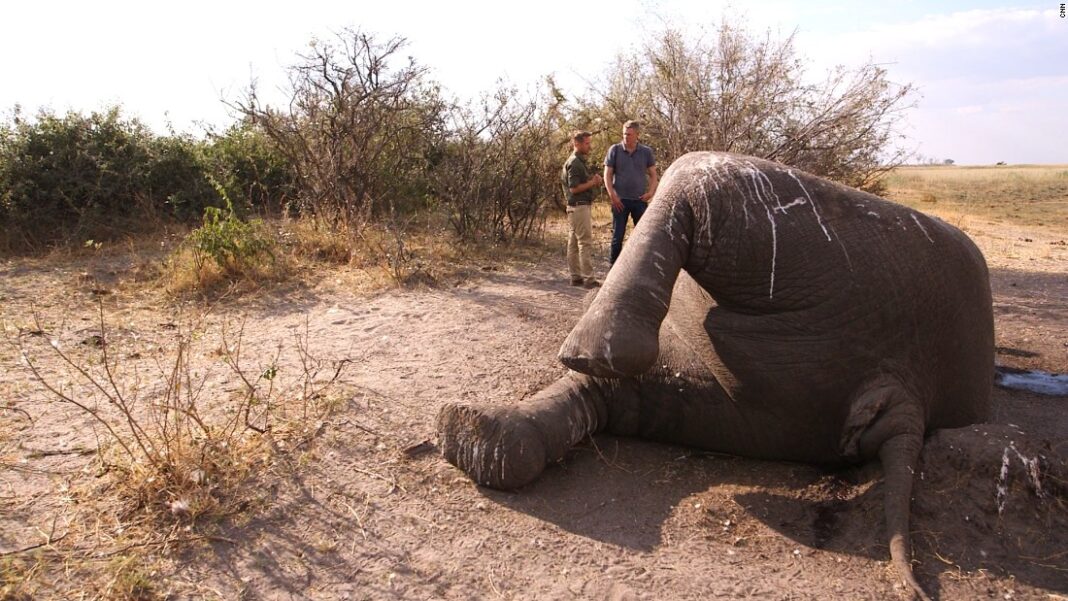
Starting with African elephants living in Botswana, one of Africa’s largest remaining concentration of the species, the number of elephants remaining have dwindled dramatically in the past 10 years; and by more than 20% in the past few years alone: “If present elephant depletions continue at this rate, the entire elephant population here could be gone in the next 20 years,” said a Botswana based zoologist.

Although elephants and other large animal species like giraffes are more noticeable as being severely endangered, the fate of many small creatures are mentioned as well. These include Oregon bumble bees, Central American rain forest amphibians like tree frogs; and coral reefs off the coast of Madagascar. These animal species in particular appear slated to become part of the Sixth Mass Extinction, according to the CNN program.

As pointed out in the program, the resident bumble bee populations of many areas have declined so dramatically in recent years that local farmers are now importing bees to be used to pollinate their crops.

One of the most graphic examples of mankind’s adverse influence on natural habitats, according to the Vanishing documentary, takes place on the Pacific Midway Island atoll. Located virtually midway between the continental USA and Japan the atoll is home to large colonies of albatrosses and other marine birds. It is also a “collection point” for huge quantities of plastic wastes that wash up on the island’s beaches from the ocean. Located in the vicinity of what is known as the Great North Pacific Gyre, this plastic waste is often ingested by the birds, eventually killing them.

The tragic result are large number of dead birds; their gullets literally filled with this plastic material the birds thought to be food. Studies of the large “plastic island” waste patch in the Pacific Gyre estimate it to be larger than the American state of Texas.

In a region closer to home, the Middle East, the demise of animal species is no less alarming. The last lion was killed in Palestine more than 150 years ago; and the few remaining leopards in Israel and Jordan are now on the critically endangered list. This also goes for the once common Syrian bear; now seen more in zoos than in the wild. Hoofed animals such as the oryx and Nubian Ibex are also on the endangered list. These are only a few of formerly indigenous mammals that have either become extinct or are in danger of becoming so due to human encroachment and climate change.

It may be already too late to significantly reverse these disturbing trends. But at least we need to make a more concerted effort to save what’s left of the world’s animal species. If not, humankind will be directly affected by this Sixth Mass Extinction as well.

Read more on wildlife extinction and endangered species threats:
Earth is in the midst of its sixth mass extinction – wake up call, folks!
Oceans spiralling downwards, threatening life on earth
Israel Animals Killed by Economic Development

Maurice Picow
Maurice Picowhttps://www.greenprophet.com/
Maurice Picow grew up in Oklahoma City, U.S.A., where he received a B.S. Degree in Business Administration. Following graduation, Maurice embarked on a career as a real estate broker before making the decision to move to Israel. After arriving in Israel, he came involved in the insurance agency business and later in the moving and international relocation fields. Maurice became interested in writing news and commentary articles in the late 1990’s, and now writes feature articles for the The Jerusalem Post as well as being a regular contributor to Green Prophet. He has also written a non-fiction study on Islam, a two volume adventure novel, and is completing a romance novel about a forbidden love affair. Writing topics of particular interest for Green Prophet are those dealing with global warming and climate change, as well as clean technology - particularly electric cars.

Read More

TRENDING

Weston Higginbotham found dead in a Kyoto forest: is climate anxiety part of the story?

In some ways, Weston has become a symbol of a generation wrestling with environmental and technological anxiety. Friends and family described him as deeply concerned about environmental issues. Reports also noted that he questioned the growing role of artificial intelligence in daily life, even reportedly disagreeing with his mother about her use of AI.

Billie Eilish’s Mom Takes the Stage at Hollywood Climate Summit — But Does Hollywood Still Care About Climate Change?

Hollywood once promised to help save the planet. Leonardo DiCaprio warned of climate catastrophe from awards stages. Celebrities flew to climate conferences. Studios pledged greener productions. Streaming platforms rushed to commission environmental documentaries. But in 2026, with the aftermath of wildfires, heatwaves and floods becoming routine, a question lingers: Does Hollywood still care about climate change?

Can Scientists Predict Coral Bleaching Before It Happens?

Now researchers at the Woods Hole Oceanographic Institution (WHOI) in the US say they have developed a way to predict coral bleaching five to six months before it occurs, potentially giving reef managers enough time to intervene and save vulnerable corals.

10 Amazing Facts About the Sidr Tree

Most people in the West have never heard of the Sidr tree. That's strange when you think about it. This tough, thorny desert tree has fed people, bees, birds, and camels for thousands of years. It appears in Islamic tradition. Its honey sells for astonishing prices.

The Hunt for the Bluebuck’s Genetic Legacy: Inside a Museum Mystery

Inside the small, contested set of museum specimens that hold everything science knows about the bluebuck.

Yerukim Forms a New Green Economy Where the Money is Really Green

The Yerukim members who pick up the recyclables get to keep the monetary reward, the public earns "green" bills that can be used in shops, and business owners get to be associated with environmentalism.

Choosing Riyadh over Dubai? What Investors Should Know

Saudi Arabia is deploying capital at unmatched scale to catalyze tourism and advanced industry while rewiring its power-and-water backbone. The investable frontier is widening—especially in renewables, grid storage, water efficiency/desal retrofits, and hospitality operating platforms. Prudent investors will insist on phased delivery, enforceable KPIs (energy, water, biodiversity), and RHQ/zone compliance—while pricing political-economy and reputational risks alongside growth upside.

Sell your cooking oil for biodiesel money

Want to make money on old french fry oil? Sell it.

Qatar Alternative Energy Summit Pairs Investors And Innovators

Alternative energy investors and innovators can meet n' greet in Doha, Qatar March 16 and 17.

Here’s How To Implement The Four Pillars Of Employee Engagement

If you throw a party for your work team and they are vegans, don't make it a barbecue. Know the sustainability values of your team to boost moral and retain good people.

Locals From Rishon Fight IKEA

Big Box stores are a pretty new concept in Israel, and thank God that not every Israeli city wants them in their backyard. A word from someone who has see the beautiful farmland around her hometown Newmarket, Ontario stripped and converted into vulgar strip malls of big box shops: they have no place in a healthy and sustainable town or city.

The Jewish National Fund Meets An Inconvenient Truth

According to the JNF, it has transformed thousands of acres of barren land into green forests in Israel. They state that each person emits about 23 tons of carbon per year, estimating that each tree planted can absorb one ton of carbon in its lifetime. That's a whole lot of trees you'd need to be planting. Could so many fit in Israel?

How to quiet noise from construction in your office

Streets need to be resurfaced in New York but the humming and grinding noise is unsettling. Noise is environmental pollution. 

Popular Categories