Earth is in the midst of its 6th mass extinction – wake up call, folks

erlich-species

Is humanity as a species threatened with extinction? Is global warming resulting in irreversible climate patterns that are destroying animal and plant species at rapid rates, especially in the Middle East? These questions are causing great concern to scientists now studying the rapid extinction of many species of animals on earth during the past 100 years.

Sixth Mass Extinction

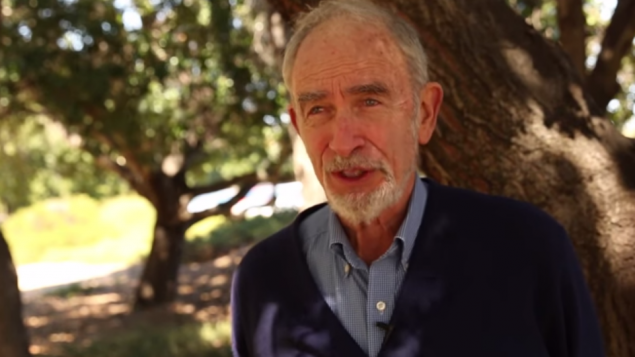
A group of scientists, led by Stanford University biology professor Paul Ehrlich, author of the controversial book Population Bomb, warn that the earth is now  embarking on its “sixth mass extinction” with animals disappearing about 100 times faster than they used to.

This is not the first time that Professor Ehrlich has warned that mankind is destroying life on earth. He predicted back in 1968 that by the year 2000, more than 4 billion people will have died from mass starvation; including 65 million Americans. Obviously, this failed to occur; and despite his dire warnings, the earth’s human population has now increased to over 7 billion.

dinosaurs

In prehistoric times, periods of mass extinction, including the famed Cretaceous-Tertiory mass extinction of 66 million years ago (said to have wiped out the dinosaurs), were attributed  to natural phenomena such as natural climate change, volcanic eruptions and massive asteroids.

According to Ehrlich, this new mass extinction period is largely human caused.

The “sixth mass extinction”, that Ehrlich and his colleagues are now warning is already occurring, deals with the large numbers of vertebrate animal species (396), ranging from fish to mammals, that have become
extinct during the past 110 years alone.

This rate is more rapid than at any other time in recorded history. Invertebrates, including insects, have also experienced significant decreases; with large populations of honeybees disappearing due to a phenomenon known as CCD or colony collapse disorder; and by bee colonies literally freezing to death, due to abnormally cold weather patterns.

Could the demise of bees be a part of Ehrlich’s sixth mass extinction event – now on?

In the video below Professor Ehrlich indicates his concerns over the reduction of numerous animal species, including honey bees.

[youtube]https://www.youtube.com/watch?v=cmb5hn2X2ok[/youtube]

Regions with fragile ecosystems like the Middle East are experiencing reductions of wild animal populations at an alarming rate; with many species of mammals, birds amphibians, reptiles and fish either becoming endangered or extinct altogether.

As a result of  Ehrlich’s study, “rapid, greatly intensified efforts are needed to conserve already threatened species; and  to alleviate pressures on their populations — notably habitat loss, over-exploitation for economic gain and climate change.”

Where more can this apply than to the Middle East, where man caused catastrophes, including frequent warfare (see what ISIS did to Syria this week), are decimating entire regions.

There is hope, however.

Earlier, Ehrlich predicited that countries like England would not exist by the year 2000, due to man-caused ecological calamaties. The UK is still here; and so are most other countries as well. More intense effort is needed, however,  to prevent the “sixth mass extinction” from being so dramatic.

Read more on ecological issues caused by mankind:
Could global warming trigger a new ice age?

The wrath of global warming and the Middle East

Oceans Spiralling Downward, Threatening Life on Earth

 Image of Sixth Mass Extinction: Guardian LV

Maurice Picow
Maurice Picowhttps://www.greenprophet.com/
Maurice Picow grew up in Oklahoma City, U.S.A., where he received a B.S. Degree in Business Administration. Following graduation, Maurice embarked on a career as a real estate broker before making the decision to move to Israel. After arriving in Israel, he came involved in the insurance agency business and later in the moving and international relocation fields. Maurice became interested in writing news and commentary articles in the late 1990’s, and now writes feature articles for the The Jerusalem Post as well as being a regular contributor to Green Prophet. He has also written a non-fiction study on Islam, a two volume adventure novel, and is completing a romance novel about a forbidden love affair. Writing topics of particular interest for Green Prophet are those dealing with global warming and climate change, as well as clean technology - particularly electric cars.

Read More

1 COMMENT
  1. It really wouldn’t take that much to put humankind in jeopardy. When you go to your favorite supermarket, think for moment where all that food comes from and what’s involved in getting it there. A few disruptions here and there can be disastrous.

Comments are closed.

TRENDING

Hormuz 2026 Conflict Poses an Energy and Food Security Dilemma in a Warming World

As tensions rise in one of the world’s most critical maritime chokepoints, the ripple effects go far beyond oil—touching food systems, climate pressures, and regional stability

How does Neuralink work?

Current goals are to treat neurological disease like Parkinson’s and restore autonomy to people with severe physical limitations by controlling exoskeletons and prosthetics. There’s also huge potential to improve cognitive abilities such as memory, attention, and languages.

Street Vegan in Sri Thanu is a must-stop family lunch spot on Koh Phangan, Thailand

If you’re anywhere near Sri Thanu on Koh Phangan, Thailand, around the yoga centers: Zen Beach, Haad Yao, or Salad Beach—make time for Street Vegan. It's vegan and so satisfying that one meal might convince you that eating plant-based is not a compromise. I suggest for any vegan restaurant owner or chef to come to this modestly-priced venue to learn from a master.

Plants can eat dust and grow – should we stop dusting them?

Dusty plants? Let them eat their hearts out.

Paris Modest Fashion Week offers style without exposure for Muslims

France is home to around 5 to 7.5 million Muslims according to estimates, and Özlem Şahin, head of the organization behind Modest Fashion Week, has described Paris as "one of the leading modest fashion capitals in Europe".

Nobul’s Regan McGee on Shareholder Value: “Complacency Is the Silent Killer” 

Why the governance framework designed to protect shareholders so...

Should You Invest in the Private Market?

startustartup Unlike public stock exchanges, which offer daily trading, strict...

How to build a 100-year-company

Kongō Gumi is a Japanese construction company, purportedly founded in 578 A.D., making it the world's oldest documented company. What can we learn about building sustainable businesses from them?

From Pilot Plant to Global Stage: How Aduro Clean Technologies’ 2026 Expansion Signals a Turning Point for Chemical Recycling Investors Like Yazan Al Homsi

The company's Next Generation Process (NGP) Pilot Plant in London, Ontario, has officially moved into initial operating campaigns, generating the kind of structured, repeatable data that separates laboratory promise from commercial viability.

How AI Helps SaaS Companies Reduce Repetitive Customer Support Work

SaaS products are designed for large numbers of users with different levels of experience, and also in renewable energy.

Pulling Water from the Air

Faced with water shortage in Amman, Laurie digs up...

Turning Your Energy Consultancy into an LLC: 4 Legal Steps for Founders in Texas

If you are starting a renewable energy business in Texas, learn how to start an LLC by the books.

Tracking the Impacts of a Hydroelectric Dam Along the Tigris River

For the next two months, I'll be taking a break from my usual Green Prophet posts to report on a transnational environmental issue: the Ilısu Dam currently under construction in Turkey, and the ways it will transform life along the Tigris River.

Popular Categories