Explore the complete private terminal experience in business aviation. Learn how FBOs provide VIP service, privacy, luxury lounges, expedited boarding, enhanced security, and seamless travel for private jet passengers.
Most people know Mars for M&M's and Snickers. Few realize the company has spent four decades researching cocoa flavanols and sustainable cocoa science. After six days testing CocoaVia with pioneers of Toronto's raw food movement, Green Prophet explores the surprising story behind one of the world's most researched cocoa supplements.
Hydraulic systems are at the heart of heavy manufacturing, but poor maintenance can lead to fluid leaks, downtime, and unnecessary waste. By focusing on preventive maintenance, fluid monitoring, filtration, and early leak detection, industrial facilities can improve efficiency, reduce environmental impact, and strengthen sustainable manufacturing without major capital investments.
Jewish herbalism is experiencing a revival as educators like Naomi Spector uncover centuries of plant knowledge preserved through the diaspora. Blending the wisdom of Maimonides, Ashkenazi and Sephardi traditions, and remedies passed from generation to generation, this forgotten ecological heritage reveals how Jewish communities adapted to new landscapes while keeping their cultural identity rooted in the natural world.
The Neptun of Marstal is more than a restored Danish sailing ship. Operated as a non-profit sail-training organization, it invites people of all ages to swap screens for sails, learn traditional seamanship and discover how caring for the sea begins by experiencing it firsthand. Along the way, strangers become crewmates, old maritime skills are kept alive, and the voyage offers a powerful lesson in environmental stewardship, cooperation and the enduring value of learning by doing.
Explore the complete private terminal experience in business aviation. Learn how FBOs provide VIP service, privacy, luxury lounges, expedited boarding, enhanced security, and seamless travel for private jet passengers.
Most people know Mars for M&M's and Snickers. Few realize the company has spent four decades researching cocoa flavanols and sustainable cocoa science. After six days testing CocoaVia with pioneers of Toronto's raw food movement, Green Prophet explores the surprising story behind one of the world's most researched cocoa supplements.
Hydraulic systems are at the heart of heavy manufacturing, but poor maintenance can lead to fluid leaks, downtime, and unnecessary waste. By focusing on preventive maintenance, fluid monitoring, filtration, and early leak detection, industrial facilities can improve efficiency, reduce environmental impact, and strengthen sustainable manufacturing without major capital investments.
Jewish herbalism is experiencing a revival as educators like Naomi Spector uncover centuries of plant knowledge preserved through the diaspora. Blending the wisdom of Maimonides, Ashkenazi and Sephardi traditions, and remedies passed from generation to generation, this forgotten ecological heritage reveals how Jewish communities adapted to new landscapes while keeping their cultural identity rooted in the natural world.
The Neptun of Marstal is more than a restored Danish sailing ship. Operated as a non-profit sail-training organization, it invites people of all ages to swap screens for sails, learn traditional seamanship and discover how caring for the sea begins by experiencing it firsthand. Along the way, strangers become crewmates, old maritime skills are kept alive, and the voyage offers a powerful lesson in environmental stewardship, cooperation and the enduring value of learning by doing.
Explore the complete private terminal experience in business aviation. Learn how FBOs provide VIP service, privacy, luxury lounges, expedited boarding, enhanced security, and seamless travel for private jet passengers.
Most people know Mars for M&M's and Snickers. Few realize the company has spent four decades researching cocoa flavanols and sustainable cocoa science. After six days testing CocoaVia with pioneers of Toronto's raw food movement, Green Prophet explores the surprising story behind one of the world's most researched cocoa supplements.
Hydraulic systems are at the heart of heavy manufacturing, but poor maintenance can lead to fluid leaks, downtime, and unnecessary waste. By focusing on preventive maintenance, fluid monitoring, filtration, and early leak detection, industrial facilities can improve efficiency, reduce environmental impact, and strengthen sustainable manufacturing without major capital investments.
Jewish herbalism is experiencing a revival as educators like Naomi Spector uncover centuries of plant knowledge preserved through the diaspora. Blending the wisdom of Maimonides, Ashkenazi and Sephardi traditions, and remedies passed from generation to generation, this forgotten ecological heritage reveals how Jewish communities adapted to new landscapes while keeping their cultural identity rooted in the natural world.
The Neptun of Marstal is more than a restored Danish sailing ship. Operated as a non-profit sail-training organization, it invites people of all ages to swap screens for sails, learn traditional seamanship and discover how caring for the sea begins by experiencing it firsthand. Along the way, strangers become crewmates, old maritime skills are kept alive, and the voyage offers a powerful lesson in environmental stewardship, cooperation and the enduring value of learning by doing.
Explore the complete private terminal experience in business aviation. Learn how FBOs provide VIP service, privacy, luxury lounges, expedited boarding, enhanced security, and seamless travel for private jet passengers.
Most people know Mars for M&M's and Snickers. Few realize the company has spent four decades researching cocoa flavanols and sustainable cocoa science. After six days testing CocoaVia with pioneers of Toronto's raw food movement, Green Prophet explores the surprising story behind one of the world's most researched cocoa supplements.
Hydraulic systems are at the heart of heavy manufacturing, but poor maintenance can lead to fluid leaks, downtime, and unnecessary waste. By focusing on preventive maintenance, fluid monitoring, filtration, and early leak detection, industrial facilities can improve efficiency, reduce environmental impact, and strengthen sustainable manufacturing without major capital investments.
Jewish herbalism is experiencing a revival as educators like Naomi Spector uncover centuries of plant knowledge preserved through the diaspora. Blending the wisdom of Maimonides, Ashkenazi and Sephardi traditions, and remedies passed from generation to generation, this forgotten ecological heritage reveals how Jewish communities adapted to new landscapes while keeping their cultural identity rooted in the natural world.
The Neptun of Marstal is more than a restored Danish sailing ship. Operated as a non-profit sail-training organization, it invites people of all ages to swap screens for sails, learn traditional seamanship and discover how caring for the sea begins by experiencing it firsthand. Along the way, strangers become crewmates, old maritime skills are kept alive, and the voyage offers a powerful lesson in environmental stewardship, cooperation and the enduring value of learning by doing.
Explore the complete private terminal experience in business aviation. Learn how FBOs provide VIP service, privacy, luxury lounges, expedited boarding, enhanced security, and seamless travel for private jet passengers.
Most people know Mars for M&M's and Snickers. Few realize the company has spent four decades researching cocoa flavanols and sustainable cocoa science. After six days testing CocoaVia with pioneers of Toronto's raw food movement, Green Prophet explores the surprising story behind one of the world's most researched cocoa supplements.
Hydraulic systems are at the heart of heavy manufacturing, but poor maintenance can lead to fluid leaks, downtime, and unnecessary waste. By focusing on preventive maintenance, fluid monitoring, filtration, and early leak detection, industrial facilities can improve efficiency, reduce environmental impact, and strengthen sustainable manufacturing without major capital investments.
Jewish herbalism is experiencing a revival as educators like Naomi Spector uncover centuries of plant knowledge preserved through the diaspora. Blending the wisdom of Maimonides, Ashkenazi and Sephardi traditions, and remedies passed from generation to generation, this forgotten ecological heritage reveals how Jewish communities adapted to new landscapes while keeping their cultural identity rooted in the natural world.
The Neptun of Marstal is more than a restored Danish sailing ship. Operated as a non-profit sail-training organization, it invites people of all ages to swap screens for sails, learn traditional seamanship and discover how caring for the sea begins by experiencing it firsthand. Along the way, strangers become crewmates, old maritime skills are kept alive, and the voyage offers a powerful lesson in environmental stewardship, cooperation and the enduring value of learning by doing.
Explore the complete private terminal experience in business aviation. Learn how FBOs provide VIP service, privacy, luxury lounges, expedited boarding, enhanced security, and seamless travel for private jet passengers.
Most people know Mars for M&M's and Snickers. Few realize the company has spent four decades researching cocoa flavanols and sustainable cocoa science. After six days testing CocoaVia with pioneers of Toronto's raw food movement, Green Prophet explores the surprising story behind one of the world's most researched cocoa supplements.
Hydraulic systems are at the heart of heavy manufacturing, but poor maintenance can lead to fluid leaks, downtime, and unnecessary waste. By focusing on preventive maintenance, fluid monitoring, filtration, and early leak detection, industrial facilities can improve efficiency, reduce environmental impact, and strengthen sustainable manufacturing without major capital investments.
Jewish herbalism is experiencing a revival as educators like Naomi Spector uncover centuries of plant knowledge preserved through the diaspora. Blending the wisdom of Maimonides, Ashkenazi and Sephardi traditions, and remedies passed from generation to generation, this forgotten ecological heritage reveals how Jewish communities adapted to new landscapes while keeping their cultural identity rooted in the natural world.
The Neptun of Marstal is more than a restored Danish sailing ship. Operated as a non-profit sail-training organization, it invites people of all ages to swap screens for sails, learn traditional seamanship and discover how caring for the sea begins by experiencing it firsthand. Along the way, strangers become crewmates, old maritime skills are kept alive, and the voyage offers a powerful lesson in environmental stewardship, cooperation and the enduring value of learning by doing.
Explore the complete private terminal experience in business aviation. Learn how FBOs provide VIP service, privacy, luxury lounges, expedited boarding, enhanced security, and seamless travel for private jet passengers.
Most people know Mars for M&M's and Snickers. Few realize the company has spent four decades researching cocoa flavanols and sustainable cocoa science. After six days testing CocoaVia with pioneers of Toronto's raw food movement, Green Prophet explores the surprising story behind one of the world's most researched cocoa supplements.
Hydraulic systems are at the heart of heavy manufacturing, but poor maintenance can lead to fluid leaks, downtime, and unnecessary waste. By focusing on preventive maintenance, fluid monitoring, filtration, and early leak detection, industrial facilities can improve efficiency, reduce environmental impact, and strengthen sustainable manufacturing without major capital investments.
Jewish herbalism is experiencing a revival as educators like Naomi Spector uncover centuries of plant knowledge preserved through the diaspora. Blending the wisdom of Maimonides, Ashkenazi and Sephardi traditions, and remedies passed from generation to generation, this forgotten ecological heritage reveals how Jewish communities adapted to new landscapes while keeping their cultural identity rooted in the natural world.
The Neptun of Marstal is more than a restored Danish sailing ship. Operated as a non-profit sail-training organization, it invites people of all ages to swap screens for sails, learn traditional seamanship and discover how caring for the sea begins by experiencing it firsthand. Along the way, strangers become crewmates, old maritime skills are kept alive, and the voyage offers a powerful lesson in environmental stewardship, cooperation and the enduring value of learning by doing.
Explore the complete private terminal experience in business aviation. Learn how FBOs provide VIP service, privacy, luxury lounges, expedited boarding, enhanced security, and seamless travel for private jet passengers.
Most people know Mars for M&M's and Snickers. Few realize the company has spent four decades researching cocoa flavanols and sustainable cocoa science. After six days testing CocoaVia with pioneers of Toronto's raw food movement, Green Prophet explores the surprising story behind one of the world's most researched cocoa supplements.
Hydraulic systems are at the heart of heavy manufacturing, but poor maintenance can lead to fluid leaks, downtime, and unnecessary waste. By focusing on preventive maintenance, fluid monitoring, filtration, and early leak detection, industrial facilities can improve efficiency, reduce environmental impact, and strengthen sustainable manufacturing without major capital investments.
Jewish herbalism is experiencing a revival as educators like Naomi Spector uncover centuries of plant knowledge preserved through the diaspora. Blending the wisdom of Maimonides, Ashkenazi and Sephardi traditions, and remedies passed from generation to generation, this forgotten ecological heritage reveals how Jewish communities adapted to new landscapes while keeping their cultural identity rooted in the natural world.
The Neptun of Marstal is more than a restored Danish sailing ship. Operated as a non-profit sail-training organization, it invites people of all ages to swap screens for sails, learn traditional seamanship and discover how caring for the sea begins by experiencing it firsthand. Along the way, strangers become crewmates, old maritime skills are kept alive, and the voyage offers a powerful lesson in environmental stewardship, cooperation and the enduring value of learning by doing.
Japan is a country that builds 100-year companies; while 50 years ago Made In Japan implied an inferior mass-manufactured product, the quality of Japan today says Switzerland of the East. Tokyo might fool you: it is a city that was so far ahead in the 90s that it still looks high-tech today but most of Japan is built on traditions of hand craft and a quality of design.
While so much has changed since the Iran war started, the stark image of a package of a once very colorful snack brand now in monochrome black and white in Japan throws us back to the feeling of Victory Gardens, and World War I and II when items were rationed and old flour sacks were turned into clothing.
The Holon Design Museum features war-era clothing made from maps and flour sacks.
The move comes in response to “supply instability affecting certain raw materials amid ongoing tensions in the Middle East,” the company said in a statement. “This measure is intended to help maintain a stable supply of products.”
Calbee stresses that what’s inside the bag remains the same and they say the black-and-white change will apply to 14 products sold in Japan. The new packaging will start appearing on May 25 and won’t affect product quality.
A spokesperson from the Japanese government said it had “received no reports of immediate supply issues regarding printing ink or naphtha, and we recognize that the necessary volume for Japan as a whole is being secured.”
Naphtha is a byproduct of the petroleum industry and sometimes used in parts of the ink manufacturing process.
Beyond fuel, crude oil is the foundation for thousands of everyday products. Petrochemicals are used to make plastics, synthetic fabrics such as polyester and nylon, printer and pen inks, paints, detergents, cosmetics, medicines, tires, asphalt, fertilizers, pesticides, and many components in electronics and medical devices.
The packaging around food, the foam in mattresses and car seats, the insulation in buildings, and even items like lipstick may contain oil-derived ingredients. In practical terms, if something is made of plastic, synthetic fibers, rubber, or industrial chemicals, there is a good chance it originated from the oil and gas industry.
Microplastics in chewing gum
Did you know that chewing gum is made from plastic and releases an estimated 3000 pieces plastic particles in a 10 minute chew?
A retired Swiss biology teacher has built one of the most unusual diving devices ever featured on Green Prophet: a sleek, fish-shaped underwater breathing system called Hydrophilis. Inspired by the hydrodynamics of marine animals and refined through dozens of test dives, the compact rebreather allows its inventor, Oliver Isler, to glide underwater with dramatically less effort than conventional scuba gear.
The Hydrophilis rebreather, supplied by Oliver Isler to Green Prophet. If air runs out it can be removed for a quick ascent. Look how streamlined it is with the mask.
Isler under water wearing the oddly shaped, by aerodynamic rebreather
Since then, Isler has continued testing and refining the prototype in Swiss lakes and warm-water seas, completing 54 dives and proving that his idea is far more than a whimsical experiment.
The Hydrophilis resembles an Assyrian invention from 3,000 years ago. It uses an animal bladder filled with air.
Isler is not an engineer. Before retirement, he taught biology in a Swiss secondary school. His ambition was not to launch a company or disrupt the diving industry, but to create a device that would allow him to move through the water as effortlessly and quietly as possible. “The search for symbiosis — to blend into the marine environment — means seeking ease of movement and discretion, in order to disturb the local fauna as little as possible,” he tells Green Prophet in an exclusive interview.
To achieve this, he adopted a NACA airfoil profile, the same aerodynamic geometry used in aircraft wings and submarine bodies. The result is a streamlined shell that dramatically reduces drag.
Faster Than Conventional Scuba
Traditional scuba equipment places cylinders, hoses, and buoyancy devices across a diver’s back and sides, creating significant resistance in the water on the back side of the diver. Hydrophilis was built different.
At age 75, using a soft monofin designed for endurance rather than speed, Isler reached 2.2 meters per second in a swimming pool. By comparison, he says that conventional scuba divers rarely exceed 0.7 meters per second even under intense effort. This reduction in drag means less energy expenditure, less noise, and a more meditative experience underwater. You can become one with the water instead of being pressured to maintain buoyancy.
How the Hydrophilis System Works
Hydrophilis is a miniature closed-circuit rebreather. Instead of releasing bubbles with every breath, the diver reuses exhaled gas after carbon dioxide is absorbed by soda lime.
The prototype Isler built includes:
A 1-liter, 300-bar cylinder
A custom 3-liter counterlung
Integrated soda lime scrubber
Modified mouthpiece
Compact helmet and fairing
Weighted belt using dense cobalt shot
Isler dives with pure oxygen to depths of 6 meters, with 90 to 100 minutes of autonomy, or with Nitrox 55 to 20 meters, where he achieves 45 to 50 minutes of dive time.
He says it’s safety through simplicity: Unlike commercial rebreathers, Hydrophilis has no redundant backup system. If anything fails, Isler removes the helmet and ascends directly to the surface while exhaling. This is the nature of the system. Using traditional systems, a diver would face nitrogen poisoning requiring a decompression chamber.
Swim like a shark, and it’s less cumbersome than with tanks on your backA quick ascent without nitrogen poisoning
“With pure oxygen or Nitrox 55%, even from 20 meters, no decompression stop is required,” he says. The philosophy is radical miniaturization rather than electronic complexity.
Will Hydrophilis Ever Be Sold?
Probably not, he says. But would Cousteau be happy? Hell yeah!
Certification standards currently require a counterlung volume of at least 5 liters, while Hydrophilis uses only 3 liters, which Isler says is entirely sufficient. He also questions whether there is a large commercial market for a device requiring soda lime and specialized training.
“My primary goal has always been to explore this hydrodynamic concept and enjoy the experience myself, without aiming for commercialization.”
Hydrophilis is not intended to replace scuba: “I see Hydrophilis as a freediver who does not need to hold their breath,” Isler says.
That may be the best description of this extraordinary invention: a personal experiment in biomimicry, engineering, and underwater grace.
For those who dream of moving like a fish, Oliver Isler has shown that sometimes the most compelling innovations come not from corporations, but from curious individuals willing to challenge convention.
Hydrodynamic. It may include less volume, but you’ll need less air using this streamlined device.
Below is our Q&A interview with Oliver Isler, in his own words:
Green Prophet: Your design seems inspired by fish, dolphins, and the natural shapes of marine animals. Was your goal to mimic nature, or was the streamlined form primarily driven by hydrodynamic engineering?
The goal was to achieve a streamlined shape with minimal drag (resistance to forward motion). While I did want to disturb marine animals as little as possible, the constraints of physics led me to adopt a NACA profile. So it was primarily a technical constraint.
Green Prophet: You are a retired biology teacher, not a professional diving engineer. How did your background in biology shape the concept of Hydrophilis?
I am not a diving engineer. Before retiring, I was a biology teacher at a secondary school. The search for symbiosis — to “blend into” the marine environment — means seeking ease of movement and discretion in order to disturb the local fauna as little as possible.
Green Prophet: Scuba diving equipment has remained largely unchanged for decades. Why do you think there has been so little innovation in underwater breathing systems?
That is a broad question! Indeed, there have been relatively few changes. That said, the basic equipment is functional, and for a standard diver who simply wants to observe the underwater world, it is sufficient. In addition, a second regulator has very often been added, which has further improved safety.
Green Prophet: What are the main performance advantages of Hydrophilis compared with traditional scuba gear?
The original idea was truly to achieve the best possible penetration through the water. Dive duration is not greater than with traditional scuba equipment, but it is very good considering the extremely compact size. Improved hydrodynamics inevitably result in a major reduction in drag, while also allowing faster movement.
I conducted a speed test in a swimming pool. At 75 years old, using a soft monofin (stiffness 3 on a scale of 8), intended more for endurance swimming than pure speed, I was able to reach 2.2 meters per second, which is not bad for my age! With traditional scuba gear, it is difficult to reach even 0.7 m/s under intense effort.
Regarding safety, the only real advantage is the reduced effort required to move forward. Otherwise, in case of a problem, the procedure is simply to return to the surface. With pure oxygen or Nitrox 55%, even from a depth of 20 meters, no decompression stop is required. Therefore, in the event of a breathing-system failure, ascent is normally straightforward.
Without going as far as meditation, the pleasure of effortless movement is obviously present on every dive.
Green Prophet: Switzerland has a history of precision engineering and unusual inventors. Do you think there is something in Swiss culture that encourages independent experimentation?
Difficult to answer. Does the serious — sometimes overly serious — and orderly Swiss mentality encourage people to break free from that psychological framework by attempting somewhat unconventional experiments? Perhaps, but that is only a hypothesis, and I am not sure it is something specifically Swiss.
Green Prophet: Some people on social media have mocked the appearance of Hydrophilis. How do you respond to criticism and jokes about your invention?
With social media, one must expect every possible reaction: supportive or mocking. Comparing my prototype to a penis is not particularly flattering. My hypothesis is that those who reacted that way did so emotionally, without even taking the time to read my article in In DEPTH. Or are they frustrated? Perhaps.
My response to that kind of reaction is this: people who never attempt anything, who have no projects or challenges in their lives, certainly avoid failure. That is true. But I do not envy them, because I find such an existence somewhat dull.
I also believe that any innovation may first be rejected before eventually being accepted.
Green Prophet: Without a traditional backup air source, how do you manage safety if the breathing system fails underwater?
As I explained earlier, safety does not depend on someone else. I trained to simulate a failure scenario. In such a case, I remove the helmet (see photos) and ascend, freediving if necessary, while exhaling slightly to avoid pulmonary overexpansion. Once at the surface, I simply swim back to the boat, for example.
A different protocol would be incompatible with miniaturization, since there is no room for a backup system.
Green Prophet: Do you see Hydrophilis as a replacement for scuba diving, or as an entirely different category of underwater experience?
I see Hydrophilis more as a different approach. Something like a freediver who does not need to hold their breath!
It will never compete with traditional scuba diving, but rather offer a different way of diving and moving through the marine environment.
Green Prophet: What was the greatest engineering challenge in building such a compact underwater breathing system?
For optimal penetration through the water, the fairing had to occupy the smallest possible volume. Miniaturization therefore became an obsession, while still respecting breathing-hose diameters and mouthpiece dimensions compatible with effortless breathing.
For example, I had to modify a mouthpiece so that it would take up the least possible space. The miniature cylinder (1 liter / 300 bar), with its optimal shape, the soda lime filter integrated into the body of the prototype, and the counterlung specially built to conform as closely as possible to the interior of the fairing were all part of this process.
The weighting system as well, using cobalt shot (18 g/cm³), is worn underneath the freediving suit.
Green Prophet: Could Hydrophilis ever become a commercial product?
I honestly have no idea.
The major issue with certification is that the required counterlung volume is at least 5 liters. Mine is about 3 liters, which is entirely sufficient. So it would first require convincing certification experts to change their mindset so that such a design could be recognized. Not simple.
Then there is the question of whether there would even be a market for Hydrophilis. That is uncertain as well, because the use of soda lime means it will never become a true mass-market product.
Personally, my primary goal has always been to explore this hydrodynamic concept and enjoy the experience myself, without aiming for commercialization.
Could it inspire similar projects in the future? Time will tell.
Zara Nur confronts their own mortality, and God?, as they contemplate the fungal networks and neural entanglements lurking or waiting for us in the quantum world
Can Zara speak with their recently departed mother through fungal networks?
In April my mom passed away and I attended her funeral as a relative outsider in her life. Seeking some distance from her friends, I borrowed the Israeli custom of wearing sunglasses to her funeral despite being in the oft-cloudy Upper Peninsula of Michigan. It felt like I needed a reason to be there, so I brought my phone and videoed her funeral for my as-yet non-existant children who will never meet her. Doubtless her funeral wasn’t something I’d have been invited to while she was living, yet death is both a final estrangement and reunion. Due to our relationship in life, my mom’s passing was more relief and closure for me than it was grief.
Grieving Disconnection
In life my mom’s absence brought peace and a feeling of security, albeit with dread anticipation of her presence. Her presence brought chaos, instability, and unpredictability along an inevitable gradient to emotional abuse. Yet her absence and presence mutually denied me one thing: a parent capable of and committed to being a parent. No one else ever met the version of her that I knew, so totally different was her attitude towards other people.
As I grew up, I grew up without really ever seeing my home as a home. Not only uprooted, also disconnected from everyone and everything, especially my own Jewish family and heritage. Naturally this led to my ignorant lack of understanding and deep resentments that isolated me further. In that isolation I became kept, feeling more like a caged experiment that a mother’s child.
Finding Healing
After some terrible relationships and serious health problems, I took time to heal and grieve my upbringing. Healing is inarguably non-linear lifelong process, something our minds and bodies do, while we can intentionally practice healing deeply. That has been a painfully serious undertaking for me the past two years, though I have been on this path since 2021. And even before then I spent so much time learning embodied arts, to nourish my body, visiting both doctors and therapists. Still, the lasting sense of peace and sure knowledge of security only arrived as my mom passed.
As morbid as that might sound, the way she died was a death I’ve often feared for myself. Confronting that possibility for myself, I am grateful my mom died as she did and grateful for her teaching me something about life through her death. Looking down at her body empty of what was her, I felt an unburdening of that pain and less fear of mortality. Corpses have always haunted my mind and I’ve dreaded mortality since I was little. On some level I’ve always resonated with the idea that there is spiritual contagion in death. In Judaism, contact with dead bodies both human and other-than-human interacts with complex belief which parallel contagion.
Spiritual Contagion
While it’s true that literal disease can reside in corpses, mine was not a fear of some kind of plague. It was a fear beyond the rational in the deep ruminative spiral of my mind. Being released from that fear is the only gift my mom has given me worth carrying and cherishing. No physical gift could match the unburdening from that fear, so utterly crushing has it been.
I am also glad that she chose green burial instead of cremation or an even more ecologically impactful burial. I hope that someday the cemetary here will allow me to plant her grave with the native wild-flowers she loved, for her body to slowly entangle into over time.
Entangled Tales
This Italian firm creates burial pods that turn into trees
I am not a physicist, yet I’ve read that heat destroys quantum entanglement, making cremation weirdly scarring, If there is a trace of what lived, even the trace of an echo, green burial grants continuity. Interestingly, another kind of entanglement persists in death, as I’ve been reading in Merlin Sheldrake’s book Entangled Life.
Fungi are often decomposers, built of ubiquituous microstructures called hyphae that combine like microscopic fibers into larger masses. Mushrooms are one such structure, yet hardly a universal strategy for fungi. Commonly hyphae weave themselves into lacy mycelial nets capable of moving nutrients and information. Fungi also love to interweave with plant roots or deeper still into plants’ own cells.
Not just plants, rather all life is within hyphae’s reach of the venerable fungi. In death fungi return our bodies to that mighty web of life, an undeniable connection to life’s cycle. In returning our bodies for our fungal friends to reunite with the Earth we enact a lasting stewardship, restful and redemptive.
Psychedelic Blessings
Judaism may have a place for fungal blessings in addition to curses, a connection I’ll explore more in anticipation of the Jewish month of Elul. As for the spiritual symptom of contagion of tzaraat often written about in the Torah, it’s as painful and destructive as any curse, yet that moldy affliction is not all fungi offer. Though Sheldrake references a folk medicine called “chamka” that is supposedly in the Talmud, psychedelics are the blessing he argues for the healing power of. While confined to being viewed with suspicion for decades, psychedelic mushrooms are now the basis of nearly-mainstream healing processes. Though Sheldrake describes some of his experiences with the eccentric Terrence McKenna, the science is serious and goes far beyond pioneering psychonauts.
Terrence McKenna from Chacruna.net
Research has consistently shown that the fruits of these enigmatic lifeforms unharnesses our brains from controlling thought patterns. This in turn allows for a healing experience where one rearranges their mental connections. This rewiring often creates an experience I personally relate to being a single hypha in a vast interconnected mycelial lifeweb. It’s beyond a visceral or intellectual experience, a lasting reconnection to a sense of something universal. That experience is like a lifeline in a desert of despair, a door out of isolation, and peace with mortality.
Healing Eternally
A basket of mushrooms collected in Bearland, Ontario, Canada by Karin Kloosterman
Albeit eccentric, McKenna proposed that fungi could speak through our minds with mushrooms acting as messengers. And why not, given the complex chemical interactions that scientists have found? If hyphae carry information and people experiencing psychedelics journey through a spiritual death and rebirth, what if it’s a story of that endless cycle as witnessed by fungi? What if fungi remember through their entanglements with life and tell that story again and again inside human minds? While Sheldrake doesn’t delve deeply into the science of psychedelic experiences and understandably glosses over the details of how growing these mushrooms has become as easy as culinary oyster mushrooms, he perfectly describes this emerging field of medicine.
Amanita or fly agaric is a psychotropic mushroom found widely in Canada
For many, the kind of healing one of my mom’s friends urged on me at her funeral, might be found in that same ancient fungal tale of death and rebirth. In Judaism, there’s a story about the Israelites dropping dead in their tracks and being returned to life, a story that may have a basis in psychedelic experiences more particular to Judaism. While that’s speculative, Sheldrake describes how psychedelic experiences helped McKenna and many other people through the deserts of their fears and the promise of community. That sense of connection breaks down the walls between people and helps them find connections through the substrate of their lives.
Similarly, my own experiences years ago helped me find the perspective to see my mom’s funeral as continuity, a return to universal existence. Despite wearing sunglasses and filming, I felt gratitude during her funeral instead of simply feeling disconnected. I find beauty that through slow decomposition hyphae record, retell, and remember her body’s story to pass onto roots via mycorrhizae and ever onward. I hope someday that story will ride the wind on the seeds of her beloved milkweeds, embroidered into their own story through those hyphae.
Milkweed (aka: Hand with Dandelion) by Ruth Bernhard, 1936
A decade ago, we met Shimrit Perkol-Finkel in a startup incubator in Tel Aviv. She was one of those unforgettable founders who combined scientific rigor with a deep sense of purpose. As a marine ecologist and co-founder of ECOncrete, she challenged the idea that seawalls, ports, and breakwaters were destroying marine ecosystems.
Her vision was to redesign concrete so that infrastructure needed around cities and harbors could protect coastlines while creating habitat for fish, oysters, and other marine life. Her invention has been installed in breakwalls all over the world from New York to Tel Aviv.
Shimrit Perkol Finkel , founder of Econcrete death by scooter
In 2021, Shimrit was killed in a tragic scooter accident in Tel Aviv. She was just 43 years old. Her death sent shockwaves through Israel’s environmental and startup communities.
But her vision did not end there.
This week, ECOncrete announced a $14 million funding round led by Builders Vision, with participation from Barclays Climate Ventures, the Prince Albert II of Monaco Foundation’s ReOcean Fund, BDT & MSD, DCP, and Open Road Impact.
Now led by co-founder and CEO Dr. Ido Sella, the company is scaling globally. ECOncrete’s biodiversity-enhancing concrete has already been used in marine infrastructure projects from Rotterdam and New York to San Diego, the Mediterranean, and New Zealand.
Over the past 18 months alone, the company has delivered more than 20 projects and created over 90,000 square meters of marine habitat.
Econcrete
Shimrit believed that infrastructure should heal rather than harm. We are happy to see the dream is still alive.
AI makes it easy to dream, develop, and create images of what could be world-changing ideas, until the reality sets in. A new project making the rounds is Aqua Solaire, an alleged French concept for a solar-powered desalination vessel designed to bring drinking water to coastal communities facing drought, storms, and infrastructure failures.
According to project materials attributed to the Agence Française de Développement (AFD), the French Ministry for Overseas Territories, and SUEZ Water France, the vessel is designed to produce up to 500,000 liters of WHO-standard drinking water per day using 1,200 square meters of bifacial solar panels and onboard battery storage.
The ship, they posit, would anchor offshore and begin operating within hours, pumping fresh water ashore through flexible pipelines. This mobile approach could help small islands, cyclone-hit regions, and remote coastal communities that lack permanent desalination plants. The technology itself is not new.
But the package looks fresh because desalination technology usually looks like a factory with pipes, pools and pumps. But commenters on LinkedIn are going crazy over the idea, practically willing it into existence. Aqua Solaire, at least the concept of it, uses reverse osmosis membranes, the same desalination process used in some of the world’s largest water plants, including those in Israel. What is novel is the integration of solar power, battery storage, and marine mobility into one platform.
Desalination is an extremely energy-intense method for creating drinking water. And water experts like Gidon Bromberg say it should always be used as a last resort. The brine disturbs and harms sealife. Carbon emissions are catastrophic. Paired with renewables already takes some of the pressure off but it’s not a golden ticket to free water.
Israel has become the world’s proving ground for desalination. The country now gets roughly 70–80% of its household drinking water from five giant reverse osmosis plants along the Mediterranean coast, including the landmark Sorek facility, which for years was the largest seawater desalination plant on Earth.
The Sorek Desalination Plant
That experience matters.
Israelis know what it takes to turn seawater into affordable drinking water at scale. They understand the energy demands, the membrane fouling, the brine disposal, and the economics. So when Israeli water professionals reacted to the widely shared Aqua Solaire concept, their comments were enthusiastic but grounded in engineering reality.
Ravid Levy, an Israeli water technology consultant with more than two decades of experience in cleantech R&D and climate resilience, put the numbers in perspective:
“500 m³/day is not a lot but could be good for small islands or coastal towns and resorts.” We are thinking about Shebara in Saudi Arabia, but they’ve already built a sedentary system on the island.
Shebara from mirror pods above
Levy’s point is important. Aqua Solaire’s claimed production of 500,000 liters per day sounds impressive, but it is tiny compared to Israel’s utility-scale desalination plants.
In other words, Aqua Solaire would produce less than one-tenth of one percent of what Israel’s largest facilities deliver each day.
Levy added another sobering observation: “We can make this capacity in a 20-foot containerized RO system. So the new thing here, and the massive size of vessel, is for the PV and batteries.”
This is perhaps the most important reality check.
The desalination component is not novel. Companies around the world, including Israeli firms, already build compact reverse osmosis systems that fit inside shipping containers and can be deployed rapidly to remote communities.
What is different is the floating solar platform?
Nir Gartzman, Co-Founder and Managing Partner of theDOCK, Israel’s maritime and water innovation hub, questioned whether the vessel exists at all: “Can you share more, company name? Vessel registration? Can’t find anything that supports such in relevant databases.”
Green Prophet searched online and unless this is in stealth mode, we can probably just boil it down to another dream of wishful thinking.
This skepticism reflects a culture shaped by necessity. Israel built its desalination industry under severe water scarcity, where technologies had to perform under real conditions, not just look good in renderings.
Despite the skepticism, Israeli experts acknowledge that the concept could fill a niche. If commercialized, Aqua Solaire could become an important tool for humanitarian response, island resilience, and water security in a warming world. Pair it to a floating bar around the beaches of Sicily and it can help brew endless pints of beer without refilling for water back on shore.
After six or seven trips to Thailand, I thought I knew Bangkok. I’ve visited the busiest roads, like Khao San Road and its side streets. I’ve been to night markets, flower markets, malls, aquariums, and temples. I’ve taken slow boats up the Chaopraya River.
In recent years, I’ve only used Bangkok as a place to sleep before launching to Chiang Mai or for family adventures to Koh Phangan, Phuket, and other islands where life slows to the rhythm of the sea. But I had never really explored Bangkok itself with teens until now.
With two teenagers in tow and four nights to spare, we decided to give Thailand’s capital the attention it deserved. My son had one request: he wanted to rent electric bikes. A friend of his had explored Japan this way, and he was convinced Bangkok would be just as exciting.
He was right.
Ebikes were our best family activity in Bangkok
Getting the daily “medicine”. Well I didn’t let the kids take a shot.
After a quick search, I found Go Bangkok Tours (also known as Go Bangkok E-Bike), a highly rated small-group bike tour company run by a Dutch expat named Ray. The company is based in Bang Rak, one of Bangkok’s oldest and most fascinating neighborhoods, not far from Tower Club at Lebua, the gloriously over-the-top hotel famous for its sweeping city views and its cameo in The Hangover Part II. (Side note: I want to stay there next time.)
The hotel from the movie the Hangover
We booked online without prepayment, showed up with our passports, and were welcomed like old friends. The atmosphere was relaxed and personal. There was plenty of water to drink and even a coconut waiting in the fridge. This wasn’t a giant tour bus operation. It felt more like joining a local friend who happened to know every secret alleyway in Bangkok.
Is it safe to bike in Bangkok with kids?
Quiet side streets where Thai hipsters roam
This was the first question everyone asked when we returned home. “Are you crazy? How do you ride a bike in Bangkok?”
I hadn’t really thought about it because my kids ride bikes in major cities, and we know that in the busiest cities, cars get stuck in traffic and move slowly. I was mostly concerned about the pollution, and surprisingly, it was the least choking air I’d ever experienced in Bangkok.
Bangkok traffic is legendary. Motorbikes weave between cars. Tuk-tuks, which you can hail like an amusement ride, dart in every direction. Crossing the street can feel like a strategic exercise. But the tour was surprisingly safe, except when one rider ran out of power. More on that later.
Our guide was a local Thai, and the tour moved at a relaxed pace. We occasionally crossed busier roads, but most of the ride followed narrow lanes, quiet alleyways, and pedestrian-friendly pathways. Much of the time we were far from heavy traffic, weaving between the backyards and alleys of local communities.
Our guide
And because the bikes were electric, nobody got exhausted.
Why electric bikes are perfect for teenagers
My boy on his electric bike
If you’ve ever traveled with teenagers, you know the secret to a successful trip: to get them off their phones, you need to keep them moving, keep them engaged, and keep them from melting in the heat.
Bangkok in April was blisteringly hot, one of the hottest stretches of weather I’ve experienced in Thailand. The electric bikes solved everything. The pedal assist did most of the work. We still felt active, but there was almost no strain. My teens loved the sense of freedom, gliding through the city with just enough speed to feel adventurous without any real effort.
For families, this is the sweet spot between sightseeing and fun.
One caveat: your teen needs to be at least 160 cm tall.
Ebikes take you to the hidden Bangkok you’d never find in four days
By the river stopping for a shot of a local medicine alcoholic drink
The real magic was seeing parts of Bangkok we never would have discovered by taxi or train.
We passed through narrow canals and quaint neighborhoods where we saw turtles and peacocks. We pedaled through hipster cafés and street art districts, meeting Thai influencers along the way. We explored quiet Buddhist temples, stopped at the bustling flower market, visited a famous hipster coffee shop, and rode through riverside communities before returning by ferry with our bikes.
Another highlight was sampling a strong local herbal spirit nicknamed the Thai answer to Jägermeister. My teenagers were not allowed to join in, and they still haven’t forgiven me.
Feeding turtles in Bangkok
Feedling turtles
Oddly enough, the most memorable part of the day was feeding turtles.
We stopped beside a canal where there was a pond, and we were given a small bag of sausage pieces. For nearly twenty minutes, my kids and I sat together, placing the sausage on sticks and offering it to enormous turtles waiting below. They fought for our meat sticks, and we loved every minute of it.
It was simple, slightly ridiculous, and absolutely unforgettable.
A four-hour shortcut to understanding Bangkok
Looking up at every day family life on the river
Bangkok can be overwhelming. It’s enormous, hot, crowded, and not particularly walkable unless you know exactly where you’re going.
This electric bike tour gave us an insider’s introduction on day one. By the end, we understood the city better and knew which neighborhoods we wanted to revisit.
We also learned about Buddhism, temple etiquette, and the daily rhythms of life in Thailand.
Did you know that spirits in Thailand have a favorite treat?
Those little shrines outside homes, hotels, and businesses are there to attract spirits and ghosts so they don’t move in with you. And their snack of choice? Red Fanta.
If you want to make an offering, crack open a bottle and add a straw.
Don’t avoid Thailand during the rainy season
Placemarking holy trees
Warm tropical rain can be part of the adventure. Getting drenched in Bangkok while riding an electric bike sounds less like a problem and more like a story your family will tell for years.
Cost and value
There are several bike tours on offer in Bangkok. Ours cost around $50 per person, which felt very reasonable considering:
Four hours of guided exploration
Electric bike rental
Ferry ride
Snacks and drinks
Expert local guidance
And for the Dutch guest who ran out of power on his stand-up scooter, there was an extra battery pack fully charged and ready to go.
Near the end of the trip, there was one stretch along a busy road where our guide instructed us not to stop under any circumstances. That, of course, was exactly where his battery ran out.
For us, it was easily one of the best family activities in Bangkok.
Our verdict: 10 out of 10
We’ve done temples, beaches, jungle adventures, and countless city tours.
This electric bike tour in Bangkok stands out as one of our favorite travel experiences in Thailand.
Feeding turtles
Our guide
The hotel from the movie the Hangover
My boy on his electric bike
Bangkok street
See the flower market
Feeding turtles – the best way to end the tour
Flower market
The local influencers come out to film this old rusted car
A shop keeper
Busy streets but the traffic was moving slow
My son on the electric bike we rented from Ray
She makes the potions
Busy street scene
Electric bikes and cycling around Bangkok
Feedling turtles
Getting the daily “medicine”
Feeding the turtles
Quiet side streets where Thai hipsters roam
Shrines and temples along the way
Junk collector
Local artisans and shops
In a hipster coffee shop
Kids feeding the turtles at a shrine
By the river stopping for a shot of a local medicine alcoholic drink
Our guide – he carried an extra battery pack
Hipster coffee and alleys you could never find by walking
You don’t have to languish in jail to make Jailhouse Booze. It’s an easy, fun project you can make in your own kitchen, with fruit juice. Old-time jailbirds used to call it Pruno. We also have another, no-waste, alternative wine recipe: Pea Pod Wine.
It’s said that the merry prisoners used to save up their lunchtime fruit juice, float a slice of moldy bread on it (for yeast) and ferment it in a milk carton, or even a garbage bag. To hide it from the jailers, they’d stash it behind the toilet, and break it out at night for a soirée in the cell.
I doubt anyone makes Pruno anymore. Today’s jailers know all about it, and know where to find that milk carton or garbage bag bulging with illicit alcohol. But if you’d like to try, I recommend fermenting the juice in a clean glass or plastic jug. Stash it in a dark, cool place instead of in the bathroom.
To get that old-time feeling, keep it under the kitchen sink. Best, and most hygenically, make room in the pantry or garage for it.
Don’t make a lot. And don’t use moldy bread unless you’re willing to risk getting sick. (Or maybe inventing Penicillin.) Pruno’s pretty rough, and there’s no quality guarantee at all.
Pruno, Or Jailhouse Booze
Equipment
A very clean plastic or glass jug of 7- cup capacity
A long-handled spoon
A funnel or large ladle
A latex glove or a balloon, new out of the box
A rubber band
A saucer to put under the container in case of fermentation overflow
Ingredients
1-2/3 cup sugar
1 quart/ 4 cups/ 500 ml. fruit juice, any kind, at room temperature
1/8 teaspoon baker’s yeast
1 small handful raisins or grapes
Dissolve the sugar in the juice, stirring well. Funnel or ladle the juice into the jug.
Add the yeast and raisins or grapes.
Fit the glove or balloon over the mouth of the container.
Tie the rubber band around the glove or balloon: fermentation will make it swell and possibly pop off the container
With a pin or needle, poke a hole in the glove or balloon. This allows fermentation gases to escape while keeping bugs and dust out.
Set the container on top of the saucer and put that bad boy away in a cool, dark place.
The Pruno will be ready when the glove or balloon deflates.
Pour it off the sediment, chill it, and enjoy.
Blue City, smart city, renewable energy city: Rotterdam has it all if you are looking for the sustainable model
True progress happens when environmental ambition meets action. Decarbonizing efficiently is possible for any business in any sector, but actually getting started can sometimes feel daunting.
The trick? It’s to start small and build momentum. Here are five potential projects to help you get started.
Dakpark in Rotterdam
Measure your baseline energy consumption
You can’t manage something if you don’t measure it. That’s why the first step on any sustainability journey is to get data. Start with your utility bills to establish a clear starting point. Track usage over the period of a few months to spot any patterns.
Electric cycling in Japan
Create a culture around sustainability
It’s one thing to talk about sustainability. It’s another to embed it into the way your company operates. Get your staff involved in the journey and talk to them about why you want to reduce your environmental impact.
Encourage a culture where people reduce, reuse, and recycle as much as possible. Provide education on the environmental impact of decisions like taking public transport to work. Run challenges to make sustainability feel fun.
Remember, sustainability only works if the leadership team also lives and breathes its values. Encourage employees to make the most sustainable choices. Having your team use public transit instead of driving, for example, can help lower your Scope 3 emissions. Make it feel like a team effort.
A Tesla Semi. An all EV transport truck
Switch to electric options
If you have a company car or a fleet, consider switching to electric vehicles. Doing so will help reduce your reliance on fossil fuels and align your business with global standards.
Even switching one company vehicle, or providing incentives for employees to switch to electric vehicles, can help reduce your Scope 1 emissions (and your Scope 3 emissions, in some cases).
Secret romantic greenhouse
Look for partners to help you out
Sustainability is a global effort, and it takes a team to do it well.
If you’re a larger business that’s ready to go through bigger decarbonization projects, it might be time to look for a sustainability partner to help you build a strategy that matches your goals.
If you’re a small business that provides services to large global corporations, reach out and ask about their Scope 3 programs. They might have initiatives that can help you decarbonize.
A forest in Nipissing, Ontario near Bearland
Invest in carbon credits
To fully achieve net-zero emissions, many companies need to invest in carbon credits. These are tradeable assets that let companies mitigate their residual emissions by funding verified carbon projects.
The carbon market sounds simple, but in reality, it’s quite complex. It’s important that you source your credits from independently vetted sources that adhere to the highest global quality standards.
Start with the first step
The most difficult part of any sustainability strategy is moving from a goal on paper to the first entry on a spreadsheet. Once you bridge the gap between ambition and your first measurable result, the momentum of success makes the next action easier.
When Green Prophet first wrote about the experimental Hydrophilis rebreather by Swiss inventor Oliver Isler, the internet reacted exactly the way the internet reacts to unusual design.
People compared the sleek underwater breathing device to a phallus. Others joked that divers wearing it would become “shark bait.” Some called it ridiculous. Others said it looked like science fiction. But underneath the mockery there was something else: curiosity. A lot of curiosity.
The original article on Hydrophilis, Isler’s radically streamlined underwater rebreather system, sparked strong reactions because the device doesn’t look like normal scuba gear. Instead of bulky tanks and hoses strapped awkwardly to the back, Hydrophilis wraps the diver into a smooth hydrodynamic shape designed to move through water more like a dolphin than a machine.
And while many commenters laughed, others were fascinated by the possibility of quieter, bubble-free diving with less drag and less physical effort. We reached out to Oliver Isler after the reaction online and asked him what he thought about the sudden attention.
We reached out to Oliver Isler after the reaction online and asked him what he thought about the sudden attention.
“Thank you for article, which explains very well the philosophy behind my prototype, designed to be as much as possible in symbiosis with its environment, moving easily with the least possible effort,” Isler tells Green Prophet.
“The greatest challenge was the miniaturization of everything that could be reduced in size, while still remaining comfortable from a breathing standpoint. I dive either on pure oxygen (0 – 6 m), with an autonomy of about 90 – 100 min., or on Nitrox 55 down to 20 m depth, with an autonomy of 45 – 50 minutes.
“I have completed 54 dives so far. My 2 mm freediving wetsuit is intended for warm water (above 18 degrees).”
The original article on Hydrophilis, Isler’s radically streamlined underwater rebreather system, sparked strong reactions because the device doesn’t look like normal scuba gear. Instead of bulky tanks and hoses strapped awkwardly to the back, Hydrophilis wraps the diver into a smooth hydrodynamic shape designed to move through water more like a dolphin than a machine.
“The goal was never to make something provocative. The idea came from a dream I had more than fifteen years ago where I was swimming peacefully among whales and dolphins.”
That dream eventually became Hydrophilis, a chest-mounted closed-circuit rebreather system that attempts to rethink how humans move underwater. Instead of treating diving like hauling industrial equipment into the sea, Isler designed the system around hydrodynamics and low resistance.
Hydrophilis rebreather
“The ideal shape for minimum resistance is the NACA airfoil,” he explains, referring to the aerodynamic forms developed for aircraft engineering. “Everything was built around that principle.”
The Hydrophilis rebreather currently weighs about 10 kilograms and integrates ballast, breathing equipment, and streamlined body shaping into a single form. Unlike traditional scuba tanks worn on the back, the breathing system sits on the chest. Isler says this decision was partly made “to avoid Immersion Pulmonary Edema (IPE), a dangerous affliction whose risk is higher when inhaling from a back-mounted counterlung.”
The device is still experimental. There is no commercial model yet and no announced certification process. Isler says he has completed several dozen dives while continuing to refine buoyancy, visibility, and breathing performance underwater.
Hydrophilis rebreather
Some divers online questioned whether the design is practical. Others wondered whether the unusual shape could attract sharks.
“Suddenly I feel a little inadequate, wrote one commenter.”
Hydrophilis rebreather reactions
But for many underwater enthusiasts, freedivers, futurists, and marine technology fans, Hydrophilis represents something refreshing: an attempt to rethink scuba from the ground up instead of endlessly refining the same tanks and hoses developed decades ago.
Traditional scuba equipment made humans capable underwater. Hydrophilis asks whether humans can become more natural in the water itself.
That difference may explain why people reacted so strongly.
“There is still work to do,” Isler says cautiously. “It’s impossible to say whether it will become a model for the future.”
Still, the project has already succeeded in doing one thing rare in the diving world: getting people to imagine a completely different relationship between the human body and the ocean.
And maybe that’s why even the critics couldn’t stop talking about it.
Green Prophet looks forward to following Hydrophilis as the technology develops and hopes to speak again with Oliver Isler in future interviews about underwater mobility, silent diving systems, and the future of human interaction with the sea.
An aerial view shows an Amazon data center last year in Ashburn, Virginia. Maryland officials are trying to balance between opponents of data centers and their environmental and energy demands, and the wholesale acceptance of centers by Virginia, for their jobs and tax revenues.
AI may unintentionally become the economic engine that finally modernizes America’s aging grid. California is experiencing a massive AI data center boom, ranking 3rd in the U.S. with 227 operating centers and 54 more in development as of April 2026, according to Stanford.
AI is triggering a new energy panic in America. Across the US states of California, Virginia, Texas, Arizona, and Georgia, residents are pushing back against the explosive growth of data centers powering artificial intelligence. People are worried about rising electricity bills, water use, backup diesel generators, massive transmission lines, and entire landscapes being transformed into server farms. They worry about the expansion and the business around it and believe that AI data centers will exploit the land, and give back little to the people in the communities.
The energy demand from AI is unlike anything the internet economy has seen before. Goldman Sachs estimates data center electricity demand could rise more than 160% by 2030. Utilities that spent years planning for flat electricity growth are suddenly scrambling to build power generation again. In places like Northern Virginia, now nicknamed “Data Center Alley,” local resistance has become fierce. Residents complain about noise, visual pollution, water consumption, and fears that ordinary households will subsidize the AI boom through higher utility costs.
But there’s another side to the story that should be getting attention instead of fear. Renewable energy projects like SunZia — the giant new wind and transmission project connecting New Mexico wind power to California — may show how the AI boom could also accelerate the renewable energy transition.
Tesla Powerpacks store energy for grid stability
SunZia is enormous:
3.5 gigawatts of wind energy
a 550-mile high-voltage transmission line
enough electricity for roughly 3 million people
one of the largest renewable infrastructure projects in North American history.
And it’s arriving at exactly the right moment. The question is how does it scale without becoming an out of date boondoggle like the Ivanpah solar energy project? We interviewed Moshe Luz, one of the executives and founders of the company who has ideas up for grabs.
California already produces huge amounts of daytime solar energy, but AI workloads continue around the clock. Solar fades in the evening just as electricity demand rises. So the innovation doesn’t need to come in adding more solar panels, it’s the need for better battery storage and nighttime renewables. Wind, wave, and geothermal might help.
SunZia’s New Mexico wind profile helps solve that problem because wind often strengthens later in the day and overnight. Instead of relying entirely on natural gas plants after sunset, California can increasingly balance its grid using distant wind resources combined with battery storage.
The project is already beginning to send electricity into California while final testing continues. SunZia is not alone.
An aerial picture of new access roads and tower pad sites west of the San Pedro River, near Redrock Canyon, Arizona. Alex Binford-Walsh/Archaeology Southwest, with the support of Lighthawk
Across the American West, a quiet clean-energy arms race is emerging around AI infrastructure.
In California’s Kern County, the Edwards & Sanborn project combines nearly 900 megawatts of solar with one of the world’s largest battery systems. In Nevada, the Gemini Solar project near Las Vegas pairs utility-scale solar with giant batteries designed to stabilize evening demand.
Texas has become perhaps the most radical experiment of all. Massive wind farms, sprawling solar installations, and grid-scale batteries are now increasingly handling short demand spikes that were once served by gas “peaker” plants. Texas leads America in wind energy, boasting over 30,000 MW of capacity from over 150 wind farms as of 2020, often supplying over 20% of the state’s electricity.
Meanwhile, Google and Microsoft are investing in enhanced geothermal energy projects in Nevada and Utah. Unlike solar and wind, geothermal can run 24 hours a day, making it attractive for AI-driven electricity demand that never sleeps.
Ormat’s geothermal energy providersa re leading in the world.
The bigger shift underway is that AI may unintentionally become the economic engine that finally modernizes America’s aging grid.
For decades, utilities hesitated to build large transmission systems because electricity demand grew slowly. Now AI companies, cloud providers, and electrification trends are forcing states to rethink energy infrastructure entirely.
Ironically, the same technology many fear could overheat the planet may also become one of the biggest drivers of renewable energy investment in modern history.
There are tradeoffs.
Projects like SunZia still face lawsuits from Indigenous groups who argue transmission corridors damage sacred landscapes and fragile ecosystems. It’s difficult to get ecological assessments across state lines. Renewable energy itself is now colliding with difficult questions about land use, mining prime materials, water, and who benefits from “green growth.”
Make fermented pineapple juice with barely no work at all
In Cuba, guarapo is simply freshly-pressed sugar cane juice, and is drunk on the spot, without waiting for it to ferment. But in Colombia, Venezuela, Peru and Mexico, they homebrew guarapo from pineapples or oranges, and the fragrant fluid sits on the kitchen counter top to ferment until it’s bubbly.
I learned to make guarapo de piña – pineapple homebrew – when I lived in Venezuela. It’s the most refreshing drink there is on a torrid summer day, and it has all the flavor and perfume of fresh pineapple. And it’s all natural, with a slight fizz that owes nothing to industrial additives. Venezuelan mothers used to ferment it only one day, and give it to their kids after school while it was still mild and non-alcoholic, to help them withstand the afternoon’s heat. It’s like ginger beer, but made from pineapples. Read below for the easy recipe.
Guarapo de Piña (Fermented Pineapple Juice) recipe
I like to let guarapo de piña ferment for several days and drink it as a mild tipple. But watch out. If ferments more than three or four days, it gets strong. You won’t notice it, relaxing and quaffing along…till you get up from your chair.
Traditionally, guarapo is made with papelón, aka panela or rapadura; a chunk of unrefined cane sugar. But lacking papelón, I’ve made delicious guarapo with brown sugar. The surprising part of guarapo de piña is that it’s made with the pineapple rinds, not the fruit itself. It’s a clever way to use every part of those expensive pineapples you buy as a treat, thus avoiding food waste too.
It couldn’t be easier to make guarapo de piña. Take a ripe, sweet-smelling pineapple, and scrub it, the rind still on, with water only. You want to get rid of any dirt, but not to destroy the natural yeast on the rind. That yeast is what will start the fermentation.
Now stand it on its flat end and slice the rind off, taking some flesh with it. You may want to cube and freeze some of the fruit to drop into the drink instead of ice cubes.
Place the rind pieces in a large bowl or jar with 2 liters (8 cups) of fresh, filtered water.
Stir a cup of brown sugar in.
Cover the jar with a clean kitchen towel. Preferably, the jar should sit in a dark corner. But covering it entirely with the towel will protect the contents from the light and keep houseflies off.
Stir the rinds and water once a day. White bubbles will form on the surface; that’s fine.
Wait 1 day for a mild drink that’s safe for kids to drink. Allow it ferment 2 to 3 days if you want an alcoholic kick to it. Taste the guarapo after 2 days and decide if it’s strong/sweet enough for you. Don’t let it go longer than 4 days, especially in the summer, or it will ferment out and become vinegar.
Strain into a pitcher and sweeten again if needed. Serve with plenty of ice. Transfer it to a clean bottle and store in the refrigerator, but drink it up over the next couple of days. And don’t close it hermetically; it will continue to ferment, even in the fridge. I found that out at dinner once when I opened a tightly-closed bottle of guarapo that fountained all over my lasagna.
Seramic materials and the facade at Masdar, a zero-energy city that failed to create community but which passed tests in building standards
Seramic Materials is part of a new wave of companies rethinking what ceramics are made from and what they can do. Instead of digging raw materials out of the earth, they are using what industry throws away.
Based in Masdar City, Abu Dhabi, Seramic Materials was founded in 2019 by Dr. Nicolas Calvet and Dr. Jean-François Hoffmann, researchers working at the intersection of renewable energy and materials science. The company grew out of the Masdar Institute ecosystem and is supported by clean tech programs like The Catalyst, with early backing of around $150,000 and more than $2 million invested in research and development over time.
The Seramic Team
At its core, Seramic takes industrial waste such as steel slag, incinerator ash, and other mineral byproducts and transforms them into ceramic materials. These materials are then used to create building products like tiles and pavers, as well as advanced technical ceramics. Instead of extracting new clay or minerals, the company treats waste as a resource, reducing landfill use and cutting carbon emissions by at least 20 to 30 percent compared to traditional ceramics.
Seramic equiment
This is where the circular economy becomes real. Ceramics have always been made from earth. Seramic simply expands that idea by using what has already been taken from the earth and discarded. The result is a loop rather than a line. Waste becomes material, material becomes product, and eventually returns without adding new burden.
One of the company’s most important projects is ReThink Seramic Flora, a high temperature ceramic designed for thermal energy storage. It can store heat at temperatures up to 1250°C, making it useful for solar power systems and industrial heat recovery. This connects ceramics directly to the energy transition, allowing renewable energy to be stored and used when needed.
Seramic’s materialMade in the UAE Tech Park
The company is also working with partners like Bee’ah in the UAE to scale waste conversion systems and address growing volumes of industrial ash.
Where this is going is clear. Ceramics are no longer just tiles or bricks. They are becoming part of energy infrastructure, waste management systems, and low carbon manufacturing. Companies like Seramic are turning one of the oldest materials on earth into something that fits a future built on circular thinking.
Solar and wind were once framed as intermittent, unreliable, and dependent on fossil fuels to fill the gaps. That argument is fading fast.
A new report from the International Renewable Energy Agency based in Abu Dhabi makes something clear that many in the industry already suspected. When solar and wind are paired with battery storage, they can deliver reliable, round the clock electricity at costs that compete with, and often beat, fossil fuels.
In the best solar and wind regions, these hybrid systems are already delivering what used to be considered impossible. Continuous power. Stable pricing. Lower costs. The numbers tell the story. Solar paired with storage is now delivering electricity at roughly 54 to 82 dollars per megawatt hour in high quality regions. That is already below or competitive with new coal plants in China and significantly cheaper than new gas plants globally.
Costs have not just dropped. They have collapsed. Since 2010, solar installation costs have fallen by about 87 percent. Wind is down by more than half. Battery storage has dropped by over 90 percent. That last number matters most because storage is what turns intermittent energy into firm power.
This changes everything, especially for artificial intelligence.
AI systems and data centers are among the most energy hungry infrastructures ever built. They do not tolerate downtime. They do not accept fluctuations. They need constant, predictable electricity. Until recently, that meant fossil fuels or nuclear.
Hybrid renewable systems are being designed specifically to meet these demands. Solar generates during the day. Wind often peaks at night. Batteries fill in the gaps, shifting energy into the hours when it is needed most. The result is a system that can run continuously, without burning fuel.
In places like the United Arab Emirates, large scale solar plus battery installations are delivering gigawatt level power at around 70 dollars per megawatt hour. Wind plus storage is also becoming competitive, with costs expected to drop further over the next decade.
Projects that combine solar, wind, and storage can now be built in one to two years once permits are secured. That is faster than most new gas plants. Faster than nuclear by an order of magnitude. Speed matters when demand is rising as quickly as it is now.
Every new model, every data center, every layer of digital infrastructure increases the pressure on energy systems. AI companies are now quietly becoming energy companies, signing long term deals and building their own power strategies. They are not looking for green energy as a branding exercise. They are looking for reliability and price stability.
There is also a geopolitical layer. Fossil fuel markets remain exposed to disruption, whether through conflict, shipping chokepoints, or price volatility. Renewable systems, once built, draw on local resources. Sun and wind are not shipped through straits or pipelines. They do not spike in price because of a crisis.
When solar, wind, and batteries are combined, they do more than reduce emissions. They stabilize economies. They reduce exposure to global shocks. They give countries and companies more control over their energy future.
The next phase is optimization, and this is where AI comes back into the picture.
AI is not just a consumer of energy. It is becoming the system that manages it. Energy companies are increasingly using AI powered energy management platforms, predictive analytics software, and grid optimization SaaS tools to balance supply and demand in real time. These software as a service platforms allow utilities and developers to forecast solar output, predict wind patterns, and decide when to store or release energy from batteries.
AI driven demand response systems are already helping large users, including data centers, adjust consumption dynamically. Smart grid software, cloud based energy platforms, and machine learning models are optimizing when electricity is used, where it is sent, and how it is priced. These tools reduce waste, improve efficiency, and increase the value of every kilowatt generated.
For AI companies themselves, this creates a feedback loop. The same artificial intelligence systems that require massive amounts of energy are now being used to make renewable energy systems more efficient and more reliable. Energy optimization software, battery management systems, and renewable forecasting tools are becoming essential infrastructure.
Solar and wind with storage provide the physical layer. AI provides the intelligence layer. Together, they create an energy system that is not only cleaner, but smarter.
As costs continue to fall, with projections suggesting another 30 percent drop by 2030 and up to 40 percent by 2035, the combination of renewable generation, battery storage, and AI optimization will become the default model rather than the alternative.
We have also written about people who would rather grow it all out. For them there is Januhairy, where body hair becomes a statement rather than a problem. We have written about Persian women with mustaches, once considered beautiful in Tehran. We have even looked at natural ways to lighten darkened knees for women whose prayer practice leaves a mark on the body.
Hair is never just hair. It is religion, culture, modesty, rebellion, fashion, hygiene, sexuality, and sometimes just one more thing we are tired of managing.
(If you have come looking for a hair transplant, you’ve come to the wrong place, but we did see tens of people in the airport of Istanbul with new plugs in their scalp – so that’s probably the place).
Today we are talking about lasers.
Once a woman or man reaches an age where laser hair removal is appropriate, it may be one of the more ecological choices for people who already remove hair regularly. That part matters. If you love your hair, keep it. If you remove it for religious, cultural, personal, or practical reasons, then it is worth asking how much waste your routine creates.
Razors, plastic cartridges, shaving cream bottles, wax strips, applicators, salon paper, depilatory creams, packaging, and water use all add up. Waxing every month or shaving every few days is not just a beauty routine. It is a supply chain.
I have spoken with women and men who have used laser treatment to remove hair on different parts of the body. Most say the same thing. After years of waxing or shaving, five, six, or seven laser sessions made the whole business easier. Not always perfect. Not always permanent forever. But enough to remove much of the hassle.
For many Muslims, hair removal is recommended within a forty day rhythm, depending on practice and interpretation. For traditional Jewish women, preparation before the mikveh can include careful grooming and cleansing before immersion after menstruation. How much hair is removed is personal, but the body, water, and ritual all come into the conversation.
Laser treatment enters that space in a practical way.
Ask questions at the laser clinic. Before any treatment starts, know what you are getting into
There are different kinds of machines, and this is where things get real. Not all laser treatments are equal. Some of the newer machines have better cooling systems, skin sensors, and settings for different skin tones. Someone in my family uses a more expensive machine and is told to stay out of the sun for about three days after treatment. That is manageable.
Other clinics are far more restrictive. We tried one while on holiday in Canada and were told to stay out of the sun for two weeks. Two weeks in summer is not a small ask. That is not sustainable unless you are planning your life around your legs.
The common machine types include Alexandrite, Diode, and Nd:YAG lasers, along with IPL, which stands for intense pulsed light and is not technically a laser. Alexandrite lasers are often used for lighter skin with darker hair.
Diode lasers are common and can work across a broader range of skin tones.
Nd:YAG lasers go deeper and are often considered safer for darker skin tones when used by experienced professionals.
IPL is usually cheaper and more available, including in some home devices, but it is less targeted and may require more sessions. People can buy them online and teenagers use them often, but the efficiency is almost not worth it.
Photos from Januhairy
This is why you should ask questions before booking. Ask what machine they use. Ask whether it is a true laser or IPL. Ask if the operator has experience with your skin tone. Ask how many days you need to avoid sun before and after treatment. Ask what cooling system they use. Ask if maintenance sessions are likely later. And how many? Laser treatments aren’t recommended for teenagers before they hit peak puberty. Chances are the overdrive hormones will not have any effect on rampant hair growth.
The American Academy of Dermatology warns that laser hair removal can cause burns, scars, or permanent changes in skin color when done badly, especially in inexperienced hands. Cleveland Clinic says tanned skin can make the procedure less effective and increase side effects. Mayo Clinic also advises avoiding sun exposure and tanning beds before treatment, using sunscreen, avoiding sunless tanning products, and stopping waxing or plucking before sessions.
That may sound like a lot, but it is better to know before you pay. The machine matters. The person using it matters more.
When in doubt ask a friend of yours with smooth arms if they have ever been hairy. If yes, ask them about laser treatments.
Are you tired of shaving cream, sticky sugar wax concoctions? Maybe it’s time for a laser.
From an ecological perspective, the logic is simple. Fewer treatments over time can mean less reliance on disposable products, less plastic, less packaging, less chemical runoff, and less repetition. It is not perfect. It is still a treatment. It still uses energy. It still costs money. But compared to a lifetime of razors, wax strips, creams, and salon waste, laser hair removal starts to look like a reduction model rather than a consumption model.
It is also not for everyone. Light hair, red hair, grey hair, hormonal conditions, darker skin tones treated with the wrong machine, pregnancy, medications, and recent sun exposure can all complicate results. A good clinic will tell you that. A bad clinic will sell you a package before asking enough questions. We actually had a clinic near Toronto turn us away because it was summer and the lasers might do damage if we came into contact with the sun.
So maybe the question is not whether you remove hair or leave it alone. That is personal. It can be cultural. It can be religious. It can be nobody’s business. The better question is how you do it.
This light, creamy cheesecake fits into your green Shavuot, especially if you make it with organic cheese and eggs. It’s also light on sugar.
The ancient Romans left a simple cheesecake recipe: ricotta cheese, honey, and eggs. Pour into a clay saucer. Bake over coals. That still works, but for the Jewish holiday of Shavuot, we favor this recipe. It’s got just that hint of lemon and vanilla that makes you feel like you need another slice now, before someone else lays hands on it. And it fits into your domestic Jewish eco-activities, because it’s home-made – much healthier and more delicious than margarine-laden bakery products.
Have three bowls at hand, 1 large, 1 medium, 1 small. Prepare a cake pan either with baking paper or by greasing it with sweet butter and coating it with flour.
And do not preheat the oven: you want to start baking cold.
New York Cheesecake
6 servings: double the ingredients and bake in a larger pan for 12 servings.
Ingredients:
6 eggs
3 Tblsp. sugar, plus 6 Tblsp. later
500 grams – 1 lb. – 2 cups – soft, creamy white cheese – here in Israel I use 9% white cheese
1 tsp. vanilla essence
Juice of 1 lemon
6 Tblsp. sifted flour
Method:
1. Separate the eggs.
Keep the whites in the large bowl.
Put 3 of the yolks in the medium bowl; in the small bowl, the other 3 yolks.
2. In the medium bowl, beat the 3 yolks with the 3 Tblsp. sugar and all of the cheese. Mix well till smooth.
3. Whip all the egg whites till stiff.
4. To the whites, add the 6 Tblsp. sugar and whip till the whites make smooth peaks.
5. Add the flour, the lemon juice, the 3 yolks from the small bowl and the vanilla.
Mix very well. This is the batter.
6. Pour 2/3 of the batter into the baking pan.
7. Mix the remaining third of the batter into the cheese mixture. Mix well.
8. Pour this new mixture straight into the center of the batter in the pan.
Bake at 300°F – 150° C for one hour. Turn the oven off, but don’t remove the cake: just open the oven door a crack and let the cake cool inside. Once cooled down, store the cake in the fridge.
New York cheesecake baked for Shavuot
Enjoy!
More Green Prophet recipes for your Shavuot meals:





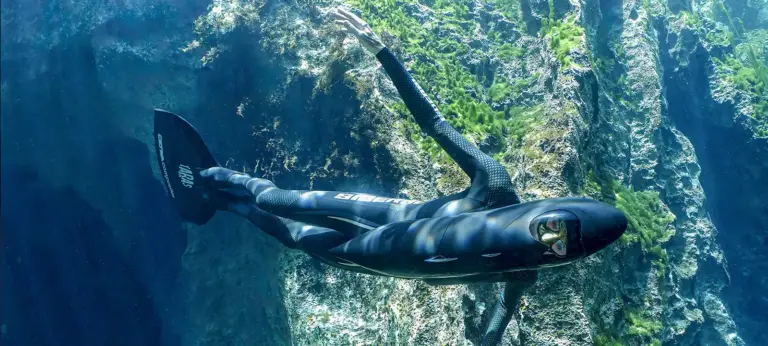
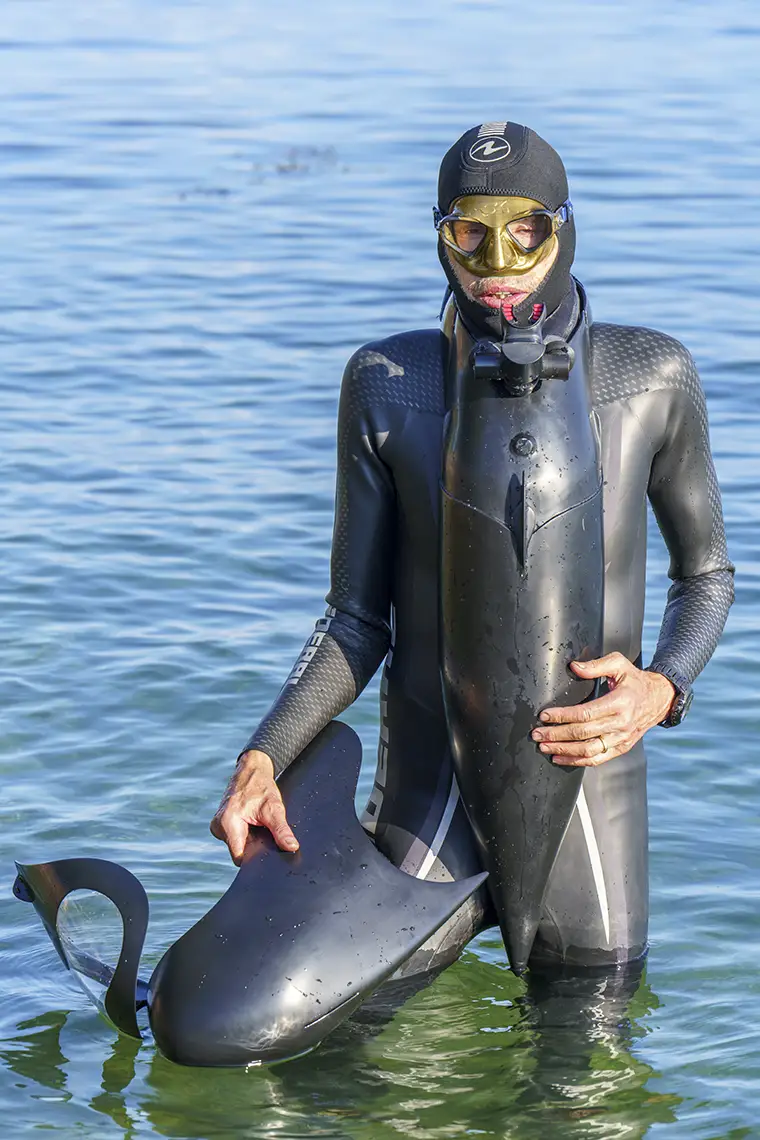
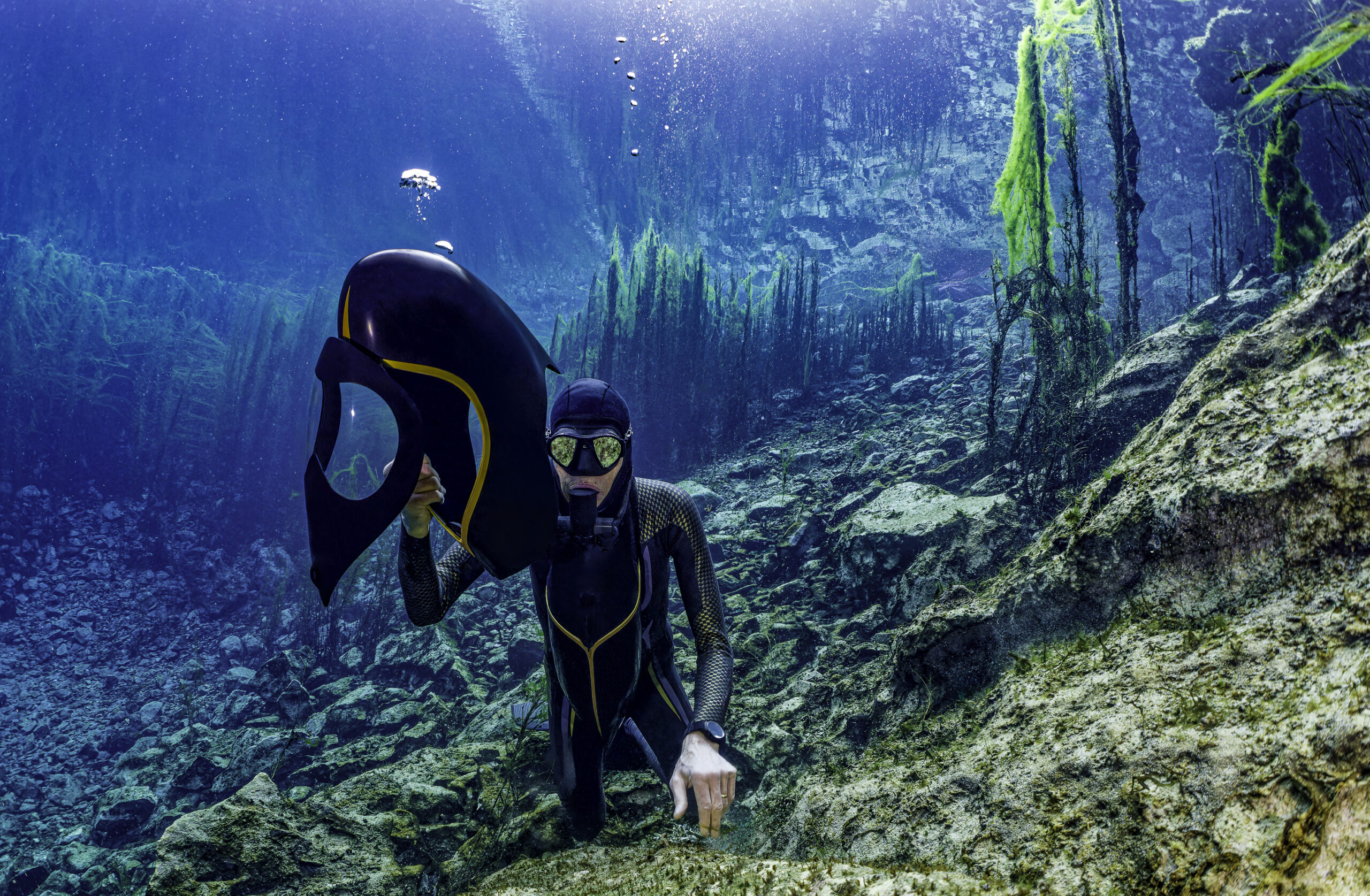






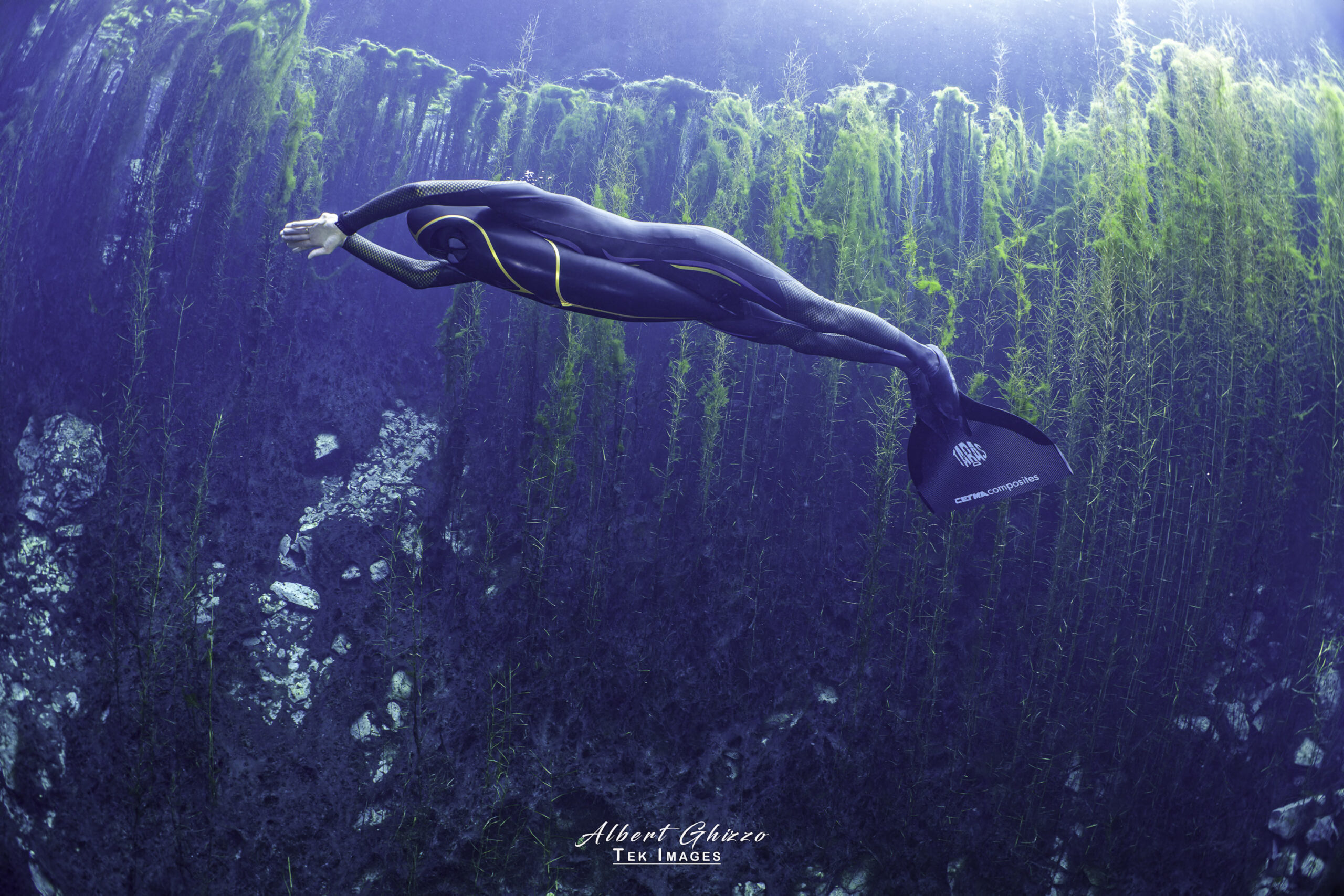




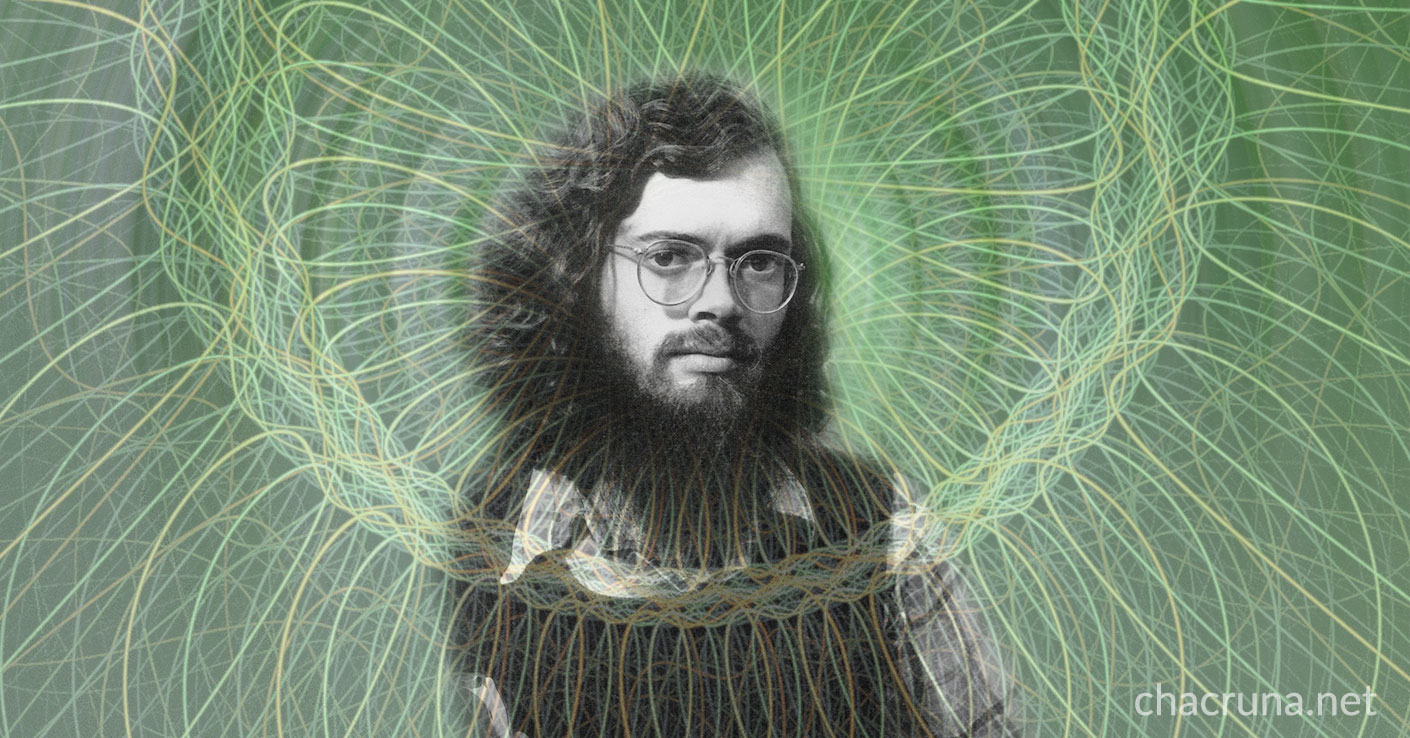



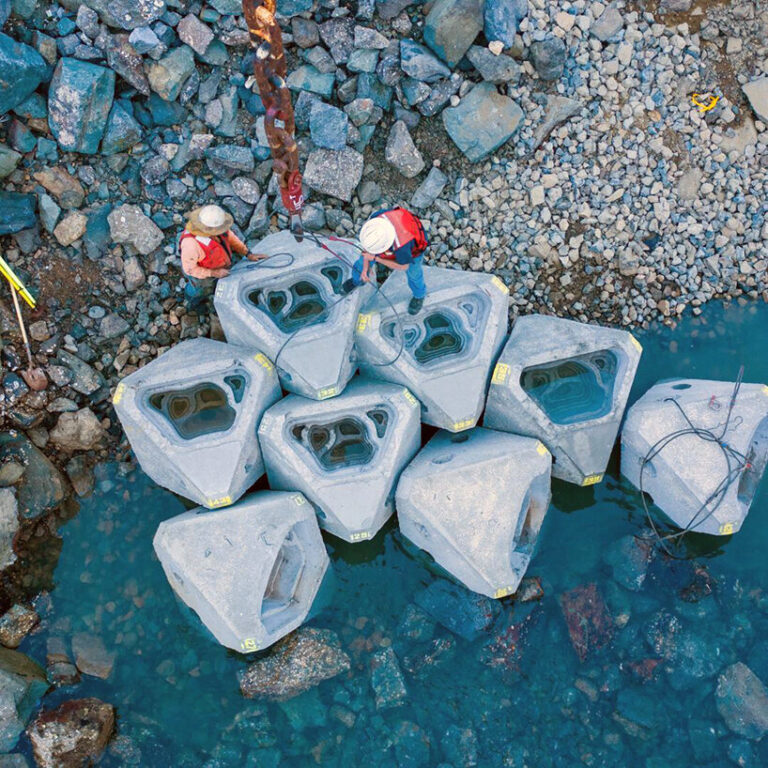
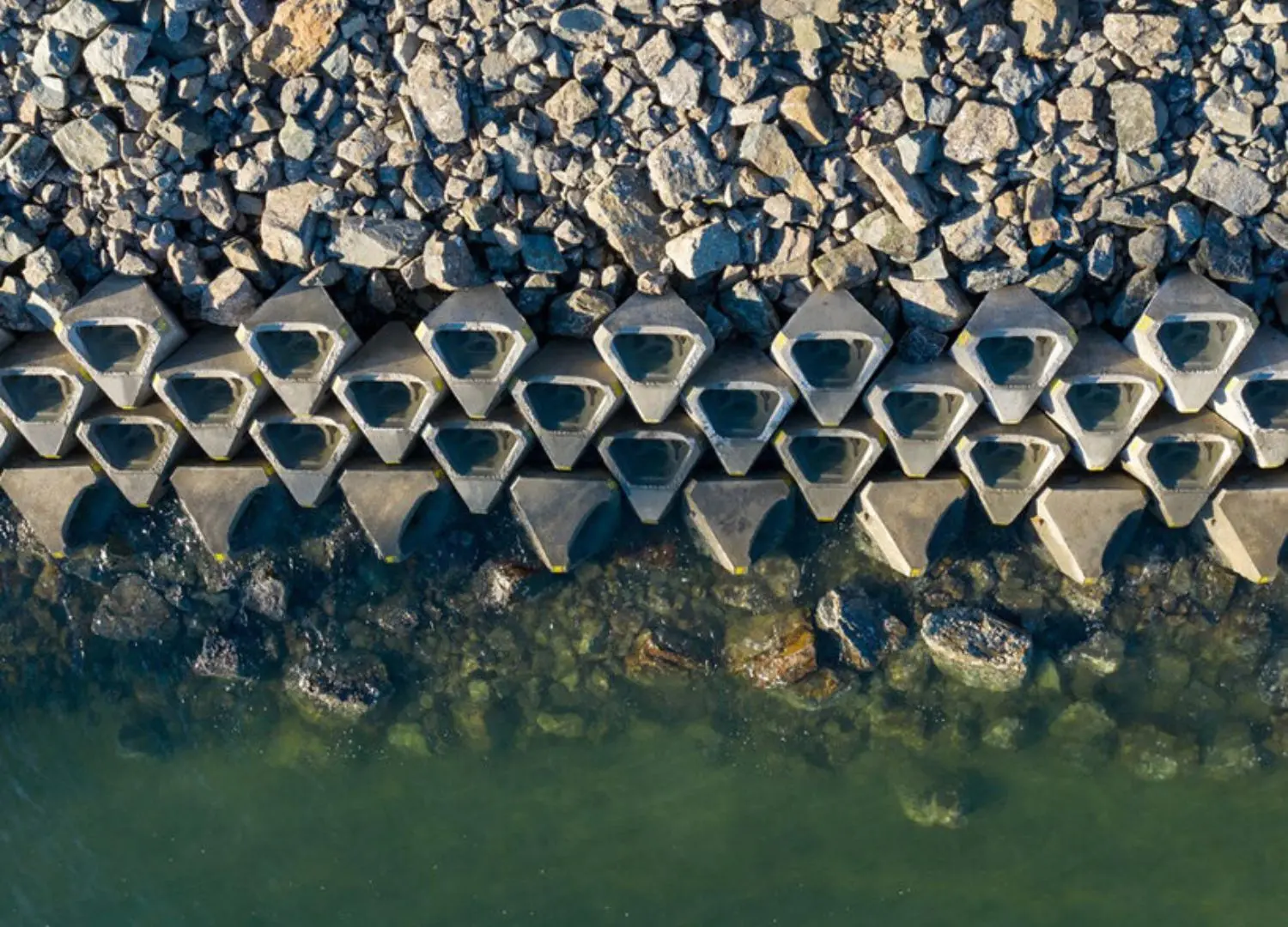


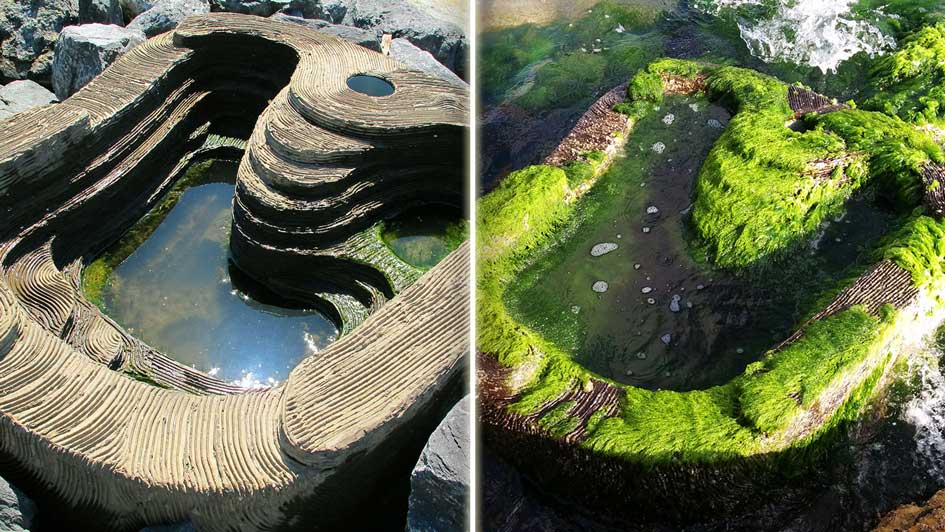
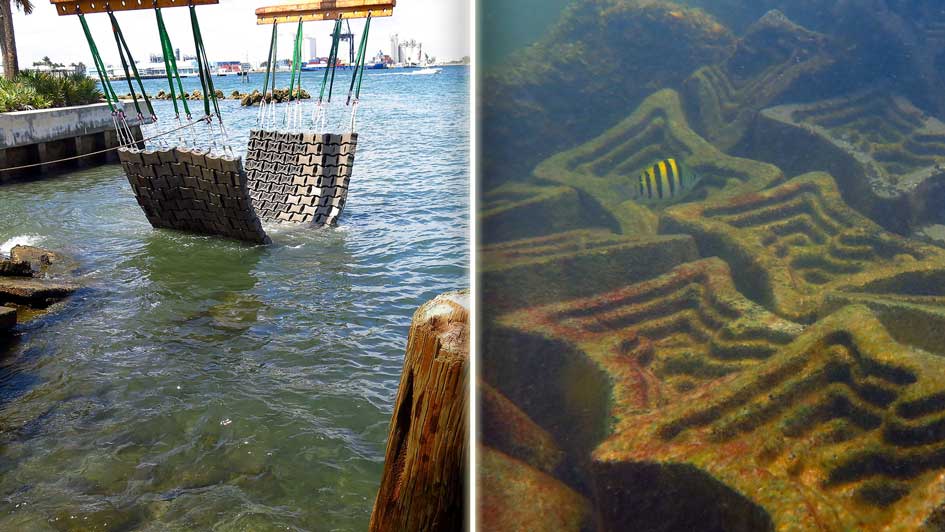



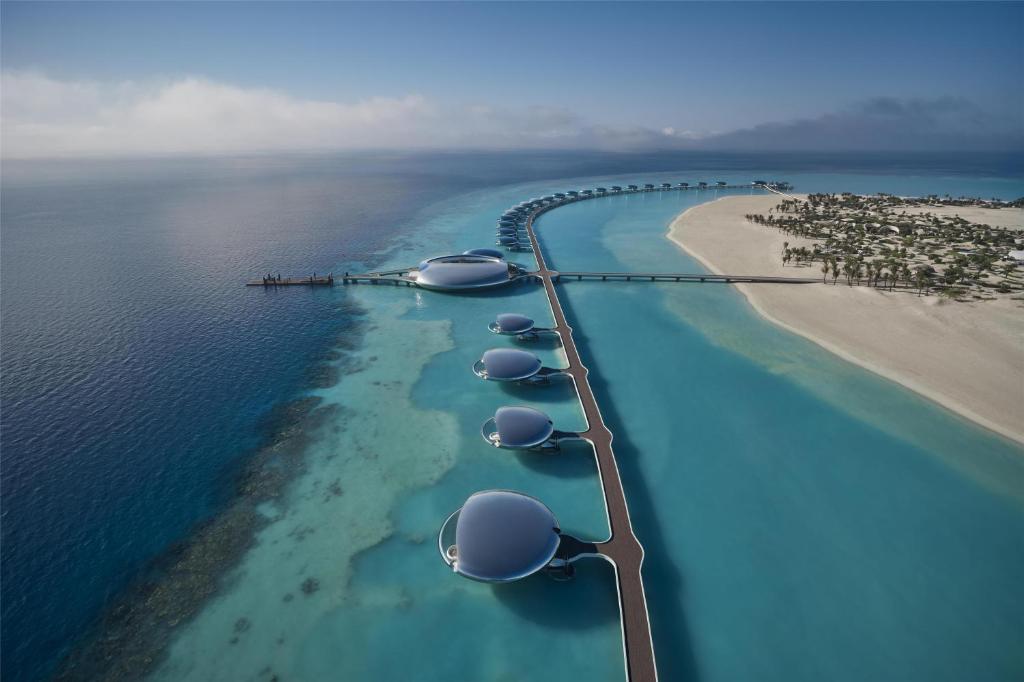








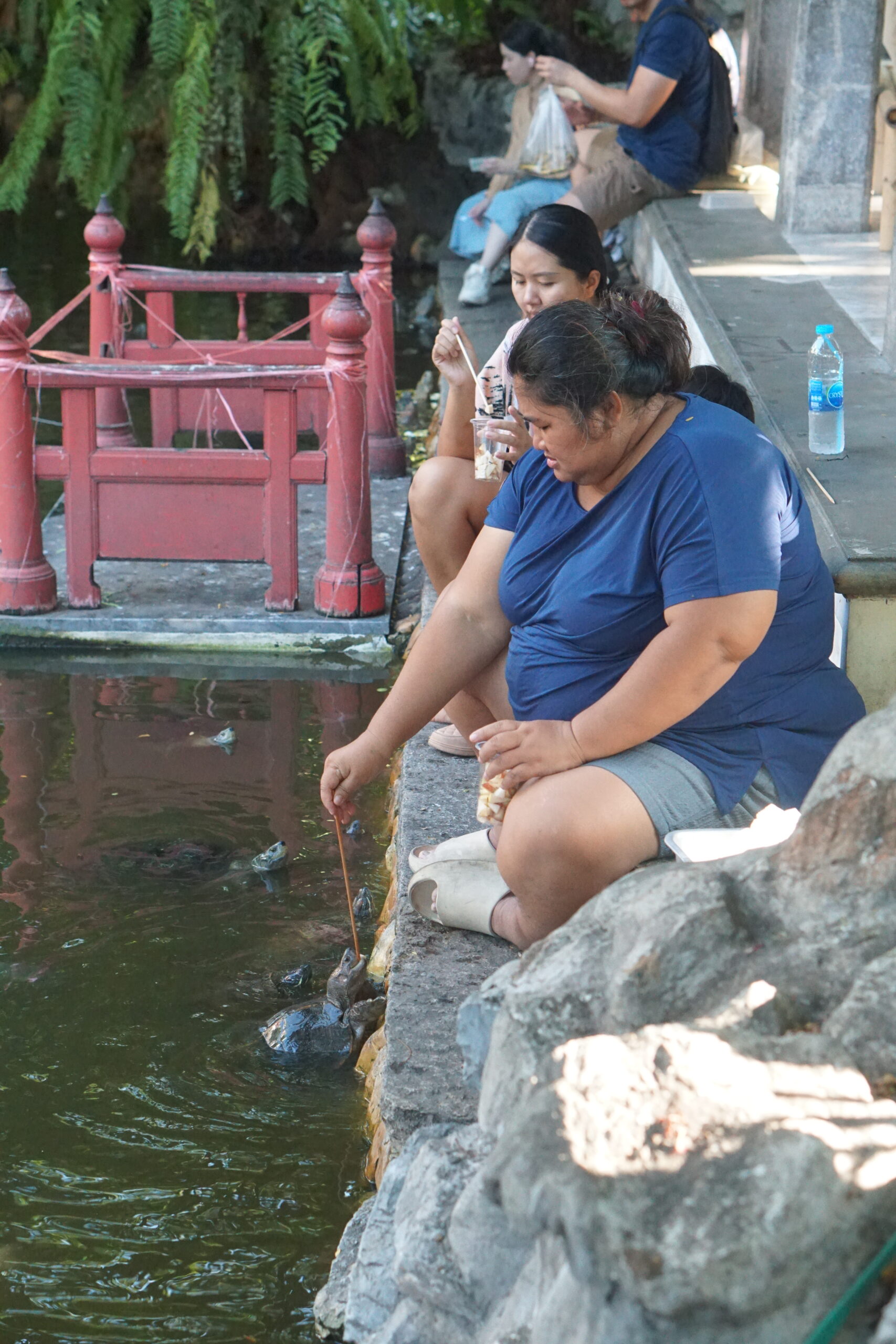


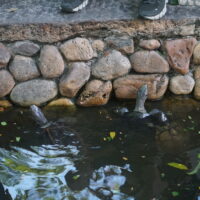

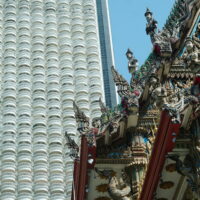

























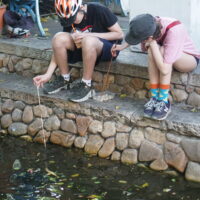



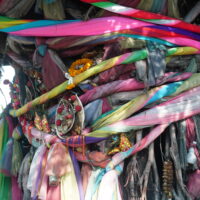











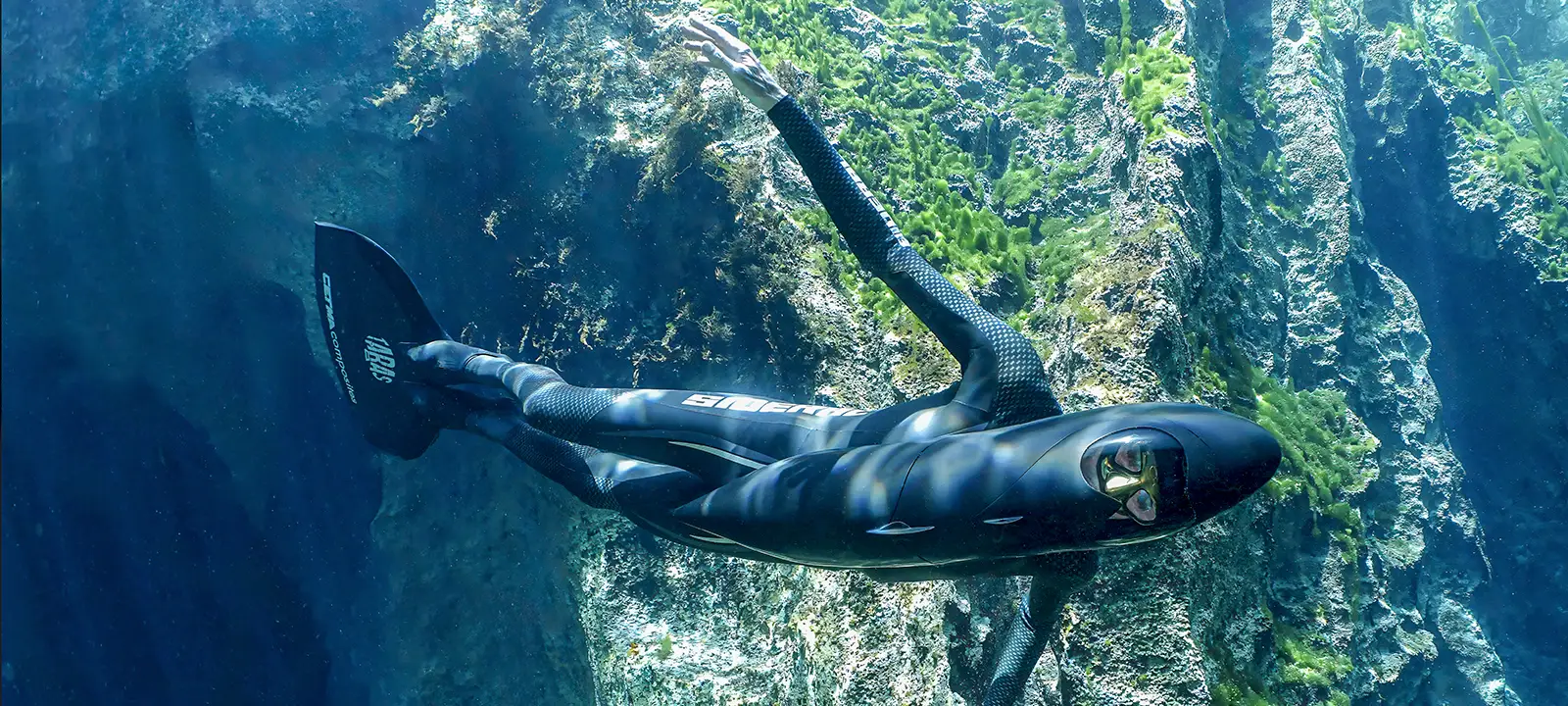

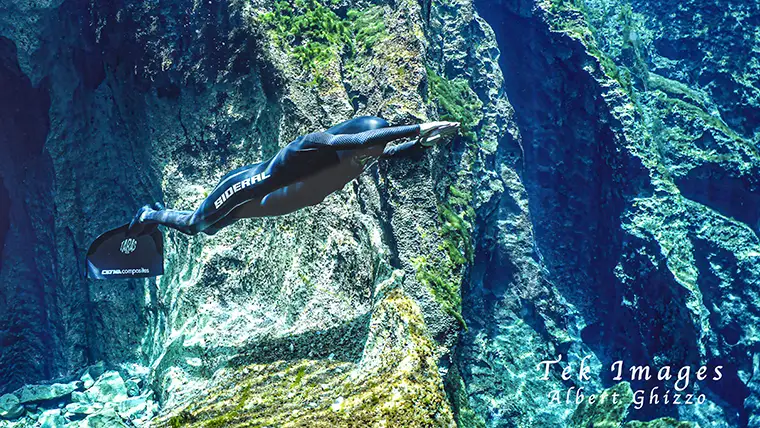
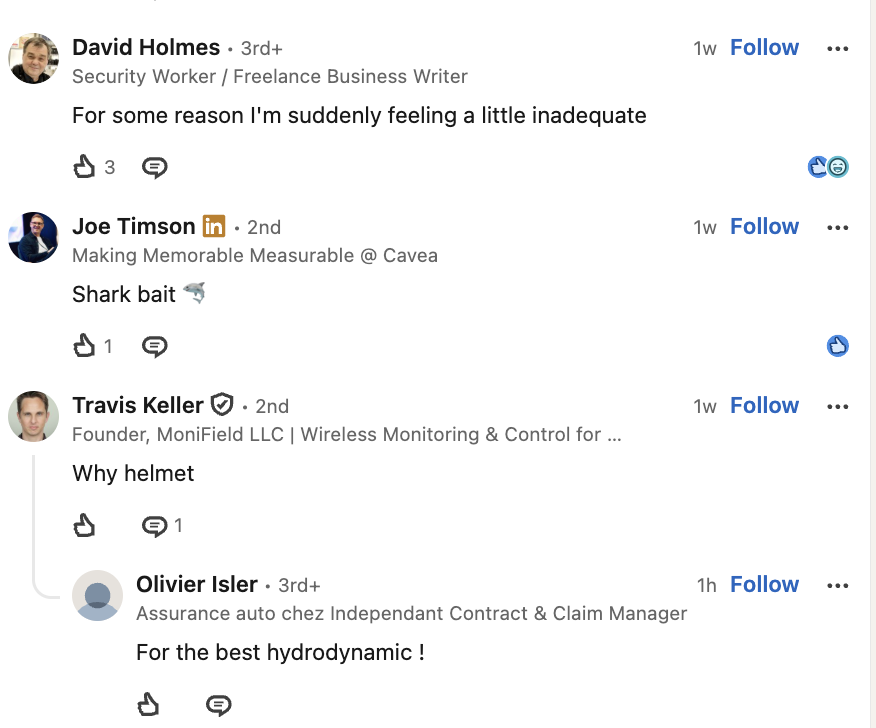
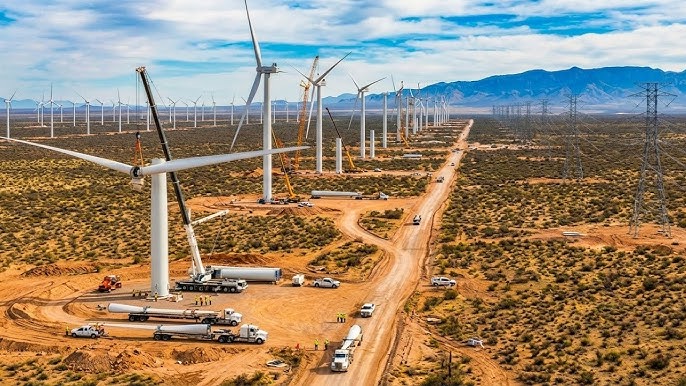


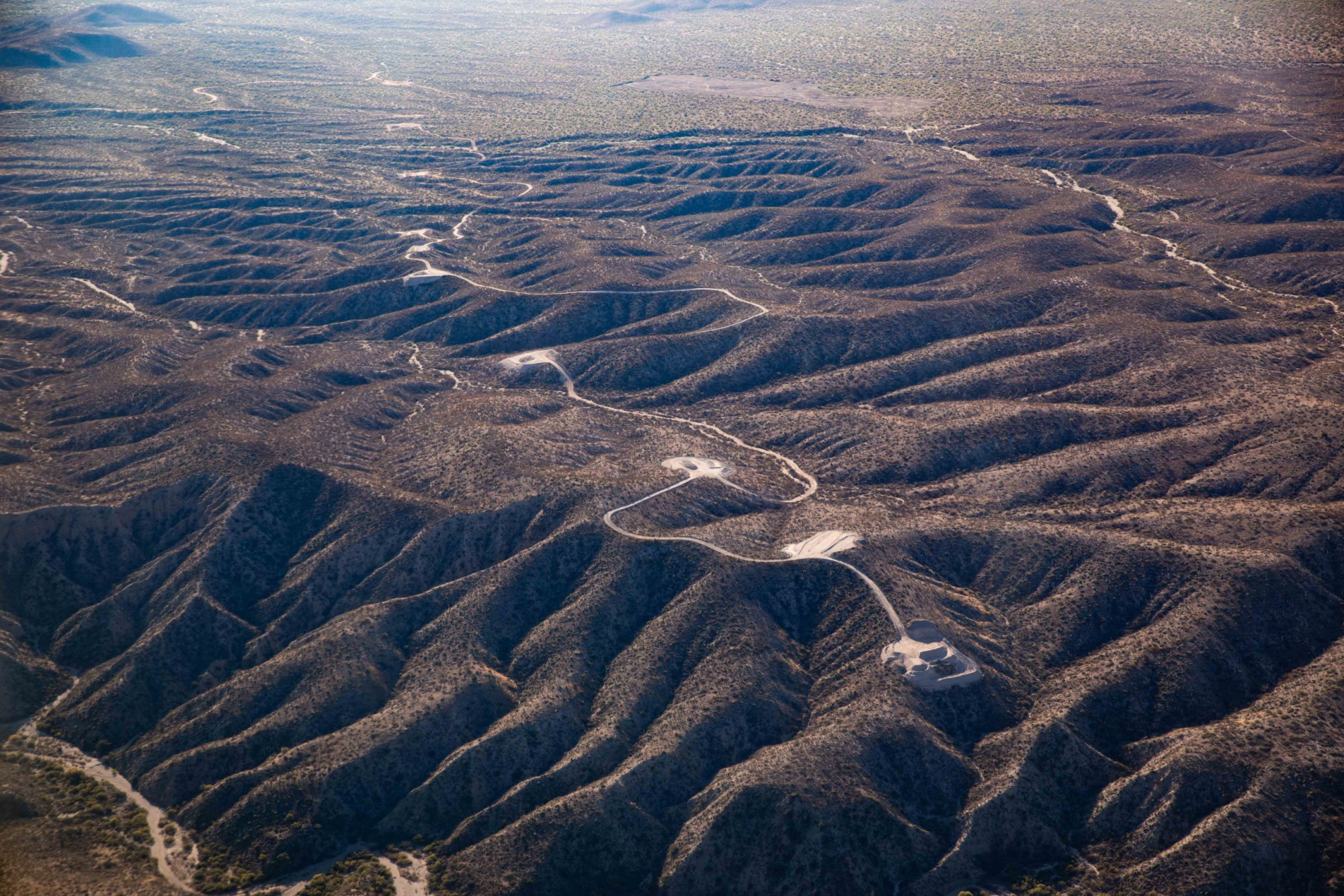






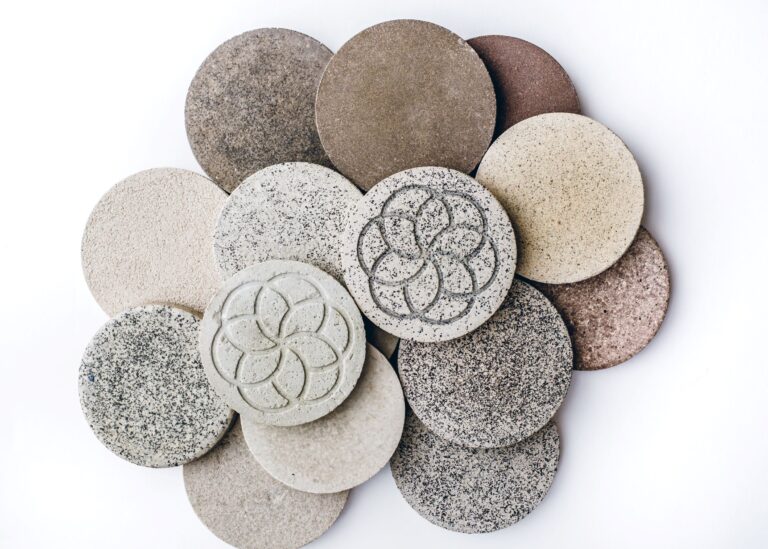
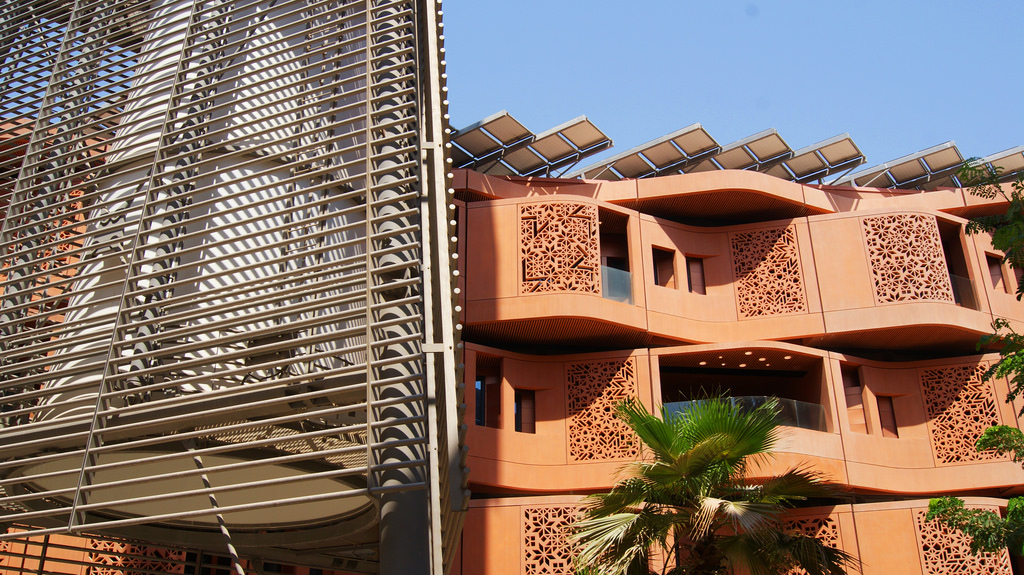
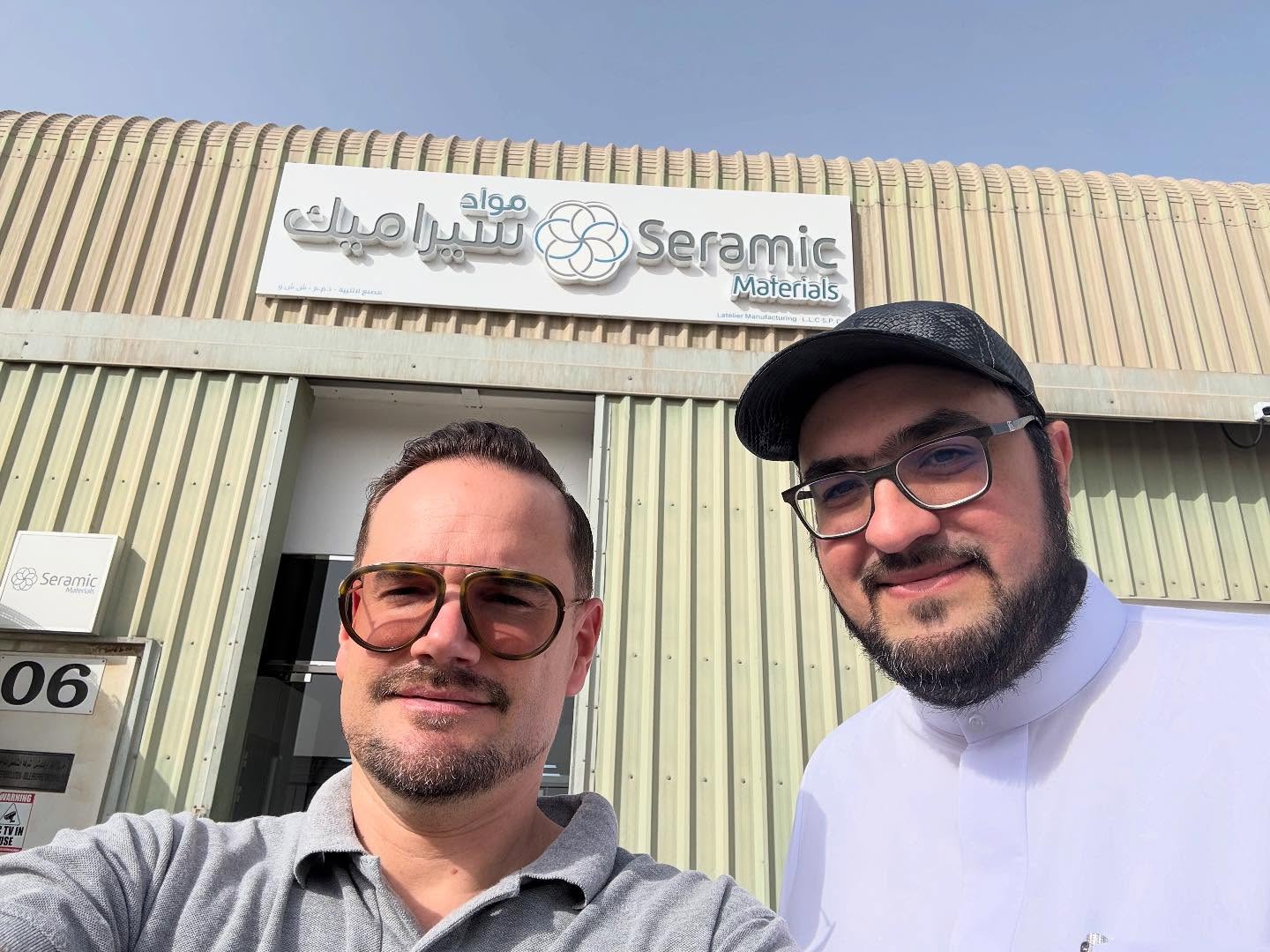
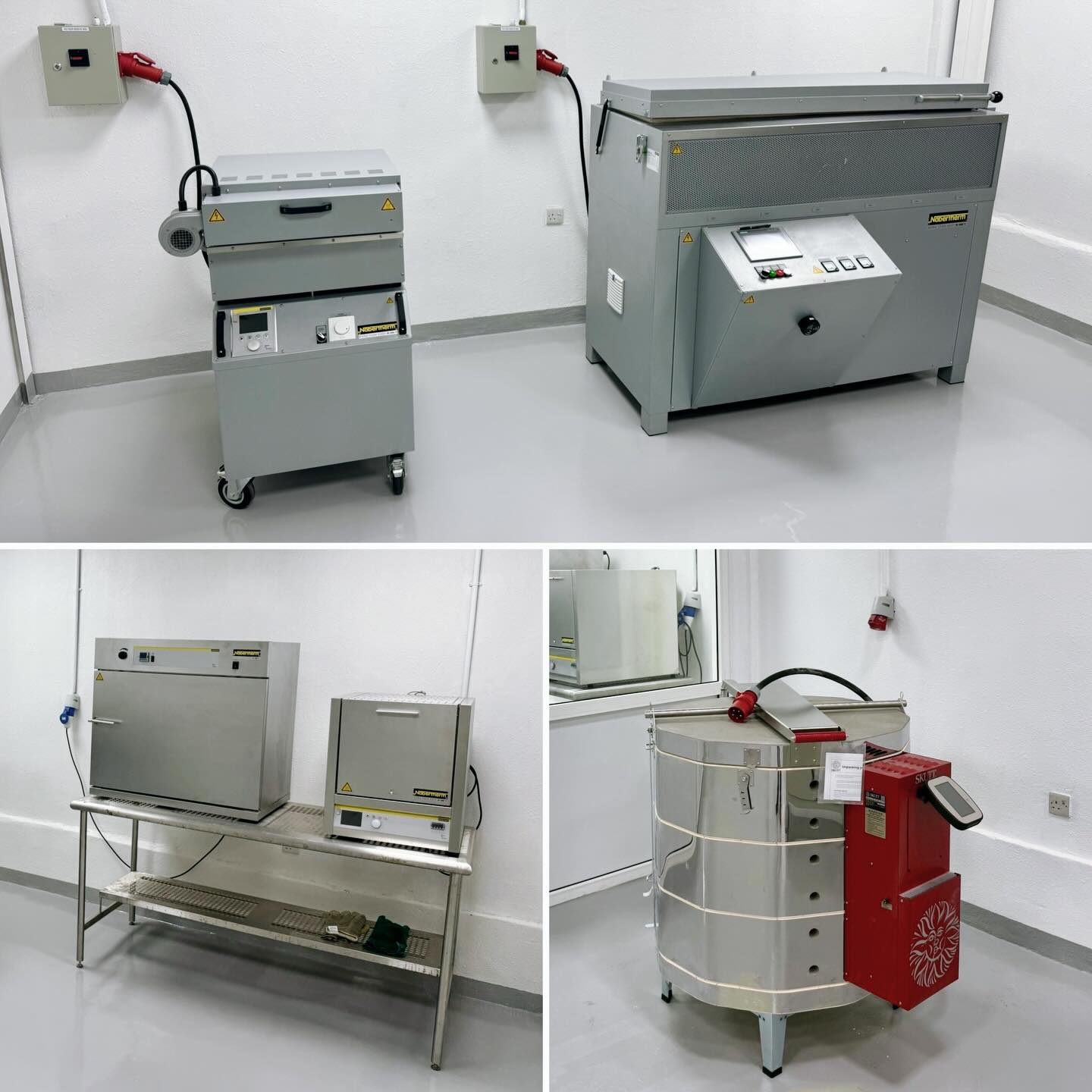
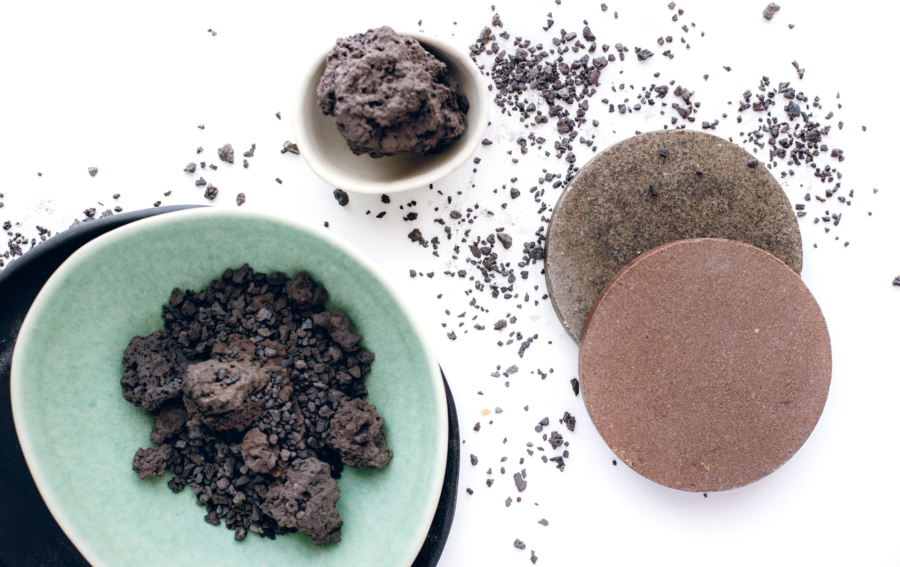
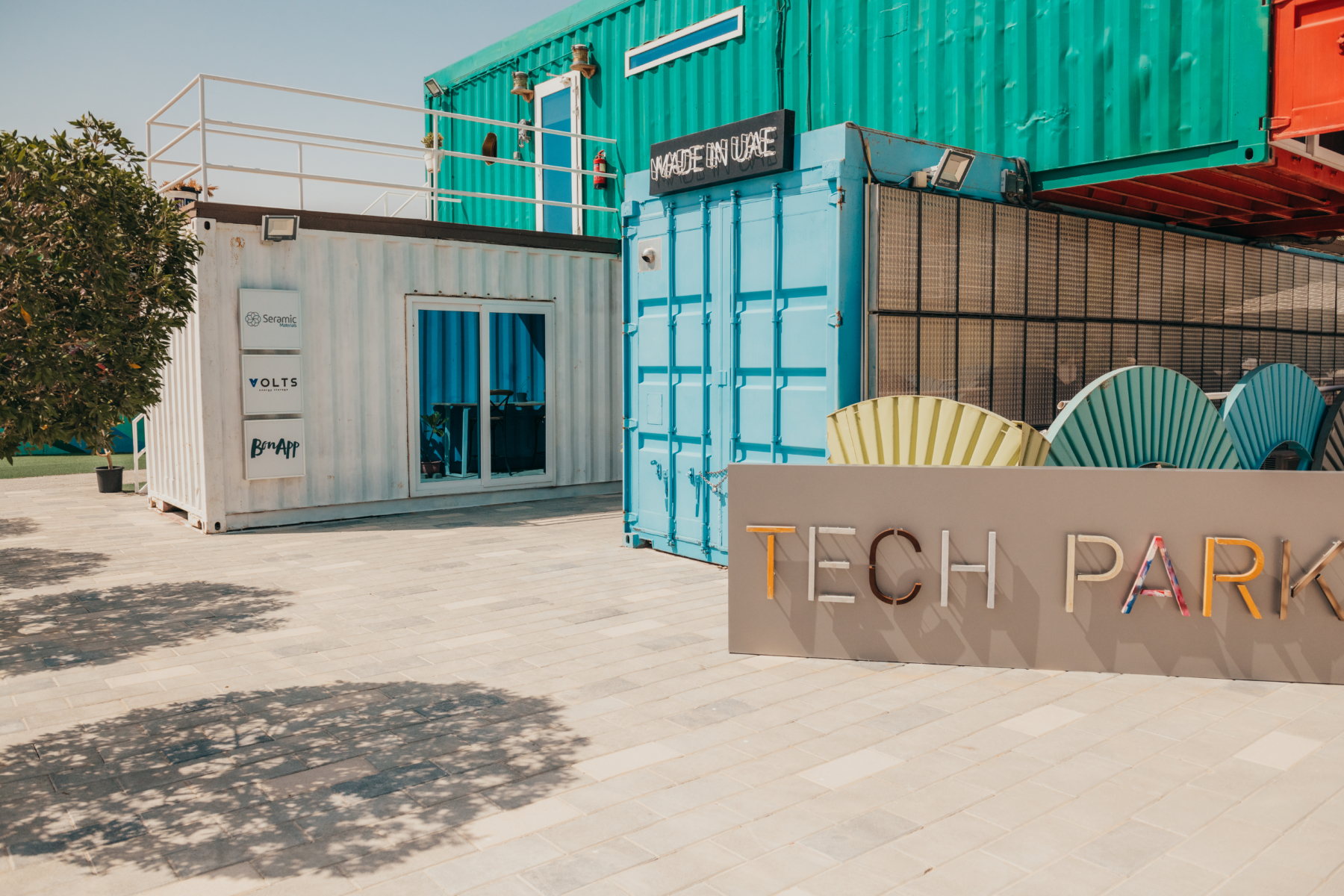


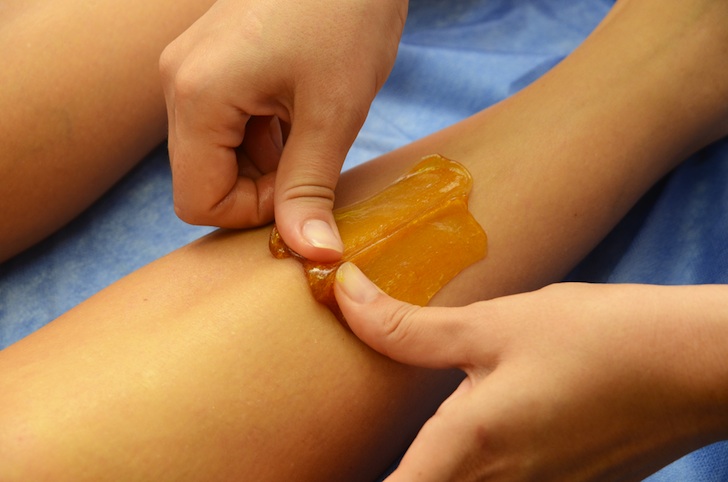
 Hair is never just hair. It is religion, culture, modesty, rebellion, fashion, hygiene, sexuality, and sometimes just one more thing we are tired of managing.